
 By George Ongkojoyo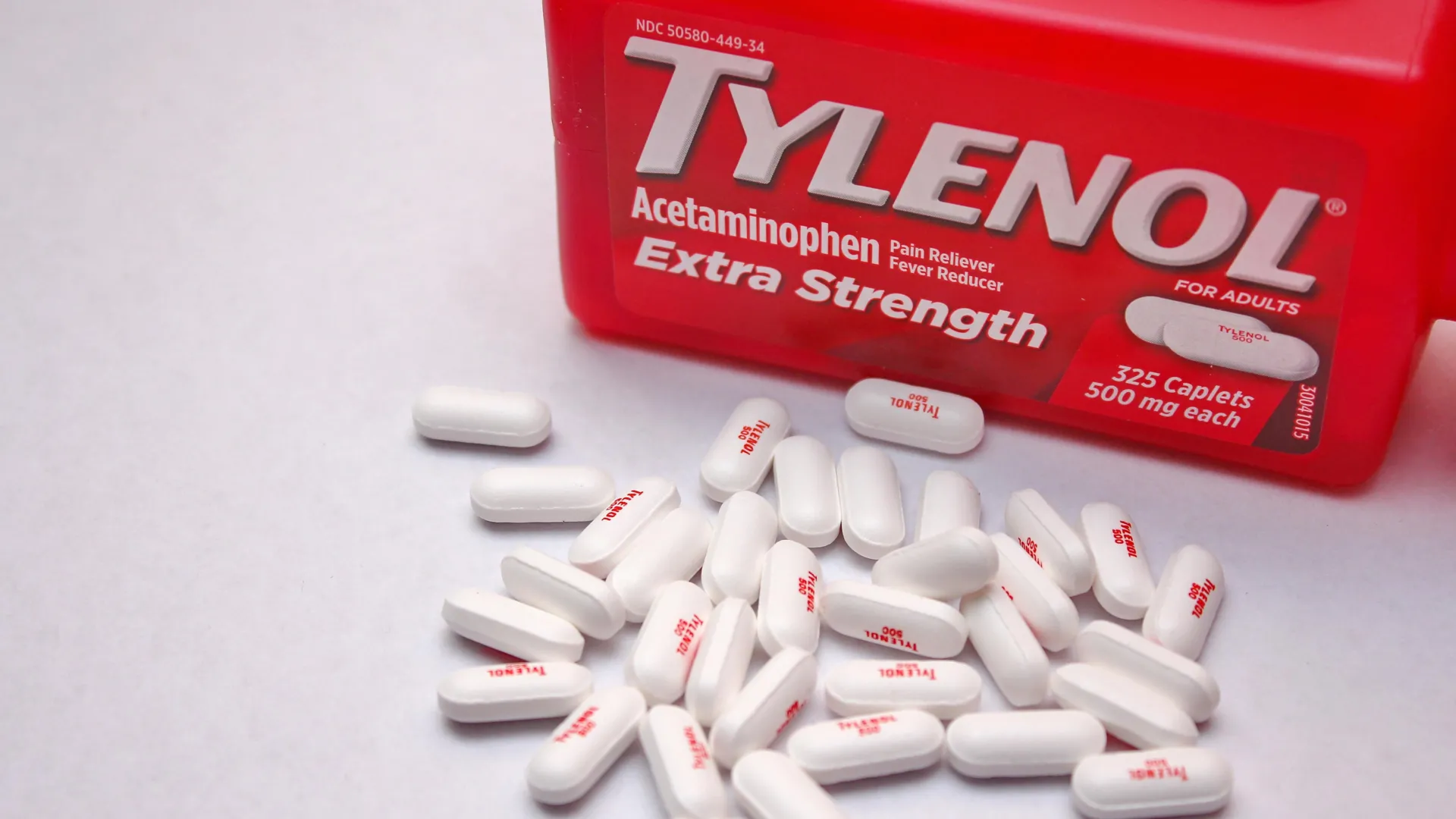
In a landmark study that challenges long-held assumptions about the safety of everyday over-the-counter medications, researchers at the University of South Australia (UniSA) have uncovered a startling link between common painkillers and the acceleration of antibiotic resistance. The research indicates that ibuprofen and acetaminophen (paracetamol)—two of the most widely consumed drugs globally—may be inadvertently fueling the rise of "superbugs" by increasing bacterial mutation rates. This discovery marks the first time that the interactive effects of these non-antibiotic medications have been shown to amplify resistance, particularly when used in combination with broad-spectrum antibiotics.
The study, led by Associate Professor Rietie Venter, focused on the interaction between these non-antibiotic drugs, the antibiotic ciprofloxacin, and Escherichia coli (E. coli), a common bacterium responsible for a significant portion of urinary tract infections (UTIs) and gastrointestinal illnesses. The findings suggest that when bacteria are exposed to a "cocktail" of these common painkillers and antibiotics, they develop genetic mutations at a significantly higher rate than when exposed to antibiotics alone. These mutations allow the bacteria to not only survive the initial antibiotic onslaught but also to develop cross-resistance to multiple other classes of life-saving drugs.
The Mechanics of Resistance: How Painkillers Alter Bacterial DNA
To understand the gravity of these findings, it is essential to examine the biological mechanisms at play. Antibiotic resistance typically occurs when bacteria evolve defenses against the drugs designed to kill them. This evolution is usually driven by the misuse or overuse of antibiotics themselves. However, the UniSA study reveals a more complex landscape where non-antibiotic medications act as "stressors" that trigger a defensive response in the bacteria.
According to Associate Professor Venter, the research team uncovered specific genetic mechanisms behind this phenomenon. When E. coli was exposed to ibuprofen and acetaminophen, the drugs appeared to activate the bacteria’s internal defense systems, specifically their "efflux pumps." These pumps are biological mechanisms that bacteria use to expel toxic substances, including antibiotics, from their cells. By stimulating these pumps, the painkillers render the antibiotics less effective, allowing the bacteria more time to mutate and adapt.
Furthermore, the study found that the combination of these medications induced a stress response in the bacteria that led to "error-prone" DNA repair. When bacteria are under chemical stress, they may replicate their DNA more rapidly and with less precision, leading to a higher frequency of genetic mutations. In the presence of ciprofloxacin, these mutations specifically favored those bacteria that could withstand the drug, leading to a population of highly resistant superbugs in a remarkably short period.
The Scope of the Study: Assessing Polypharmacy Risks
The UniSA research was particularly comprehensive, assessing a total of nine medications frequently prescribed to vulnerable populations, such as those in residential aged care facilities. The list of evaluated drugs included:
- Ibuprofen: A non-steroidal anti-inflammatory drug (NSAID) used for pain and inflammation.
- Acetaminophen (Paracetamol): A common analgesic and antipyretic for pain and fever.
- Diclofenac: An NSAID often prescribed for arthritis and chronic joint pain.
- Furosemide: A diuretic used to treat fluid retention and high blood pressure.
- Metformin: The primary medication for managing type 2 diabetes.
- Atorvastatin: A statin used to lower cholesterol and prevent cardiovascular disease.
- Tramadol: An opioid pain medication used for moderate to severe pain.
- Temazepam: A sedative used to treat insomnia.
- Pseudoephedrine: A common decongestant found in cold and flu remedies.
While the study highlighted ibuprofen and acetaminophen as the most significant drivers of resistance in combination with ciprofloxacin, the researchers noted that the cumulative effect of taking multiple medications—a practice known as polypharmacy—creates a unique and hazardous environment within the human gut. The gut microbiome, which houses trillions of bacteria, becomes a "breeding ground" where these complex drug interactions can facilitate the transfer of resistance genes between different species of bacteria.
The Silent Pandemic: Antimicrobial Resistance in Context
The findings come at a time when the World Health Organization (WHO) has designated antimicrobial resistance (AMR) as one of the top ten global public health threats facing humanity. The scale of the crisis is documented in historical data; in 2019 alone, bacterial AMR was directly responsible for an estimated 1.27 million deaths globally and contributed to nearly 5 million more.
The evolution of AMR is often described as a "silent pandemic." Unlike a sudden viral outbreak, resistance builds gradually over decades, quietly eroding the foundations of modern medicine. Procedures that are currently considered routine—such as hip replacements, cesarean sections, and chemotherapy—rely heavily on effective antibiotics to prevent opportunistic infections. If common painkillers are accelerating this process, the timeline for a "post-antibiotic era" could be much shorter than previously anticipated.
Historically, the focus of AMR mitigation has been on "stewardship"—the practice of ensuring antibiotics are only prescribed when necessary. However, Associate Professor Venter argues that this study broadens the scope of the challenge. "Antibiotic resistance isn’t just about antibiotics anymore," she noted. The realization that ubiquitous, over-the-counter drugs are contributing to the problem suggests that current stewardship programs may be overlooking a critical variable.
Implications for Aged Care and Vulnerable Populations
Perhaps the most immediate concern raised by the UniSA study is the impact on residential aged care. Older adults are frequently the subject of polypharmacy, often taking five or more medications daily to manage chronic conditions. In nursing home environments, where infections can spread rapidly, the frequent use of antibiotics alongside daily doses of painkillers for arthritis or general aches creates a "perfect storm" for the development of resistant bacteria.
"This is especially prevalent in residential aged care facilities, where older people are more likely to be prescribed multiple medications—not just antibiotics, but also drugs for pain, sleep, or blood pressure," Assoc Prof Venter explained. The study suggests that for this demographic, the risk is twofold: not only are they more susceptible to infections due to weakened immune systems, but the very medications they take to maintain their quality of life may be making those infections untreatable.
Health advocates and geriatric specialists are likely to view these findings as a call for more rigorous medication reviews in aged care settings. While it is not feasible to stop treating chronic pain or high blood pressure, the study highlights a need for medical professionals to consider the "interactome"—the complex web of interactions between all drugs a patient is taking—rather than viewing each prescription in isolation.
Chronology of Antibiotic Development and the Rise of Resistance
To put the UniSA study into historical perspective, one must look at the timeline of antibiotic discovery and the subsequent emergence of resistance:
- 1928: Alexander Fleming discovers Penicillin, the first "miracle drug."
- 1940s: Mass production of Penicillin begins; however, by 1945, Fleming himself warns that misuse could lead to resistant bacteria.
- 1950s-1970s: The "Golden Age" of antibiotic discovery, where most classes of antibiotics used today were developed.
- 1980s-1990s: A "discovery void" begins as pharmaceutical companies shift focus away from antibiotics toward more profitable chronic disease medications.
- 2000s: The rise of Multi-Drug Resistant (MDR) organisms, such as MRSA and Carbapenem-resistant Enterobacteriaceae (CRE), becomes a major hospital concern.
- 2019: The landmark GRAM (Global Research on Antimicrobial Resistance) study quantifies the global death toll of AMR at over 1 million people annually.
- 2024: The UniSA study identifies non-antibiotic painkillers as significant contributors to the genetic mutation of bacteria.
This timeline illustrates that while we have known about antibiotic resistance for nearly a century, our understanding of the factors driving it is still evolving. The inclusion of non-antibiotic drugs in the resistance equation represents a significant shift in the scientific paradigm.
Expert Reactions and the Path Forward
While the pharmaceutical industry has yet to release a comprehensive statement regarding the UniSA study, independent researchers and public health experts have expressed a mixture of concern and a call for caution. The primary message from the scientific community is that patients should not panic or discontinue their necessary medications.
"The findings are provocative and scientifically sound, but they represent a call for more research, not a reason for patients to stop taking their paracetamol," says Dr. Julianne Taylor, an independent pharmacologist not involved in the study. "What we need now are clinical trials that look at these interactions in human subjects, rather than just in a laboratory setting with E. coli."
The UniSA researchers themselves are calling for a broader investigation into drug interactions. They emphasize that the current regulatory framework for drug approval often focuses on the safety and efficacy of a single drug or specific two-drug interactions. The reality of modern medicine, where patients are often on "cocktails" of many different substances, requires a more holistic approach to pharmacology.
Conclusion: A New Frontier in Medical Stewardship
The University of South Australia’s research serves as a critical reminder that the biological world is highly interconnected. The drugs we take to dull a headache or reduce inflammation do not exist in a vacuum; they interact with the microscopic life forms that inhabit our bodies.
As the global community continues to grapple with the threat of antimicrobial resistance, the UniSA study provides a vital piece of the puzzle. It underscores the importance of "mindful prescribing" and suggests that the fight against superbugs must extend beyond the pharmacy’s antibiotic shelf. By understanding how common medications like ibuprofen and acetaminophen influence bacterial behavior, scientists and doctors can better design treatment regimes that protect both the individual patient and the long-term effectiveness of our global antibiotic arsenal.
The path forward will require a collaborative effort between researchers, healthcare providers, and policymakers to ensure that the medications we rely on today do not compromise the medical miracles of tomorrow. For now, the study stands as a significant contribution to the field of microbiology, urging a more nuanced and careful approach to the ubiquitous medicines found in almost every household cabinet.
