
 By Suherman Candra Maholtra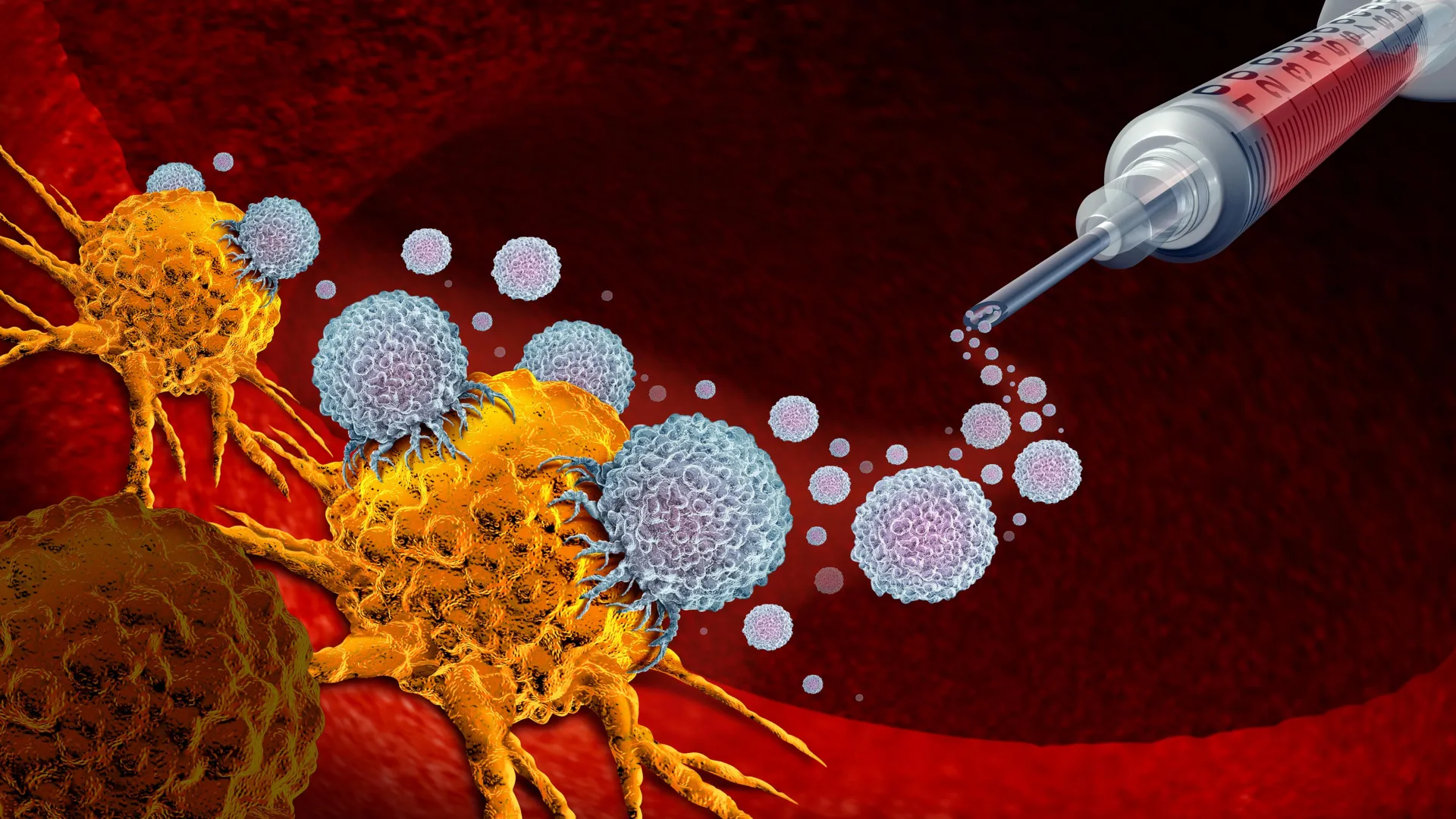
In a significant advancement for the field of oncology, researchers at the University of Florida have developed an experimental mRNA vaccine that successfully amplified the tumor-fighting capabilities of immunotherapy in preclinical models. The study, recently published in the journal Nature Biomedical Engineering, outlines a potential "universal" vaccine strategy designed to bypass the traditional hurdles of personalized medicine by broadly sensitizing the immune system to recognize and destroy various forms of treatment-resistant cancer. By pairing this novel vaccine with existing anticancer medications, the research team achieved a synergistic effect that transitioned "immunologically cold" tumors—those that typically evade the body’s defenses—into "hot" targets for immune system destruction.
The research represents a collaborative effort supported by several federal agencies, including the National Institutes of Health (NIH), and various private foundations. Led by senior author Elias Sayour, M.D., Ph.D., a pediatric oncologist at UF Health, the study suggests that the future of cancer treatment may lie not only in targeting specific mutations but in fundamentally "waking up" the immune system to respond to malignancy as if it were a viral infection.
A Paradigm Shift in Cancer Vaccination Strategy
For decades, the development of cancer vaccines has been dominated by two primary methodologies. The first involves identifying a specific protein or "target" that is expressed across a wide population of patients with a particular cancer type. The second, more recent approach, involves creating "personalized" vaccines tailored to the unique genetic mutations found within an individual patient’s tumor. While the latter has shown promise, it is often prohibitively expensive, time-consuming to manufacture, and difficult to scale for widespread clinical use.
The University of Florida study introduces what researchers are calling a "third paradigm." Rather than engineering a vaccine to hunt for a specific protein, the team developed a generalized mRNA formulation designed to trigger a massive, non-specific immune response.
"This paper describes a very unexpected and exciting observation: that even a vaccine not specific to any particular tumor or virus—so long as it is an mRNA vaccine—could lead to tumor-specific effects," said Dr. Sayour, who serves as the principal investigator at the RNA Engineering Laboratory within UF’s Preston A. Wells Jr. Center for Brain Tumor Therapy.
By using mRNA to stimulate the immune system’s innate antiviral pathways, the researchers found they could force tumors to reveal themselves. This is achieved by inducing the expression of specific proteins, such as PD-L1, inside the tumor microenvironment. While PD-L1 is often used by tumors to hide from the immune system, its presence actually makes the tumor more vulnerable to a class of drugs known as immune checkpoint inhibitors, which are designed to "unmask" these very proteins.
The Mechanism of the "One-Two Punch"
The experimental treatment functions through a "one-two punch" mechanism. First, the mRNA vaccine is administered via lipid nanoparticles—the same delivery vehicle used in the highly successful COVID-19 vaccines. Once inside the body, the mRNA acts as a blueprint, instructing cells to produce a response that mimics a viral invasion. This creates a state of high alert throughout the immune system.
The second part of the strategy involves the use of immune checkpoint inhibitors, specifically PD-1 inhibitors. These are monoclonal antibodies that prevent cancer cells from sending "off" signals to the immune system’s T cells. In the UF study, the vaccine primed the tumors, making them "receptive" to the inhibitors.
Dr. Duane Mitchell, M.D., Ph.D., a co-author of the study and director of the UF Clinical and Translational Science Institute, emphasized the importance of this generalized approach. "What we found is by using a vaccine designed not to target cancer specifically but rather to stimulate a strong immunologic response, we could elicit a very strong anticancer reaction," Mitchell stated. "This has significant potential to be broadly used across cancer patients—even possibly leading us to an off-the-shelf cancer vaccine."
Chronology of Research and Development
The current breakthrough is the culmination of over eight years of intensive research led by Dr. Sayour. The timeline of this technology’s development highlights a steady progression from laboratory theory to successful human application and, finally, to the "universal" concept presented in the latest study.
- 2016–2022: Dr. Sayour and his team pioneered the use of lipid nanoparticles combined with mRNA to target pediatric brain tumors. This period involved refining the delivery mechanism to ensure the mRNA could reach the immune system’s dendritic cells effectively.
- 2023: A landmark human clinical trial was conducted at the University of Florida. In this first-of-its-kind trial, four adult patients with glioblastoma—a notoriously aggressive and lethal form of brain cancer—received a personalized mRNA vaccine made from their own tumor cells. The results were startling; the vaccine reprogrammed the immune systems of the patients in a matter of days, triggering a vigorous rejection response against the tumors.
- 2024: Building on the success of the glioblastoma trial, the team pivoted to test whether a "generalized" version of the vaccine could achieve similar results without the need for patient-specific customization. This led to the current publication in Nature Biomedical Engineering, which utilized mouse models to prove the "universal" concept.
Supporting Data from Preclinical Models
The efficacy of the universal mRNA vaccine was tested across several rigorous mouse models, including melanoma, bone cancer (osteosarcoma), and brain cancer. These models were specifically chosen because they are traditionally resistant to standard immunotherapies.
In the melanoma models, researchers observed that the combination of the mRNA vaccine and PD-1 inhibitors led to a significant reduction in tumor volume compared to either treatment used in isolation. The data indicated that the vaccine "re-educated" T cells that had previously been dormant or "exhausted" within the tumor. Once reactivated, these T cells multiplied and began an aggressive assault on the malignant cells.
Even more striking were the results in models of skin and bone cancer where the mRNA formulation was tested as a monotherapy. In several instances, the researchers reported that the tumors were eliminated entirely. The study noted that the vaccine’s ability to activate immune responses seemingly unrelated to the cancer was sufficient to trigger a "bystander effect," where the heightened immune environment led to the destruction of the tumor.
Scientific Analysis and Clinical Implications
The implications of this research for the broader field of oncology are profound. If the results can be replicated in human trials, it could lead to the development of "off-the-shelf" vaccines that can be administered immediately upon a cancer diagnosis, rather than waiting weeks or months for a personalized vaccine to be manufactured.
From a clinical perspective, the ability to sensitize tumors to checkpoint inhibitors is a major hurdle in current cancer care. While drugs like pembrolizumab (Keytruda) have revolutionized treatment for some, many patients do not respond because their tumors are "immunologically cold." The UF study suggests that the mRNA vaccine can effectively "heat up" these tumors, potentially expanding the pool of patients who can benefit from existing immunotherapies.
Furthermore, the study highlights the versatility of mRNA technology. Unlike traditional vaccines that require complex protein manufacturing, mRNA can be synthesized rapidly and adjusted to target different pathways. The UF team’s use of a generalized formulation suggests that the inherent "danger signals" triggered by mRNA itself are a potent tool in oncology.
Institutional Support and Future Directions
The research was conducted within the Preston A. Wells Jr. Center for Brain Tumor Therapy and the McKnight Brain Institute at the University of Florida. These institutions have become hubs for immuno-oncology and microbiome research, focusing on how the body’s internal systems can be leveraged to fight disease.
Dr. Sayour, who also serves as a professor in the UF Lillian S. Wells Department of Neurosurgery and the Department of Pediatrics, is now focused on the next phase of development. The research team is currently refining the mRNA formulations to maximize the immune response while minimizing potential side effects.
The ultimate goal is to move into human clinical trials as rapidly as possible. "It could potentially be a universal way of waking up a patient’s own immune response to cancer," Dr. Mitchell said. "And that would be profound if generalizable to human studies."
As the medical community looks toward a post-pandemic era, the lessons learned from the rapid development of mRNA COVID-19 vaccines are being applied to the "emperor of all maladies." The University of Florida’s latest findings provide a roadmap for a new generation of cancer therapies that are faster, more accessible, and potentially more effective than the traditional pillars of surgery, radiation, and chemotherapy. While the study was conducted in mice, the foundational science and the previous success in human glioblastoma patients suggest that a universal cancer vaccine may no longer be a matter of "if," but "when."
