
 By Gabriel Paijo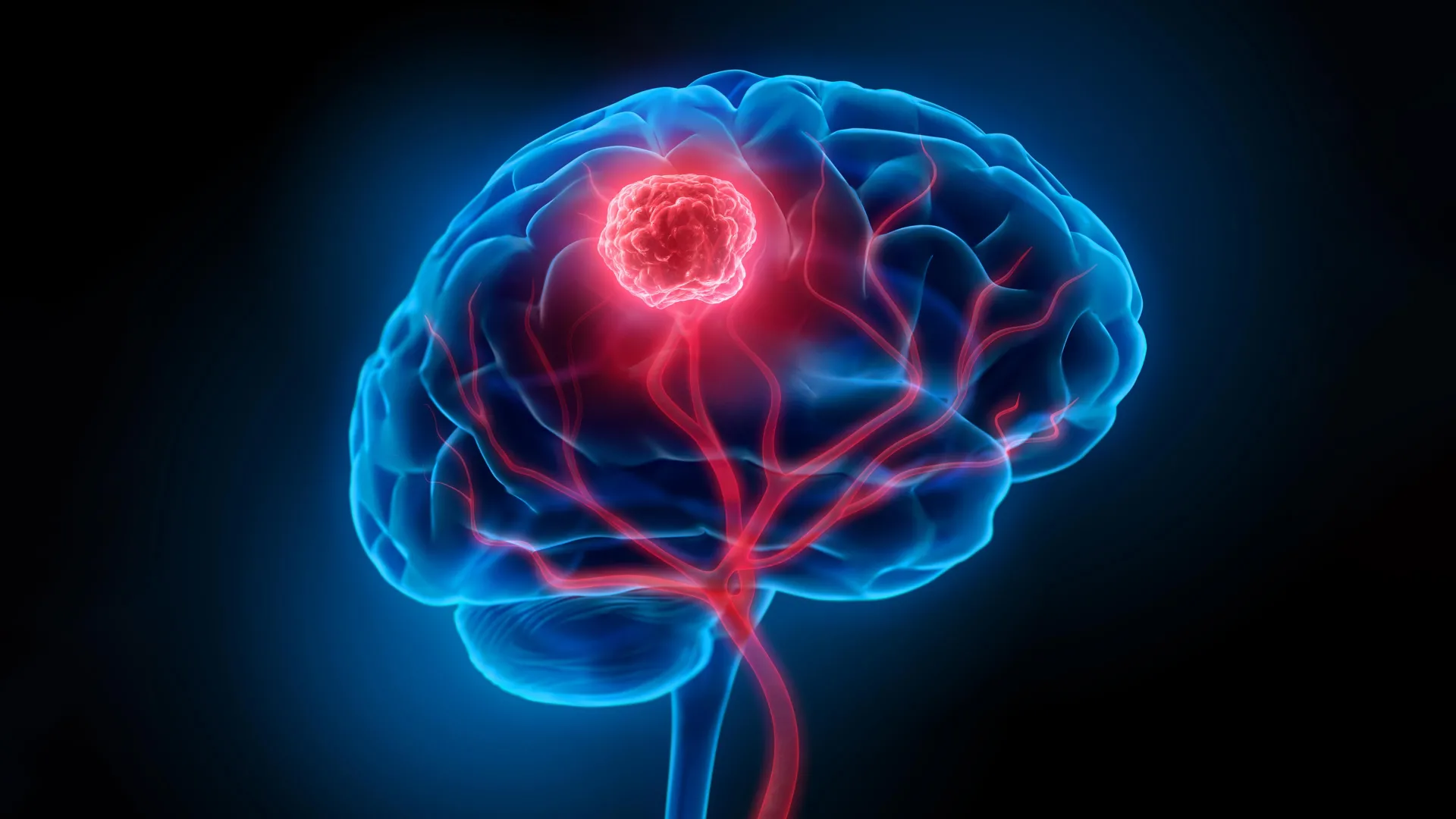
For more than a century, the primary objective of oncology has been the systematic destruction of malignant cells through increasingly potent means. From the advent of early radiation to the precision of modern chemotherapy and the biological complexity of immunotherapy, the philosophy has remained largely unchanged: cancer is an enemy to be annihilated. However, a groundbreaking study emerging from the Advanced Centre for Treatment, Research and Education in Cancer (ACTREC) at the Tata Memorial Centre in Mumbai, India, suggests that this adversarial approach may be overlooking a more sustainable path to recovery. Led by Professor Indraneel Mittra, the Dr. Ernest Borges Chair in Translational Research, a team of scientists is proposing a radical paradigm shift—transitioning from the "killing" of cancer cells to the "healing" of the biological environment that sustains them.
This research, recently published in the journal BJC Reports, focuses on one of the most lethal and treatment-resistant forms of human cancer: glioblastoma multiforme (GBM). By utilizing a simple, inexpensive combination of two common nutraceuticals—resveratrol and copper—the researchers have demonstrated the ability to alter the fundamental biology of brain tumors in a matter of days, potentially turning aggressive malignancies into a more benign, manageable state.
The Philosophical Shift: Cancer as a Non-Healing Wound
The theoretical foundation of Professor Mittra’s work traces back to 1986, when Dr. Harold Dvorak published a seminal article in the New England Journal of Medicine titled "Tumors: Wounds That Do Not Heal." Dvorak observed that the physiological processes involved in tumor growth—angiogenesis, cell proliferation, and the remodeling of the extracellular matrix—mirrored the body’s natural response to injury. However, while a standard wound eventually heals and ceases its inflammatory activity, a tumor remains in a state of perpetual, pathological "repair."
Professor Mittra’s team has spent years building upon this hypothesis. They argue that the aggression of cancer is not merely a product of the cells themselves, but a result of a toxic cycle of cell death and inflammation. When cancer cells die—whether naturally or due to treatment—they release fragments of DNA and chromatin into the surrounding environment. These fragments, known as cell-free chromatin particles (cfChPs), are taken up by neighboring healthy and cancerous cells, triggering a cascade of inflammation and further genetic instability. This cycle, Mittra suggests, is what prevents the "wound" of cancer from ever closing.
Clinical Methodology and the Glioblastoma Challenge
Glioblastoma presents a formidable challenge for any therapeutic intervention. As a Grade IV primary brain tumor, it is characterized by rapid growth, extensive infiltration into healthy brain tissue, and a high rate of recurrence. The current "gold standard" of care, known as the Stupp protocol, involves surgical resection followed by concurrent radiotherapy and chemotherapy (temozolomide). Despite these intensive interventions, the median survival rate for glioblastoma patients remains a sobering 15 months, with a five-year survival rate of less than 10%.
In the ACTREC study, researchers sought to determine if a "gentle" intervention could interrupt the aggressive biology of GBM before surgery even took place. The study enrolled 20 patients diagnosed with glioblastoma. The experimental group consisted of ten patients who were administered a tablet containing a combination of resveratrol (a polyphenol found in grapes) and copper (a trace mineral). The dosage was administered four times daily over a period of approximately 11.6 days leading up to their scheduled neurosurgery. A control group of ten patients with similar tumor profiles received no such pre-operative intervention.
Following the surgical removal of the tumors, the research team performed an exhaustive analysis of the excised tissue. They utilized a suite of advanced diagnostic tools, including high-resolution microscopy, immune-staining, immunofluorescence, and transcriptome analysis—a method of studying the full range of messenger RNA molecules expressed by the tumor’s genes.
The Mechanism of Action: Resveratrol and Copper Synergy
The core of the treatment’s efficacy lies in a specific chemical reaction between resveratrol and copper. Previous laboratory studies conducted by Mittra’s group revealed that when these two substances interact, they act as a catalyst for the generation of oxygen radicals. While "oxygen radicals" are often viewed negatively in the context of aging, in this specific therapeutic application, they serve a vital purpose: they deactivate and destroy the cell-free chromatin particles (cfChPs) circulating in and around the tumor.
By eliminating these cfChPs, the resveratrol-copper (R-Cu) combination effectively "mops up" the inflammatory debris that typically fuels tumor progression. The results observed in the brain tissue samples were significant. In the untreated control group, the tumor tissue was saturated with cfChPs, indicating a high level of ongoing cellular stress and inflammation. In contrast, the tissue from patients who had taken the R-Cu tablets showed a near-total absence of these particles.
Furthermore, the study found that the R-Cu treatment encouraged a process known as apoptosis—programmed cell death. Unlike necrosis (uncontrolled cell death), which causes cells to burst and spill inflammatory contents, apoptosis is a "clean" way for the body to remove damaged cells. By shifting the tumor’s mode of cell death from necrosis to apoptosis, the treatment prevented the release of more cfChPs, effectively breaking the cycle of malignancy.
Striking Data: Downregulating Immune Checkpoints
Perhaps the most significant finding of the study involves the impact of R-Cu on immune checkpoints. In the modern era of oncology, immune checkpoint inhibitors (ICIs) like Pembrolizumab (Keytruda) and Nivolumab (Opdivo) have become the vanguard of treatment. These drugs work by blocking proteins like PD-1, PD-L1, and CTLA-4, which cancer cells use to "hide" from the immune system.
However, these pharmaceutical inhibitors come with two major drawbacks: extreme cost—often exceeding $100,000 per course of treatment—and the potential for severe, sometimes life-threatening autoimmune side effects.
The ACTREC study revealed that the simple R-Cu tablet naturally downregulated the activity of several of these key immune checkpoints. The transcriptome analysis showed a marked decrease in the expression of markers that tumors use to suppress the immune response. By lowering these "shields" without the use of toxic drugs, the R-Cu combination may allow the body’s own immune system to recognize and attack the tumor more effectively.
"The fact that a non-toxic, low-cost nutraceutical can influence the same pathways as some of the world’s most expensive drugs is a finding of immense clinical and economic importance," the researchers noted in their analysis.
Chronology of Research and Development
The journey to this clinical breakthrough has been decades in the making.
- 1986: Dr. Harold Dvorak publishes the "wound that never heals" theory, providing the conceptual spark for a non-destructive approach to cancer.
- Early 2000s: Professor Indraneel Mittra begins investigating the role of cell-free DNA and chromatin in systemic diseases, moving beyond the traditional focus on the cell nucleus.
- 2010–2020: Mittra’s team at ACTREC conducts extensive in vitro (cell culture) and in vivo (animal model) studies, discovering that the combination of resveratrol and copper creates a pro-oxidant effect that specifically targets extracellular chromatin.
- 2022–2023: The clinical trial for glioblastoma patients is conducted, marking one of the first times this nutraceutical strategy is tested on a highly aggressive human brain tumor in a pre-operative setting.
- 2024: The findings are published in BJC Reports, sparking international dialogue on the potential for "healing" tumors.
Economic and Global Health Implications
The implications of Professor Mittra’s findings extend far beyond the laboratory. In many parts of the world, including India and other developing nations, the cost of modern cancer care is prohibitive. Even in wealthy nations, the financial toxicity of cancer treatment—where patients face bankruptcy due to medical bills—is a growing crisis.
Resveratrol and copper are widely available, off-patent, and extremely inexpensive to produce. If larger clinical trials confirm the results of this preliminary study, it could democratize access to effective cancer stabilization therapies. The researchers emphasize that the R-Cu tablet did not produce any observable side effects in the participants, a sharp contrast to the debilitating nausea, hair loss, and immunosuppression associated with conventional chemotherapy.
"We have been trying to kill cancer cells for 2,500 years… without success," Professor Mittra stated. "Maybe it is time to look at cancer treatment differently and work towards healing tumors, rather than annihilating them."
Analysis of Limitations and Future Prospects
While the results are undeniably striking, the medical community maintains a stance of cautious optimism. The primary limitation of the study is its sample size; ten treated patients and ten controls constitute a "proof-of-concept" phase rather than a definitive clinical validation. Critics and peer reviewers often point out that the blood-brain barrier (BBB) remains a significant obstacle for many compounds, though the ACTREC study suggests that the R-Cu mechanism is effective enough to manifest measurable changes in brain tumor biology within a very short timeframe.
The next logical step for the Mumbai team is a Phase II/III large-scale randomized controlled trial. Such a study would follow patients over several years to determine if the pre-operative "healing" of the tumor translates into longer overall survival and delayed recurrence. There is also the question of whether this approach could be used as a long-term maintenance therapy, potentially keeping cancer in a "benign" or dormant state indefinitely.
A Potential Transformation in Oncology
The work of Professor Indraneel Mittra and his colleagues at the Tata Memorial Centre represents a bold challenge to the status quo of oncology. By viewing cancer not as an invasive parasite but as a biological system trapped in a cycle of injury and failed repair, they have opened a new door for therapeutic intervention.
The idea that the "wound" of cancer can be coaxed into healing through the targeted elimination of inflammatory chromatin particles is a compelling evolution of Dr. Dvorak’s original 1986 insight. As the global medical community continues to grapple with the rising costs and toxicities of conventional treatments, the prospect of a simple, non-toxic tablet offering a "gentle strategy" for the world’s most feared cancers is a beacon of hope.
If these findings are replicated in larger populations, the "Mumbai Protocol" could mark the beginning of a new era—one where the goal of medicine is not just to survive the treatment of cancer, but to truly heal from the disease. For now, the ten patients in the study stand as a testament to the possibility that the path to a cure may lie not in the strength of our poisons, but in our ability to restore the body’s natural balance.
