
 By admin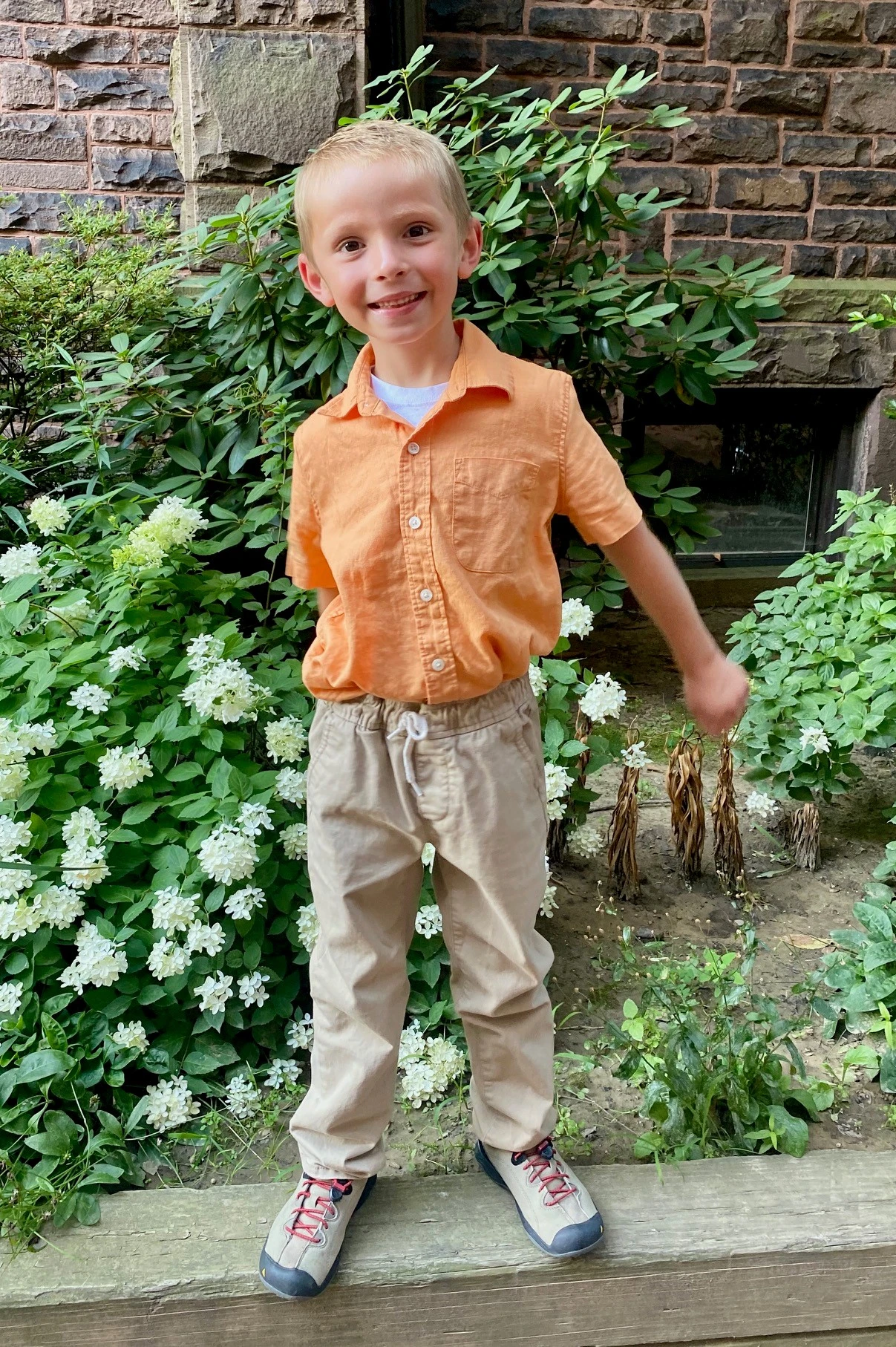
The transition into the fourth grade is a traditional milestone for American elementary students, usually marked by new backpacks and the excitement of organized sports. However, for the Gray family, this academic year carried a profound emotional weight that transcended typical childhood anticipation. Patricia Gray stood in the hallway of her children’s school during a "Meet the Teacher" night in late 2024, confronted by a poignant realization written by her daughter, Natalie. On an assignment regarding her feelings about the upcoming year, Natalie wrote that while she was excited for basketball, she felt a deep sadness because starting fourth grade represented the final step in surpassing every milestone ever reached by her older brother, Nathan.
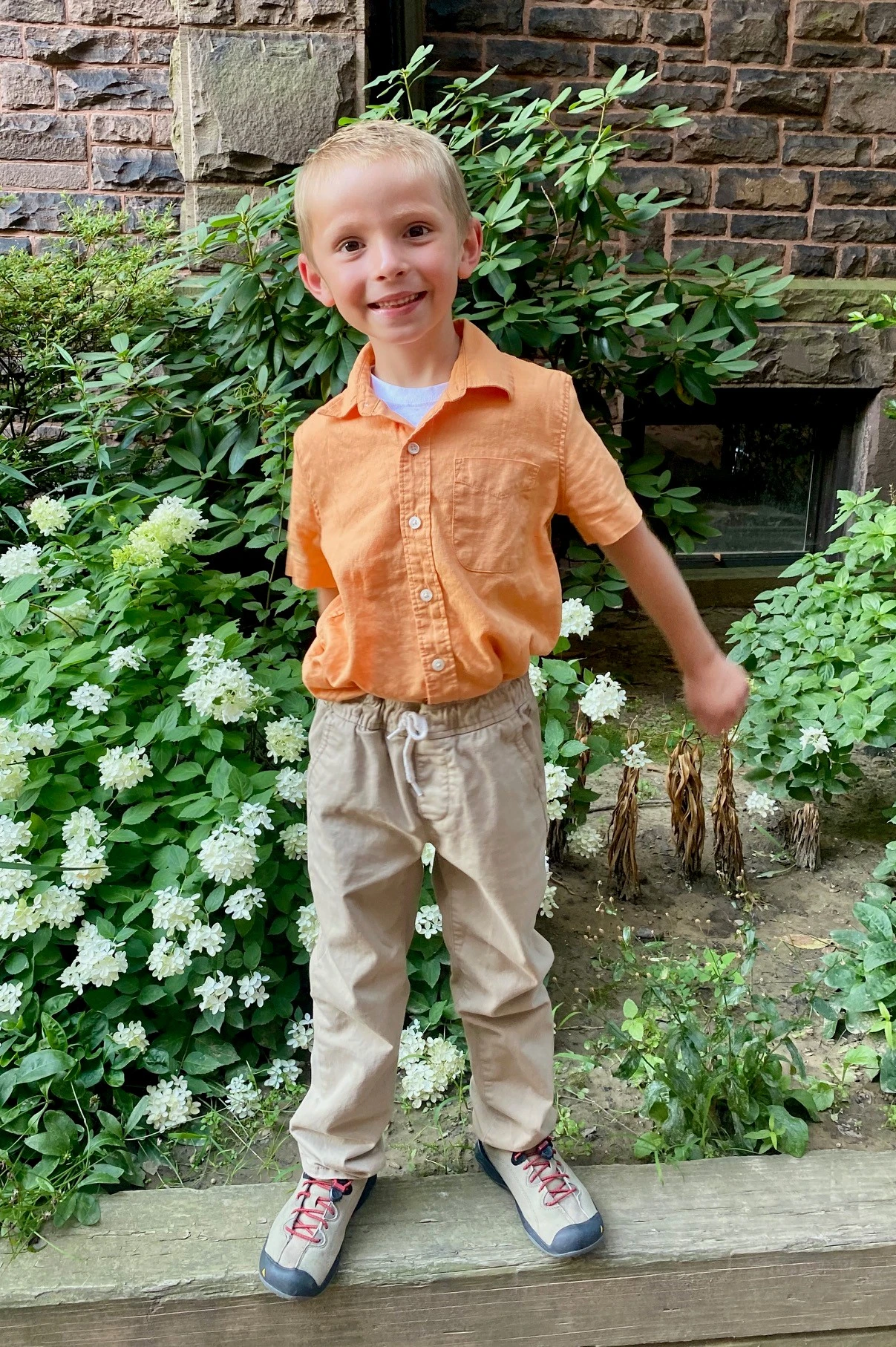
Nathan Gray died in January 2022 at the age of eight, following a protracted battle with a rare and aggressive form of kidney cancer known as Wilms tumor. Because Nathan’s formal education was cut short during his third-grade year, Natalie’s entry into the fourth grade served as a stark reminder of the life her brother was unable to live. This personal moment of grief has since become the catalyst for a major national fundraising effort, resulting in over $1 million raised for pediatric cancer research. The Gray family’s journey highlights a critical gap in medical research funding and the pivotal role that private philanthropy plays in developing treatments for rare pediatric malignancies.
The Clinical Presentation and Diagnostic Challenges of Wilms Tumor
Nathan’s medical journey began when he was two years old, characterized by a series of intermittent high fevers. According to clinical records and parental testimony, these symptoms were initially dismissed by primary care physicians. The phenomenon of "diagnostic overshadowing" or the dismissal of early cancer symptoms in children is a documented challenge in pediatric oncology. Patricia Gray recalls being told that Nathan was "too happy to be sick" and was encouraged to stop monitoring his temperature so closely.
However, the persistence of the cyclical fevers eventually led the family to an emergency department, where a severely low blood count necessitated an immediate transfusion. Subsequent imaging and biopsies confirmed a diagnosis of Wilms tumor, or nephroblastoma. Wilms tumor is the most common type of kidney cancer in children, accounting for approximately 90% of pediatric renal tumors. While the overall five-year survival rate for localized Wilms tumor is high—often cited at upwards of 90% due to advancements in multi-modal therapy—the prognosis shifts dramatically if the disease relapses or presents with unfavorable histology.

For Nathan, the initial prognosis was optimistic. He completed a rigorous treatment protocol and remained in remission for two years. However, in May 2019, routine surveillance imaging revealed that the cancer had returned, with metastatic lesions discovered in both of his lungs. This development moved his case into the "very high-risk relapsed" category, where the statistical probability of survival drops to approximately 20%.
A Chronology of Treatment and Community Resilience
The battle against relapsed Wilms tumor is often a marathon of high-intensity medical interventions. Over the course of six years, Nathan Gray received care at some of the nation’s premier medical institutions, including Geisinger Medical Center, the Children’s Hospital of Philadelphia (CHOP), and Memorial Sloan Kettering Cancer Center (MSK). His treatment regimen was exhaustive, involving multiple rounds of high-dose chemotherapy, surgical resections, and radiation therapy.
During this period, the family’s local community in Pennsylvania became a vital support network. In a demonstration of solidarity, local law enforcement and fire departments organized caravans to pass by the Gray residence. Community events were frequently characterized by the presence of the color orange—Nathan’s favorite—which became a local symbol for pediatric cancer awareness.
Despite the best efforts of his oncology teams, the medical community faced a significant hurdle: a lack of novel therapeutic options. Because pediatric cancers are considered "rare" compared to adult cancers, they often receive a disproportionately small share of federal research funding. The National Cancer Institute (NCI) allocates approximately 4% of its annual budget to pediatric cancer research across all types of childhood malignancies. This leaves a massive funding gap that must be filled by private organizations and individual donors. By late 2021, Nathan’s family and doctors had exhausted all standard-of-care treatments and available clinical trials. Nathan passed away on January 6, 2022.
The Shift to Advocacy: The Dr. Michael V. Ortiz Clinical Trial
In the years following Nathan’s death, Patricia Gray sought to channel her grief into a tangible mission. This led to a formal partnership with the Children’s Cancer Research Fund (CCRF), a national nonprofit dedicated to funding the most promising research in the field of pediatric oncology. The family chose to direct their efforts toward the work of Dr. Michael V. Ortiz, a pediatric oncologist at Memorial Sloan Kettering who had been part of Nathan’s care team.
Dr. Ortiz is currently the principal investigator for a multi-center clinical trial specifically targeting very high-risk relapsed Wilms tumor. The trial focuses on a new drug that aims to inhibit the growth of tumor cells that have become resistant to traditional chemotherapy. For many years, the treatment for relapsed Wilms tumor had remained stagnant, relying on intensified versions of older drugs that often caused severe long-term side effects in survivors.
The Gray family’s involvement provided the necessary momentum to expand this research. In October 2024, the family attended the Forbes | SHOOK Top Advisor Summit, an annual gathering of the nation’s leading financial professionals. Sharing Nathan’s story with an audience of nearly 1,000 attendees, the Grays highlighted the urgent need for private investment in pediatric drug development. The presentation resulted in $1 million in immediate donations, a sum that has fundamentally altered the trajectory of Dr. Ortiz’s research.
Broader Impact and the Expansion of Pediatric Cancer Care
The $1 million infusion has allowed for a significant expansion of the clinical trial’s reach. Previously limited in scope due to budget constraints, the trial is now being implemented at eight additional high-profile medical sites across the United States:
- Atlanta, GA
- Boston, MA
- Chicago, IL
- Cincinnati, OH
- Los Angeles, CA
- Palo Alto, CA
- St. Louis, MO
- Washington, D.C.
This expansion is critical for several reasons. First, because relapsed Wilms tumor is rare, no single hospital sees enough patients to conduct a statistically significant study in a short timeframe. By opening the trial at eight new sites, researchers can enroll the necessary 21 patients more quickly, accelerating the path toward potential FDA approval. Second, it provides "geographical equity," allowing families across the country to access cutting-edge treatment without the added burden of traveling to New York City.
The trial represents a shift toward "precision medicine" in pediatric oncology. Rather than a one-size-fits-all approach, researchers are looking at the molecular drivers of Nathan’s specific type of cancer. If successful, this trial could establish a new standard of care for children who currently have no other options, potentially raising the survival rate for relapsed cases from the current 20% to a much higher margin.
Analysis of Implications: Philanthropy as a Driver of Medical Innovation
The story of Nathan Gray underscores a growing trend in the American healthcare landscape: the reliance on "venture philanthropy" to drive innovation in orphan diseases. In the absence of significant pharmaceutical industry investment—which often prioritizes adult cancers with larger "markets"—it is often the families of patients who must lead the charge for scientific progress.
The success of the Gray family in raising $1 million also highlights the power of narrative in philanthropy. By connecting the clinical realities of Wilms tumor with the relatable milestones of a fourth-grade classroom, they have managed to mobilize resources that the traditional grant-writing process might have taken years to secure.
Furthermore, the involvement of Natalie Gray, who donated her own "tooth fairy" and birthday money to her brother’s doctor, serves as a poignant reminder of the intergenerational impact of childhood cancer. The psychological toll on "glass children"—the siblings of chronically ill children—is a subject of increasing study in pediatric psychology. Natalie’s desire to fund a cure suggests that for many families, the "end" of a cancer battle is not the death of the patient, but the beginning of a lifelong commitment to ensuring other families do not suffer the same outcome.
As the 2024-2025 school year continues, the Gray family remains focused on the future. The clinical trials funded in Nathan’s name are currently enrolling patients, offering a beacon of hope for families diagnosed yesterday or tomorrow. While Nathan Gray did not live to see the fourth grade, his legacy is now codified in the protocols of eight major hospitals and the potential survival of dozens of children who will follow in his footsteps. The story of Nathan Gray is no longer just a narrative of loss; it is a documented case study in how personal tragedy can be leveraged to dismantle the barriers to pediatric medical advancement.
