
 By admin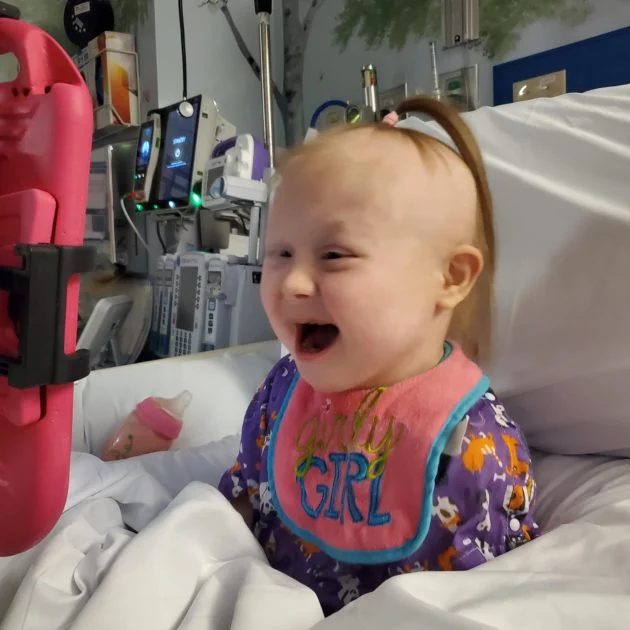
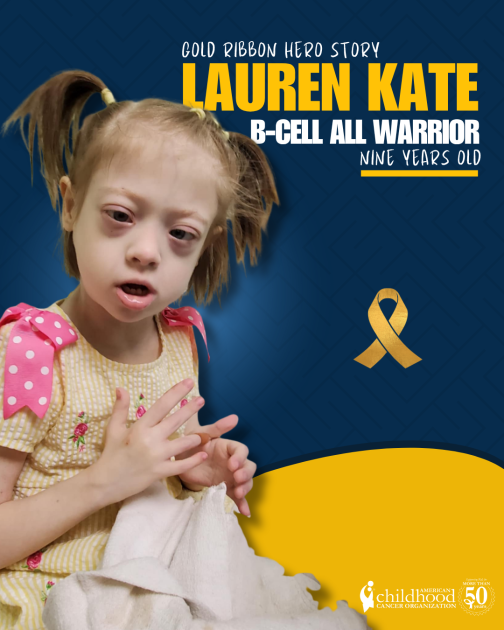
The intersection of pre-existing genetic conditions and sudden-onset life-threatening illness presents a unique set of challenges for pediatric patients and their families. Lauren Kate, a nine-year-old girl born with Down syndrome, recently became a central figure in this medical narrative following her diagnosis of B-Cell Acute Lymphoblastic Leukemia (ALL). Her journey, which began in earnest in September 2025, highlights the complexities of pediatric oncology, the critical role of specialized regional medical centers, and the profound resilience required of families navigating the American healthcare system.
The Onset of Symptoms and the Path to Diagnosis
The clinical progression of Lauren Kate’s condition began with subtle physiological changes that initially appeared as general malaise. Her family observed that the usually vibrant nine-year-old was experiencing atypical levels of exhaustion and a noticeable shift in her baseline behavior. The most alarming clinical sign, however, was the emergence of significant lymphadenopathy—large, palpable bumps beneath her neck. These symptoms, while non-specific, are often the primary indicators of hematologic irregularities in pediatric patients.
Recognizing the urgency of these developments, Lauren’s mother sought immediate consultation with their primary care physician. The diagnostic process moved with a speed characteristic of pediatric oncology protocols. Initial blood work revealed an abnormal white blood cell count, a finding that necessitated an immediate referral to East Tennessee Children’s Hospital in Knoxville. On September 23, 2025, following a battery of rapid-response testing, the family received the definitive diagnosis: B-Cell Acute Lymphoblastic Leukemia.
The diagnosis of ALL-B Cell represents a significant shift for any family, but for a child already navigating the developmental nuances of Down syndrome, the news added a layer of medical complexity. Medical professionals at East Tennessee Children’s Hospital immediately initiated a multidisciplinary approach to stabilize the patient and prepare for an intensive, multi-year treatment regimen.
The Biological Link: Down Syndrome and Leukemia
The case of Lauren Kate is illustrative of a well-documented but complex biological correlation within pediatric medicine. Children with Down syndrome, or Trisomy 21, possess a significantly higher statistical predisposition to developing certain forms of leukemia compared to the general population. Research suggests that children with Down syndrome have a roughly 20-fold increased risk of developing Acute Lymphoblastic Leukemia.
The genetic underpinnings of this correlation are rooted in the extra copy of chromosome 21, which carries genes involved in the regulation of blood cell production and tumor suppression. While the prognosis for ALL in children with Down syndrome has improved drastically over the last several decades, these patients often require carefully calibrated chemotherapy doses. This is due to a heightened sensitivity to certain chemotherapeutic agents, such as methotrexate, which can lead to increased toxicity if not managed by specialized oncologists. Lauren’s status as a "warrior" in this context refers not only to her personal courage but to her body’s endurance through these specialized medical interventions.
Chronology of Treatment and Clinical Interventions
Following the September 2025 diagnosis, Lauren Kate entered the "induction" phase of treatment, the primary goal of which is to achieve clinical remission. This period is characterized by aggressive intervention and frequent hospitalization. To date, Lauren’s medical journey has included several critical procedures:
- Port-a-Cath Insertion: To facilitate the frequent administration of chemotherapy and the drawing of blood samples, a port was surgically implanted. This device reduces the trauma associated with repeated needle sticks and provides a stable point of access for long-term treatment.
- Lumbar Punctures: Lauren has undergone multiple lumbar punctures, also known as spinal taps. These procedures are vital in pediatric ALL treatment to ensure the leukemia cells have not crossed the blood-brain barrier into the central nervous system. During these procedures, chemotherapy is often injected directly into the cerebrospinal fluid as a prophylactic or therapeutic measure.
- Bone Marrow Aspirates and Biopsies: To monitor the efficacy of the treatment, Lauren has endured bone marrow procedures. These involve extracting marrow from the hip bone to analyze the percentage of "blast" cells (leukemia cells) remaining in the body.
- Systemic Chemotherapy: Lauren has received multiple rounds of intravenous and oral chemotherapy. These drugs are designed to target and destroy rapidly dividing cancer cells throughout the body.
The physical toll of these procedures is matched by the logistical burden on the family. Countless days away from home, spent in the sterile environment of a hospital wing, represent a total disruption of the domestic and educational routines essential for a nine-year-old’s development.
Understanding B-Cell Acute Lymphoblastic Leukemia (ALL)
Acute Lymphoblastic Leukemia is the most common form of childhood cancer, accounting for approximately 25% of all cancer diagnoses in children under the age of 15. The "B-Cell" designation refers to the specific type of white blood cell affected. In a healthy body, B-cells are responsible for producing antibodies to fight infection. In a patient with ALL, the bone marrow produces an overabundance of immature B-cells, known as lymphoblasts, which crowd out healthy red blood cells, white blood cells, and platelets.
The broader statistical landscape for ALL offers a measure of hope. Modern medical advancements have pushed the five-year survival rate for pediatric ALL to approximately 90%. However, the treatment is a marathon rather than a sprint, often lasting between two and three years. For Lauren Kate, the focus remains on the "consolidation" and "maintenance" phases of her protocol, which aim to eliminate any residual microscopic cancer cells that could lead to a relapse.
The Role of East Tennessee Children’s Hospital
The referral of Lauren Kate to East Tennessee Children’s Hospital underscores the importance of regional centers of excellence in pediatric care. As a specialized facility, it provides access to pediatric-specific hematologists, oncologists, nurses, and child life specialists who are trained to handle the unique physiological and emotional needs of young patients.
In the Appalachian region, such institutions serve as critical hubs for families who might otherwise have to travel hundreds of miles to access life-saving care. The hospital’s ability to conduct rapid-response testing and initiate chemotherapy within hours of a diagnosis is a key factor in the positive outcomes observed in modern pediatric oncology.
Psychosocial Impacts and the Importance of Normalcy
While the clinical aspects of Lauren Kate’s story are defined by needles and laboratory results, her personal life remains anchored by the pursuit of childhood joy. Her affinity for the television program "Bubble Guppies" and her close relationship with her sister, Emma, serve as essential anchors to her identity outside of her diagnosis.
Medical experts increasingly recognize that "play" and family connection are not merely distractions but are integral to the holistic healing process. For a child with Down syndrome, maintaining a sense of routine and social engagement is particularly vital for cognitive and emotional stability. Emma’s role in Lauren’s journey reflects the "glass child" phenomenon—a term used to describe siblings of chronically ill children who often have to navigate their own emotional challenges while their parents focus on the immediate needs of the sick child. The family’s ability to rally around Lauren, ensuring she remains "vibrant and fun-loving" despite her circumstances, is a testament to their internal strength.
Broader Implications and Advocacy
The story of Lauren Kate has been highlighted by the American Childhood Cancer Organization (ACCO), an entity dedicated to providing resources and advocacy for families affected by pediatric malignancies. Her case serves as a call to action for increased funding and research into childhood cancer, which remains the leading cause of death by disease for children in the United States.
There are several systemic implications highlighted by cases like Lauren’s:
- Research Parity: Despite the prevalence of childhood cancer, pediatric oncology research receives a disproportionately small fraction of federal cancer research funding compared to adult cancers. Advocates argue that more specific research into the link between Down syndrome and leukemia could unlock new targeted therapies that are less toxic than traditional chemotherapy.
- Economic Strain: The financial impact of childhood cancer on families is immense. Between medical bills, travel costs, and lost wages as parents become full-time caregivers, many families face significant economic instability.
- Long-term Survivorship: As survival rates improve, the medical community is turning its focus to the "late effects" of treatment. Survivors of pediatric ALL may face long-term challenges related to heart health, cognitive function, and secondary cancers, necessitating lifelong medical surveillance.
Conclusion
The journey of Lauren Kate is a poignant reminder of the fragility and strength inherent in the human experience. From the initial shock of the September 23 diagnosis to the grueling reality of chemotherapy and bone marrow biopsies, her story is one of a "warrior" in the truest sense. As she continues her treatment at East Tennessee Children’s Hospital, supported by her sister Emma and her dedicated parents, Lauren remains a symbol of the thousands of children currently fighting similar battles.
The medical community continues to look toward a future where treatments are more targeted and less invasive, particularly for those with genetic predispositions like Down syndrome. Until then, the support of organizations like the ACCO and the resilience of families like Lauren’s remain the bedrock of the fight against childhood cancer. Her vibrant spirit, even in the face of B-Cell Acute Lymphoblastic Leukemia, underscores the necessity of a healthcare system that treats not just the disease, but the child.
