
 By Billy Candra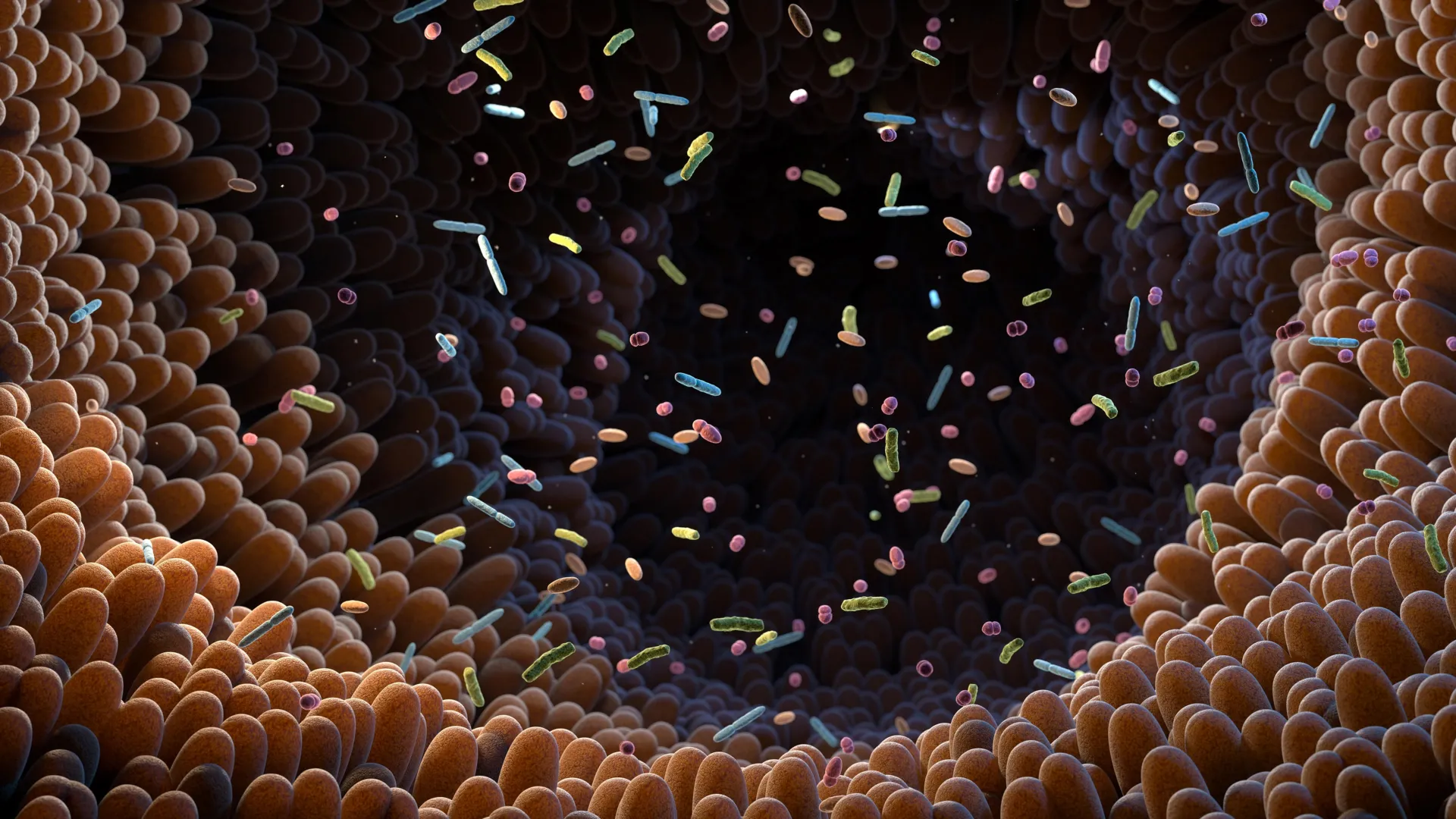
Cardiovascular diseases (CVDs) stand as an unparalleled global health challenge, claiming nearly 20 million lives each year and cementing their position as the leading cause of death worldwide. While the long-established culprits — genetic predispositions, sedentary lifestyles, poor dietary choices, smoking, hypertension, diabetes, and hyperlipidemia — are well-documented contributors to a person’s heart health, scientific inquiry has increasingly turned its gaze towards a microscopic, yet profoundly influential, community residing within us: the gut microbiome. These billions of microorganisms, often collectively referred to as the "second genome," are now understood to exert an important, and perhaps pivotal, influence on the development and progression of coronary artery disease (CAD), though the intricate details of their exact roles have, until recently, remained shrouded in mystery.
Recent advancements in molecular biology and computational analysis have begun to illuminate the complex interplay between the gut microbiome and host physiology. Evidence suggests that the gut microbiome may promote CAD through a diverse array of biological pathways, influencing critical processes such as systemic inflammation, lipid metabolism, and glucose regulation in ways that directly impact arterial health. The gut-heart axis, a burgeoning field of study, proposes a bidirectional communication network where microbial metabolites, toxins, and even whole bacteria can cross the gut barrier and exert systemic effects on the cardiovascular system. However, the crucial questions of which specific bacterial species are responsible for these effects — and precisely how they contribute to disease progression or, conversely, offer protection — have largely remained unanswered, representing a significant gap in our understanding of CVD pathogenesis.
Mapping Microbes in Coronary Artery Disease: A Breakthrough from Seoul
Against this backdrop of scientific ambition and public health urgency, researchers in Seoul have embarked on a mission to unravel this profound mystery, offering a significant leap forward in our understanding. Publishing their groundbreaking work in the esteemed scientific journal mSystems, a dedicated team led by Dr. Han-Na Kim, Ph.D., from the Samsung Advanced Institute for Health Sciences and Technology at Sungkyunkwan University, conducted an in-depth examination of how gut microbes interact with the cardiovascular system. Dr. Kim’s vision for the research, as she explained, moved beyond mere cataloging: "We’ve gone beyond identifying ‘which bacteria live there’ to uncovering what they actually do in the heart-gut connection." This statement underscores a critical paradigm shift in microbiome research, moving from correlational observations to functional mechanistic insights, which is essential for translating discoveries into clinical applications.
To achieve this high-resolution functional mapping, the team employed a sophisticated methodology. They meticulously analyzed fecal samples obtained from 14 individuals diagnosed with CAD, comparing them to samples from 28 healthy participants, carefully matched for relevant demographic factors to minimize confounding variables. The core of their analytical approach was metagenomic sequencing, a powerful and comprehensive technique that allows for the identification of all DNA within a sample, rather than relying on culture-based methods or targeted gene sequencing. This method enabled the researchers not only to identify the diverse array of microbial species present but also to reconstruct the genetic makeup of individual microbes and, crucially, infer their metabolic capabilities and functional pathways. From this rigorous analysis, the researchers successfully identified a distinct set of 15 bacterial species robustly linked to CAD and, more importantly, meticulously mapped the specific biological pathways that connect these identified microbes to the severity of the disease. This represents a significant advancement, moving beyond general associations to pinpointing specific microbial players and their functional contributions to cardiovascular pathology.
The Evolution of Microbiome Research and its Link to CVD
The recognition of the gut microbiome’s role in human health is a relatively recent, yet rapidly accelerating, field. For decades, microbiology largely focused on pathogenic bacteria and infectious diseases. However, the advent of culture-independent molecular techniques in the late 20th and early 21st centuries revolutionized our understanding, revealing the immense diversity and critical functions of commensal microbes. Initial studies in the early 2000s began to hint at connections between gut dysbiosis (an imbalance in the microbial community) and chronic conditions, including obesity, inflammatory bowel disease, and autoimmune disorders.
The specific link between the gut microbiome and cardiovascular disease began to solidify in the early 2010s with the discovery of the Trimethylamine N-oxide (TMAO) pathway. Researchers identified that certain gut bacteria metabolize dietary choline and L-carnitine (found in red meat and dairy) into trimethylamine (TMA), which is then absorbed into the bloodstream and oxidized in the liver to TMAO. Elevated TMAO levels were subsequently correlated with an increased risk of atherosclerosis, heart attack, and stroke. This groundbreaking discovery provided a concrete mechanistic link, propelling the gut-heart axis into the forefront of cardiovascular research. The Seoul study builds upon this foundation by identifying a broader spectrum of microbial species and functional pathways beyond TMAO, offering a more holistic view of microbial involvement.
Inflammation, Imbalance, and Microbial Shifts: A Detailed Picture
Dr. Kim’s team’s findings paint a vivid and concerning picture of the gut ecosystem in individuals afflicted with CAD. As she elucidated, "Our high-resolution metagenomic map shows a dramatic functional shift toward inflammation and metabolic imbalance, a loss of protective short-chain fatty acid producers, such as Faecalibacterium prausnitzii, and an overactivation of pathways, such as the urea cycle, linked to disease severity." This statement encapsulates several critical insights.
Firstly, the observation of a "dramatic functional shift toward inflammation" is particularly salient. Chronic low-grade inflammation is a well-established driver of atherosclerosis, the underlying cause of CAD. The gut microbiome can modulate systemic inflammation through various mechanisms, including the production of pro-inflammatory bacterial components (e.g., lipopolysaccharides, LPS) that can translocate across a compromised gut barrier, or by influencing the host immune system. The study suggests that in CAD patients, the microbial community is structured in a way that actively promotes an inflammatory state, exacerbating the progression of arterial plaque formation.
Secondly, the "metabolic imbalance" highlighted by the researchers points to a disruption in the normal biochemical processes crucial for cardiovascular health. The gut microbiome plays a vital role in host metabolism, influencing nutrient absorption, energy harvest, and the synthesis of various metabolites. An imbalance here can lead to dyslipidemia, insulin resistance, and other metabolic derangements that are potent risk factors for CAD.
Thirdly, the "loss of protective short-chain fatty acid producers, such as Faecalibacterium prausnitzii," is a significant finding. Short-chain fatty acids (SCFAs), primarily acetate, propionate, and butyrate, are beneficial metabolites produced by gut bacteria through the fermentation of dietary fiber. Butyrate, in particular, is known for its anti-inflammatory properties, its role in maintaining gut barrier integrity, and its positive effects on host metabolism. F. prausnitzii is a prominent and well-regarded butyrate producer, often associated with a healthy gut and protection against inflammatory conditions. Its reduction in CAD patients strongly implies a diminished capacity for microbial anti-inflammatory and gut-protective functions, further tilting the balance towards disease.
Finally, the "overactivation of pathways, such as the urea cycle, linked to disease severity" offers another critical mechanistic insight. The urea cycle is primarily involved in detoxifying ammonia in the liver. However, gut bacteria can also contribute to ammonia production, which can then be converted to urea. Dysregulation of the urea cycle and increased ammonia/urea production have been implicated in various disease states, including kidney disease and, increasingly, cardiovascular conditions. An overactive urea cycle, potentially driven by specific microbial activities, could indicate increased metabolic stress and contribute to systemic toxicity, indirectly impacting cardiovascular health. These shifts collectively provide a compelling explanation for why the gut microbiome plays such a strong and multifaceted role in cardiovascular disease.
When "Good" Bacteria Turn Harmful: The Paradox of Context
One of the most surprising and thought-provoking revelations from the Seoul study was the discovery that bacteria typically considered beneficial can, under certain conditions, seemingly turn harmful. Microbes like Akkermansia muciniphila and F. prausnitzii, often lauded as "friendly" species and subjects of intense research for their probiotic potential, appeared to act differently depending on whether they originated from a healthy or a diseased gut environment. A. muciniphila, for instance, is known for its role in strengthening the gut barrier and has been linked to improved metabolic health. Yet, in the context of CAD, its presence or activity might be altered, or its interactions with other microbes might lead to deleterious effects.
Dr. Kim aptly highlighted the significance of this dual nature: "This dual nature highlights how context can transform even protective microbes into contributors to disease." This finding underscores the immense complexity of the gut ecosystem, where the overall community structure, the presence of specific co-factors, and the host’s physiological state can profoundly influence the functional outcome of individual microbial species. It challenges the simplistic classification of bacteria as purely "good" or "bad" and emphasizes the need for a more nuanced understanding of microbial ecology and host-microbe interactions in disease.
The results also further illuminated the inherent complexity in linking specific bacteria to disease outcomes. Earlier research, often relying on broader taxonomic classifications, had reported that certain species within the family Lachnospiraceae decrease in people with CAD, suggesting a protective role for this group. However, Dr. Kim’s team, utilizing the high-resolution power of metagenomics, found a more intricate picture: while some Lachnospiraceae species might indeed decline, other species within the same family actually increased in abundance in CAD patients. This finding led Dr. Kim to muse, "Lachnospiraceae may be the Dr. Jekyll and Mr. Hyde of the gut." This vivid analogy perfectly captures the perplexing reality that some types within a bacterial family appear beneficial, contributing to host health, while others may exacerbate disease. The critical, and currently unanswered, question that emerges from this discovery is: "The big unanswered question now is which strains are the healers, and which are the troublemakers." This emphasizes the urgent need for strain-level resolution in microbiome research, moving beyond species identification to understanding the specific genetic variations within a species that dictate its functional impact.
Toward Precision Microbial Medicine: The Future of Prevention
The implications of this research are far-reaching, pointing towards a future where the gut microbiome could become a central pillar of personalized medicine, particularly in the realm of cardiovascular health. The researchers in Seoul are already laying the groundwork for the next phase of their ambitious project: combining the detailed microbial data they have generated with comprehensive host genetic and metabolic information. This integrative "multi-omics" approach aims to construct an even more complete picture of how gut microbes influence heart disease at a mechanistic level, identifying the precise molecular pathways and host responses that are modulated by microbial activity.
The long-term goal of this research is profoundly impactful: to develop precision-based treatments that leverage microbial insights to prevent cardiovascular disease before it even begins. Dr. Kim unequivocally emphasized that prevention represents "the most promising approach to lowering the global impact of heart disease." Given the enormous societal and economic burden of CVD, a preventive strategy rooted in microbial understanding could revolutionize public health.
Potential strategies emerging from these insights are diverse and innovative. They could include the development of microbial therapies, such as highly targeted probiotics containing specific "healer" strains identified through research, or prebiotics designed to selectively foster the growth of beneficial bacteria. Fecal microbiota transplantation (FMT), a procedure already used for recurrent Clostridioides difficile infection, might also be explored, albeit with extreme caution and rigorous standardization, for specific cardiovascular indications. Furthermore, the findings open avenues for novel diagnostic tools, such as stool-based diagnostic screening, which could identify individuals at high risk for CAD years before symptoms manifest, based on their unique gut microbiome signature. Dietary interventions, precisely tailored to an individual’s microbial profile, could also be designed to restore beneficial bacteria, inhibit harmful microbial pathways, or reduce the production of detrimental metabolites. For example, personalized dietary recommendations could focus on increasing fiber intake to boost SCFA production or reducing specific substrates that feed pro-inflammatory bacteria.
The challenges, however, are substantial. The complexity of the gut microbiome, with its thousands of species and millions of genes, demands sophisticated analytical tools and robust clinical trials. The concept of "personalized nutrition" based on microbial profiles is still in its infancy, requiring a deeper understanding of cause-and-effect relationships rather than mere correlations. Moreover, the ethical and regulatory frameworks for microbial therapies are still evolving.
Nevertheless, by meticulously uncovering the specific bacterial species and biological mechanisms involved in the gut-heart axis, scientists like Dr. Kim and her team are moving closer to harnessing the immense power of the gut microbiome as a transformative tool for maintaining and restoring heart health. This research represents not just a scientific discovery, but a beacon of hope for a future where cardiovascular disease, the world’s deadliest foe, can be proactively managed, and potentially prevented, through the hidden wisdom of our inner microbial world.
