
 By Billy Candra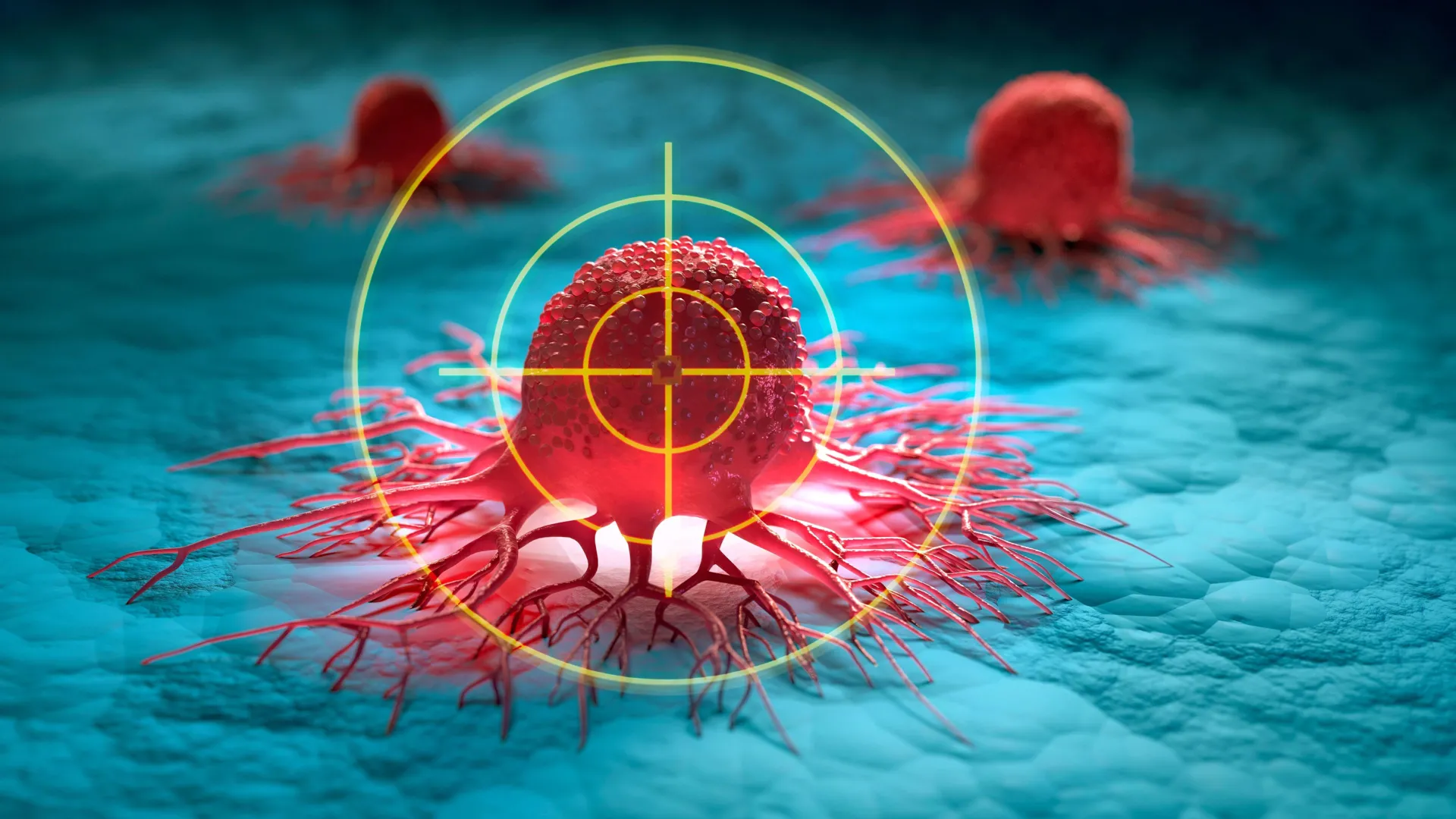
A groundbreaking experimental immunotherapy, developed by scientists at the Icahn School of Medicine at Mount Sinai, is poised to redefine the treatment landscape for metastatic cancer. Diverging from conventional strategies that directly target malignant cells, this novel approach strategically focuses on the supportive cellular infrastructure surrounding and protecting tumors. This paradigm shift, leveraging the very defenses of cancer as a pathway for therapeutic intervention, offers a promising new direction, particularly for advanced solid tumors that have historically proven recalcitrant to existing treatments.
A Novel Strategy Against Metastatic Disease
The research, detailed in the January 22 online issue of Cancer Cell, a Cell Press Journal, showcases the efficacy of this strategy in aggressive preclinical models of metastatic ovarian and lung cancer. These findings suggest a significant leap forward in addressing the complexities of advanced solid tumors, which are responsible for the vast majority of cancer-related mortalities globally. Metastatic disease, characterized by the spread of cancer cells from the primary tumor to distant organs, presents formidable challenges due to its systemic nature, heterogeneity, and propensity to evade conventional therapies. Current immunotherapies, while revolutionary for some cancers, often struggle to penetrate the protective barriers erected by solid tumors.
The core of this innovative therapy is inspired by the ancient tale of the Trojan horse. Instead of attempting a direct assault on the fortified cancer cells, the treatment ingeniously infiltrates the tumor by targeting tumor-associated macrophages (TAMs). These immune cells, paradoxically, often act as guardians for cancer cells within the tumor microenvironment (TME). By effectively disarming these protective cells, the therapy opens the tumor to attack, enabling the body’s own immune system to mount a potent and destructive response against the cancer.
The Intricate Defense Mechanisms of Solid Tumors
Metastatic disease remains the predominant cause of cancer-related deaths, with solid tumors such as lung and ovarian cancer posing particularly difficult therapeutic challenges. Despite significant advancements in oncology, the five-year survival rates for metastatic lung and ovarian cancers remain distressingly low, often in the single-digit to low double-digit percentages, underscoring the urgent need for more effective interventions. The primary hurdle, as identified by the Mount Sinai researchers, lies in the tumor’s remarkable ability to suppress immune activity within its immediate vicinity, thereby creating a formidable immunological barrier that shields cancer cells from immune surveillance and attack.
"What we commonly refer to as a tumor is, in reality, a complex ecosystem comprising cancer cells intricately surrounded by various other cells that nourish and protect them. It functions much like a formidable walled fortress," explains Dr. Jaime Mateus-Tique, lead study author and a faculty member in Immunology and Immunotherapy at the Icahn School of Medicine at Mount Sinai. "In our previous efforts with immunotherapy, we consistently encountered the same fundamental obstacle: our inability to breach the defenses provided by this fortress’s guards. This led us to a pivotal question: what if we could redirect these guards, transforming them from protectors into allies, and subsequently leverage them as a gateway to introduce a destructive force directly within the fortress?" This philosophical shift in strategy underpins the ingenuity of the new approach.
Understanding the Role of Tumor-Associated Macrophages (TAMs)
The "guards" Dr. Mateus-Tique refers to are tumor-associated macrophages (TAMs). In healthy physiological contexts, macrophages are essential early responders of the innate immune system, playing critical roles in fighting infections, clearing cellular debris, and facilitating tissue repair. However, within the aberrant microenvironment of a tumor, these same versatile cells undergo a profound reprogramming. Instead of executing their beneficial immune functions, TAMs are coerced by the tumor to adopt roles that actively suppress anti-tumor immune responses, promote tumor growth and angiogenesis (new blood vessel formation), and even aid in the metastatic spread of the disease to distant sites. This subversion of immune cells represents a significant mechanism by which tumors evade eradication.
The Mount Sinai team’s therapeutic design is meticulously crafted to selectively eliminate these tumor-reprogrammed macrophages while critically preserving the integrity and function of healthy macrophages elsewhere in the body. This selective targeting is crucial to avoid widespread immune suppression or other systemic side effects. By achieving this specific removal, the treatment fundamentally alters the tumor’s immune landscape, transitioning the microenvironment from an immune-suppressed state, which fosters cancer growth, to an immune-active state, conducive to tumor eradication.
Chronology of Immunotherapy and the Genesis of CAR T-Cells
The development of this novel therapy stands on the shoulders of decades of immunology research. The concept of harnessing the immune system to fight cancer dates back over a century, with early pioneers like William Coley observing tumor regressions after bacterial infections. However, it wasn’t until the late 20th and early 21st centuries that immunotherapy began to realize its full potential. The discovery of immune checkpoints and the subsequent development of checkpoint inhibitors revolutionized cancer treatment in the early 2010s, offering durable responses for a subset of patients.
Concurrently, research into adoptive cell therapies gained momentum. Chimeric Antigen Receptor (CAR) T-cell therapy emerged as a particularly promising avenue. The foundational work for CAR T-cells began in the late 1980s, with significant preclinical advancements throughout the 1990s and 2000s. The first CAR T-cell therapies received FDA approval in 2017 for specific blood cancers (leukemia and lymphoma), marking a watershed moment in personalized medicine. These therapies involve extracting a patient’s own T-cells, genetically engineering them in the lab to express a CAR that recognizes a specific protein on cancer cells, expanding these modified cells, and then reinfusing them back into the patient.
Despite their remarkable success in hematological malignancies, CAR T-cell therapies have faced considerable challenges in translating their efficacy to solid tumors. The primary obstacles include the difficulty in identifying suitable, universally expressed cancer-specific targets on solid tumor cells, the physical barriers presented by the dense tumor stroma, and critically, the highly immunosuppressive microenvironment orchestrated by TAMs and other stromal cells. The Mount Sinai research, published on January 22nd in Cancer Cell, represents a crucial evolutionary step in CAR T-cell therapy, specifically addressing the Achilles’ heel of solid tumors: their protective microenvironment.
Reengineering CAR T-Cells for a Strategic Strike
The therapy ingeniously re-engineers CAR T-cells, which are patient-derived immune cells designed to recognize and destroy cancer. Traditional CAR T treatments are engineered to directly identify and kill cancer cells based on specific surface markers. However, for many solid tumors, identifying unique, consistently expressed cancer targets that are not also present on healthy tissues has been a persistent challenge, limiting the applicability of these therapies. To circumvent this critical limitation, the Mount Sinai researchers redirected the CAR T-cells to target tumor macrophages instead of the cancer cells themselves. This is a crucial distinction, shifting the therapeutic focus from the primary target to its crucial support system.
Further enhancing their strategic impact, the team modified these CAR T-cells to act as localized drug delivery systems. They were engineered to release interleukin-12 (IL-12), a potent immune-stimulating cytokine known for its ability to activate killer T-cells and natural killer (NK) cells, thereby augmenting the overall anti-tumor immune response. IL-12 has historically been a challenging therapeutic agent due to its systemic toxicity when administered broadly. By having the CAR T-cells deliver IL-12 precisely within the tumor microenvironment, the researchers aimed to maximize its localized effect while minimizing systemic side effects.
The results in preclinical models were compelling. When mice afflicted with aggressive metastatic lung and ovarian cancer were treated with these engineered armored macrophage-targeted CAR T-cells, the outcomes were dramatic. The treated animals demonstrated significantly extended survival, living months longer than their untreated counterparts. Remarkably, a substantial proportion of the treated mice achieved complete and durable cures, signifying the potential for long-term remission or eradication of disease.
Reshaping the Tumor Environment: An Antigen-Independent Approach
To unravel the intricate mechanisms underlying the therapy’s success within the tumors, the researchers employed advanced spatial genomics techniques. These cutting-edge analyses provided unprecedented insights into the cellular and molecular changes occurring in the tumor microenvironment. The findings revealed that the treatment profoundly transformed the tumor ecosystem. It effectively cleared out immune-suppressing cells, particularly the TAMs, and simultaneously orchestrated the recruitment and activation of various immune cells, including cytotoxic T lymphocytes (killer T cells), which are essential for cancer cell destruction.
This fundamental shift in the tumor microenvironment is particularly significant because it renders the therapy largely ‘antigen-independent’. Unlike traditional CAR T-cell therapies that rely on identifying specific, unique markers on cancer cells, this approach targets a common and abundant component of the tumor microenvironment – macrophages. This broad applicability means the strategy could potentially be deployed against a wide array of different cancers, including those that have shown poor responses to conventional immunotherapies due to a lack of suitable direct targets or an overwhelmingly immunosuppressive environment. The consistent efficacy observed in both metastatic lung and ovarian cancer models further underscores its potential as a broadly applicable and transformative treatment modality.
"Macrophages are ubiquitous within nearly every type of tumor, frequently outnumbering the actual cancer cells. Their presence is not coincidental; the tumor actively recruits and manipulates them to serve as a protective shield," states Dr. Brian Brown, senior author of the study, Director of the Icahn Genomics Institute, Vice Chair of Immunology and Immunotherapy, Associate Director of the Marc and Jennifer Lipschultz Precision Immunology Institute, and Mount Sinai Professor of Genetic Engineering. "What makes our discovery so incredibly exciting is that our treatment effectively converts these critical cells from actively protecting the cancer into actively participating in its destruction. We have, in essence, transformed a foe into a powerful ally." This statement encapsulates the core innovation and potential impact of the research.
Implications for the Future of Cancer Therapy
The implications of this research are profound. By shifting the focus from directly attacking cancer cells to neutralizing their protective support system, the Mount Sinai team has opened a new therapeutic avenue. This "indirect" approach could overcome some of the most stubborn challenges in solid tumor oncology, including tumor heterogeneity and the lack of universal cancer-specific antigens. If successful in human trials, this therapy could offer hope to patients with advanced metastatic cancers who have exhausted other treatment options.
Furthermore, the concept of engineering immune cells to locally deliver potent immune modulators like IL-12 represents a significant advancement in targeted drug delivery. It offers a way to harness the therapeutic power of cytokines while mitigating their often severe systemic toxicities. This could pave the way for a new generation of "armed" or "armored" cell therapies that are not only precise in their targeting but also potent in their localized effector functions.
The potential economic and logistical implications are also considerable. While CAR T-cell therapies are currently very expensive and complex to manufacture, advancements in gene editing and cell manufacturing technologies are continuously striving to reduce costs and improve accessibility. An antigen-independent approach could streamline the development process for new indications, potentially broadening the market and encouraging further investment in these innovative therapies.
The Road Ahead: From Preclinical Success to Clinical Translation
Despite the highly encouraging preclinical results, the researchers are careful to emphasize that further studies in human subjects are absolutely essential to ascertain the therapy’s safety profile and clinical efficacy for patients. The current findings, while robust, should be viewed as a crucial "proof of concept" rather than an immediate cure. The transition from successful animal models to human clinical trials is a complex and rigorous process, fraught with numerous challenges.
"This research unequivocally establishes a novel methodology for treating cancer," states Dr. Brown. "By specifically targeting tumor macrophages, we have provided compelling evidence that it is indeed possible to eliminate cancers that have proven refractory to other forms of immunotherapy."
The Mount Sinai team is now diligently refining the approach, with a particular focus on precisely controlling the spatial and temporal release of IL-12 within tumors in ongoing mouse models. Their immediate goal is to optimize the therapy’s impact and efficacy while rigorously maintaining its safety as it progresses closer to potential human clinical testing. Beyond metastatic lung and ovarian cancer, the researchers envision this innovative strategy forming the bedrock for future CAR T therapies that fundamentally reshape the tumor microenvironment by targeting its critical support cells, rather than solely focusing on the cancer cells themselves. This broader vision suggests a future where cancer treatment is not just about killing malignant cells, but also about re-educating the surrounding immune landscape to turn against the tumor.
The work was supported by significant funding from NIH grants (U01CA28408, R01CA254104), alongside contributions from the Alliance for Cancer Gene Therapy, the Feldman Family Foundation, and the Applebaum Foundation, underscoring the collaborative effort and substantial investment required for such pioneering research. The detailed authorship of the paper includes Jaime Mateus-Tique, Ashwitha Lakshmi, Bhavya Singh, Rhea Iyer, Alfonso R. Sánchez-Paulete, Chiara Falcomata, Matthew Lin, Gvantsa Pantsulaia, Alexander Tepper, Trung Nguyen, Angelo Amabile, Gurkan Mollaoglu, Luisanna Pia, Divya Chhamalwan, Jessica Le Berichel, Hunter Potak, Marco Colonna, Alessia Baccarini, Joshua Brody, Miriam Merad, and Brian D. Brown, reflecting a multidisciplinary team effort.
