
 By Suherman Candra Maholtra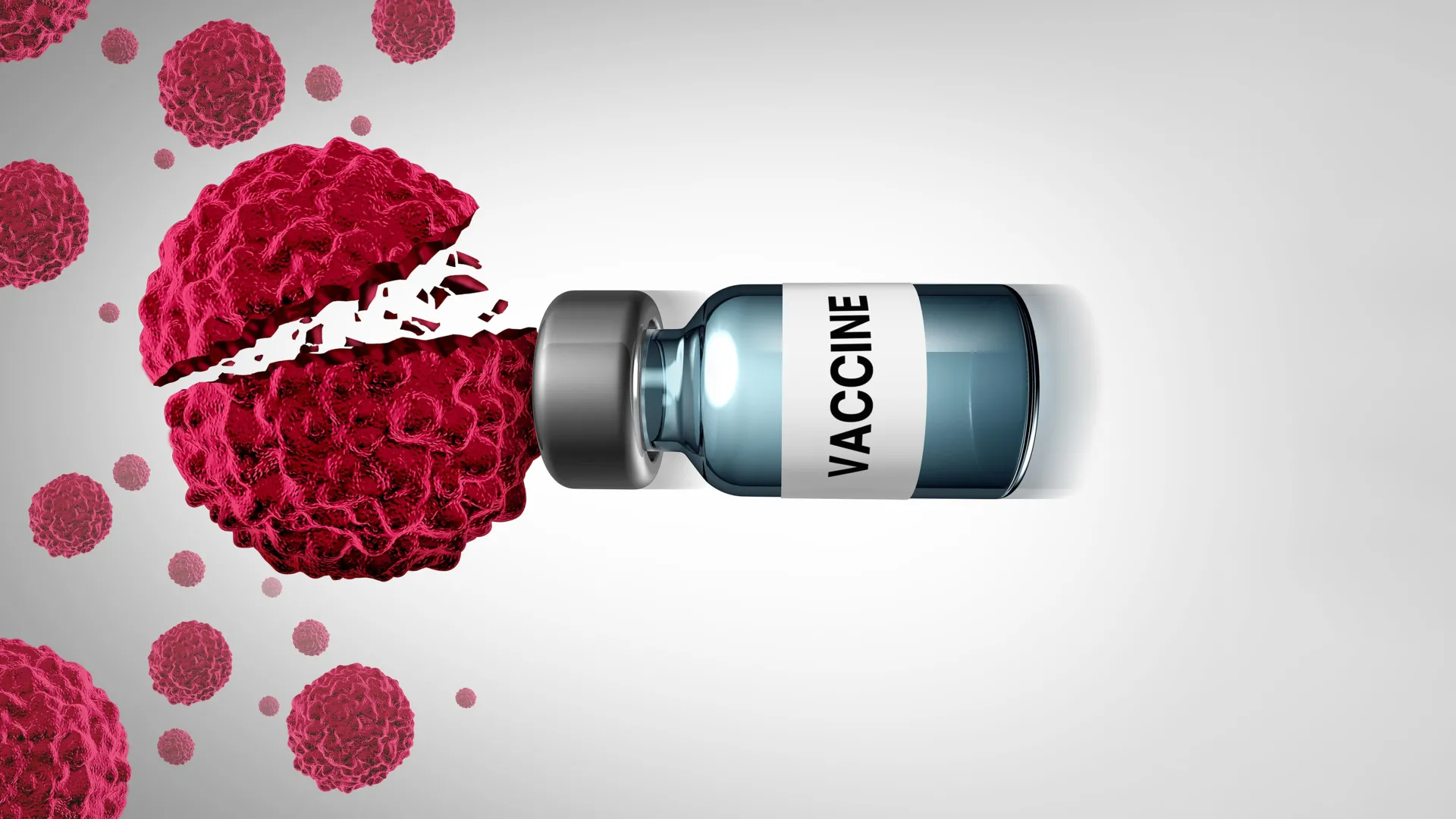
In a landmark study that could redefine the landscape of oncologic care, researchers from the University of Florida and the University of Texas MD Anderson Cancer Center have discovered that patients with advanced lung or skin cancer who received a COVID-19 mRNA vaccine shortly before or after beginning immunotherapy lived significantly longer than those who did not receive the vaccine. The findings, published on October 22 in the journal Nature, suggest that the messenger RNA technology used to combat the global pandemic may possess an inherent ability to "prime" the human immune system, making it more effective at recognizing and destroying malignant tumors.
The retrospective analysis, which examined the medical records of over 1,000 patients, revealed that the administration of an mRNA vaccine within a 100-day window of starting immune checkpoint inhibitor therapy was associated with a near doubling of median survival time in some cohorts. While the researchers emphasize that the study demonstrates an association rather than a definitive cause-and-effect relationship, the statistical significance of the data has prompted the design of a large-scale, randomized clinical trial to confirm the findings.
The Evolution of mRNA Technology in Oncology
To understand the magnitude of this discovery, it is essential to look at the decade-long trajectory of mRNA research. While the public became familiar with mRNA through the rapid development of COVID-19 vaccines in 2020, the technology was originally pioneered with oncology in mind. For years, scientists like Elias Sayour, M.D., Ph.D., a pediatric oncologist at UF Health and a senior author of the study, have explored how mRNA could be used to deliver instructions to the body’s immune system to target cancer cells.
Messenger RNA acts as a biological blueprint, providing cells with the instructions needed to produce specific proteins. In the context of a virus, the mRNA instructs cells to produce a harmless piece of the viral protein, which then trains the immune system to recognize the actual pathogen. In cancer research, the goal has traditionally been to create "personalized" vaccines that target specific mutations within a patient’s unique tumor.
However, a breakthrough occurred in July earlier this year when Sayour’s laboratory published findings suggesting that a "nonspecific" approach might be equally, if not more, effective. They discovered that simply stimulating the immune system with mRNA—similar to the way the body reacts to a viral infection—could trigger a broad antitumor response. This "nonspecific" activation appeared to "wake up" dormant immune cells, making them more aggressive toward cancer regardless of whether the mRNA was specifically coded for tumor antigens.
Analyzing the Data: Lung Cancer and Melanoma Results
The research team, led by first author Adam Grippin, M.D., Ph.D., a former UF trainee now at MD Anderson, sought to determine if the widely distributed COVID-19 mRNA vaccines produced a similar effect to the experimental nonspecific vaccines used in their lab. They analyzed data from patients treated for Stage 3 and 4 non-small cell lung cancer (NSCLC) and metastatic melanoma between 2019 and 2023.
The results for advanced lung cancer were particularly striking. The study tracked 180 patients who received a COVID-19 mRNA vaccine (either from Pfizer-BioNTech or Moderna) within 100 days of beginning immunotherapy, compared to 704 patients who did not receive the vaccine. The median survival for the vaccinated group was 37.3 months, compared to just 20.6 months for the unvaccinated group. This represents a nearly 80% increase in survival duration for patients facing some of the most difficult-to-treat forms of cancer.
In the cohort of 210 patients with metastatic melanoma, the trend remained consistent. The 43 patients who received the vaccine within the 100-day window saw their median survival increase from 26.7 months to a range of 30 to 40 months. Researchers noted that because some patients in the vaccinated group were still alive at the time the data were finalized, the final survival benefit could potentially be even higher.
Crucially, the study also analyzed patients who received traditional, non-mRNA vaccines for influenza or pneumonia. In these cases, there was no observed increase in longevity. This suggests that the survival benefit is unique to the mRNA platform and the specific way it interacts with the immune system, rather than a general effect of vaccination.
The Mechanism: mRNA as an Immunological "Flare"
The biological mechanism behind this phenomenon appears to involve a fundamental shift in how immune cells navigate the body. Immunotherapy drugs, such as pembrolizumab (Keytruda) or nivolumab (Opdivo), work by "releasing the brakes" on the immune system. These drugs, known as checkpoint inhibitors, block proteins that prevent T-cells from attacking cancer. However, many patients fail to respond to these drugs because their immune cells are "exhausted" or simply not present in sufficient numbers within the tumor environment.
According to Dr. Sayour, the mRNA vaccine acts as a "flare" or a biological signal that redirects the immune response. When the vaccine is administered, it triggers an innate immune reaction that mobilizes immune cells from "bad areas," such as the immunosuppressive environment of a tumor, to "good areas," like the lymph nodes. In the lymph nodes, these immune cells are reprogrammed and activated before returning to the tumor site with renewed vigor.
To confirm this theory, the UF team conducted laboratory experiments on mice. They combined immunotherapy drugs with an mRNA vaccine targeting the COVID-19 spike protein. The results mirrored the human data: the combination treatment successfully halted tumor growth in mice that had previously been resistant to immunotherapy alone. This reinforced the idea that the mRNA vaccine acts as a potent adjuvant, enhancing the efficacy of existing cancer drugs.
Expert Reactions and the Legacy of Operation Warp Speed
The discovery has drawn praise from across the scientific community. Jeff Coller, Ph.D., an mRNA expert and professor at Johns Hopkins University, pointed out that these findings are an unexpected dividend of the federal government’s Operation Warp Speed. While the initiative was designed to end the pandemic, the mass administration of mRNA vaccines has provided a massive, real-world data set that is now yielding insights into other diseases.
"The results from this study demonstrate how powerful mRNA medicines truly are and that they are revolutionizing our treatment of cancer," Coller said. He noted that the speed at which mRNA technology was deployed during the pandemic has effectively shaved years off the development timeline for cancer therapies.
Duane Mitchell, M.D., Ph.D., director of the UF Clinical and Translational Science Institute and a mentor to Dr. Grippin, highlighted the potential for these findings to change standard clinical practice. "Although not yet proven to be causal, this is the type of treatment benefit that we strive for and hope to see with therapeutic interventions—but rarely do," Mitchell stated. He emphasized the urgency of moving to prospective trials to ensure these benefits can be safely and reliably delivered to all patients.
Implications for a Universal Cancer Vaccine
The most profound implication of the study is the move toward a "universal, off-the-shelf" cancer vaccine. Currently, many experimental cancer vaccines are bespoke, requiring weeks of laboratory work to sequence a patient’s tumor and manufacture a custom mRNA strand. This process is expensive, time-consuming, and often inaccessible to patients with rapidly progressing disease.
If a nonspecific mRNA vaccine—or even a modified version of the COVID-19 vaccine—can provide a significant survival boost, it could be administered immediately upon diagnosis. This would create a "primed" environment for immunotherapy to succeed from day one. Dr. Sayour envisions a future where an even more optimized nonspecific vaccine could be used to mobilize and reset the immune response for a wide variety of cancers, not just lung and skin cancer.
"We could design an even better nonspecific vaccine to mobilize and reset the immune response, in a way that could essentially be a universal, off-the-shelf cancer vaccine for all cancer patients," Sayour said.
Future Research and Clinical Trials
The next phase of this research involves a large-scale clinical trial spearheaded by the OneFlorida+ Clinical Research Network. This consortium includes hospitals and clinics across Florida, Alabama, Georgia, Arkansas, California, and Minnesota, providing a diverse patient population for study.
Betsy Shenkman, Ph.D., who leads the OneFlorida+ consortium, noted that the goal is to translate these academic findings into "real-world" clinical settings. By conducting a randomized trial, researchers will be able to control for variables that might have influenced the retrospective data, such as the overall health of patients who chose to get vaccinated during the pandemic.
The study was supported by the National Cancer Institute and several private foundations. It is also worth noting the commercial potential of these findings; Sayour, Grippin, and Mitchell hold patents related to UF-developed mRNA vaccines, which are licensed to iOncologi Inc., a biotech spinout from the university.
As the medical community awaits the results of prospective trials, the current findings offer a glimmer of hope for patients with advanced malignancies. In a field where survival gains are often measured in weeks or months, the prospect of doubling survival time through a simple vaccination represents a potential paradigm shift. For patients with advanced lung and skin cancer, the intersection of pandemic-era innovation and oncology may have just provided the most valuable commodity of all: more time.
