
 By Suherman Candra Maholtra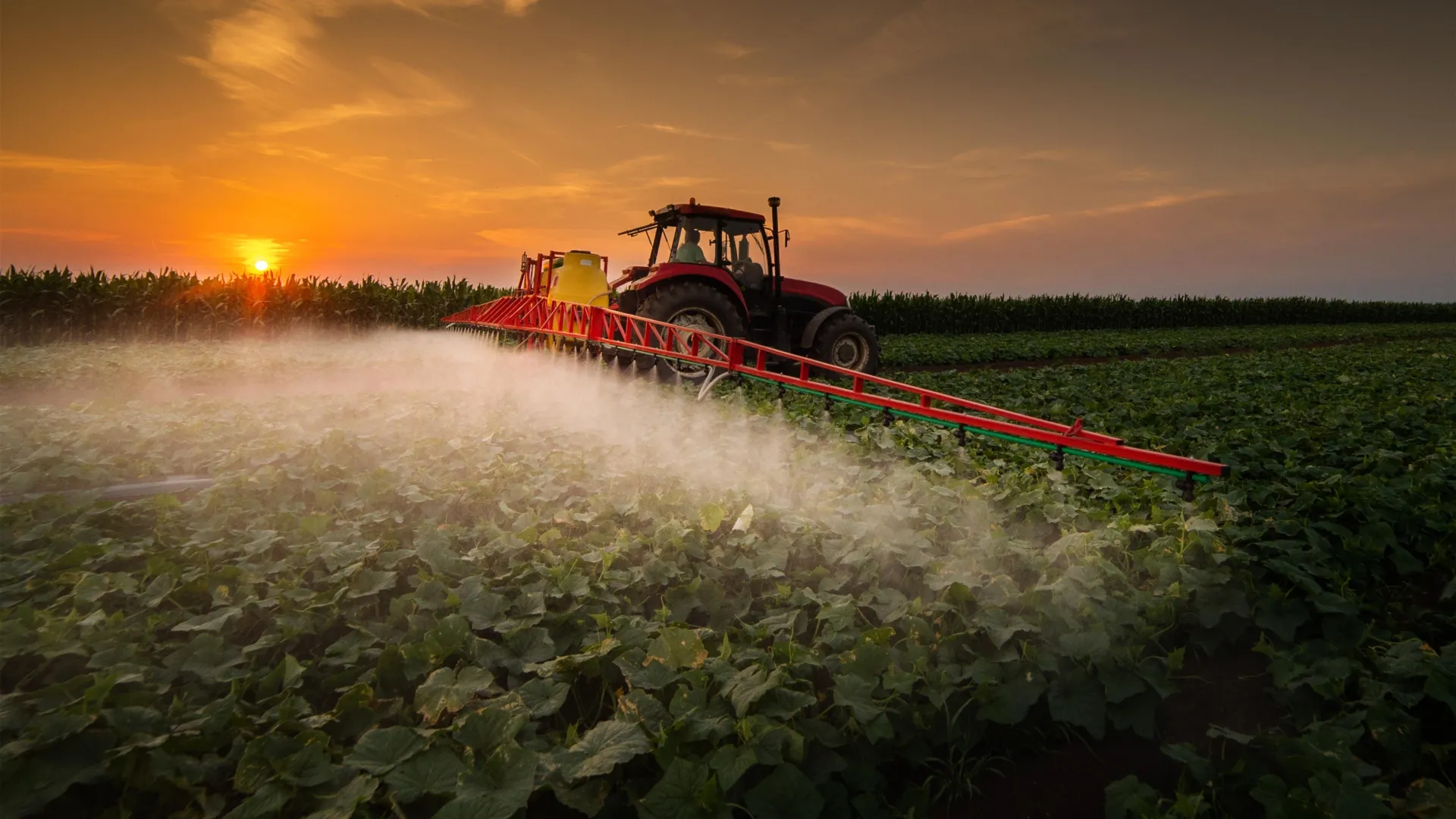
New research led by scientists at the Penn State Cancer Institute has identified a significant correlation between agricultural environments and increased rates of melanoma, the deadliest form of skin cancer. The study, which focused on the state of Pennsylvania, suggests that individuals living in or near counties with high levels of cultivated cropland and herbicide application face a notably higher risk of diagnosis than those in other regions. By reviewing comprehensive cancer registry data and adjusting for traditional risk factors such as ultraviolet (UV) radiation, the research team has opened a new dialogue regarding environmental exposure and public health in rural and semi-rural communities.
The findings, published on November 14 in the journal JCO Clinical Cancer Informatics, reveal a striking geographic disparity in cancer incidence. Researchers discovered that adults over the age of 50 residing in a specific 15-county cluster in South Central Pennsylvania were 57% more likely to be diagnosed with melanoma compared to residents in the rest of the state. This elevated risk persisted even when accounting for socioeconomic factors and varying levels of sunlight exposure, suggesting that the presence of agricultural chemicals and specific land-use patterns may be contributing factors.
Understanding the Geographic Disparity in South Central Pennsylvania
The study’s focal point was a 15-county region in South Central Pennsylvania, an area characterized by a mix of bustling urban centers and vast stretches of productive farmland. According to the research team, the elevated melanoma rates were not confined solely to rural outposts. Instead, the trend appeared across both rural and urban counties within this specific geographic block. This suggests that the risk factors involved are distributed across the landscape rather than being limited to those who work directly on farms.
Charlene Lam, an associate professor of dermatology at Penn State Health and a co-author of the study, emphasized that the traditional understanding of melanoma risk—primarily centered on sun exposure and recreational activities like beachgoing—may be incomplete. While UV radiation remains a primary driver of skin cancer, the Penn State data indicates that environmental factors inherent to agricultural regions are playing a secondary, yet significant, role. The study posits that the risk is not exclusive to farmers or outdoor laborers but extends to entire communities living in proximity to treated acreage.
The Correlation Between Cultivated Land and Disease Incidence
To reach their conclusions, the researchers analyzed Pennsylvania cancer registry data spanning a five-year period from 2017 through 2021. By mapping these diagnoses against land-use data, the team identified two consistent associations that remained statistically significant after rigorous analysis.
First, the amount of "cultivated cropland"—land dedicated to crops such as corn, soybeans, and wheat—showed a direct relationship with melanoma rates. The analysis determined that for every 10% increase in the proportion of cultivated land within a county, there was a corresponding 14% increase in melanoma cases.
Second, the study looked specifically at the use of herbicides. The data showed a similar pattern: a 9% increase in land treated with herbicides was associated with a 13% rise in melanoma incidence. These findings suggest that the intensity of agricultural activity, particularly the chemical management of crops, is a key indicator of community-level health risk.
Biological Mechanisms and Chemical Exposure
The link between agricultural chemicals and skin cancer is rooted in the biological effects these substances have on living organisms. Pesticides and herbicides are engineered to disrupt biological systems in weeds and pests, but these same mechanisms can have unintended consequences for human health.
Eugene Lengerich, emeritus professor of public health sciences at Penn State and the senior author of the paper, explained that certain chemicals used in farming can induce photosensitivity in humans. Photosensitivity makes the skin more susceptible to damage from UV rays, effectively lowering the threshold for sun-induced DNA damage. Furthermore, exposure to these chemicals can lead to oxidative stress, a process where unstable molecules damage cells and interfere with the body’s natural repair mechanisms.
Earlier research cited in the study has also indicated that certain agricultural chemicals can interfere with immune responses and directly damage DNA in both plant and animal models. When these factors are combined with the natural UV exposure present in Pennsylvania, the cumulative effect may be an environment that is more conducive to the development of malignant melanomas.
The Problem of Chemical Drift and Environmental Persistence
One of the most concerning aspects of the study is the implication that exposure is not limited to those who handle chemicals directly. Dr. Lam noted that agricultural substances do not stay confined to the fields where they are applied. Through a process known as "drift," chemicals can be carried by air currents into neighboring residential areas.
Additionally, these substances can settle into household dust, accumulate in local soil, and leach into groundwater or surface water sources. This creates multiple pathways for community-wide exposure. Residents who have never set foot in a cornfield or handled a sprayer may still be absorbing low doses of these chemicals through their environment. This "bystander exposure" is a critical component of the Penn State findings, shifting the focus of agricultural health from occupational safety to broader environmental policy.
Chronology and Methodology of the Penn State Research
The study represents a culmination of several years of data integration and analysis. The research team utilized the Pennsylvania Cancer Registry, which provides a comprehensive look at cancer diagnoses across the state’s 67 counties.
- Data Collection (2017–2021): The team gathered five years of verified melanoma diagnosis data, focusing on adults over the age of 50, a demographic traditionally at higher risk for skin cancer due to cumulative exposure.
- Land-Use Mapping: Using agricultural census data, the researchers mapped the density of cultivated cropland and herbicide application rates across the state.
- Statistical Adjustment: To ensure the findings were robust, the team adjusted for ultraviolet radiation levels using satellite data. They also factored in socioeconomic variables, such as income and access to healthcare, to rule out the possibility that the higher rates were simply a result of better screening or different lifestyles in wealthier areas.
- Publication (November 2024): The peer-reviewed findings were published in JCO Clinical Cancer Informatics, providing a foundation for future longitudinal studies.
Contextualizing the Findings: A Global Trend
The Penn State study does not exist in a vacuum. Similar trends have been observed in other agricultural hubs around the world. In the United States, researchers in Utah have previously noted higher skin cancer rates in farming communities. Internationally, studies in Poland and Italy have also suggested a link between pesticide exposure and increased melanoma risk.
These consistent global patterns reinforce the idea that the Pennsylvania data is not an anomaly but part of a larger, under-studied intersection between modern agriculture and oncology. By identifying South Central Pennsylvania as a hotspot, the Penn State team has provided a specific geographic area for targeted public health interventions and more granular environmental testing.
Analysis of Implications: A Signal for Future Action
While the study provides strong evidence of an association, the authors are careful to distinguish between correlation and causation. Benjamin Marks, the first author of the paper and a medical and public health student at the Penn State College of Medicine, characterized the findings as a "signal, not a verdict."
The data does not prove that a specific chemical used on a specific crop directly causes melanoma cells to form. Instead, it identifies a pattern that suggests the environment in these counties is contributing to higher disease rates. Many variables, including genetic predispositions and individual behaviors, still play a role. However, the strength of the statistical association—the 57% higher risk—is significant enough to warrant immediate attention from policymakers and environmental health experts.
The implications for the agricultural industry are complex. Herbicides are essential tools for modern crop yields, and the study does not call for an immediate ban on these substances. Instead, it suggests a need for better management of chemical drift and perhaps a re-evaluation of how close residential developments should be to high-intensity cropland.
The "One Health" Approach to Prevention
The study concludes by advocating for a "One Health" approach to public health. This philosophy recognizes that human health is inextricably linked to the health of animals and the shared environment. If the chemicals used to manage our food systems are impacting the biological integrity of the surrounding communities, the solution must be multi-disciplinary.
"Cancer prevention can’t happen in isolation," said Professor Lengerich. He argued that addressing this risk will require cooperation between the medical community, the agricultural sector, environmental scientists, and local government.
For residents in the affected 15-county area, the immediate advice remains grounded in traditional dermatology: routine skin checks, the use of sun-protective clothing, and the consistent application of sunscreen. However, the Penn State team is already moving into the next phase of research, which involves conducting field studies in rural communities to better understand specific exposure pathways. This future work aims to identify which specific farming practices or chemicals carry the highest risk, potentially leading to safer agricultural protocols that protect both the food supply and the people living nearby.
