
 By admin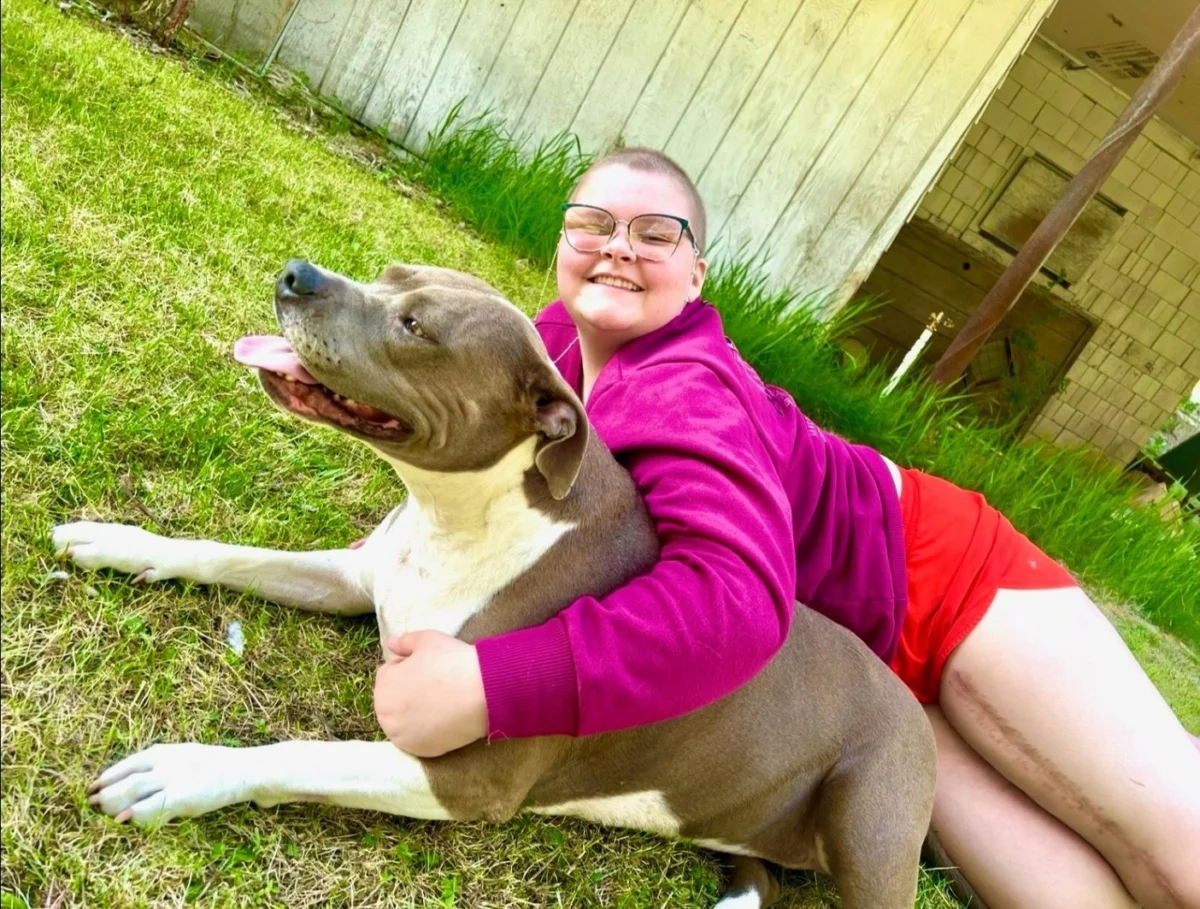
The final drop of chemotherapy sliding through an intravenous line often serves as the symbolic conclusion of a grueling battle for pediatric cancer patients. For 14-year-old Madelyn, that moment was marked by an immediate release of tension, a burst of dancing, and a physical embrace with her mother, Toni, and a family friend. To the casual observer, the ringing of the "end-of-treatment bell" signifies a return to normalcy. However, for many of the approximately 15,000 children and adolescents diagnosed with cancer each year in the United States, the cessation of active treatment is not the finish line, but rather the threshold of a complex and often isolating phase known as survivorship.
Madelyn’s journey through osteosarcoma—a rare and aggressive form of bone cancer—highlights the persistent physical and psychological hurdles that remain long after a patient is declared "cancer-free." Her experience underscores a growing realization within the medical community: while survival rates for pediatric cancers have improved significantly over the last four decades, the long-term "late effects" of treatment require a specialized, holistic approach to recovery that many families are left to navigate on their own.
The Clinical Genesis: From Sports Injury to Osteosarcoma Diagnosis
The trajectory of Madelyn’s illness began in the summer of 2024, a period characterized by the typical activities of an active teenager. As a member of her school’s softball team, Madelyn was practicing sliding techniques when she first reported persistent leg pain. In the context of youth athletics, such symptoms are frequently dismissed as minor musculoskeletal strains or "growing pains."
When the pain failed to subside after a month and escalated to a level that caused Madelyn to break down in tears, her mother sought medical intervention. A diagnostic X-ray revealed a significant tumor that had breached the cortex of her femur, the body’s longest and strongest bone. Subsequent biopsies confirmed a diagnosis of osteosarcoma.
Osteosarcoma accounts for about 3% of all childhood cancers. It most frequently occurs during the adolescent growth spurt, often appearing in the ends of long bones where new bone tissue forms. According to the National Cancer Institute, the five-year survival rate for localized osteosarcoma is approximately 70% to 75%, but the treatment protocol remains among the most intensive in oncology.
The Rigors of Treatment: Chemotherapy and Surgical Complications
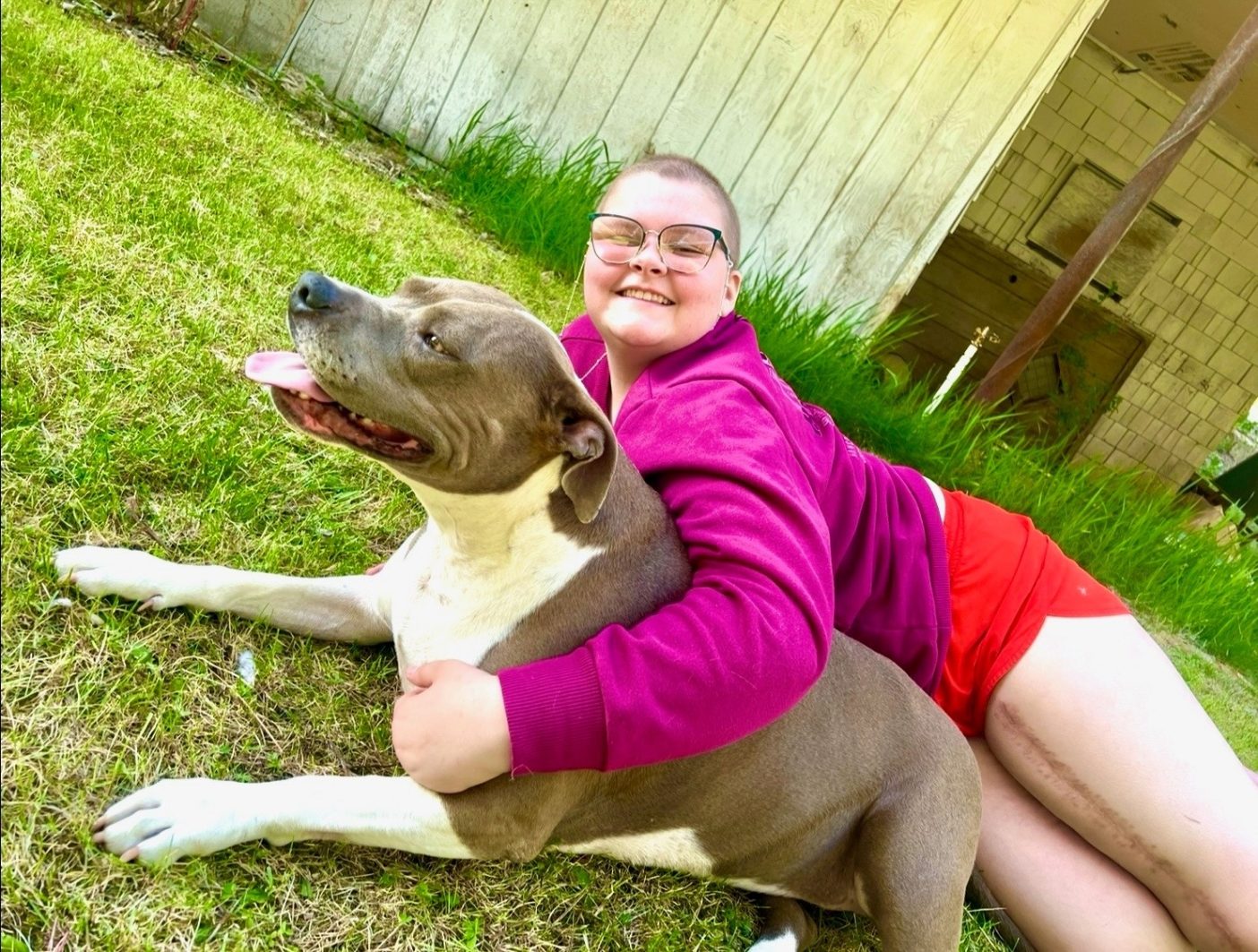
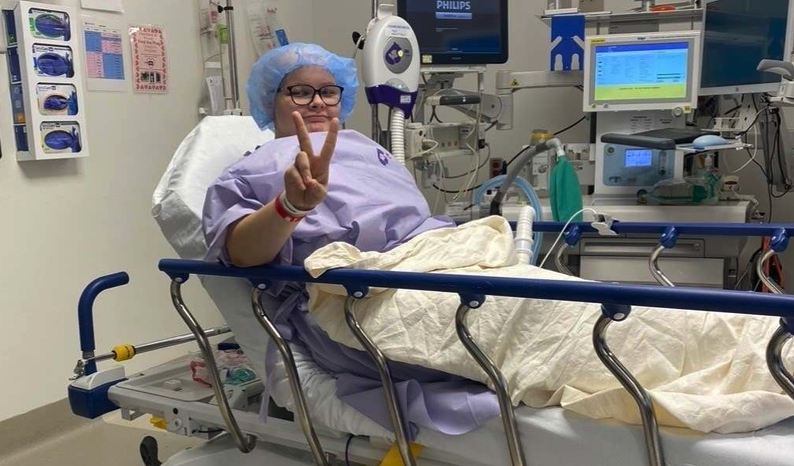
Madelyn’s clinical regimen involved 30 rounds of high-dose chemotherapy. The side effects were systemic and debilitating, involving months of severe nausea and alopecia. However, the surgical requirements of her case proved equally challenging. To avoid amputation, Madelyn underwent limb-salvage surgery, a procedure intended to replace the cancerous bone with a prosthetic.
The complexity of pediatric limb-salvage surgery is compounded by the fact that the patient is often still growing. In Madelyn’s case, the transition was marred by repeated mechanical failures. Toni noted that the custom-made titanium prosthetics required long lead times for manufacturing and testing. Despite rigorous pressure testing of three different prototypes, the initial pieces failed during production or implementation. This left Madelyn unable to walk for a period of 10 months.
Ultimately, after four separate surgeries, surgeons successfully implanted a series of titanium components, including a prosthetic femur, a replacement knee, and a titanium piece integrated into her hip. While the hardware eventually stabilized her physical frame, the 10-month period of immobility and the trauma of repeated surgical failures left a lasting impact on her physical rehabilitation.
The Paradox of the "Cancer-Free" Milestone
In March 2026, Madelyn reached the one-year milestone of being cancer-free. In clinical terms, this is a significant achievement, but the transition back to "regular" life has been anything but seamless. Today, at age 15, Madelyn continues to undergo intensive physical therapy to relearn how to walk on her left leg.
Her return to school activities has required significant adaptation. As the drum major for her school’s marching band, she initially led her peers from a wheelchair. In theater productions, she now navigates the stage with the assistance of a crutch. These visible reminders of her illness contribute to a sense of "otherness" that many survivors report upon returning to social environments.
Psychological experts refer to this phenomenon as "survivorship transition stress." For Madelyn, the most difficult aspect of the post-treatment period has not been the physical pain, but the mental health toll. She has described feeling like an "alien" in her old life—a sentiment common among pediatric survivors who have experienced life-altering trauma that their peers cannot fathom.
The Mental Health Crisis in Pediatric Survivorship
The data regarding the long-term mental health of childhood cancer survivors is stark. Research published in the Journal of Clinical Oncology indicates that survivors of pediatric cancer are at a significantly higher risk for depression, anxiety, and post-traumatic stress disorder (PTSD) compared to their healthy siblings or the general population.
For Madelyn, this has manifested as heightened anxiety and a tendency toward "homebody" behavior. The safety of the domestic environment provides a stark contrast to the sterile, unpredictable environment of the oncology ward. Her mother reports that Madelyn frequently experiences separation anxiety, fearing that if something happens to her primary caregiver, she will be left vulnerable should the cancer return.
"None of her friends at school get it," Toni stated. "She was a mature kid before, but now she’s just way more mature than her friends and classmates, and that’s been hard for her."
This maturity, often called "precocious aging" in a psychological context, occurs because survivors are forced to confront their own mortality at an age when their peers are focused on social development. This gap in life experience creates a barrier to social reintegration, leading to the isolation Madelyn currently faces.
The Caregiver’s Burden and the Myth of "Normalcy"
The impact of pediatric cancer extends to the entire family unit. Toni’s experience highlights the "fight mode" that parents adopt during active treatment—a state of hyper-vigilance that does not simply disappear once the child is in remission.
"When it’s over, that’s the hardest part, because it’s like, now what?" Toni said. She noted that the expectations of the outside world often clash with the internal reality of the family. Colleagues and friends frequently assume that the end of treatment marks a return to 100% capacity. However, the emotional exhaustion and the "scanxiety"—the fear associated with regular follow-up imaging—remain constant.
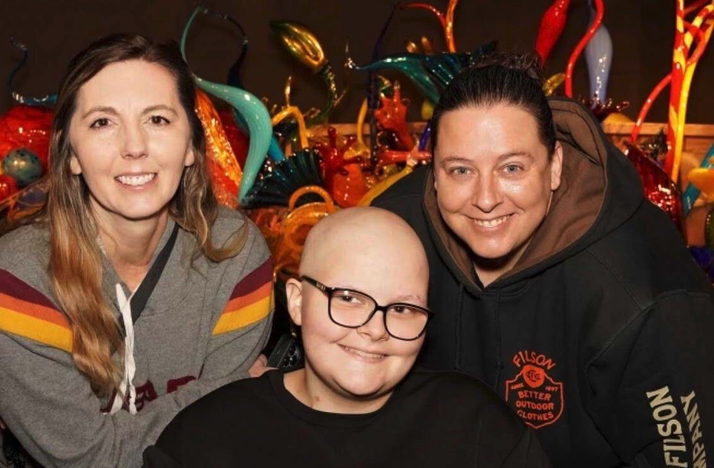
Toni’s perspective has shifted toward a radical patience. Recognizing that "tomorrow isn’t promised," she has adjusted her parenting style to accommodate Madelyn’s need for immediacy and her occasional bouts of frustration. This adaptation is a form of secondary survivorship, where the parent must also rebuild their identity outside of being a full-time caregiver.
Supporting the "Full Life" Beyond Survival
Organizations such as the Children’s Cancer Research Fund (CCRF) are increasingly focusing their resources on survivorship research. Historically, the bulk of oncological funding has been directed toward curative treatments. While this has led to the current 85% survival rate for pediatric cancers, it has left a gap in understanding how to manage the "late effects" that 60% to 90% of survivors will develop.
Survivorship research aims to:
- Mitigate Physical Late Effects: Developing treatments that are less toxic to developing hearts, lungs, and bones.
- Address Psychosocial Needs: Creating resilience-building programs specifically for teenagers and young adults.
- Improve Long-Term Monitoring: Establishing protocols for the lifelong medical surveillance that survivors require.
Madelyn won’t be considered "cured" in the traditional sense until she has reached the five-year cancer-free mark. Until then, she remains in a state of clinical surveillance, returning for regular scans that serve as a constant reminder of her precarious health history.
Current Outlook: Resilience and the "New Normal"
Despite the physical and emotional hurdles, Madelyn’s current life is a testament to the resilience of the adolescent spirit. She has embraced a "new normal" that includes experimenting with vibrant hair colors and launching a food vlog to document her visits to new restaurants. Her role as drum major continues to be a source of leadership and pride, supported by a community that, while not fully understanding her experience, remains vocal in its support.
Madelyn’s story serves as a critical case study for the medical community and the public. It demonstrates that the end of cancer treatment is not the end of the cancer experience. As medical technology continues to improve the odds of survival, the next frontier in pediatric oncology will be ensuring that survivors like Madelyn do not just exist, but thrive. The focus must shift from merely "saving the life" to "restoring the life," acknowledging that the scars—both titanium and psychological—require lifelong care and understanding.
