
 By admin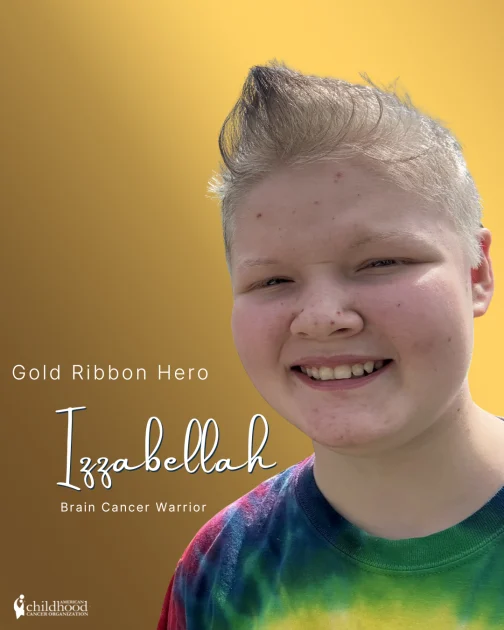
The diagnosis and treatment of pediatric brain cancer represent some of the most complex challenges in modern medicine, requiring a multidisciplinary approach that spans neurosurgery, oncology, and intensive psychosocial support. The case of Izzabellah “Bellah,” a young patient who transitioned from experiencing routine symptoms to navigating high-intensity oncological interventions, serves as a poignant illustration of the clinical and personal hurdles faced by thousands of families annually. Her journey, marked by multiple surgeries, prolonged chemotherapy, and radiation, highlights not only the physical toll of the disease but also the systemic gaps in pediatric cancer research and the critical importance of specialized care facilities like Riley Children’s Hospital.
The Diagnostic Path and Initial Clinical Intervention
For Izzabellah, the trajectory toward a cancer diagnosis began subtly, characterized by four months of progressively worsening headaches. In pediatric medicine, persistent headaches often present a diagnostic challenge, as they can be attributed to various benign causes, including tension, vision issues, or migraines. However, when symptoms persist or escalate, neuroimaging becomes a critical tool for excluding intracranial pathologies.
The turning point for Bellah occurred during a magnetic resonance imaging (MRI) scan, a standard diagnostic procedure used to visualize the structures of the brain and spinal cord. The results were immediate and alarming, necessitating an urgent referral to a regional medical facility. Natalie, Izzabellah’s mother, recalled the gravity of the moment, noting that the urgency of the medical staff signaled a life-altering shift. Within hours of the initial scan, Bellah was transferred to Riley Children’s Hospital in Indianapolis, a facility recognized for its comprehensive pediatric oncology and neurosurgery departments.
Upon arrival, surgical intervention was prioritized. Neurosurgeons performed a primary resection to remove the initial tumor. While surgery is often the first line of defense in treating pediatric brain tumors, the complexity of the central nervous system means that complete resection is not always possible or sufficient. In Bellah’s case, subsequent imaging revealed the presence of additional tumors, shifting the clinical focus from localized surgery to a systemic and multifaceted treatment plan.
A Chronology of Intensive Treatment: Chemotherapy and Radiation
The discovery of secondary tumors necessitated a rigorous 13-month regimen of oral chemotherapy. Unlike intravenous chemotherapy, which is administered in a clinical setting, oral chemotherapy allows for treatment at home but requires strict adherence and constant monitoring for toxicity. This phase of Bellah’s treatment was designed to inhibit the growth of the remaining cancerous cells, yet the aggressive nature of the malignancy required further surgical intervention.
Following the completion of the initial chemotherapy cycle, Bellah underwent a second brain surgery. The necessity of multiple neurosurgeries underscores the persistent nature of certain pediatric brain cancers, which can be resistant to standard protocols or located in areas where total removal poses significant risks to neurological function.
The post-surgical phase introduced eight weeks of localized radiation therapy. Radiation is a cornerstone of brain cancer treatment, utilizing high-energy beams to target and destroy tumor cells. However, in pediatric patients, radiation carries significant long-term risks, including cognitive delays, endocrine disruption, and the potential for secondary malignancies. For Bellah, this period was followed by a return to chemotherapy, creating a cyclical and exhausting schedule of medical interventions that dominated her formative years.
The Psychosocial Impact and Social Isolation
Beyond the physiological strain of chemotherapy and radiation, the social implications of pediatric cancer are profound. Bellah’s experience mirrors a common trend in childhood oncology: the erosion of social circles and the loss of peer connections. The demanding nature of treatment often necessitates long absences from school and social activities, leading to a phenomenon where patients feel "out of sync" with their peers.
The side effects of treatment—ranging from physical changes like hair loss and weight fluctuations to profound fatigue and "chemo-fog"—can further alienate young patients. Bellah’s family noted the challenges of missing out on social milestones and the painful reality of losing friends who were unable to navigate the complexities of her illness.
In response to this isolation, Bellah utilized digital platforms to reclaim her narrative. By creating short videos and blogs, she documented her journey, providing a window into the realities of life with cancer. This form of self-expression serves a dual purpose: it acts as a therapeutic outlet for the patient and functions as an educational tool for the public, humanizing the statistics associated with the disease.
Statistical Overview: Pediatric Brain Cancer in the United States
Izzabellah’s story is situated within a broader national context. According to the American Cancer Society and the National Cancer Institute (NCI), brain and other central nervous system (CNS) tumors are the most common solid tumors in children and adolescents, accounting for approximately 20% of all pediatric cancers.
Key data points regarding pediatric brain cancer include:
- Incidence: Approximately 4,000 to 5,000 children and adolescents are diagnosed with primary brain tumors each year in the United States.
- Mortality: Despite advancements in treatment, brain tumors remain the leading cause of cancer-related death among children under the age of 19, surpassing leukemia.
- Survival Rates: The five-year survival rate for pediatric brain tumors is approximately 75%, though this varies significantly based on the tumor type, location, and the child’s age at diagnosis.
- Research Funding: A recurring point of contention in the oncology community is the disparity in research funding. Pediatric cancers, as a whole, receive significantly less federal funding than adult cancers, often leaving researchers to rely on private donations and organizations like the American Childhood Cancer Organization (ACCO).
The Role of Specialized Pediatric Facilities
The transfer of Bellah to Riley Children’s Hospital was a critical factor in her management. Specialized pediatric hospitals provide access to "Tumor Boards"—multidisciplinary teams of neurosurgeons, oncologists, radiologists, and pathologists who collaborate on individual cases. These institutions also offer access to clinical trials, which are often the only remaining option for patients with recurrent or treatment-resistant tumors.
Furthermore, these facilities integrate supportive care services, including child life specialists, pediatric psychologists, and rehabilitative therapists. For Bellah, the involvement of various specialists was necessary to manage the secondary effects of her treatment, ensuring that her recovery addressed not just the cancer, but her overall developmental well-being.
Current Status and Resilience: From Patient to Provider
Today, Izzabellah’s life represents a transition from acute patienthood to a state of managed resilience. While continuing her education, she has taken on the role of an activity aide at a local nursing facility. This transition is significant in the context of "post-traumatic growth," a psychological phenomenon where individuals who have experienced significant trauma develop new perspectives and a desire to serve others.
Her work in a geriatric care setting highlights a unique intersection of healthcare, where a survivor of pediatric illness provides support to an aging population. This professional pursuit, combined with her ongoing academic efforts, serves as a testament to the possibility of maintaining a trajectory of personal growth despite a debilitating medical history.
Broader Implications and the Call for Continued Advocacy
The narrative of "Bellah" is a call to action for increased awareness and systemic support. The phrase "Kids Can’t Fight Cancer Alone," popularized by the ACCO, encapsulates the necessity of a comprehensive support network involving family, medical professionals, and the global community.
The implications of cases like Bellah’s are far-reaching:
- Policy and Funding: There is an urgent need for the passage of legislation that increases NIH (National Institutes of Health) funding specifically for pediatric brain cancer research to develop less toxic and more effective treatments.
- Early Detection Education: Enhancing the ability of primary care physicians and parents to recognize the early warning signs of intracranial tumors can lead to earlier interventions and potentially better outcomes.
- Long-term Survivorship Programs: As more children survive brain cancer, the medical community must focus on "survivorship" care, addressing the lifelong neurological and physical challenges that stem from aggressive treatments during childhood.
In conclusion, Izzabellah’s journey from the first symptoms of a headache to her current role as a caregiver and student provides a comprehensive look at the realities of pediatric oncology. It is a story of medical complexity, the rigors of modern treatment protocols, and the enduring strength of the human spirit. While her individual resilience is noteworthy, it also serves as a reminder of the thousands of other "warriors" who require continued scientific innovation and societal support to face the challenges of a cancer diagnosis.
