
 By admin
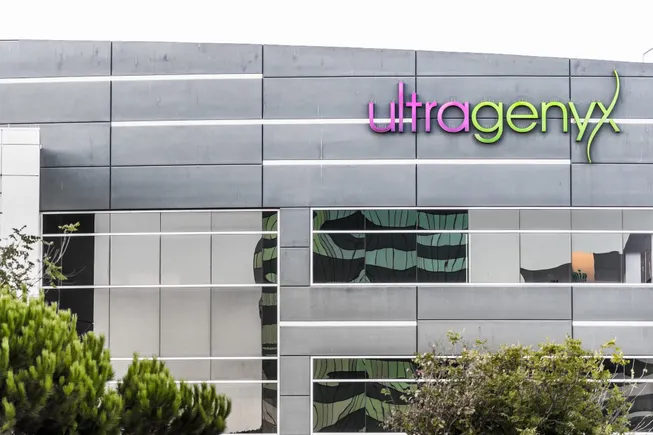
The U.S. Food and Drug Administration (FDA) has granted accelerated approval to Genglycos, Ultragenyx Pharmaceutical Inc.’s groundbreaking gene therapy for Glycogen Storage Disease Type Ia (GSDIa) in patients aged eight years and older. This significant regulatory milestone, announced on August 19, 2026, not only addresses a critical unmet medical need for individuals living with this rare genetic disorder but also provides Ultragenyx with a highly coveted priority review voucher (PRV), a valuable asset poised to significantly impact the company’s financial trajectory. The approval arrives at a pivotal moment for Ultragenyx, preceding a highly anticipated study readout for another key therapeutic candidate, GTX-102, which targets Angelman syndrome, and as the company navigates the final stages of regulatory review for UX111, a gene therapy for Sanfilippo syndrome Type A.
Understanding Glycogen Storage Disease Type Ia (GSDIa)
Glycogen Storage Disease Type Ia is an ultra-rare, inherited metabolic disorder caused by a deficiency in the enzyme glucose-6-phosphatase (G6Pase), which is essential for the body to convert glycogen and fat into glucose. Without a functional G6Pase enzyme, the liver cannot properly release glucose into the bloodstream, leading to severe and potentially life-threatening hypoglycemia (low blood sugar). This condition is inherited in an autosomal recessive pattern, meaning an individual must inherit two copies of the defective gene, one from each parent, to develop the disease.
The clinical manifestations of GSDIa are profound and pervasive, impacting multiple organ systems. Beyond recurrent hypoglycemia, patients often experience hepatomegaly (enlarged liver) due to the accumulation of glycogen, hyperlipidemia (high levels of fats in the blood), hyperuricemia (high uric acid levels, predisposing to gout), and lactic acidosis. Chronic management is required to prevent metabolic crises and long-term complications, which can include kidney disease, osteoporosis, growth retardation, and hepatic adenomas (benign liver tumors) that carry a risk of malignant transformation. The severe metabolic imbalance necessitates a rigorous and demanding treatment regimen that profoundly impacts patients’ quality of life and that of their caregivers.
Historically, the standard of care for GSDIa has revolved around strict dietary management, primarily involving the frequent ingestion of uncooked cornstarch. This complex carbohydrate is slowly digested, providing a continuous release of glucose to prevent hypoglycemia between meals. Patients, including young children, typically must consume a slurry of cornstarch every three to four hours, day and night, alongside a diet severely restricted in simple sugars and other carbohydrates. This demanding schedule is crucial for survival and metabolic stability, but it imposes immense logistical, social, and psychological burdens, disrupting sleep, schooling, work, and social activities. The constant vigilance required to maintain stable blood glucose levels, coupled with the risk of acute metabolic decompensation, underscores the urgent need for more effective and less burdensome therapeutic options.
Genglycos: A New Horizon in GSDIa Treatment
Genglycos (adeno-associated virus serotype 9 [AAV9] vector-based gene therapy), developed by Ultragenyx, represents a significant leap forward in the treatment of GSDIa. The therapy works by delivering a functional copy of the G6PC gene, which encodes the glucose-6-phosphatase enzyme, directly to liver cells using a modified adeno-associated virus as a vector. Once delivered, this new genetic material allows the liver to produce the missing enzyme, thereby restoring the body’s natural ability to regulate blood glucose levels. This approach aims to address the root cause of the disease rather than merely managing its symptoms.
The FDA’s accelerated approval for Genglycos was based on compelling data from an ongoing Phase 1/2 clinical trial. Key findings demonstrated that the gene therapy could significantly reduce or eliminate the need for frequent cornstarch intake in patients. Specifically, patients treated with Genglycos showed a meaningful reduction in their daily cornstarch dose, with some even achieving complete cessation, while maintaining stable blood glucose levels. The ability to reduce reliance on the arduous cornstarch regimen translates directly into an improved quality of life for patients and their families, offering greater freedom and reducing the constant anxiety associated with metabolic management.
As an accelerated approval, Genglycos will require Ultragenyx to conduct further studies to confirm its long-term clinical benefit. The company has committed to monitoring treated patients, along with a control group, for a period of 10 years to gather comprehensive long-term efficacy and safety data. While the FDA currently requires two additional years of data for full approval, Ultragenyx’s extended monitoring plan reflects a commitment to understanding the full trajectory and durability of the therapy’s effects. The safety profile observed in clinical trials has been generally manageable, with common side effects typically related to the infusion process or transient immune responses to the viral vector, consistent with other AAV-based gene therapies.
Despite its profound impact on patient care, analysts, including William Blair’s Sami Corwin, project peak sales for Genglycos to reach approximately $362 million. While not a "blockbuster" product in the traditional pharmaceutical sense—which often implies multi-billion dollar annual sales—this figure represents a substantial commercial success for a therapy targeting an ultra-rare disease with a very small patient population. The economic model for orphan drugs differs significantly from that of mass-market medications, where higher pricing is justified by the intensive research and development costs for a limited patient base and the profound value of addressing a previously untreatable or poorly managed condition. For Ultragenyx, Genglycos is a crucial addition to its portfolio, demonstrating its expertise in rare disease therapeutics and establishing a foundation for future gene therapy innovations.
The Strategic Value of the Priority Review Voucher (PRV)
One of the immediate and tangible benefits of the Genglycos approval for Ultragenyx is the acquisition of a Priority Review Voucher (PRV). This regulatory incentive, granted by the FDA for the approval of certain drugs for rare pediatric diseases or tropical diseases, allows the holder to expedite the review of a subsequent new drug application (NDA) or biologics license application (BLA) from the standard 10-month timeline to a six-month priority review. PRVs are fully transferable and can be sold to other pharmaceutical companies, making them highly sought-after assets in the industry.
The market for PRVs has seen substantial activity and increasing valuations in recent years. In 2026 alone, three separate vouchers changed hands for $180 million, $195 million, and $200 million, respectively. These figures underscore the immense value that pharmaceutical companies place on the ability to accelerate the regulatory pathway for their most promising candidates, potentially gaining a significant market advantage and earlier revenue generation. For Ultragenyx, the sale of this PRV is not merely a financial windfall; it is a strategic move that directly supports the company’s "path to profitability."
During a recent conference call, Ultragenyx Chief Financial Officer Howard Horn highlighted that the proceeds from the PRV sale would be instrumental in achieving the company’s financial goals. Ultragenyx officials have publicly stated their expectation to reach profitability by 2027, a target bolstered significantly by the Genglycos approval and the associated PRV, as well as the potential approval of other pipeline assets. This influx of non-dilutive capital provides crucial financial flexibility, enabling further investment in research and development, pipeline expansion, and commercial infrastructure without the need for additional equity financing that could dilute shareholder value. The company’s strategy demonstrates a sophisticated understanding of both clinical development and financial engineering within the specialized biopharmaceutical sector.
Ultragenyx’s Broader Portfolio and Financial Trajectory
The Genglycos approval arrives as Ultragenyx navigates a complex period marked by both significant scientific advancements and prior operational challenges. The company has experienced setbacks in recent years, including job cuts and strategic realignments aimed at streamlining operations and focusing on its core mission of developing therapies for rare and ultra-rare diseases. These measures were part of a broader effort to optimize resource allocation and accelerate the company’s timeline to profitability. The Genglycos approval, therefore, is not just a clinical success but a critical validation of Ultragenyx’s strategic choices and its commitment to its pipeline.
Central to Ultragenyx’s future growth and profitability projections is its robust pipeline, featuring several late-stage assets. Beyond Genglycos, two other candidates are particularly noteworthy: UX111 for Sanfilippo syndrome Type A and GTX-102 for Angelman syndrome.
UX111 for Sanfilippo Syndrome Type A:
UX111 is an investigational gene therapy designed to treat Sanfilippo syndrome Type A (Mucopolysaccharidosis IIIA), a severe, progressive neurodegenerative disorder caused by a deficiency in the enzyme heparan N-sulfatase. This enzyme is crucial for breaking down heparan sulfate, a complex sugar molecule. Without it, heparan sulfate accumulates in cells throughout the body, particularly in the brain, leading to devastating neurological decline, developmental regression, and premature death.
The regulatory journey for UX111 has been notably challenging. In 2025, the FDA initially rejected the therapy due to manufacturing concerns, issuing a Complete Response Letter (CRL). Ultragenyx diligently addressed these issues, resubmitting its Biologics License Application (BLA). However, earlier this year, the FDA deemed the company’s response incomplete, necessitating further clarification and data. Ultragenyx successfully resubmitted its application, and in April, the FDA formally accepted the resubmission, setting a new action deadline for September 19, 2026. This intricate regulatory path highlights the stringent requirements for gene therapies and the complexities involved in bringing novel treatments for rare diseases to market. A potential approval of UX111 would not only provide a much-needed therapy for Sanfilippo syndrome Type A but could also yield another valuable priority review voucher, further strengthening Ultragenyx’s financial position.

GTX-102 for Angelman Syndrome:
While Genglycos and UX111 are important, investor attention is currently most acutely focused on GTX-102, a treatment for Angelman syndrome. Angelman syndrome is a severe neurodevelopmental disorder caused by the loss of function of the UBE3A gene on chromosome 15. It is characterized by severe developmental delay, intellectual disability, speech impairment, ataxia (problems with balance and movement), seizures, and a distinctive behavioral profile often including frequent laughter and a happy demeanor. There are currently no approved disease-modifying therapies for Angelman syndrome, representing a profound unmet medical need.
GTX-102 is an antisense oligonucleotide (ASO) therapy designed to reactivate the paternal copy of the UBE3A gene, which is normally silenced in neurons. By reactivating this gene, the therapy aims to restore UBE3A protein function and potentially mitigate or reverse the neurological symptoms of Angelman syndrome. William Blair analyst Sami Corwin emphasized that the results of the pivotal trial for GTX-102, expected in September or October, "will be a significant catalyst for the stock." Given the large patient population relative to GSDIa and Sanfilippo syndrome, and the profound impact of the disease, GTX-102 has the potential for significantly higher peak sales and a transformative impact on Ultragenyx’s market valuation. The successful readout of this trial could cement Ultragenyx’s position as a leader in neurodevelopmental rare disease therapeutics.
Official Responses and Broader Implications
The approval of Genglycos has been met with positive reception from regulatory bodies and the scientific community. Karim Mikhail, the acting director of the FDA’s biologics center, underscored the significance of the approval in a statement: "The regulatory clearance is a great milestone in using a gene therapy to treat this disease and improve the quality of life for people with this condition." This statement highlights the FDA’s recognition of gene therapy’s transformative potential, particularly for conditions where conventional treatments offer only palliative care.
The journey of Genglycos, from preclinical development through clinical trials and accelerated approval, exemplifies the evolving landscape of gene therapy and rare disease drug development. The FDA’s use of expedited pathways, such as accelerated approval and the incentive of PRVs, plays a crucial role in encouraging pharmaceutical companies to invest in therapies for small patient populations where the commercial returns might otherwise be insufficient to justify the enormous costs of research and development. This symbiotic relationship between regulatory innovation and scientific advancement is essential for addressing the medical needs of individuals with rare diseases.
The success of Ultragenyx with Genglycos also sends a strong signal to the broader biopharmaceutical industry regarding the viability and strategic importance of rare disease focus. As gene therapy technologies continue to mature and regulatory frameworks adapt, more novel treatments for previously intractable conditions are expected to emerge. Companies like Ultragenyx, with specialized expertise and a focused pipeline, are at the forefront of this revolution, offering hope to patient communities that have long awaited effective therapeutic options. The anticipated sales of Genglycos, while modest by industry standards, represent a significant revenue stream for a rare disease product and contribute to the company’s long-term sustainability and ability to fund future innovations.
In conclusion, the FDA’s approval of Genglycos for GSDIa is a multi-faceted triumph for Ultragenyx. It provides a much-needed gene therapy for a devastating rare disease, generates a valuable priority review voucher to bolster the company’s financial health, and injects significant momentum into its broader pipeline. As Ultragenyx approaches critical data readouts for GTX-102 and navigates the final regulatory steps for UX111, the company is poised for a period of accelerated growth and potentially transformative impact on the lives of patients suffering from a range of rare and ultra-rare genetic disorders. The strategic intertwining of clinical success and astute financial management positions Ultragenyx as a key player in the promising future of gene therapy.
