
 By Budi Oetomo Narendra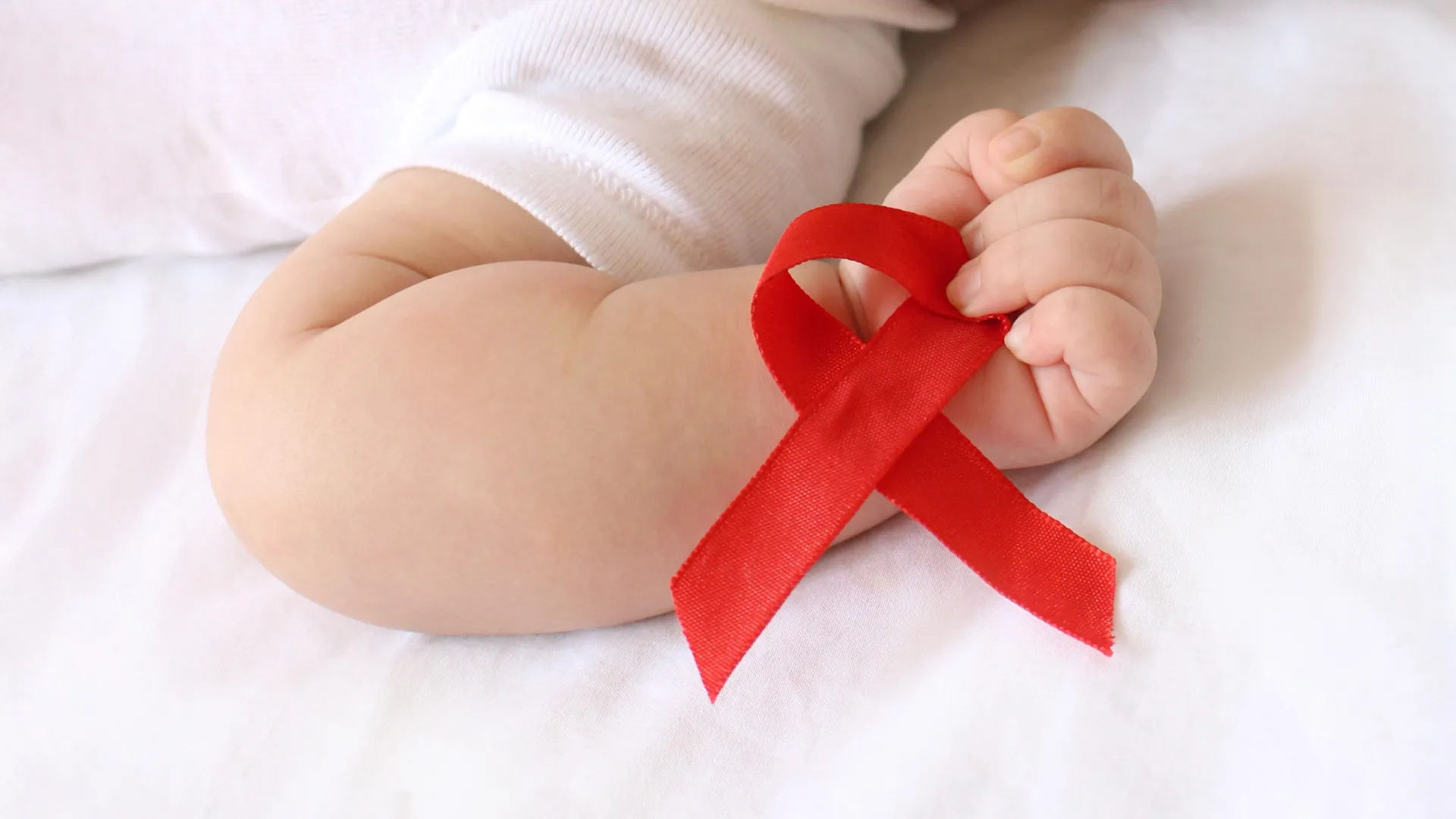
The global health landscape continues to grapple with the profound challenge of HIV, a virus that annually infects more than 120,000 babies worldwide, perpetuating a cycle of lifelong treatment for millions. For those living with the human immunodeficiency virus, managing the infection typically necessitates a regimen of antiretroviral medications taken for life, contingent on the accessibility and affordability of these critical treatments. However, a groundbreaking new study spearheaded by Oregon Health & Science University (OHSU) has illuminated a potentially transformative alternative: a combination of therapies administered to newborns within a critical 72-hour window post-birth could offer a permanent elimination of the virus from their systems.
Published in the esteemed journal Nature Microbiology, these findings represent a monumental leap forward in the quest for an HIV cure, particularly for the most vulnerable population. The research suggests a novel approach that could circumvent the lifelong dependency on medication, a paradigm shift from current treatment protocols. Dr. Jonah Sacha, Ph.D., co-lead author of the study and a distinguished professor and chief of pathobiology and immunology at OHSU’s Oregon National Primate Research Center (ONPRC) and Vaccine and Gene Therapy Institute, expressed profound optimism regarding the immediate implications of their work. "The really exciting part is that it could go to clinical trials immediately to eliminate HIV infection in newborns," Dr. Sacha stated, emphasizing the urgency and potential impact. He further noted the subsequent step: "The next step after that is to test if this can work in newly exposed adults." This multi-institutional endeavor leveraged the expertise of numerous collaborators and utilized nonhuman primates housed at both the Oregon and California national primate research centers, underscoring the collaborative spirit and rigorous scientific methodology behind the breakthrough.
The Persistent Challenge of Pediatric HIV
Understanding the significance of this OHSU-led research requires a broader appreciation of the global burden of pediatric HIV. Despite significant strides in preventing mother-to-child transmission (PMTCT), the virus continues to affect a substantial number of infants. According to the World Health Organization (WHO) and UNAIDS, approximately 1.5 million children globally were living with HIV in 2022. While new infections among children have decreased by 58% since 2010 due to expanded PMTCT programs, the figure of 120,000 new infant infections each year remains tragically high. These children face immense challenges, including the need for early diagnosis, access to pediatric-friendly antiretroviral formulations, and the social stigma associated with HIV. Lifelong adherence to ART can be particularly difficult for children and their caregivers, impacting quality of life and presenting significant logistical and economic hurdles, especially in low-resource settings where the majority of new infections occur. The prospect of a permanent cure, rather than lifelong management, offers not only a health solution but also a pathway to a life free from the daily burdens and social implications of HIV.
A Historical Quest for an HIV Cure
The pursuit of an HIV cure has been one of the most challenging and complex endeavors in modern medicine. For decades, the virus’s ability to integrate its genetic material into the host’s DNA and establish latent reservoirs, particularly in resting immune cells, has thwarted eradication efforts. While highly active antiretroviral therapy (HAART) revolutionized HIV treatment in the mid-1990s, transforming AIDS from a death sentence into a manageable chronic condition, it does not eliminate the virus. Discontinuation of ART typically leads to a rapid viral rebound.
There have been rare, celebrated cases of HIV cure, such as the "Berlin Patient" (Timothy Ray Brown) and the "London Patient" (Adam Castillejo), who underwent bone marrow transplants for cancer from donors with a specific genetic mutation (CCR5-delta32) that confers resistance to HIV. While these cases provided proof-of-concept for a cure, the procedure is highly invasive, risky, and not scalable for the vast majority of people living with HIV. In the pediatric context, the "Mississippi Baby" case in 2013 offered a glimmer of hope when a child treated with ART within 30 hours of birth maintained remission for more than two years after stopping treatment. Tragically, the virus eventually rebounded, underscoring the difficulty of eradicating these latent reservoirs and the need for truly curative strategies. It is against this backdrop of persistent challenge and intermittent hope that the OHSU study emerges as a beacon, offering a potentially more broadly applicable and less invasive path to cure for newborns.
The Groundbreaking Triple-Therapy Regimen
The OHSU study’s innovative approach centers on a combination of three distinct therapies, each playing a crucial role in disrupting the HIV lifecycle: neutralizing antibodies, standard antiretroviral therapy (ART), and an experimental monoclonal antibody known as leronlimab. Individually, each of these approaches had been explored in previous research, but none had achieved the elusive goal of permanently clearing the virus. Dr. Sacha initially harbored skepticism that a mere combination would yield a superior outcome. However, the collaborative vision, particularly that of his long-time OHSU colleague and coauthor, Dr. Nancy Haigwood, Ph.D., proved prescient. Dr. Haigwood, a distinguished virologist and immunologist with decades dedicated to studying HIV antibodies and a former professor and ONPRC director, championed the idea that pairing leronlimab with existing HIV therapies could unlock unprecedented efficacy. The new results unequivocally validated her hypothesis, leading to a profound reaction: "We were astounded and overjoyed, actually," Haigwood remarked. "It’s a remarkable result."
Let’s delve deeper into each component of this powerful triumvirate:
-
Standard Antiretroviral Therapy (ART): This forms the foundational element of the treatment. ART drugs work by targeting various stages of the HIV replication cycle, effectively suppressing the viral load to undetectable levels and allowing the immune system to recover. For newborns, immediate initiation of ART is crucial to prevent the widespread establishment of viral reservoirs. In this combination, ART acts as the primary "turn off the faucet" mechanism, minimizing the virus’s ability to replicate and spread throughout the body.
-
Broadly Neutralizing Antibodies (bNAbs): These specialized antibodies are capable of recognizing and neutralizing a wide range of HIV strains. Unlike standard antibodies produced during natural infection, bNAbs can target conserved regions of the virus, making them highly effective. In the context of this triple therapy, bNAbs serve to "mop up" circulating virus, effectively corralling HIV particles and reducing the overall viral load in the bloodstream. This reduces the sheer quantity of virus that needs to be dealt with, making the task of eradication more manageable. Research into bNAbs is ongoing, with several candidates currently being evaluated in separate clinical trials for both prevention and treatment.
-
Leronlimab (CCR5 Blocker): This experimental monoclonal antibody, which Dr. Sacha has helped develop over many years, targets the CCR5 co-receptor on the surface of immune cells. CCR5 is one of the primary "doorways" that HIV uses to enter and infect T-cells. By blocking this receptor, leronlimab effectively "seals off" these entry points, preventing the remaining virus from infecting new cells. Dr. Sacha explains the critical role: "For reasons we don’t understand, HIV really wants to use CCR5 receptors to infect cells. By blocking access, it’s like you’ve kept fuel away from the fire." This mechanism is particularly significant because it starves the virus of new host cells, preventing the establishment of new infections and potentially allowing the immune system, aided by the other therapies, to clear existing infected cells. Leronlimab is also currently undergoing separate clinical evaluations.
The synergy among these three agents appears to be the key to their success. While each therapy offers benefits individually, their combined effect is profoundly greater, suggesting a multi-pronged attack that overwhelms the virus’s ability to adapt and persist.
From Nonhuman Primates to Human Promise
The research meticulously conducted using nonhuman primates, specifically macaques, provides a robust foundation for the potential translation of these findings to human clinical trials. Nonhuman primates share significant anatomical, physiological, and immunological similarities with humans, making them an invaluable model for studying complex infectious diseases like HIV (or its simian counterpart, SIV). The successful elimination of the virus in these models offers compelling evidence for the efficacy of the triple therapy and builds confidence for its application in humans.
The pathway toward widespread availability for newborns involves a structured process of human clinical trials. While antiretroviral therapy is already approved for human use, broadly neutralizing antibodies and leronlimab are currently being evaluated in separate clinical trials. The researchers anticipate that initial human studies for this specific triple combination would most likely involve adults who have been recently exposed to HIV. This approach allows for careful evaluation of safety and efficacy in a population where immediate intervention is critical but ethical considerations for experimental treatments are often less complex than with newborns. If successful in adults, the strategy could then be safely and ethically adapted for trials in newborns, potentially marking a pivotal moment in global health.
Broader Implications and Future Research Directions
If validated through human clinical trials, this innovative strategy could fundamentally reshape the global fight against HIV. With approximately 600,000 people still dying from HIV-related causes worldwide each year, a curative intervention, especially for newborns, represents a monumental step towards achieving an "HIV-free generation." The ability to eliminate the virus permanently at the earliest stages of life would spare countless individuals from the lifelong burden of chronic illness, significantly reduce healthcare costs associated with long-term management, and alleviate the immense social and psychological impact of living with HIV.
The OHSU team’s discovery also opens new avenues for scientific inquiry. A critical question that remains is the exact mechanism by which the combined treatment achieves such profound efficacy. While the analogies provided by Dr. Haigwood (faucet, mop, seal) offer a conceptual framework, deeper molecular and immunological studies are needed to fully elucidate the interactions between the therapies and the virus. Furthermore, the timing of intervention appears to be paramount. In this study, the combined regimen was tested only within 72 hours of the initial infection. Dr. Sacha emphasizes the importance of understanding the boundaries of this early treatment window: "We only tested out to three days. Could it work a week after infection? Two weeks? How far can you go after infection, and still purge the virus?" Answering these questions is crucial for expanding the applicability of the treatment, as not all newborns can be diagnosed and treated within such a narrow timeframe. Extending this window could significantly increase the number of individuals who could benefit from this potentially curative approach, including older children and adults with acute HIV infection.
This research underscores the vital role of sustained funding and collaborative scientific efforts. The study received substantial support from the National Institutes of Health (NIH) through various institutes, including the Eunice Kennedy Shriver National Institute of Child Health and Human Development (NICHD), the National Institute of Allergy and Infectious Diseases (NIAID), and the Office of the Director (OD), NIH. Additionally, the Office of Research Infrastructure Programs (ORIP), NIH, provided crucial funding to both the Oregon National Primate Research Center and the California National Primate Research Center. Such robust governmental and institutional backing is indispensable for high-risk, high-reward research that pushes the boundaries of medical science.
In conclusion, the OHSU-led study on a triple-therapy regimen for neonatal HIV represents a beacon of hope in the ongoing battle against one of humanity’s most persistent pandemics. By offering a potential path to permanent viral elimination rather than lifelong management, it promises to transform the lives of future generations. As the scientific community anticipates the transition to human clinical trials, this breakthrough not only reaffirms the power of innovative research but also invigorates the collective dream of an HIV-free world.
