
 By Budi Oetomo Narendra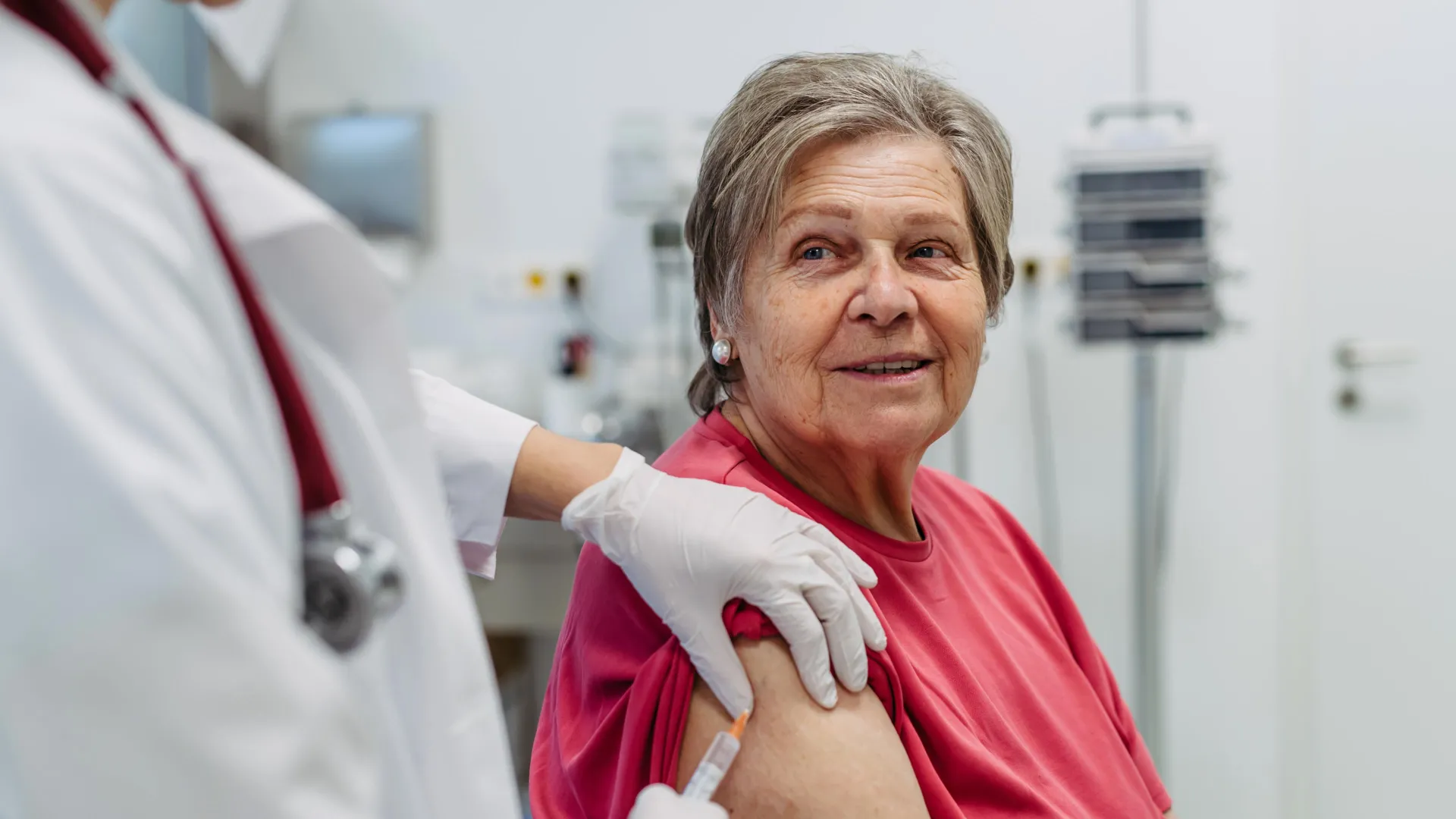
A naturally occurring compound known as spermidine has shown potential in bolstering vaccine responses among some older adults by reducing biological indicators of immune system aging, according to groundbreaking research published in the peer-reviewed journal Aging Cell. This discovery offers a promising avenue for improving public health outcomes in a demographic particularly vulnerable to infectious diseases.
The Pervasive Challenge of Immunosenescence
As individuals age, the human immune system undergoes a gradual but significant decline in efficiency, a process scientifically termed immunosenescence. This age-related weakening makes the body less adept at fending off infections and less capable of mounting a robust and lasting response to vaccinations. The consequences of immunosenescence are far-reaching, contributing to increased susceptibility to a spectrum of age-related health complications and frequently leading to diminished protective immunity even after multiple vaccine doses. This phenomenon was starkly highlighted during the COVID-19 pandemic, where older adults consistently faced higher risks of severe illness, hospitalization, and mortality, partly due to compromised immune function and, in some cases, suboptimal vaccine efficacy.
The decline in immune function with age is complex, involving various cellular and molecular changes. These include a reduction in the diversity and number of naive T cells (cells capable of recognizing new pathogens), an accumulation of senescent T cells (cells that have stopped dividing but remain metabolically active and secrete pro-inflammatory molecules), and a general shift towards a pro-inflammatory state, often referred to as "inflammaging." Additionally, B cell function, crucial for antibody production, also deteriorates, leading to lower antibody titers and less durable immune memory. Understanding and counteracting these mechanisms is a critical challenge in geriatric medicine and public health.
Spermidine Emerges as a Potential Immunomodulator
The research, a collaborative effort spearheaded by Dr. Katja Simon, Group Leader of the Cell Biology of Immunity lab at the Max Delbrück Center, and Dr. Ghada Alsaleh, Associate Professor at the Nuffield Department of Orthopaedics, Rheumatology & Musculoskeletal Sciences (NDORMS) of the University of Oxford, delved into spermidine’s capacity to address these age-related immune deficiencies. Their findings present compelling evidence that daily spermidine supplementation can significantly improve several metrics of immune response following COVID-19 vaccination in a subset of older participants.
Spermidine is a polyamine that is endogenously produced by human cells and is also readily available through dietary sources. Foods rich in spermidine include wheat germ, various types of mushrooms, aged cheeses like Parmesan and Cheddar, legumes, and whole grains. Prior scientific investigations have indicated that spermidine plays a vital role in cellular maintenance mechanisms, particularly in initiating and supporting autophagy. Autophagy, often referred to as the cell’s natural recycling process, is fundamental for cellular health, enabling cells to eliminate damaged organelles, misfolded proteins, and other waste materials, thereby maintaining normal function and preventing the accumulation of cellular debris associated with aging. This process, like many other cellular functions, tends to become less active with advancing age, contributing to cellular dysfunction and the progression of immunosenescence.
Dr. Alsaleh elaborated on the clinical relevance of their work, stating, "While many older adults successfully mount strong immune responses to vaccines, a significant portion does not achieve robust protection, even after multiple vaccination rounds. Biological aging of immune cells is a key contributing factor to this disparity. Our preliminary results suggest that spermidine holds potential in restoring specific aspects of immune function within this vulnerable demographic, potentially bridging the gap in vaccine efficacy."
The multidisciplinary project also benefited from the expertise of researchers from the renowned Oxford Vaccine Group, including Drs. Paul Klenerman, Teresa Lambe, and Lucy Jones, alongside Dr. Owen B. Spiller from Cardiff University, underscoring the collaborative nature of this important scientific endeavor.
Understanding the Age-Related Decline in Vaccine Effectiveness
The global health crisis precipitated by the COVID-19 pandemic served as a stark, real-world illustration of the critical importance of vaccination in preventing severe disease, mitigating healthcare burdens, and ultimately saving lives. However, data collected throughout the pandemic consistently revealed that older adults, despite being prioritized for vaccination, frequently developed lower levels of protective antibodies and fewer robust T cell responses compared to their younger counterparts. This pattern is not unique to SARS-CoV-2 vaccines; similar observations have been made for decades concerning influenza vaccinations, where annual flu shots are less effective in preventing illness and complications in the elderly. This highlights a persistent challenge in vaccine development and public health strategies for an aging global population.
To rigorously investigate whether spermidine could ameliorate this age-associated decline in vaccine responsiveness, Dr. Simon and her research team designed a pilot study involving 40 healthy adults, all aged 65 years and older. Participants were recruited after receiving their third dose of a COVID-19 vaccine, allowing the researchers to assess the impact of spermidine supplementation on an already established immune challenge. Following vaccination, participants were randomly assigned to one of two groups: one receiving a daily six-milligram spermidine supplement, and the other a placebo, for a duration of 13 weeks. This double-blind, placebo-controlled design is a cornerstone of robust clinical research, minimizing bias and strengthening the validity of the findings.
Initial analysis of the study cohort revealed a critical insight: approximately one-quarter of the enrolled participants exhibited very weak antibody responses, even after receiving three vaccine doses. Further cellular analysis of these "vaccine non-responders" revealed distinct and pronounced signs of biological aging within their immune cells. These markers included increased levels of DNA damage, a hallmark of cellular stress and aging, and heightened expression of molecular markers directly linked to cellular senescence. Cellular senescence is a state where damaged or excessively aged cells cease to divide but do not undergo programmed cell death (apoptosis). Instead, they accumulate in tissues, secrete a cocktail of pro-inflammatory molecules (the Senescence-Associated Secretory Phenotype, or SASP), and disrupt the normal function of surrounding healthy cells, thereby contributing to tissue dysfunction and systemic inflammation.
Significant Improvements in Antibody Responses and Cellular Health
The most compelling findings emerged from the analysis of the vaccine non-responders who had received the daily spermidine supplement. In this subgroup, several crucial indicators of vaccine-related immunity demonstrated substantial improvement. These participants generally developed markedly higher levels of antibodies specifically targeting SARS-CoV-2. More importantly, their antibodies exhibited stronger neutralizing activity against several key viral variants, indicating a more effective and broader protective response against the pathogen. Neutralizing antibodies are particularly vital as they can directly block the virus from entering host cells, thereby preventing infection.
Beyond the quantifiable increase in antibody levels and neutralizing capacity, the researchers observed broader cellular benefits. Spermidine supplementation was found to significantly lower various molecular markers associated with immunosenescence within the immune cells of the treated participants. Concurrently, the study documented a noticeable increase in autophagy, the cellular recycling process mentioned earlier. This dual effect – reducing detrimental markers of aging and boosting cellular self-renewal mechanisms – suggests a fundamental restorative effect of spermidine on aging immune cells. By enhancing autophagy, spermidine likely helps cells clear accumulated damage, optimize mitochondrial function, and reduce the burden of senescent cells, thereby improving overall cellular resilience and responsiveness.
Crucially, the study also addressed safety and tolerability, a paramount concern for any potential therapeutic intervention. The spermidine supplement appeared to be safe and well tolerated by all participants. Researchers meticulously monitored for any adverse effects associated with the treatment and found no significant concerns, reinforcing the compound’s potential for broader application.
A Broader Perspective: The Global Impact of Immunosenescence and the Potential of Spermidine
The implications of these findings extend beyond the immediate context of COVID-19 vaccination. With the global population aging at an unprecedented rate, the challenge of immunosenescence is becoming increasingly critical for public health systems worldwide. By 2050, the number of people aged 60 years or over is projected to reach 2.1 billion, representing a significant portion of the global population. Ensuring this demographic maintains robust immunity against a spectrum of infectious diseases, from influenza and pneumonia to emerging pathogens, is a monumental task. If spermidine or similar compounds can consistently enhance vaccine efficacy and overall immune health in older adults, it could lead to substantial reductions in disease burden, healthcare expenditures, and improvements in quality of life for millions.
Chronology of Research and Development in Aging Immunity
The journey to understanding and potentially mitigating immunosenescence has been long and multifaceted:
- Early 20th Century: Initial observations of decreased immune responses in older individuals.
- Mid-20th Century: Elucidation of the roles of T cells and B cells, leading to a deeper understanding of specific immune cell dysfunction in aging.
- 1970s-1980s: Emergence of the term "immunosenescence" and detailed characterization of its cellular and molecular hallmarks.
- 1990s-Early 2000s: Research into the role of cellular senescence in aging and disease, and the discovery of polyamines (including spermidine) as key regulators of cellular processes like autophagy.
- 2010s: Growing interest in spermidine’s anti-aging properties, with studies linking it to improved cardiovascular health, neuroprotection, and extended lifespan in various model organisms.
- Late 2019-Present: The COVID-19 pandemic intensely highlighted the vulnerabilities of older adults, spurring urgent research into enhancing their immune responses.
- 2021-2023: This specific pilot study on spermidine and COVID-19 vaccine response is conceived, executed, and published, building upon the foundational knowledge of spermidine’s cellular benefits and the pressing need for improved vaccine efficacy in the elderly.
Statements and Inferred Reactions from Related Parties
Dr. Simon, while optimistic about the results, emphasized the need for caution and further investigation. "This study was meticulously designed as a pilot trial, and as such, it involved a relatively small cohort of participants. While the initial data are highly encouraging, it is imperative that larger, more comprehensive studies are conducted. These larger trials will be crucial to definitively determine whether spermidine can consistently improve vaccine responses across a broader older adult population and, importantly, whether similar beneficial effects are observed with other critical vaccines, such as those used annually against seasonal influenza."
Public health officials, though not directly quoted in the original material, would likely view these preliminary findings with cautious optimism. The prospect of a safe, naturally occurring compound that could boost vaccine efficacy in the elderly aligns perfectly with global health goals of disease prevention and healthy aging. Geriatric specialists and immunologists would likely call for accelerated research, recognizing the immense potential for improving the health and resilience of their patient populations. Pharmaceutical and nutritional supplement industries would also be keenly observing these developments, given the potential for new product development and market expansion.
Future Directions and Broader Implications
While the findings from this pilot study are undoubtedly exciting, the researchers are careful to underscore that the results should be interpreted as early evidence rather than definitive proof. The small sample size of 40 participants necessitates further validation. Future research will need to address several key questions:
- Replication in Larger Cohorts: Conducting large-scale, multi-center clinical trials to confirm the efficacy and safety of spermidine supplementation across diverse older adult populations.
- Mechanism of Action: Further elucidating the precise molecular pathways through which spermidine modulates immune function and autophagy in human cells.
- Vaccine Specificity: Investigating whether spermidine enhances responses to other vaccines, such as those for influenza, shingles, or pneumococcal disease.
- Dosage and Duration: Optimizing the dosage and duration of spermidine supplementation for maximal benefit and sustained immune enhancement.
- Long-term Effects: Assessing the long-term impact of spermidine on overall immune health, susceptibility to infections, and chronic inflammatory conditions in older adults.
- Dietary Interventions: Exploring the feasibility and effectiveness of dietary interventions rich in spermidine as a non-pharmacological approach to immune modulation.
The implications, should these findings be confirmed in larger studies, are profound. Beyond directly enhancing vaccine effectiveness, spermidine’s ability to reduce markers of immunosenescence and boost autophagy suggests a broader potential for improving cellular health and resilience in aging individuals. This could translate into reduced incidence and severity of infections, slower progression of age-related diseases, and an overall improvement in healthy longevity. The integration of such nutritional interventions, alongside conventional medical strategies, could represent a significant paradigm shift in how societies approach healthy aging and preventive medicine.
