
 By George Ongkojoyo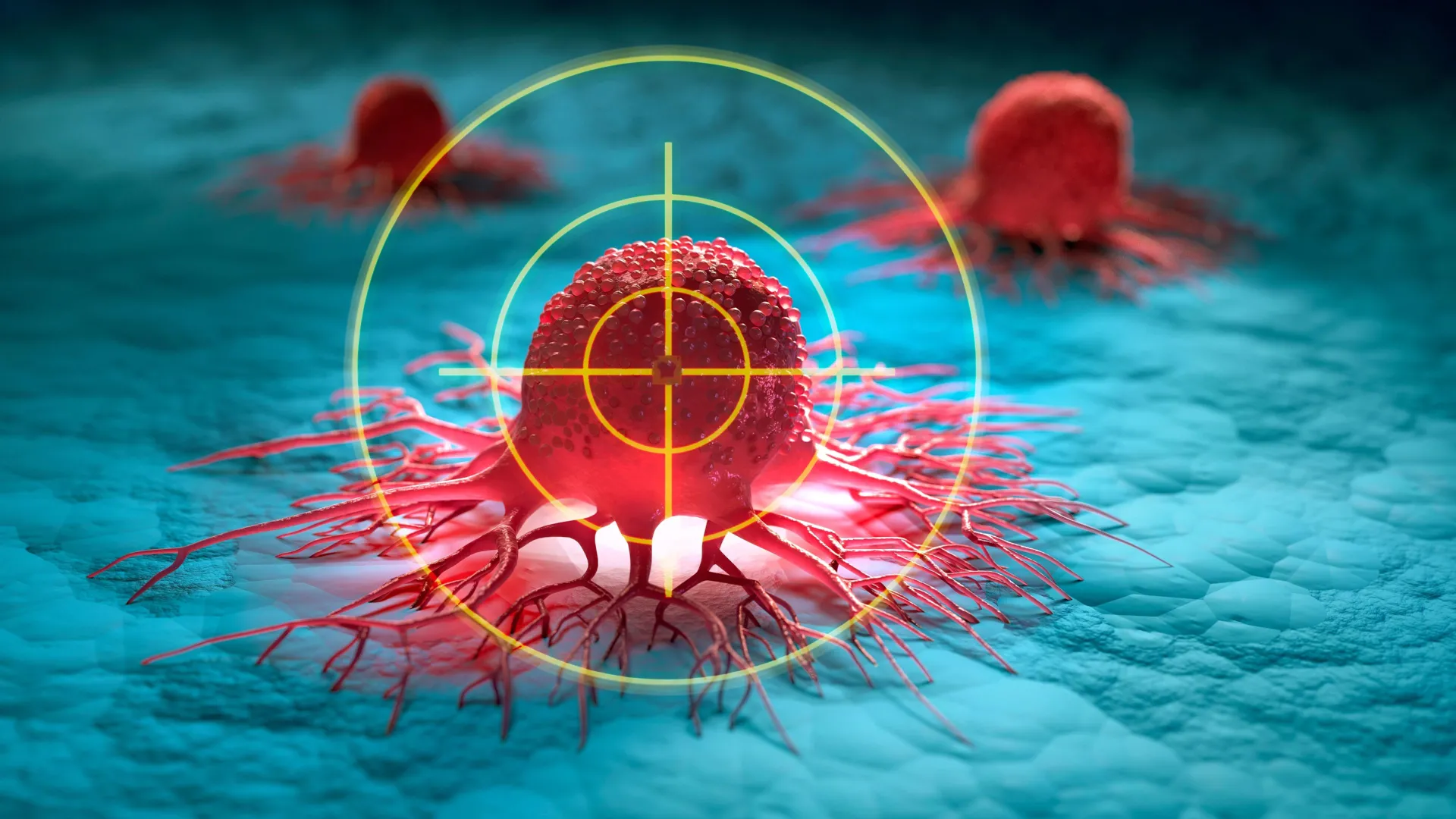
Researchers at the Icahn School of Medicine at Mount Sinai have unveiled a transformative approach to cancer treatment that shifts the focus from the malignancy itself to the biological infrastructure that supports it. This experimental immunotherapy, detailed in a study published on January 22 in the journal Cancer Cell, utilizes engineered immune cells to dismantle the protective "fortress" surrounding solid tumors. By targeting tumor-associated macrophages—cells that typically shield cancer from the body’s natural defenses—the new therapy effectively turns a tumor’s own guards against it, offering a potential breakthrough for patients with aggressive, metastatic disease that has otherwise resisted conventional treatments.
Redefining the Target: Beyond the Cancer Cell
For decades, the primary objective of oncology has been the direct destruction of cancer cells. While this approach has seen success in liquid cancers, such as leukemia and lymphoma, it has frequently faltered when faced with solid tumors. Lung and ovarian cancers, in particular, are notorious for creating a "cold" immune environment—a state where the body’s immune system is either unable to recognize the tumor or is actively suppressed from attacking it.
The Mount Sinai team, led by Jaime Mateus-Tique, PhD, and Brian Brown, PhD, recognized that the failure of existing immunotherapies often stems from the tumor microenvironment (TME). Solid tumors are not merely clusters of rogue cells; they are complex ecosystems. Within these ecosystems, cancer cells recruit and reprogram healthy cells to serve as a protective barrier. Among the most significant of these recruits are macrophages.
In a healthy physiological state, macrophages are the "first responders" of the immune system, responsible for consuming cellular debris and identifying pathogens. However, within a tumor, these cells are often co-opted. These "tumor-associated macrophages" (TAMs) are signaled by the cancer to suppress inflammation, facilitate blood vessel growth to feed the tumor, and physically block T cells from reaching the cancerous core. The Mount Sinai research describes these cells as "guards" of a walled fortress, making them the ideal target for a new breed of immunotherapy.
The Mechanism of Action: Reengineering CAR T Cells
The foundation of this new treatment lies in CAR T-cell therapy. Chimeric Antigen Receptor (CAR) T-cell therapy involves harvesting a patient’s own T cells and genetically modifying them to express a specific receptor that recognizes a target protein on the surface of other cells. Once re-infused into the patient, these "living drugs" seek out and destroy cells expressing that target.
Historically, CAR T therapy has struggled with solid tumors because it is difficult to find a protein that is present on all cancer cells but absent from healthy tissue. Furthermore, even when a target is found, the immunosuppressive environment created by macrophages often shuts the CAR T cells down before they can complete their mission.
The Mount Sinai researchers bypassed these hurdles with two critical modifications. First, instead of targeting a protein on the cancer cell, they engineered the CAR T cells to recognize a marker specific to tumor-associated macrophages. Second, they "armored" these T cells to release Interleukin-12 (IL-12), a potent signaling protein. IL-12 is known to stimulate the immune system and can revert the suppressed state of the tumor microenvironment, essentially "flipping a switch" that allows the body’s other immune cells to join the fight.
Preclinical Success and Data Analysis
The efficacy of this "macrophage-targeted" CAR T therapy was tested in rigorous preclinical models of metastatic lung and ovarian cancer. These models are designed to mimic the most difficult-to-treat human cases, where the cancer has already spread to distant organs and developed resistance to standard chemotherapy.
The data reported in Cancer Cell were significant. In mice treated with the engineered cells, researchers observed a dramatic shift in the tumor landscape. Using advanced spatial genomics—a technology that allows scientists to map where specific genes are being expressed within a tissue sample—the team was able to visualize the therapy’s impact in real-time. The analysis showed that the CAR T cells successfully liquidated the protective macrophage barrier.
Following the removal of these "guards," the IL-12 released by the engineered cells triggered a secondary immune response. Natural "killer" T cells, which had previously been excluded from the tumor, flooded the area. The results showed that many of the treated subjects experienced complete remission. In comparison, untreated subjects or those receiving traditional CAR T therapy saw rapid tumor progression. The researchers noted that the treated mice lived months longer—a significant timeframe in murine models—with a high percentage remaining cancer-free throughout the study period.
A Potential Universal Strategy: Antigen Independence
One of the most promising aspects of the Mount Sinai study is that the therapy is "antigen-independent" regarding the cancer cells themselves. Traditional therapies often fail because cancer cells are heterogeneous; a treatment might kill 90% of the cells, but the remaining 10% lack the target protein and continue to grow, leading to a relapse.
Because this new therapy targets the macrophages—which are genetically stable and found in nearly all solid tumors—it does not matter if the cancer cells themselves mutate or change their surface proteins. "Macrophages are found in every type of tumor, sometimes outnumbering the cancer cells," explained senior author Brian Brown, PhD. "What’s so exciting is that our treatment converts these cells from protecting the cancer to killing it. We’ve turned foe into ally."
This universality suggests that the treatment could be applied to a vast array of solid tumors beyond lung and ovarian cancer, including pancreatic, breast, and colorectal cancers, which are also characterized by dense, macrophage-rich environments.
Timeline and Historical Context of Immunotherapy
The development of this therapy marks a new chapter in a timeline of oncological progress that has accelerated over the last two decades:
- 2011: The FDA approves Ipilimumab, the first "checkpoint inhibitor," marking the beginning of the modern immunotherapy era.
- 2017: The first CAR T-cell therapies (Kymriah and Yescarta) are approved for blood cancers, showing nearly 80-90% response rates in certain leukemias.
- 2018-2022: Researchers worldwide struggle to replicate CAR T success in solid tumors, citing the "physical and chemical barriers" of the tumor microenvironment as the primary obstacle.
- January 2024: The Mount Sinai team publishes their findings on macrophage-targeted CAR T cells, providing a blueprint for overcoming these barriers.
This chronology highlights a pivot in the scientific community from "targeting the seed" (the cancer cell) to "targeting the soil" (the microenvironment).
Institutional Support and Collaborative Research
The study was a massive collaborative effort involving several specialized departments within the Icahn School of Medicine at Mount Sinai, including the Icahn Genomics Institute and the Marc and Jennifer Lipschultz Precision Immunology Institute. The research was supported by substantial federal and private funding, including grants from the National Institutes of Health (NIH), the Alliance for Cancer Gene Therapy, the Feldman Family Foundation, and the Applebaum Foundation.
The diverse list of authors—including experts in genetic engineering, immunology, and oncology—reflects the interdisciplinary nature of modern medical breakthroughs. The team is now focused on the next phase of development: refining the delivery of IL-12. While IL-12 is highly effective, it can be toxic if it enters the general bloodstream in high concentrations. The team is working on "sensing" mechanisms that ensure the CAR T cells only release the protein when they are safely tucked inside the tumor.
Implications for Future Clinical Trials
While the results in animal models are unprecedented, the researchers caution that human clinical trials are the necessary next step to prove safety and efficacy. Moving from a mouse model to a human patient involves navigating the complexities of the human immune system, which is far more intricate than that of a laboratory mouse.
However, the "proof of concept" established by this study provides a clear path forward. If human trials mirror the preclinical data, this could lead to a paradigm shift in how metastatic cancer is managed. Instead of cycling through increasingly toxic rounds of chemotherapy, patients might receive a single infusion of "armored" cells designed to dismantle the tumor’s defenses from the inside out.
The broader implications for the healthcare industry are also notable. As CAR T-cell therapy becomes more versatile, the infrastructure for "point-of-care" cell manufacturing is expected to expand, potentially lowering the costs of these complex treatments and making them more accessible to the general population.
By reimagining the tumor not as a target to be hit, but as a fortress to be infiltrated, the scientists at Mount Sinai have opened a new frontier in the fight against cancer. The transition from "foe to ally" regarding the immune system’s macrophages may well be the key to unlocking the potential of immunotherapy for the millions of patients currently facing metastatic disease.
