
 By Gabriel Paijo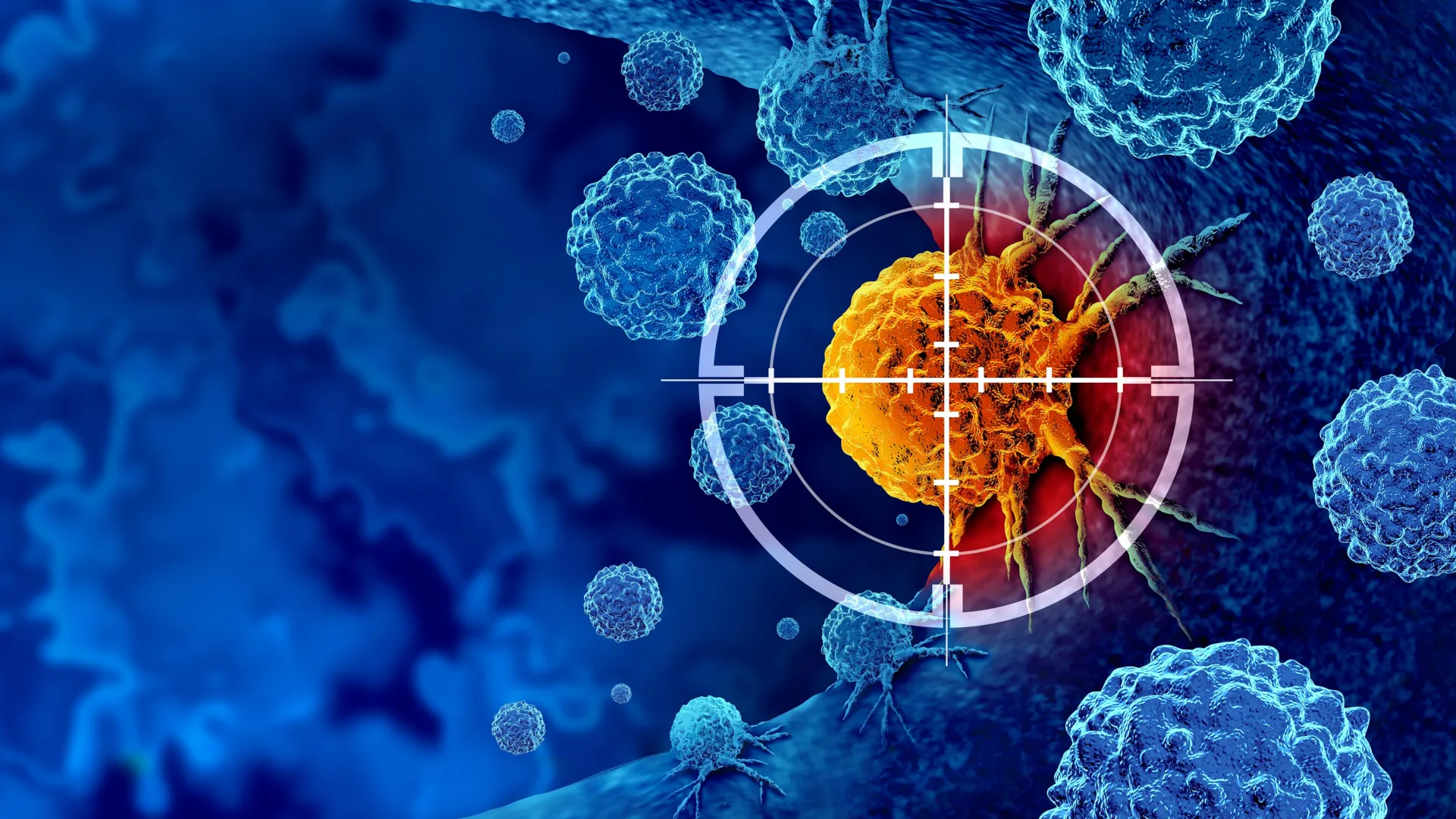
In a significant advancement for precision oncology, a collaborative research team has unveiled a novel RNA targeting technology designed to dismantle the defenses of "immune cold" prostate tumors. This experimental approach, which utilizes a specialized CRISPR-based system, effectively forces cancer cells to reveal themselves to the body’s natural defenses, potentially transforming the treatment landscape for one of the most common and resistant forms of cancer. By manipulating the architecture of messenger RNA (mRNA) within malignant cells, researchers have demonstrated a new method to restore the visibility of tumors, making them highly susceptible to existing immunotherapy drugs that previously failed to produce a response.
The study, published in the peer-reviewed journal Nature Biomedical Engineering, represents the culmination of over a decade of research into how cancer cells manipulate their genetic instructions to evade detection. Led by scientists from the Duke University School of Medicine and the University of Rochester Medicine, the research addresses a fundamental hurdle in the treatment of prostate cancer: the inability of T cells to penetrate the tumor microenvironment.
The Challenge of "Immune Cold" Prostate Tumors
Immunotherapy has revolutionized the treatment of various malignancies, such as melanoma and lung cancer, by leveraging the body’s immune system to identify and destroy cancerous cells. However, prostate cancer has remained largely resistant to these therapies. Most prostate tumors are classified as "immune cold," a term used to describe a microenvironment that lacks sufficient T cells—the primary "soldiers" of the immune system.
Without a robust presence of T cells within the tumor, immune checkpoint inhibitors—a class of drugs that remove the "brakes" on the immune system—have nothing to activate. The result is a treatment failure where the immune system remains unaware of the tumor’s presence. Statistics from the American Cancer Society highlight the urgency of this issue, noting that while the five-year survival rate for localized prostate cancer is nearly 100%, it drops to approximately 34% once the cancer has metastasized to distant parts of the body. For these patients, finding a way to make immunotherapy effective is a critical medical necessity.
A Twelve-Year Journey: From Glioblastoma to Prostate Cancer
The foundations of this breakthrough were laid twelve years ago by a research team led by Eric J. Wagner, PhD, now a professor of Biochemistry and Biophysics at the University of Rochester. While investigating glioblastoma, an aggressive form of brain cancer, Wagner’s team observed a curious phenomenon: the messenger RNA (mRNA) molecules within the tumor cells were significantly shorter than those found in healthy cells.
mRNA serves as the intermediary between DNA and protein production. In healthy cells, mRNA molecules have specific lengths and regulatory sequences at their ends, known as the "tails." In many types of cancer, these tails are prematurely truncated through a process known as Alternative Polyadenylation (APA).
Wagner’s subsequent research revealed that this shortening is not an accidental byproduct of cancer but a strategic adaptation. Shortened mRNAs are more stable and compact, making them resistant to enzymatic degradation within the cell. This stability allows the cancer cell to produce excessive amounts of specific proteins that help it survive, adapt to stress, and evade the immune system. The team likened this to animals like hedgehogs or pangolins that curl into a ball for protection; by making their mRNA "smaller," the cancer cells shield their genetic instructions from the cell’s internal regulatory mechanisms.
The Mechanism of Evasion: The SPSB1 and MHC-1 Connection
The research team identified a specific chain of events in prostate cancer that leads to immune evasion. The central player in this process is a protein called SPSB1. In prostate cancer cells, the mRNA responsible for producing SPSB1 is shortened, leading to an overproduction of the protein.
SPSB1 functions as a regulator that targets other proteins for degradation. Specifically, it targets the MHC-1 (Major Histocompatibility Complex Class 1) complex. The MHC-1 complex is a vital molecular signal located on the surface of cells; it acts as a "flag" that presents fragments of proteins to T cells. If a cell is cancerous or infected, the MHC-1 complex displays abnormal proteins, signaling the T cells to destroy the cell.
By overproducing SPSB1, prostate cancer cells effectively "trash" their MHC-1 complexes. Without these surface signals, the tumor becomes invisible to the immune system. T cells passing by the tumor do not recognize it as a threat, and the tumor remains "cold."
The CRISPR Cas13 Innovation: Re-Lengthening the Signal
To reverse this process, the Duke and Rochester researchers developed a first-of-its-kind therapeutic tool using a modified CRISPR Cas13 system. Unlike the more famous CRISPR Cas9, which targets and cuts DNA to make permanent genetic changes, CRISPR Cas13 is designed to target RNA.
In this experimental application, the researchers engineered the CRISPR tool not to cut the RNA, but to act as a physical block. The system was programmed to bind to a specific site on the SPSB1 mRNA. By occupying this location, the tool prevented the cancer cell’s machinery from shortening the mRNA tail.
This intervention forced the SPSB1 mRNA to remain at its normal, longer length. Once the mRNA was re-lengthened, it became subject to the cell’s natural regulatory controls again. The levels of SPSB1 protein dropped significantly, which in turn allowed the MHC-1 complexes to return to the surface of the prostate cancer cells.
Preclinical Results and Synergistic Success
The technology was tested in laboratory models and mice with prostate tumors. The results were definitive: once the MHC-1 signal was restored, the tumors that were previously "cold" became "hot."
Detailed analysis showed a massive influx of T cells into the tumor environment. When the researchers combined the CRISPR treatment with standard immune checkpoint therapy, the results were synergistic. The immune system, now able to see the cancer, successfully attacked and destroyed the tumor cells.
Furthermore, the researchers conducted a rigorous "off-target" analysis to ensure safety. One of the primary concerns with CRISPR technology is the potential for the tool to affect unintended parts of the genome or transcriptome. However, the study found no detectable off-target effects, suggesting that the Cas13 system is highly specific to the SPSB1 mRNA.
"No one has ever done this before," said Eric J. Wagner, PhD, co-author of the study and co-director of the Center for RNA Biology at the University of Rochester. "It’s an excellent preclinical model showing that mRNAs can be forced to re-lengthen and when they do, there’s therapeutic benefit. Cancer is super smart at evolving, but it’s not a magician. If we can hit it with immunotherapy and another synergistic drug that pumps up the immune response, we could potentially cure it."
Supporting Data and Broader Implications
The implications of this research extend far beyond prostate cancer. The phenomenon of mRNA shortening has been observed in a wide array of aggressive malignancies, including breast, lung, and colorectal cancers. The ability to "re-lengthen" mRNA could provide a modular platform for treating any cancer that uses APA to evade the immune system.
Current data suggests that approximately 80% of prostate cancer patients do not respond to initial immunotherapy treatments. If this RNA targeting technology can be successfully transitioned to human clinical trials, it could potentially double or triple the number of patients who benefit from life-saving immune-based drugs.
The research team has already begun the next phase of their investigation. Supported by pilot funding from the Wilmot Cancer Institute and the Roswell Park Comprehensive Cancer Center, Wagner and his colleagues are testing the technology in pancreatic cancer models. Pancreatic ductal adenocarcinoma is notoriously one of the most "immune cold" and lethal forms of cancer, with a five-year survival rate of only 12%. Applying the CRISPR Cas13 tool to pancreatic cancer represents a high-stakes test of the technology’s versatility.
Official Responses and Future Outlook
The oncology community has reacted with cautious optimism to the findings. While the study is currently in the preclinical stage, the novelty of using RNA-targeting CRISPR to modify the tumor microenvironment is viewed as a major conceptual leap.
"This work highlights the growing importance of RNA biology in cancer therapy," noted a representative from the National Cancer Institute, which funded the research. "By targeting the stability of the message rather than the gene itself, we open up a new layer of therapeutic intervention that was previously inaccessible."
The transition from mouse models to human patients will require the development of effective delivery systems, such as lipid nanoparticles, similar to those used in mRNA vaccines. Researchers must ensure that the CRISPR Cas13 components can be delivered specifically to tumor cells without being degraded in the bloodstream.
As the medical field moves toward more personalized approaches, the ability to "tune" a patient’s own mRNA to facilitate an immune response could become a cornerstone of future oncology. The study underscores a pivotal shift in strategy: instead of relying solely on external drugs to kill cancer, scientists are now learning how to fix the internal "glitches" that allow cancer to hide, essentially turning the patient’s own biology back into a weapon for health.
The research was supported by the National Institutes of Health, and the team is currently working toward finalizing the necessary safety data to propose a Phase I clinical trial. For thousands of men facing advanced prostate cancer, this experimental "magnet" for the immune system offers a new glimmer of hope in the fight against a resilient disease.
