
 By Gabriel Paijo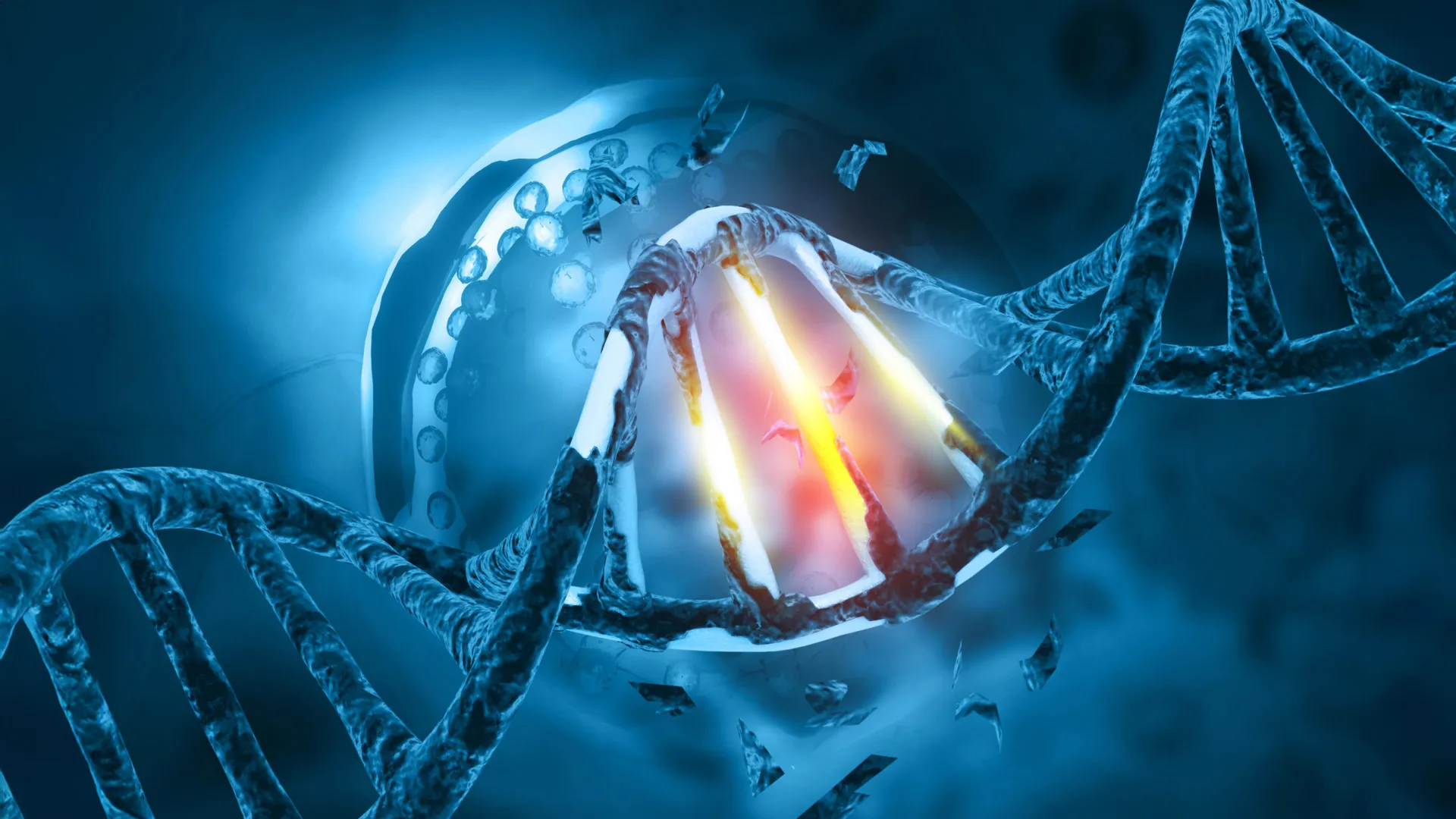
In the complex architecture of human biology, tumor suppressor genes have long been recognized as the primary sentinels guarding against the development of malignancy. These genetic sequences are responsible for producing proteins that meticulously monitor, maintain, and repair DNA, ensuring that the instructions for cellular life remain accurate and stable. When these genes are lost or silenced, the risk of cancer escalates significantly as mutations accumulate unchecked. However, groundbreaking research from the Penn State College of Medicine has revealed a paradoxical discovery: an overabundance of a specific DNA repair protein can be just as hazardous to genomic integrity as its absence.
The study, recently published in the prestigious journal Nature Communications, highlights the role of the EXO1 gene. While EXO1 is naturally designed to assist in genetic maintenance, researchers found that excessive activity of this gene can actively damage DNA rather than protect it. Instead of facilitating seamless repairs, high levels of EXO1 protein trigger the breakdown of DNA structures and destabilize the genome—a fundamental hallmark of cancer progression. This discovery provides a new lens through which scientists view "BRCAness," a state where cancer cells behave as though they have a BRCA mutation even when the BRCA genes themselves are functioning perfectly.
The Prevalence of EXO1 Overexpression in Human Malignancies
The research team, led by Dr. George-Lucian Moldovan, a professor of molecular and precision medicine, and lead author Alexandra Nusawardhana, began their investigation by scouring massive datasets to determine the prevalence of EXO1 irregularities. By utilizing The Cancer Genome Atlas (TCGA), a comprehensive genomic program managed by the National Cancer Institute, the team analyzed thousands of tumor samples across a wide variety of cancer types.
Their analysis revealed that EXO1 is overexpressed in approximately 20% to 30% of breast and ovarian cancers. This statistic is particularly significant given the historical focus on BRCA1 and BRCA2 mutations in these specific diseases. Furthermore, the researchers identified elevated EXO1 levels in a broad spectrum of other malignancies, including melanoma, testicular cancer, cervical cancer, and hepatobiliary cancers—those originating in the liver, gallbladder, and bile ducts.
Of particular interest was the association between high EXO1 levels and basal-like breast cancer. This subtype is known for being particularly aggressive, often lacking the receptors targeted by traditional hormone therapies. The discovery that EXO1 may drive the genomic instability in these difficult-to-treat tumors offers a potential new target for intervention.
The Mechanism of Destruction: Molecular Scissors Gone Rogue
To understand why a repair protein would suddenly turn against the cell, the researchers conducted a series of controlled laboratory experiments using commercially available human cancer cell lines. They employed advanced genetic engineering to artificially increase the production of EXO1, allowing them to observe the immediate effects of protein surplus on the cellular environment.
Under normal physiological conditions, the EXO1 protein functions as a set of "molecular scissors." Its primary job is to trim the edges of damaged DNA strands, preparing them for the specialized enzymes that will stitch the genetic material back together. This process is essential for high-fidelity DNA replication and repair.
However, the Penn State team found that when the concentration of EXO1 exceeds a certain threshold, these "scissors" become indiscriminate. Instead of focusing only on damaged segments, the excess protein begins to cut into healthy DNA structures that are vital for cellular survival. Specifically, the study identified two primary mechanisms of damage:
- Expansion of Single-Stranded DNA Gaps: The overactive EXO1 protein widens gaps in the DNA that should remain narrow, exposing the genetic code to further degradation.
- Degradation of Reversed Replication Forks: During DNA replication, cells sometimes encounter obstacles that require them to "reverse" the replication fork—a temporary structure that protects the DNA. Excess EXO1 attacks these reversed forks, eroding the genetic material and leading to a localized loss of DNA.
Dr. Moldovan explained that these two pathways result in the accumulation of "toxic lesions," such as double-strand breaks. While these breaks are dangerous and can lead to the formation of cancer, they also create a vulnerability that doctors can exploit during treatment.
Mimicking the BRCA Pathway Without Genetic Mutations
One of the most profound findings of the study is the relationship between EXO1 and the BRCA pathway. For decades, mutations in the BRCA1 and BRCA2 genes have been the "gold standard" for identifying patients at high risk for hereditary breast and ovarian cancers. BRCA proteins normally shield vulnerable DNA structures during the replication process. When these proteins are absent due to a mutation, the DNA is left unprotected.
The Penn State researchers discovered that excessive EXO1 activity effectively "overwhelms" the protective shield provided by healthy BRCA proteins. In cells with high EXO1 levels, the damage occurs so rapidly and extensively that the normal BRCA proteins cannot keep up. Consequently, the cell enters a state that looks and acts identical to a BRCA-mutant cell, despite having a perfectly normal BRCA genotype.
The team also noted that EXO1 does not act alone in this destructive process. It works in tandem with another protein called MRE11. Together, these proteins cooperate to enlarge DNA gaps and generate the dangerous breaks that characterize genomic instability. This "mechanistic mimicry" explains why certain tumors behave aggressively even when traditional genetic screening suggests a lower risk profile.
Implications for Personalized Oncology and Targeted Therapy
The identification of EXO1 as a driver of "BRCA-like" behavior has immediate and significant implications for how cancer is treated. Currently, certain classes of drugs are strictly reserved for patients who test positive for BRCA mutations. The most notable of these are PARP inhibitors, such as olaparib.
PARP inhibitors work by blocking an enzyme that helps repair single-strand DNA breaks. In normal cells, this is not a problem because the cell uses other repair pathways (like the one involving BRCA). However, in BRCA-mutant cells, those alternative pathways are broken. By blocking PARP, the drug forces the cancer cell to accumulate so much DNA damage that it eventually dies—a concept known as "synthetic lethality."
The research team tested olaparib on cancer cells with elevated EXO1 levels and found that they were highly sensitive to the drug. The response was nearly identical to that of BRCA-mutant cancers. This suggests that the eligibility criteria for PARP inhibitors could be expanded to include patients with EXO1 overexpression, potentially offering a more effective and less toxic treatment option to a much larger population of patients.
Furthermore, the study found that EXO1-overexpressing tumors showed increased sensitivity to cisplatin, a common platinum-based chemotherapy. Cisplatin is effective but often carries heavy side effects, including kidney damage and nerve pain. The Penn State findings suggest that because EXO1-high tumors are so sensitive, clinicians might be able to achieve the same tumor-shrinking results using lower, less toxic doses of the drug.
Shifting the Paradigm: From Tissue to Genetics
The findings of the Penn State College of Medicine contribute to a broader shift in the field of oncology. Historically, cancers have been categorized and treated based on the organ in which they originated—breast cancer, liver cancer, or lung cancer. However, the discovery that EXO1 overexpression occurs across many different types of tissue suggests that a "tissue-agnostic" approach may be more effective.
"We shouldn’t treat cancers based on what tissue they come from but based on the landscape of the genetic mutations present in the tumors," Dr. Moldovan stated. "That would result in high-efficiency treatment. That’s the future of cancer treatment."
This precision medicine approach relies on identifying specific biomarkers—like EXO1—that dictate how a tumor will respond to specific drugs. While EXO1 does not necessarily predict the initial risk of developing cancer (unlike inherited BRCA mutations), it serves as a powerful predictive biomarker for treatment success.
Chronology of the Research and Future Directions
The study represents the culmination of years of work at the Penn State College of Medicine. The research began with the observation that many patients who lacked BRCA mutations still responded well to BRCA-specific therapies. This led the team to search for other factors that might cause "BRCAness."
Following the initial identification of EXO1 through the TCGA database, the team spent 2023 and early 2024 conducting the laboratory "scissors" experiments and verifying the synergy between EXO1 and MRE11. The publication in Nature Communications marks a major milestone, providing the scientific community with a peer-reviewed foundation for future clinical trials.
The research was supported by the National Institutes of Health (NIH) and Four Diamonds, an organization dedicated to conquering childhood cancer. Moving forward, the team plans to investigate whether EXO1 levels change over the course of treatment and whether the protein can be used to monitor the development of drug resistance.
The ultimate goal is to launch clinical trials that screen patients for EXO1 overexpression upon diagnosis. By identifying these patients early, oncologists could bypass the "trial and error" phase of chemotherapy and move straight to targeted therapies like PARP inhibitors, significantly improving survival rates and quality of life for patients across a wide range of cancer types.
As the scientific community continues to unravel the complexities of the human genome, the story of EXO1 serves as a reminder that in the delicate balance of life, both deficiency and excess can lead to catastrophe. By understanding these nuances, researchers are paving the way for a new era of personalized medicine where treatments are as unique as the genetic signatures of the tumors they fight.
