
 By Nana O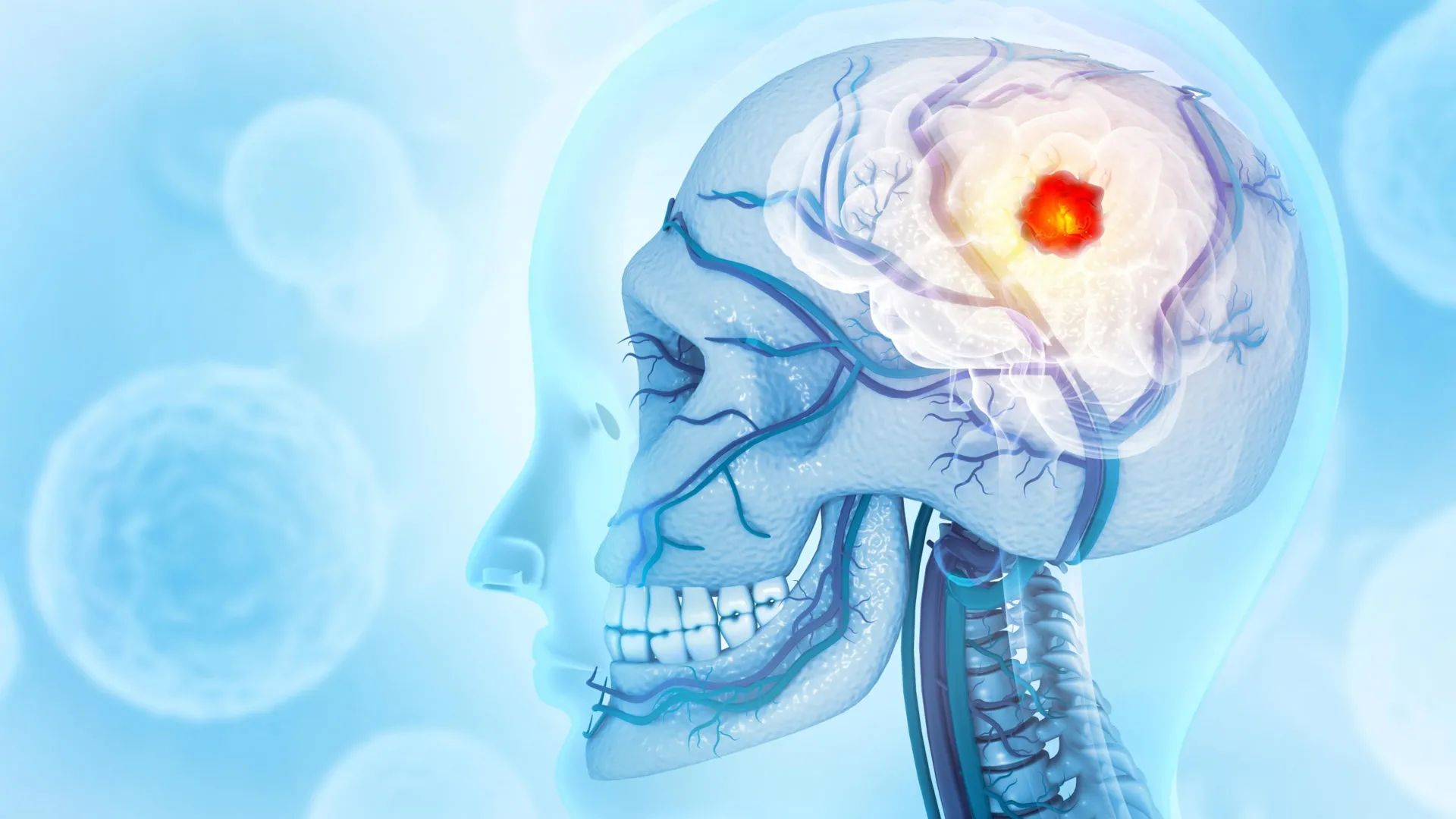
Researchers from Montefiore Einstein Comprehensive Cancer Center (MECCC) and Albert Einstein College of Medicine have unveiled a groundbreaking understanding of glioblastoma, the most aggressive and lethal form of brain cancer. Their findings, published on October 3 in the esteemed journal Nature Neuroscience, reveal that this formidable disease extends its destructive reach far beyond the brain tissue itself. Glioblastoma not only infiltrates and damages the brain but also actively corrodes the skull bone, fundamentally alters the immune cell composition within the skull’s marrow, and consequently, disrupts the body’s intricate immune system. This paradigm-shifting discovery challenges the long-held view of glioblastoma as a purely localized intracranial malignancy and suggests that conventional treatment strategies, focused solely on the tumor within the brain, may be insufficient. Furthermore, the research indicates that medications intended to mitigate bone loss, a common concern in various medical conditions, could paradoxically accelerate the progression of glioblastoma, highlighting a critical and unexpected interaction between bone health and brain cancer.
The implications of this research are profound, potentially reshaping how glioblastoma is understood, diagnosed, and treated. For decades, glioblastoma has remained a formidable challenge in oncology, marked by its rapid growth, infiltrative nature, and resistance to therapy. The current standard of care, a multimodal approach involving surgery, radiation, and chemotherapy, offers limited success, with a median survival time of approximately 15 months for affected patients in the United States. This stark reality underscores the urgent need for novel therapeutic targets and a deeper comprehension of the complex biological mechanisms that drive this devastating disease.
The Unseen Assault: Glioblastoma’s Impact on the Skull and Marrow
Traditionally, glioblastoma has been conceptualized as a disease confined within the cranial vault, attacking neurons and glial cells. However, the recent work by Jinan Behnan, Ph.D., assistant professor in the Leo M. Davidoff Department of Neurological Surgery and in the department of microbiology & immunology at Einstein, and a member of the NCI-designated MECCC, and her colleagues, paints a far more systemic picture. "Our discovery that this notoriously hard-to-treat brain cancer interacts with the body’s immune system may help explain why current therapies — all of them dealing with glioblastoma as a local disease — have failed, and it will hopefully lead to better treatment strategies," stated Dr. Behnan, the paper’s corresponding author. This statement encapsulates the core of their revelation: glioblastoma is not merely a brain tumor; it is a disease that engages with and manipulates the body’s broader physiological systems, including its skeletal and immune defenses.
The research team was particularly intrigued by recent findings that illuminated the existence of extremely thin channels connecting the skull to the brain. These micro-pathways are now understood to facilitate the exchange of crucial molecules and immune cells between these two distinct yet interconnected environments. This anatomical revelation served as a crucial springboard for their investigation into the skull’s role in glioblastoma progression.
A Chronology of Discovery: From Observation to Molecular Insight
The genesis of this research can be traced to a growing recognition that the brain’s microenvironment is not isolated but rather intricately linked to surrounding tissues. While the precise timeline of the research program is not detailed, the publication in Nature Neuroscience signifies the culmination of extensive experimental work. The researchers employed advanced imaging technologies to meticulously examine mice engineered to develop two distinct types of glioblastoma. Their observations revealed a startling pattern: the tumors induced significant erosion of the skull bones, with a particular predilection for the sutures, the fibrous joints where cranial bones fuse.
Crucially, this bone loss appeared to be a specific hallmark of aggressive brain tumors like glioblastoma. The researchers observed no comparable bone erosion in mice subjected to other forms of brain injury, such as strokes, or in those with cancers located elsewhere in the body. This specificity strongly suggests that the tumor itself, or its associated biological processes, actively drives the degradation of cranial bone. To validate these findings in humans, the team analyzed CT scans of patients diagnosed with glioblastoma. The human data mirrored the observations in mice, revealing significant reductions in skull thickness in the same cranial regions affected by the tumors. This cross-species correlation lends substantial weight to their conclusions.
The erosion of skull bone, according to the study’s proposed mechanism, leads to an enlargement of the channels connecting the skull and brain. The scientists hypothesize that these widened pathways serve as conduits for the tumor to disseminate molecular signals into the skull marrow. These signals, in turn, are believed to profoundly alter the immune landscape within the marrow, creating an environment that is increasingly conducive to tumor growth and survival.
The Marrow’s Immune Shift: A Tilt Toward Inflammation
The alteration of the skull marrow’s immune environment was investigated using cutting-edge single-cell RNA sequencing. This powerful technique allowed researchers to dissect the cellular composition of the marrow at an unprecedented level of detail. The results were striking: glioblastoma had dramatically rewired the immune cell balance within the skull marrow, overwhelmingly favoring pro-inflammatory myeloid cells. Specifically, the study found a near doubling in the levels of inflammatory neutrophils, a type of white blood cell crucial for fighting infection but also implicated in inflammatory processes. Concurrently, several types of antibody-producing B cells and other B cell populations were nearly eliminated.
"The skull-to-brain channels allow an influx of these numerous pro-inflammatory cells from the skull marrow to the tumor, rendering the glioblastoma increasingly aggressive and, all too often, untreatable," explained E. Richard Stanley, Ph.D., a professor of developmental and molecular biology at Einstein and a co-author of the study. This observation provides a compelling explanation for the aggressive nature of glioblastoma and its recalcitrance to existing therapies. The influx of pro-inflammatory cells, rather than mounting an effective anti-tumor response, appears to inadvertently fuel the cancer’s growth and spread.
The study further highlights the systemic nature of glioblastoma by demonstrating differential responses in bone marrow located in different parts of the skeleton. While the skull marrow exhibited an activation of genes that promoted the production of inflammatory immune cells, the marrow in the femur, a long bone in the leg, showed the opposite effect. In femur marrow, glioblastoma actively suppressed genes essential for the production of several types of immune cells. This disparity suggests that the skull, due to its direct proximity and specialized vascularization, plays a unique and critical role in the systemic immune dysregulation caused by glioblastoma.
Unintended Consequences: Anti-Osteoporosis Drugs and Glioblastoma
A particularly intriguing aspect of the research explored the potential impact of anti-osteoporosis medications on glioblastoma. Given that these drugs are designed to prevent bone loss, the researchers hypothesized that they might mitigate the skull erosion induced by the tumor. To test this, they administered two FDA-approved osteoporosis drugs, zoledronic acid and denosumab, to mice bearing glioblastoma tumors.
The results were complex and carried significant implications. Both drugs successfully halted skull bone erosion. However, one of the drugs, zoledronic acid, was found to accelerate tumor progression in one specific type of glioblastoma model. Furthermore, both medications interfered with the efficacy of anti-PD-L1, a promising immunotherapy drug that works by boosting the activity of tumor-fighting T cells. This finding suggests a delicate balance in the tumor’s interaction with the bone and immune system, where interventions aimed at one aspect can have unforeseen and detrimental effects on others. It underscores the need for extreme caution when considering the use of bone-modulating agents in patients with glioblastoma and emphasizes the importance of further research to fully elucidate these interactions.
Broader Impact and Future Directions
The discovery that glioblastoma actively remodels the skull and manipulates the skull marrow’s immune environment opens up entirely new avenues for therapeutic intervention. The current focus on treating glioblastoma as a localized disease within the brain may need to be broadened to encompass a more systemic approach.
The implications for patient care are substantial. If glioblastoma’s progression is indeed linked to an inflammatory cascade originating from the skull marrow, then targeting this inflammatory environment could become a critical component of future treatment strategies. Dr. Stanley’s suggestion points towards a potential therapeutic strategy: "This indicates the need for treatments that restore the normal balance of immune cells in the skull marrow of people with glioblastoma. One strategy would be suppressing the production of pro-inflammatory neutrophils and monocytes while at the same time restoring the production of T and B cells." This could involve developing novel drugs that modulate the immune cell populations within the skull marrow, or potentially repurposing existing immunotherapies in conjunction with bone-targeted agents, albeit with careful consideration of the risks identified.
The National Cancer Institute (NCI) estimates that approximately 15,000 individuals in the United States are diagnosed with glioblastoma annually. The bleak prognosis associated with this cancer, characterized by a median survival of around 15 months despite aggressive treatment, highlights the critical unmet need for more effective therapies. This new understanding of glioblastoma’s systemic effects offers a glimmer of hope, suggesting that by targeting the tumor’s interactions with the skull and immune system, clinicians might be able to disrupt its aggressive trajectory and improve patient outcomes.
The collaborative nature of this research, involving multiple institutions and researchers from both the United States and Japan, underscores the global effort to combat this devastating disease. The full list of authors on the Nature Neuroscience paper, "Brain Tumors Induce Widespread Disruption of Calvarial Bone and Alteration of Skull Marrow Immune Landscape," includes Abhishek Dubey, Biljana Stangeland, Imane Abbas, David Fooksman, Ph.D., Wade R. Koba, B.S., Jinghang Zhang, M.D., Benjamin T. Himes, Ph.D., Derek Huffman, Ph.D., Zhiping Wu, Rachel Welch, David Reynolds, B.S., Kostantin Dobrenis, Ph.D., Qinge Ye, and Kevin Fisher from MECCC and Einstein, along with Emad Eskandar, M.D. Additional contributions came from Erika Yamashita, Yutaka Uchida, and Masaru Ishii at Osaka University in Japan; Robert A. Harris at Karolinska Hospital in Sweden; Gregory M. Palmer at Duke University Medical Center in North Carolina; Olivia R. Lu and Winson S. Ho at the University of California, San Francisco; and Alexander F. Fiedler at the German Rheumatism Research Center and Freie Universität Berlin in Germany. This extensive collaboration signifies the breadth and depth of the scientific inquiry.
Future Research and Clinical Translation
The findings presented in Nature Neuroscience represent a significant leap forward in understanding glioblastoma. However, they also open a Pandora’s Box of questions that will require extensive further investigation. Future research will likely focus on:
- Elucidating the specific molecular signals responsible for skull erosion and immune cell alteration.
- Developing targeted therapies that can selectively modulate the skull marrow’s immune environment without causing adverse effects.
- Investigating the precise mechanisms by which anti-osteoporosis drugs interact with glioblastoma and immunotherapy.
- Conducting further human studies to validate these findings and explore the clinical utility of novel treatment approaches.
- Exploring the potential for early diagnostic markers based on changes in skull bone density or immune cell profiles.
The journey from laboratory discovery to clinical application is often long and arduous. However, the fundamental shift in understanding glioblastoma from a localized brain disease to a systemic one that actively remodels bone and manipulates the immune system provides a critical new framework for developing more effective treatments for this deadly cancer. This research not only challenges existing paradigms but also offers tangible hope for improved patient outcomes in the years to come.
