
 By admin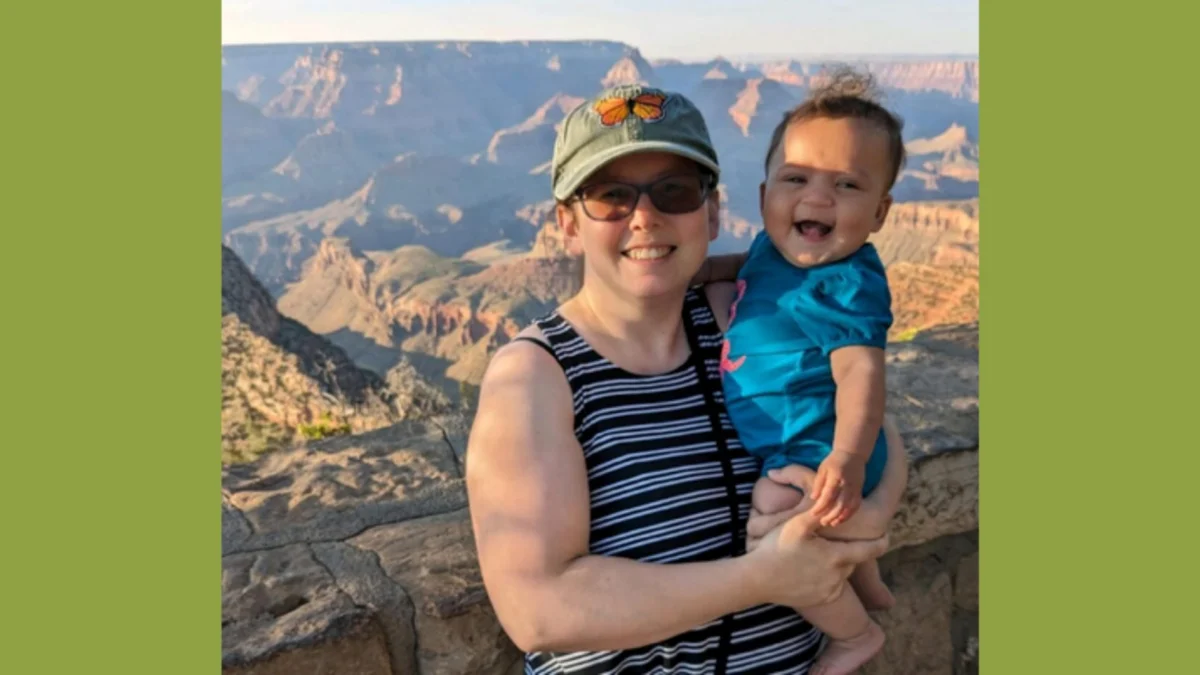
The trajectory of pediatric cancer treatment over the last several decades presents a complex dichotomy of significant survival breakthroughs and a stagnant pharmacological landscape. The case of Liz Kaiser, diagnosed with osteosarcoma at the age of 13, serves as a poignant illustration of this reality. Two decades after her initial diagnosis, Kaiser’s journey from a middle school athlete to a radiologic technologist and mother highlights both the triumphs of modern limb-salvage surgery and the enduring physical tolls of legacy chemotherapy protocols. Her story, underscored by her father Greg’s advocacy, brings renewed focus to the systemic funding gaps that leave pediatric oncology reliant on decades-old treatment regimens.
Clinical Presentation and the Path to Diagnosis
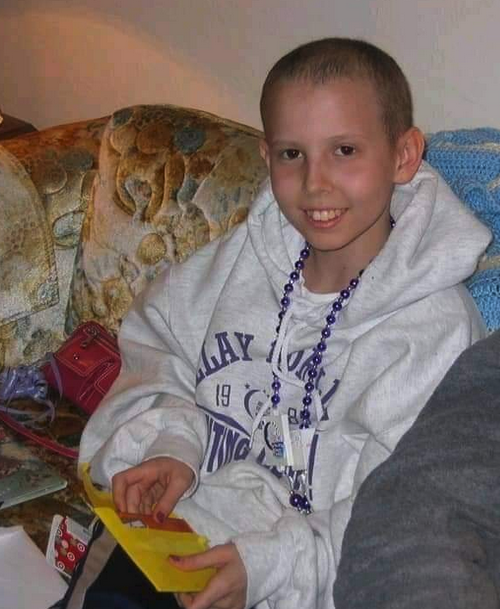
In the autumn of her eighth-grade year, Liz Kaiser was an active volleyball player. When persistent pain developed in her right leg, it was initially dismissed as a routine sports-related injury—a common occurrence in pediatric oncology where early symptoms of bone cancer often mimic growing pains or minor trauma. Following standard protocols of rest, ice, compression, and elevation (RICE), the pain failed to subside, eventually prompting a return to her pediatrician.
The subsequent transition from primary care to specialized oncology began with a Magnetic Resonance Imaging (MRI) scan, which identified a suspicious mass located just below the growth plate of her right knee. On the day following Thanksgiving, a biopsy was performed, confirming a diagnosis of osteosarcoma. Osteosarcoma is the most common primary malignant bone tumor in children and adolescents, typically occurring during periods of rapid bone growth. According to data from the American Cancer Society, approximately 800 to 1,000 new cases are diagnosed annually in the United States, with about half of these occurring in children and teens.
For the Kaiser family, the diagnosis was an immediate entry into a high-stakes medical environment. Greg Kaiser recalls the terminology of "cancer" being introduced even before the specific subtype was confirmed, marking the beginning of a year-long intensive intervention.
The Treatment Regimen: Surgery and Systemic Therapy
Kaiser’s treatment plan, initiated in December of her 13th year, followed the standard "gold-standard" protocol for localized osteosarcoma: neoadjuvant chemotherapy, followed by definitive surgical resection, and concluding with adjuvant (maintenance) chemotherapy.
The surgical component involved an arduous eight-hour reconstructive procedure. In previous decades, a diagnosis of osteosarcoma in the extremities frequently resulted in amputation. However, advancements in limb-salvage surgery allowed surgeons to resect the tumor and reconstruct the knee joint, preserving the limb’s functionality. Despite the success of the surgery, the systemic impact of the chemotherapy was profound.
The maintenance phase of her treatment lasted nearly a year. Kaiser reached a significant milestone when she completed her final round of chemotherapy on the eve of Halloween. In a display of typical adolescent resilience, she participated in holiday festivities in a wagon, dressed as the Sesame Street character Zoey, accompanied by her younger brother. However, the completion of active treatment did not signify the end of her medical challenges.
Late Effects and the Complications of Survivorship
The "cure" for pediatric cancer often carries a high price in the form of "late effects"—health problems that occur months or years after treatment has ended. For Kaiser, the immediate aftermath of chemotherapy included severe bone fragility. Months after finishing her regimen, the weakened state of her skeletal structure resulted in a catastrophic fall that broke both of her legs, necessitating further surgical intervention and a prolonged period of recovery in a wheelchair.
Now, nearly 20 years later, Kaiser continues to manage a suite of chronic conditions directly attributable to her life-saving treatment:
- Ototoxicity: Hearing loss is a common side effect of platinum-based chemotherapy agents like cisplatin, which are frequently used to treat osteosarcoma.
- Orthopedic Limitations: Kaiser experiences significantly limited range of motion in her right knee and is facing the inevitability of a total knee replacement in the future.
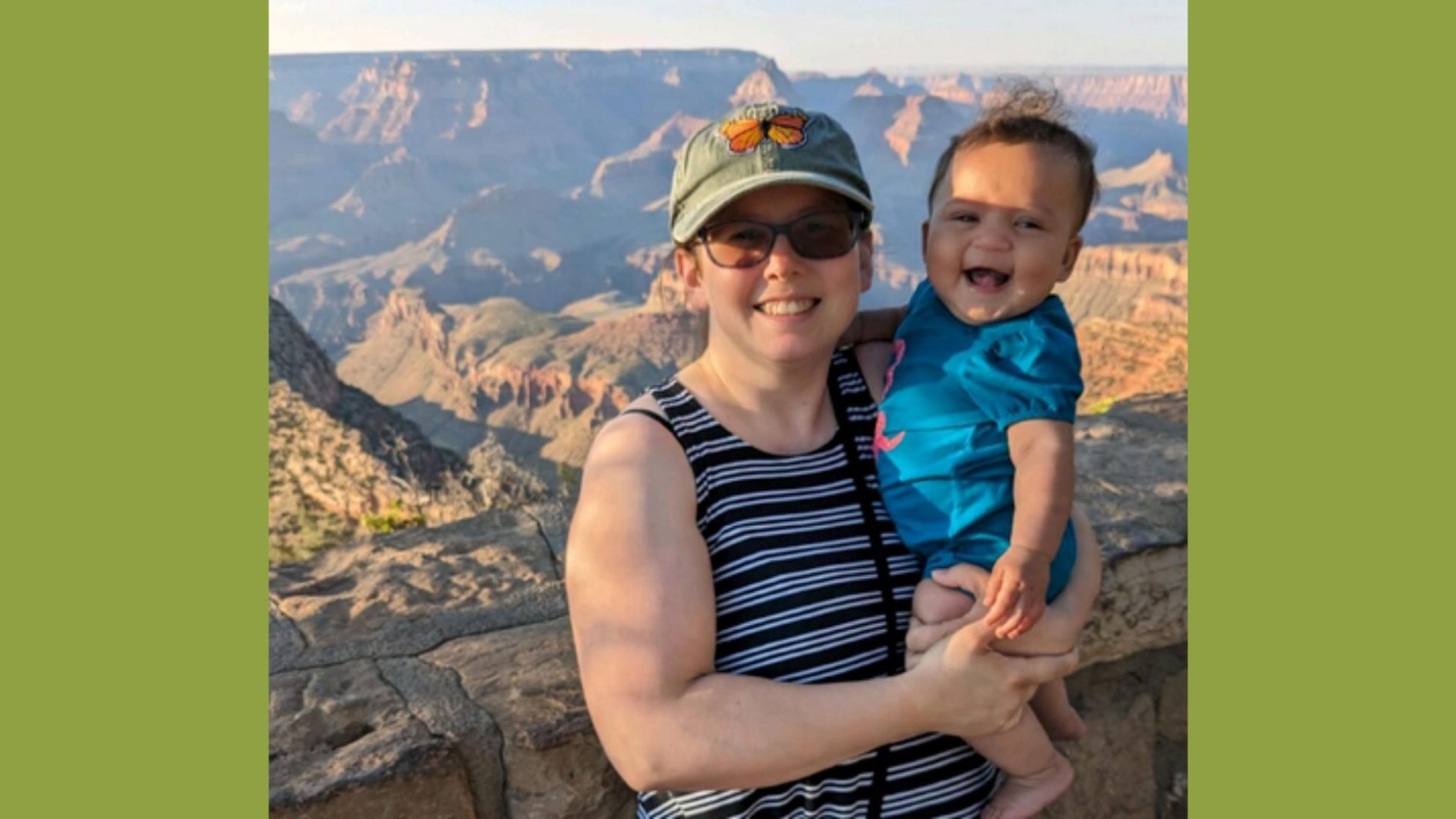
- Physical Restrictions: The permanent structural changes to her leg prevent her from running or engaging in high-impact physical play with her three-year-old daughter, Isabelle.
These complications are not isolated incidents but are representative of the broader survivor population. Data from the Children’s Oncology Group suggests that by age 50, more than 50% of childhood cancer survivors will experience a severe or life-threatening chronic health condition related to their earlier treatment.
The Stagnation of Pediatric Oncology Research
A central theme in the Kaiser family’s advocacy is the lack of innovation in pediatric cancer drugs. Greg Kaiser noted that the treatment his daughter received 20 years ago was already 30 years old at the time. This 50-year-old therapeutic framework persists because of what experts call the "pediatric oncology funding gap."
While adult cancer research receives significant investment from pharmaceutical companies due to the larger market size, pediatric cancers are classified as rare diseases. The National Cancer Institute (NCI) allocates approximately 4% of its total budget specifically to pediatric cancer research. Because the financial return on investment is lower for childhood-specific drugs, private industry has little incentive to develop new molecular entities for this demographic. Consequently, many pediatric oncologists are forced to use "off-label" adult drugs or decades-old protocols that, while effective at killing cancer cells, lack the precision to spare developing organs and tissues from long-term damage.
"Every dollar raised brings us closer to better, safer treatments—and more survivors like Liz," Greg Kaiser stated, emphasizing that the goal is not just survival, but survival with a higher quality of life and fewer long-term disabilities.
Professional Integration and the Circle of Care
Liz Kaiser’s experience within the healthcare system profoundly influenced her professional trajectory. Today, she serves as a radiologic technologist, the very professional role that facilitated her own diagnosis and monitoring. Her career choice represents a "full circle" integration of her patient experience into a service-oriented medical role.
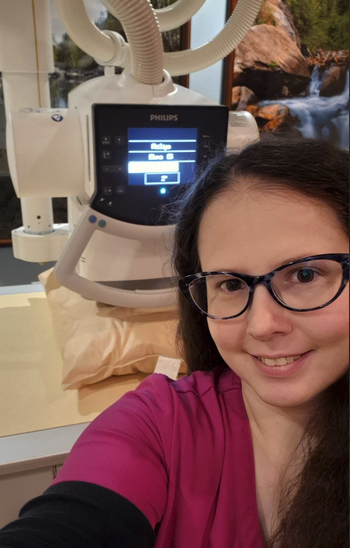
In her daily work, Kaiser utilizes the same imaging technologies—MRI, CT, and X-ray—that once defined her life as a patient. This transition from patient to provider offers a unique perspective on patient care, particularly for adolescents facing similar orthopedic or oncological challenges.
The Milestone of Motherhood
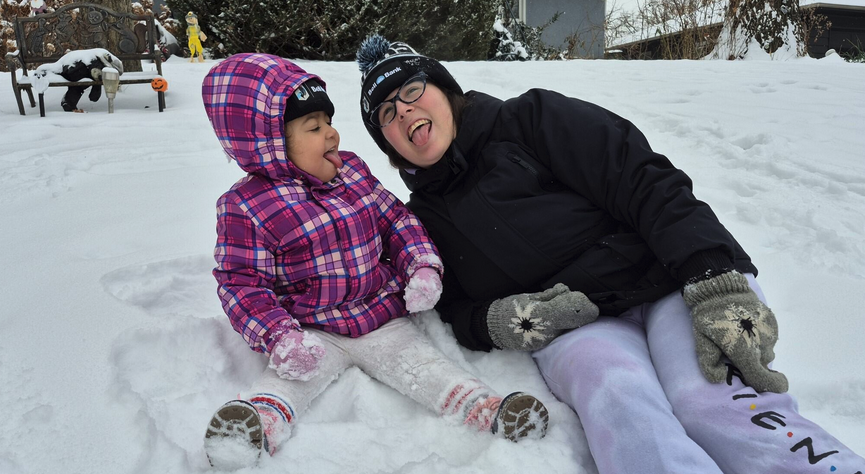
Beyond her professional achievements, Kaiser’s role as a mother to her daughter, Isabelle (Izzy), represents a milestone that was once considered uncertain. Many intensive chemotherapy regimens can impact future fertility, making the birth of her daughter a significant personal victory.
Kaiser acknowledges the daily adaptations required to parent with physical limitations. "She likes to run, and I can’t run after her," Kaiser said. "If she wants me to get down on the floor and crawl around and play, that’s hard for me, too." These challenges are mitigated by a robust support system, including her mother and stepfather, ensuring that Isabelle remains active and engaged while Kaiser manages her physical boundaries.
For Greg Kaiser, watching his daughter raise a child of her own is the ultimate testament to the importance of the initial medical intervention. "For so many years we didn’t know if that would be possible," he remarked, noting the profound shift from the "nightmare" of the initial diagnosis to the normalcy of family life.
Analysis: The Future of Pediatric Osteosarcoma Advocacy
The case of Liz Kaiser underscores a critical need for a shift in how society approaches pediatric cancer. While survival rates for localized osteosarcoma have improved to approximately 60-70% due to aggressive surgery and multi-agent chemotherapy, these statistics have remained largely unchanged since the 1980s. Furthermore, for patients whose cancer has metastasized at diagnosis, the prognosis remains significantly grimmer.
The implications of Kaiser’s story suggest three primary areas for policy and medical focus:
- Increased Federal and Private Funding: Addressing the "4% problem" to ensure that pediatric-specific research receives the capital necessary for genomic and immunotherapy-based breakthroughs.
- Focus on Survivorship Medicine: As the population of childhood cancer survivors grows, healthcare systems must develop specialized clinics to manage the unique late effects of legacy treatments.
- Advancement of Precision Medicine: Developing targeted therapies that can replace broad-spectrum cytotoxic chemotherapy, thereby reducing the incidence of hearing loss, secondary cancers, and organ failure in survivors.
Liz Kaiser’s closing message remains one of persistence. "Don’t give up," she advised. "Don’t avoid trying something because you think it might be difficult." As she continues her career in medical imaging and raises her daughter, her life stands as a living record of the progress made in pediatric oncology—and a reminder of the significant work that remains to be done to ensure that the next generation of survivors faces fewer hurdles. For the Kaiser family and thousands of others, the message is clear: survival is the first step, but the ultimate goal is a future where the cure is as gentle as it is effective.
