
 By admin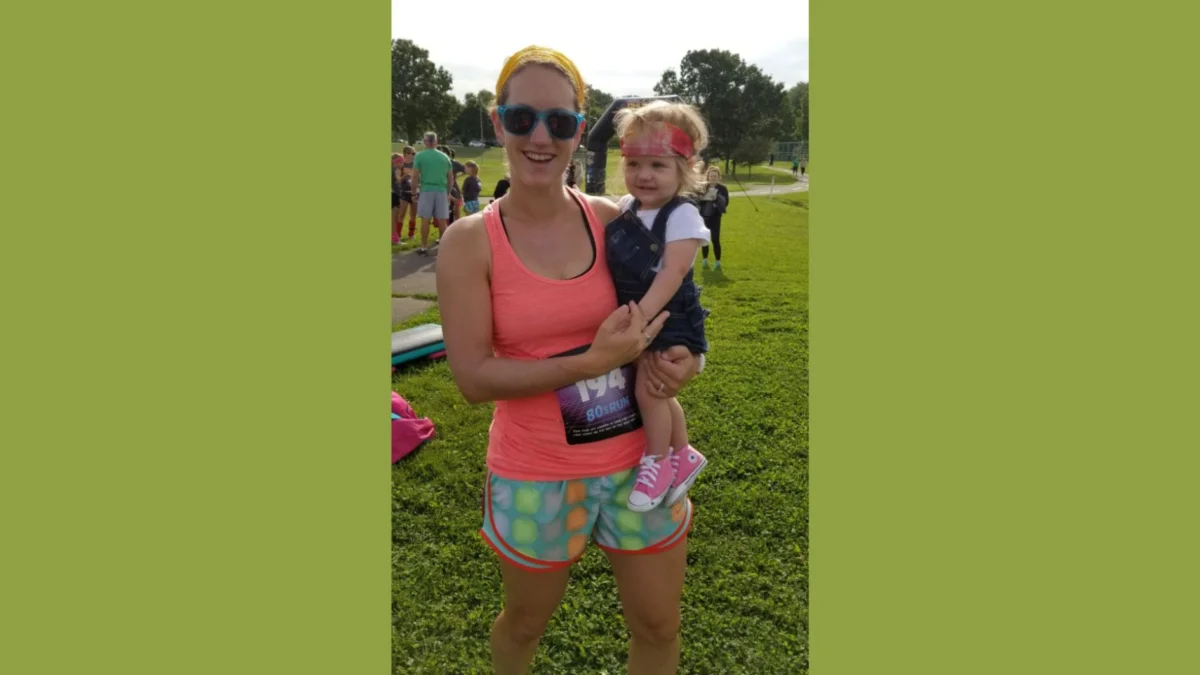
The annual tradition of Grandma’s Marathon in Duluth, Minnesota, has long been recognized as a premier event in the global distance running circuit, drawing thousands of athletes to the scenic North Shore of Lake Superior. While many participants compete for personal records or the prestige of completing one of the nation’s most storied races, a dedicated group of runners known as Team CCRF is preparing for the 2024 event with a mission that transcends the finish line. Among them are Tim Lapping and Tami Swenson, two individuals whose motivations for tackling the 26.2-mile course are rooted in personal experiences with pediatric cancer and a professional understanding of the critical need for expanded research funding. Their participation highlights a growing trend of "charity racing," where the physical endurance of the marathon serves as a platform to address the systemic funding gaps in pediatric oncology.
The Legacy and Economic Impact of Grandmas Marathon
Grandma’s Marathon, established in 1977, has evolved from a local race with 150 participants into a world-class event that serves as a cornerstone of the Duluth economy and the regional sporting culture. The point-to-point course, which begins in Two Harbors and concludes in Duluth’s Canal Park, is celebrated for its flat, fast profile and the cooling influence of Lake Superior. For the city of Duluth, the marathon weekend is the largest annual tourist event, typically generating an economic impact exceeding $20 million.
However, the event’s significance extends beyond commerce. It has become a vital site for philanthropic engagement. Organizations like the Children’s Cancer Research Fund (CCRF) utilize the marathon’s high visibility to mobilize donors and athletes. Team CCRF, the fundraising arm of the organization, provides a structured pathway for runners to pair their athletic goals with social impact. The funds raised through these efforts are directed toward clinical trials, the development of less toxic treatments, and support services for families navigating a cancer diagnosis.
Professional Insight and Personal Stakes: The Story of Tim Lapping
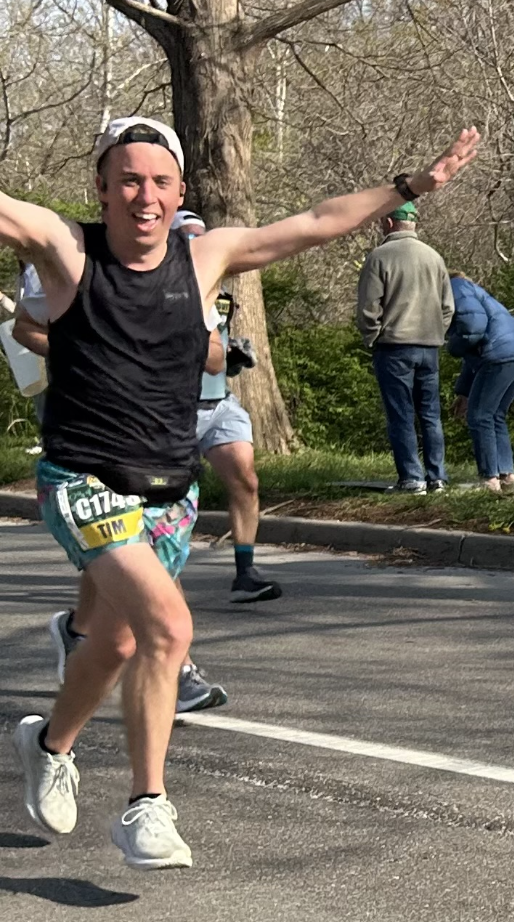
For Tim Lapping, a Kansas City resident and first-time marathoner, the decision to run Grandma’s Marathon was a convergence of professional expertise and family history. Lapping has spent over a decade working within the clinical research sector, specifically focusing on oncology studies at a regional children’s hospital. In this capacity, he has maintained a front-row seat to the rigorous process of drug development and the logistical hurdles of bringing new therapies to the bedside.
Lapping’s professional perspective underwent a profound shift when his four-year-old nephew was diagnosed with leukemia. The diagnosis transformed his understanding of clinical data into a lived reality of hospital stays, treatment protocols, and the uncertainty inherent in pediatric cancer care. Today, his nephew is two years cancer-free, a milestone Lapping attributes directly to the decades of scientific inquiry funded by private and public donors.
"He’s been cancer-free for about two years now, and I know that wouldn’t have been possible without years and years of research," Lapping stated. His involvement in the marathon is an extension of this belief. By training four days a week while managing the demands of his career and family life—including his wife, Sophie, and sons, Freddie and Beau—Lapping is utilizing the race to bridge the gap between the laboratory and the patient. He noted that the fundraising aspect provides a "noble cause" that elevates the training process from a personal challenge to a contribution to a broader scientific and social movement.
Enduring Loss and Finding Purpose: Tami Swenson’s Journey
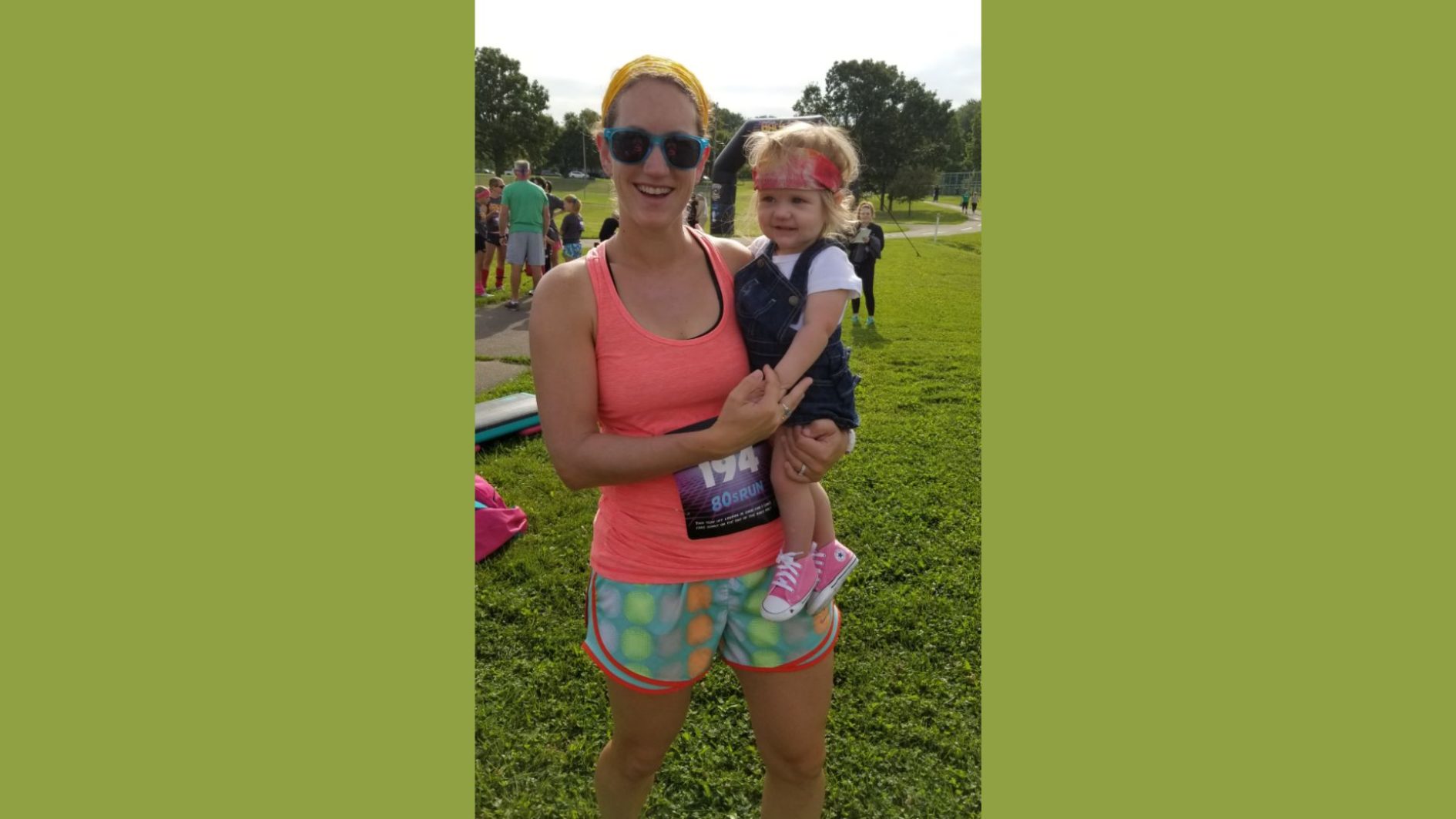
While Lapping runs in celebration of a recovery, Tami Swenson runs in memory of a loss. Swenson, an experienced marathoner from California with over 15 races to her credit, is traveling to Minnesota to honor her daughter, Ada. In 2023, five-year-old Ada passed away following a 15-month battle with leukemia. Her treatment regimen was exhaustive, encompassing chemotherapy, a bone marrow transplant, and participation in two separate clinical trials.
Throughout Ada’s treatment, the Children’s Cancer Research Fund played a symbolic and practical role in her life. Swenson recounted how Ada would navigate the hospital hallways on her bike, accompanied by "C.C. Bear," a plush toy provided by CCRF to comfort children in treatment. For Swenson, Grandma’s Marathon represents the fulfillment of a long-held athletic goal and a way to channel grief into advocacy.
The psychological toll of marathon training—often involving solitary runs exceeding 20 miles—is mitigated for Swenson by her focus on the "why" behind her effort. "When I’m having a tough time training, thinking about why I’m doing it gets me through the miles," she shared. Her participation underscores the role of endurance sports as a medium for processing trauma and contributing to the prevention of future tragedies through the support of medical research.
The State of Childhood Cancer Research Funding
The stories of Lapping and Swenson are set against a backdrop of significant challenges in the landscape of pediatric oncology. According to data from the National Cancer Institute (NCI), while cancer is the leading cause of death by disease for children in the United States, pediatric cancer research receives only about 4% of the NCI’s annual budget. This disparity necessitates the involvement of private organizations like CCRF to fill the void.
Leukemia, the disease that affected both Lapping’s nephew and Swenson’s daughter, is the most common form of childhood cancer, accounting for nearly 28% of all pediatric diagnoses. While survival rates for certain types, such as Acute Lymphoblastic Leukemia (ALL), have improved significantly over the last 30 years, other forms remain difficult to treat, and the long-term side effects of intensive chemotherapy and radiation can lead to secondary health issues later in life.
Private funding is particularly crucial for the "Phase I" and "Phase II" clinical trials mentioned in Ada’s history. These early-stage trials are essential for testing the safety and efficacy of new drugs but are often deemed too risky or insufficiently profitable for major pharmaceutical companies to fund independently. By raising money through events like Grandma’s Marathon, Team CCRF enables researchers to explore innovative therapies, such as immunotherapy and precision medicine, which aim to target cancer cells without damaging healthy tissue.
Chronology of a Marathon Campaign
The journey to the starting line in Duluth is a months-long process that begins long before race day. For members of Team CCRF, the timeline typically follows a structured progression:
- Registration and Goal Setting (January – February): Runners commit to the race and set fundraising targets, often ranging from $500 to several thousand dollars.
- Base Training (March): Athletes begin building a cardiovascular foundation, focusing on low-intensity miles to prepare the musculoskeletal system for the rigors of high-volume running.
- The Build Phase (April – May): Training intensity increases, with weekly "long runs" that gradually increase in distance. It is during this phase that many runners, like Lapping, find that the fundraising mission provides the necessary motivation to maintain consistency.
- The Taper (June): In the two to three weeks preceding the race, runners reduce their mileage to allow their bodies to recover and store glycogen for the 26.2-mile effort.
- Race Weekend: The event culminates in Duluth, where the community and charity organizations provide a support network for the athletes as they navigate the course from Two Harbors to the finish line.
Broader Implications and Official Responses
The Children’s Cancer Research Fund emphasizes that the impact of Team CCRF extends beyond the individual runners. In a statement regarding the upcoming marathon, the organization highlighted that the collective effort of its athletes creates a "ripple effect" in the scientific community. Every dollar raised contributes to the infrastructure required to maintain research labs and support the next generation of pediatric oncologists.
Furthermore, the participation of individuals with clinical research backgrounds, such as Tim Lapping, adds a layer of professional validation to these fundraising efforts. It signals to the public that those who understand the science most intimately are also the ones most committed to its advancement through philanthropy.
From a public health perspective, the success of these initiatives is measured in "survival years" and the quality of life for survivors. As more children survive their initial diagnoses, the focus of research is shifting toward "survivorship," ensuring that the treatments provided in childhood do not lead to chronic illness in adulthood. This holistic approach to cancer care is a direct beneficiary of the unrestricted funds raised by marathon participants.
Conclusion: The Intersection of Endurance and Advocacy
As the participants of Grandma’s Marathon gather at the starting line in Two Harbors, the presence of Team CCRF serves as a reminder of the power of community-driven philanthropy. For Tim Lapping, the race is a professional affirmation and a family celebration. For Tami Swenson, it is a tribute to a daughter’s resilience and a commitment to ensuring other families do not endure the same loss.
The 26.2 miles along the North Shore represent more than a physical challenge; they are a manifestation of the ongoing fight against childhood cancer. Through the integration of athletic endurance, personal narrative, and scientific necessity, runners are transforming one of the country’s most scenic races into a vital engine for medical progress. As research continues to evolve, the miles logged in Duluth remain a critical component of the journey toward a world where pediatric cancer is no longer a terminal diagnosis.
