
 By admin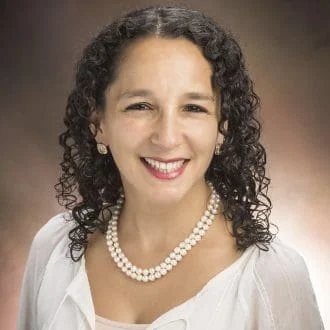
CureSearch for Children’s Cancer, a national non-profit organization dedicated to ending childhood cancer by driving targeted and innovative research, has officially announced a $1 million grant to Dr. Yael Mossé of the Children’s Hospital of Philadelphia (CHOP) to advance a pioneering treatment for high-risk neuroblastoma. This funding, delivered through the prestigious CureSearch Acceleration Initiative Award, is designed to propel high-potential research from the laboratory setting into clinical trials, addressing one of the most lethal and difficult-to-treat forms of pediatric cancer. Neuroblastoma, a malignancy that develops from immature nerve cells, remains a significant challenge in pediatric oncology, accounting for approximately 15% of all childhood cancer deaths despite representing only about 8% to 10% of total diagnoses. Dr. Mossé’s project focuses on a precision medicine approach that targets specific genetic drivers of the disease, aiming to provide a more effective and less toxic alternative to traditional therapies like intensive chemotherapy and radiation.
The Critical Challenge of High-Risk Neuroblastoma
Neuroblastoma is primarily a disease of early childhood, with the vast majority of cases diagnosed in children under the age of five. It is the most common extracranial solid tumor in the pediatric population, typically originating in the adrenal glands but capable of developing anywhere along the sympathetic nervous system, including the neck, chest, abdomen, or pelvis. While low-risk cases often have excellent prognoses, "high-risk" neuroblastoma is characterized by aggressive tumor growth, widespread metastasis, and a high likelihood of recurrence.
For children diagnosed with high-risk neuroblastoma, the current standard of care is grueling. It typically involves multiple rounds of high-dose chemotherapy, surgical resection of the primary tumor, stem cell transplants, radiation therapy, and immunotherapy. Despite these intensive interventions, the five-year survival rate for high-risk patients has historically hovered around 50%, a stark contrast to the higher survival rates seen in many other pediatric malignancies. Furthermore, the survivors of high-risk neuroblastoma often face lifelong "late effects" caused by the toxicity of the treatments, including hearing loss, cardiovascular issues, secondary cancers, and developmental delays. Dr. Mossé’s research seeks to shift this paradigm by focusing on the molecular underpinnings of the tumor, specifically targeting the mutations that allow the cancer to thrive while leaving healthy cells unharmed.
Dr. Yael Mossé and the Precision Medicine Revolution
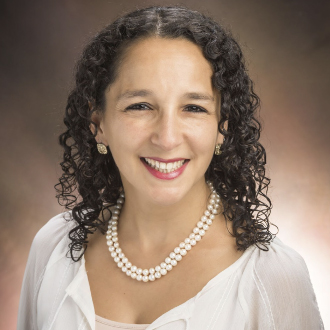
Dr. Yael Mossé, a Professor of Pediatrics at the Perelman School of Medicine at the University of Pennsylvania and a physician-scientist at CHOP, is a recognized global leader in neuroblastoma research. Her work has been instrumental in identifying the role of the Anaplastic Lymphoma Kinase (ALK) gene in neuroblastoma. Genetic mutations or amplifications in the ALK gene are found in a significant percentage of neuroblastoma cases and serve as a primary driver for tumor proliferation.
The $1 million Acceleration Initiative Award will support Dr. Mossé’s efforts to refine and implement a novel therapeutic strategy that inhibits these cancer-driving pathways. By utilizing precision oncology, her team aims to "turn off" the signals that tell cancer cells to divide and spread. This approach is part of a broader shift in oncology toward targeted therapies, which move away from the "one-size-fits-all" model of cytotoxic chemotherapy. The ultimate goal of this research is to create a clinical pathway where children with high-risk neuroblastoma can receive a personalized treatment plan based on the specific genetic signature of their tumor, leading to higher cure rates and a significantly improved quality of life post-treatment.
The Acceleration Initiative: Bridging the "Valley of Death"
The grant awarded to Dr. Mossé is part of CureSearch’s Acceleration Initiative, a strategic funding model designed to overcome the "Valley of Death" in drug development—the gap between initial laboratory discovery and the start of human clinical trials. Many promising scientific breakthroughs fail to reach patients because researchers lack the necessary funding or infrastructure to conduct the rigorous pre-clinical testing required by regulatory bodies like the U.S. Food and Drug Administration (FDA).
The Acceleration Initiative Award is highly competitive and involves a rigorous peer-review process. Projects are selected based on their scientific merit, the feasibility of their timeline, and their potential to change the standard of care within a short period. By providing substantial financial support at this critical juncture, CureSearch ensures that the most promising innovations do not languish on the lab bench. Dr. Mossé’s project was selected because it represents a "near-term" solution with the potential to reach the clinic rapidly, providing immediate hope for families facing a high-risk diagnosis.
"This award provides an unprecedented opportunity to streamline the overall development of a novel therapy for patients with neuroblastoma by accelerating the entire drug development process," Dr. Mossé stated in response to the award. "This translation of our science could not be possible without the support of CureSearch."
Institutional Support and the Role of the Norcross Foundation
The success of such high-stakes research often depends on a collaborative ecosystem of funding and institutional support. This specific project is supported in part by the Norcross Foundation, a philanthropic organization with a long history of supporting community health and medical advancement. The partnership between CureSearch, the Norcross Foundation, and the Children’s Hospital of Philadelphia underscores the multi-faceted approach required to tackle pediatric cancer.
CHOP, where the research will be conducted, is consistently ranked among the top pediatric hospitals in the United States. Its Cancer Center is a hub for pediatric oncology innovation, offering patients access to some of the most advanced clinical trials in the world. The synergy between CHOP’s clinical expertise and CureSearch’s targeted funding creates an environment where scientific discovery can be rapidly translated into life-saving medical practice.
The Economic and Regulatory Landscape of Pediatric Cancer
The $1 million grant comes at a time when federal funding for pediatric cancer research faces significant uncertainty. While the National Institutes of Health (NIH) and the National Cancer Institute (NCI) provide the bulk of medical research funding in the U.S., pediatric cancer historically receives only about 4% of the NCI’s annual budget. This disparity is often attributed to the fact that childhood cancers are considered "rare diseases" compared to adult cancers like lung, breast, or prostate cancer.
Because the market for pediatric cancer drugs is smaller, pharmaceutical companies are often less incentivized to invest in the research and development of new treatments for children. This makes the role of non-profit organizations like CureSearch vital. By de-risking early-stage research through grants like the Acceleration Initiative, CureSearch makes it more attractive for industry partners to eventually step in and bring these drugs to market. The $1 million investment in Dr. Mossé’s work acts as a catalyst, potentially leveraging further investment from both the public and private sectors as the treatment progresses toward regulatory approval.
Chronology of Progress and Future Milestones
The timeline for Dr. Mossé’s research is structured to maximize speed without compromising safety or scientific integrity. Over the next several years, the grant will facilitate the final stages of pre-clinical validation. This includes:
- Optimization of Lead Compounds: Refining the molecular structure of the targeted therapy to ensure maximum efficacy against ALK-mutated neuroblastoma cells.
- Pharmacokinetic Testing: Studying how the drug is absorbed, distributed, and metabolized in the body to determine the most effective dosing schedules for children.
- Regulatory Filing: Compiling the necessary data to file an Investigational New Drug (IND) application with the FDA.
- Clinical Trial Launch: Initiating Phase 1 clinical trials to evaluate the safety and preliminary effectiveness of the treatment in pediatric patients with relapsed or refractory neuroblastoma.
This structured chronology ensures that every dollar of the $1 million grant is utilized to move the project closer to the patient’s bedside.
Broader Implications for Pediatric Oncology
The implications of Dr. Mossé’s work extend beyond neuroblastoma. The success of a precision medicine approach in this context provides a blueprint for treating other rare and aggressive pediatric cancers. By proving that targeted therapies can be safely and effectively developed for children, this research helps pave the way for a new era in oncology where "toxic" treatments are replaced by "smart" treatments.
Furthermore, the focus on reducing side effects is a critical component of modern pediatric research. As survival rates for childhood cancers have improved over the decades, the medical community has become increasingly concerned with the "cost of cure." Children who survive cancer often have decades of life ahead of them, and ensuring those years are spent in good health is as important as the initial survival. Dr. Mossé’s work, by sparing healthy tissue, directly addresses the long-term well-being of survivors.
Conclusion
The $1 million award from CureSearch for Children’s Cancer to Dr. Yael Mossé represents more than just a financial investment; it is a strategic strike against one of the most formidable foes in pediatric medicine. Through the combination of Dr. Mossé’s world-class expertise at the Children’s Hospital of Philadelphia, the innovative funding model of the CureSearch Acceleration Initiative, and the philanthropic support of the Norcross Foundation, the path toward a cure for high-risk neuroblastoma is becoming clearer. In a landscape where federal funding is limited and the medical needs of children are often underserved, such initiatives are essential to ensuring that no child is left behind in the race for a cure. As this research moves from the laboratory to the clinic, it carries with it the potential to save lives and redefine the future of pediatric cancer care.
