
 By George Ongkojoyo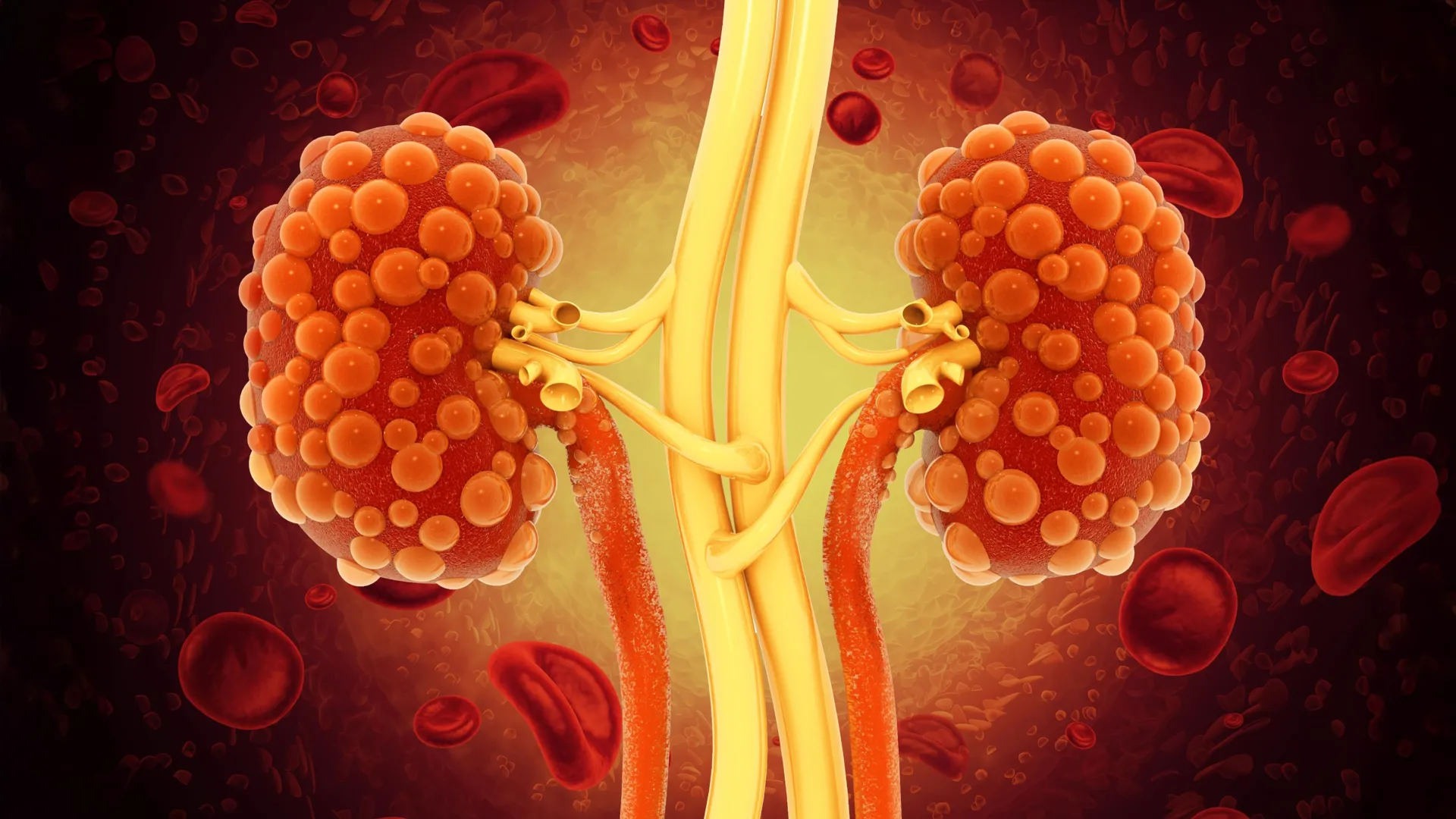
Polycystic kidney disease (PKD) remains one of the most challenging hereditary conditions in modern nephrology, characterized by the relentless growth of fluid-filled cysts that eventually compromise renal function. However, a significant scientific milestone has been reached by researchers at the University of California, Santa Barbara (UCSB). The team, led by biologist Thomas Weimbs, has published a study in Cell Reports Medicine detailing a novel therapeutic approach that utilizes specifically engineered monoclonal antibodies to penetrate these cysts. By bypassing the biological barriers that have long rendered standard immunotherapies ineffective, this new method offers a potential pathway to stopping cyst expansion without the systemic toxicity associated with current treatments.
The Pathophysiology of Polycystic Kidney Disease
To appreciate the significance of the UCSB breakthrough, one must understand the devastating progression of Autosomal Dominant Polycystic Kidney Disease (ADPKD), the most common form of the disorder. PKD is an inherited genetic condition affecting approximately 1 in every 400 to 1,000 people worldwide, totaling roughly 12.5 million individuals. The disease is primarily caused by mutations in the PKD1 or PKD2 genes, which encode proteins essential for the normal function of primary cilia in renal tubular cells.
When these proteins are dysfunctional, the epithelial cells lining the kidney tubules begin to proliferate uncontrollably. Instead of maintaining a tube-like structure for urine filtration, the cells form spherical sacs that fill with fluid. Over decades, these cysts can grow from microscopic dots to the size of a football, causing the kidneys to expand significantly in weight and volume. This expansion exerts massive pressure on healthy surrounding tissue, leading to inflammation, fibrosis, and eventually, end-stage renal disease (ESRD). Currently, PKD is the fourth leading cause of kidney failure, often leaving patients with no choice but to undergo grueling dialysis or seek a kidney transplant.
The Limitations of Current Pharmacological Interventions
Until recently, the medical community had very few tools to combat the progression of PKD. The only FDA-approved drug specifically for ADPKD is Tolvaptan (marketed as Jynarque), a vasopressin V2-receptor antagonist. While Tolvaptan has been shown to slow the rate of cyst growth and the decline of kidney function, it is far from a perfect solution.
The primary issue with Tolvaptan and similar small-molecule drugs is their lack of specificity and the resulting side effects. Tolvaptan causes significant "aquaresis"—the excretion of large volumes of electrolyte-free water—meaning patients must drink massive amounts of water daily to avoid dehydration. Furthermore, there are serious concerns regarding liver toxicity, requiring patients to undergo frequent blood monitoring.
Other small-molecule inhibitors have shown promise in laboratory settings, but they often fail in human trials because the dosages required to stop cyst growth are toxic to other organs. This "therapeutic window"—the gap between an effective dose and a toxic dose—is dangerously narrow in PKD treatment, necessitating a more surgical, targeted approach.
The Biological Barrier: Why Standard Antibodies Fail
Monoclonal antibodies (mAbs) have revolutionized the treatment of cancer and autoimmune diseases due to their ability to target specific proteins with high precision. Most therapeutic antibodies belong to the Immunoglobulin G (IgG) class. While IgG antibodies are highly effective at circulating through the bloodstream and attacking tumors or pathogens, they have a fundamental limitation when it comes to PKD: size and transport.
Thomas Weimbs and his team identified that kidney cysts are essentially "sealed chambers" lined with a layer of epithelial cells. These cells form tight junctions that prevent large molecules like IgG from leaking into the cyst interior. This is problematic because the drivers of the disease—the growth factors and their receptors—are located on the interior side of the cyst or within the cyst fluid itself.
"The cysts just keep growing endlessly," Weimbs noted. "Many of the cyst-lining cells actually make growth factors and they secrete them into the cyst fluid. These growth factors then bind back to the same cells or to neighboring cells and continue to stimulate themselves. It is a self-sustaining loop." Because IgG antibodies cannot cross the epithelial wall, they remain outside the cyst, unable to interrupt this "never-ending scheme."
Engineering a "Trojan Horse": The dIgA Strategy
To overcome the barrier of the cyst wall, the UCSB researchers turned to a different type of antibody: dimeric Immunoglobulin A (dIgA). In the human body, dIgA is a critical component of the mucosal immune system. It is found in tears, saliva, and the lining of the gut. Unlike IgG, dIgA has the unique ability to undergo "transcytosis"—a process where it binds to a specific receptor (the polymeric immunoglobulin receptor, or pIgR) on the base of an epithelial cell and is actively transported through the cell to be released on the other side.
In a landmark hypothesis first proposed by Weimbs in 2015, the team suggested that if they could engineer a monoclonal antibody with a dIgA "backbone," they could hijack this natural transport system. The antibody would be picked up by the receptors on the outside of the kidney cyst and carried directly into the fluid-filled interior.
For the current study, the researchers targeted a specific growth factor receptor called cMET (mesenchymal-epithelial transition receptor). The cMET pathway is well-known in oncology for its role in cell proliferation and survival; in the context of PKD, it is one of the primary engines driving the runaway growth of the cysts.
Experimental Results and Data Analysis
The UCSB team first modified the DNA sequence of a known cMET-targeting antibody, changing its structural backbone from IgG to dIgA. This bioengineering feat created a molecule that retained its ability to recognize cMET but gained the ability to penetrate epithelial barriers.
Testing the antibody in mouse models of PKD yielded dramatic results. Using fluorescent labeling, the researchers confirmed that the dIgA antibodies successfully crossed into the cyst interiors, whereas the standard IgG versions remained trapped in the interstitial spaces outside the cysts. Once inside, the dIgA antibodies bound to the cMET receptors, effectively "unplugging" the growth signal.
The data presented in Cell Reports Medicine highlights several key outcomes:
- Reduction in cMET Activity: The treatment successfully inhibited the phosphorylation of the cMET receptor, indicating that the growth signaling pathway had been shut down.
- Induction of Apoptosis: Most significantly, the treatment triggered a "dramatic onset" of apoptosis—programmed cell death—specifically in the epithelial cells lining the cysts.
- Selective Toxicity: The study found no evidence of apoptosis or damage in healthy renal tissue. This suggests that the antibody only affects cells where the cMET pathway is overactive and where the transport receptor is present, offering a level of safety that small-molecule drugs cannot match.
- Sustained Presence: The antibodies remained active within the cyst fluid for an extended period, suggesting that dosing intervals for human patients could potentially be infrequent.
A Chronology of Discovery
The journey toward this breakthrough has spanned nearly a decade of focused research:
- 2015: Thomas Weimbs and his colleagues publish a theoretical paper proposing that dIgA could be used as a delivery vehicle to reach the interior of kidney cysts.
- 2016–2018: The team begins initial testing on the transport mechanisms of the polymeric immunoglobulin receptor (pIgR) in kidney tissue, confirming its presence in cyst-lining cells.
- 2019–2021: Researchers focus on re-engineering monoclonal antibodies, moving from "proof of concept" to the creation of functional dIgA variants targeting the cMET receptor.
- 2022–2023: Preclinical trials in mouse models are conducted, providing the empirical data needed to prove that the antibody can both enter the cyst and halt its growth.
- 2024: The findings are published in Cell Reports Medicine, marking the first time a targeted antibody has been shown to successfully penetrate and treat PKD cysts from the inside.
Official Responses and Inferred Implications
While the UCSB study was partially supported by the National Institutes of Health (NIH) and the U.S. Department of Defense, the broader medical community is watching the results with cautious optimism. Representatives from kidney advocacy groups, such as the PKD Foundation, have historically emphasized the desperate need for "disease-modifying" therapies that do more than just manage symptoms.
Medical analysts suggest that if this technology successfully transitions to human trials, it could fundamentally change the economic landscape of kidney disease. The cost of treating ESRD is astronomical; in the United States alone, Medicare spends billions annually on dialysis and transplant-related care. A therapy that prevents or significantly delays the need for dialysis would not only improve the quality of life for millions but also provide a massive reduction in long-term healthcare expenditures.
However, Weimbs and his colleagues, including lead author Margaret F. Schimmel, caution that the road to a clinical product is long. "Because the work is still in the preclinical stage, it will be some time before this approach can be adapted for human treatment," Weimbs stated. The next hurdles include scaling up production of dIgA antibodies—which are more complex to manufacture than IgG—and conducting rigorous safety trials in humans.
Future Directions: A Multi-Targeted Approach
The UCSB team is already looking toward the next phase of research. The flexibility of the dIgA platform means it could potentially be used to target any number of the "dozens of growth factors" identified in cyst fluid.
"It would be a good idea to compare blocking several different growth factors and several receptors, maybe side-by-side to see which is the most effective," Weimbs explained. The researchers also envision a "cocktail" approach, where multiple antibodies targeting different pathways (such as EGFR or cAMP-related signals) are delivered simultaneously via the dIgA vehicle. This would mimic the multi-pronged strategy used in modern cancer therapy, making it much harder for the disease to develop resistance to the treatment.
Furthermore, this discovery has implications beyond PKD. Any disease involving epithelial-lined "sealed" compartments—such as certain types of liver cysts or even specific solid tumors—could potentially be treated using the dIgA transport mechanism.
Conclusion
The research conducted at UC Santa Barbara represents a paradigm shift in how scientists view the "untreatable" nature of polycystic kidney disease. By moving away from systemic small-molecule drugs and toward bioengineered, transport-capable antibodies, the team has opened a door that was previously thought to be locked. While years of clinical validation lie ahead, the ability to selectively target and eliminate the cells driving cyst growth brings the medical community one step closer to a world where PKD is a manageable condition rather than a slow-motion catastrophe for the kidneys.
