
 By Nana O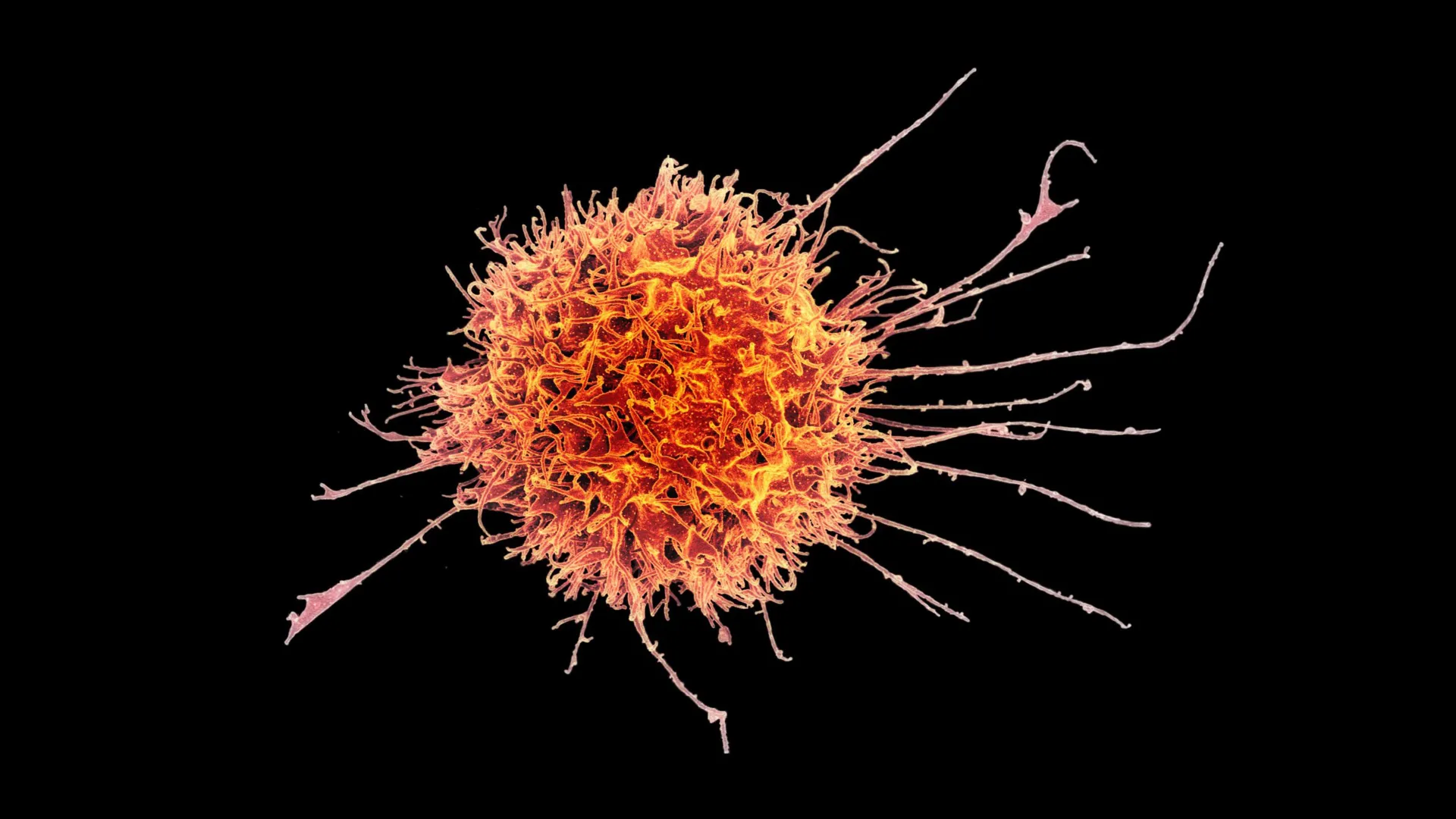
In a significant advancement for cancer immunotherapy, researchers at Stanford Medicine, in collaboration with scientists from Ohio State University and Washington University School of Medicine, have developed a novel strategy to enhance the efficacy of natural killer (NK) cells against notoriously difficult-to-treat solid tumors. This groundbreaking approach transforms conventional NK cells into specialized, tissue-resident variants capable of infiltrating solid tumors and eradicating cancer cells, potentially paving the way for a new generation of "off-the-shelf" cell therapies.
The challenge in treating solid tumors with immunotherapies, particularly cell-based approaches, stems from their inherent resistance to immune cell infiltration and their ability to secrete immunosuppressive signals. While cell therapies harnessing the immune system have revolutionized the treatment of certain blood and lymphatic cancers, solid tumors have largely remained a formidable hurdle. This new research, published in the prestigious journal Science Translational Medicine, directly addresses these limitations by re-engineering NK cells to overcome the tumor microenvironment’s defenses.
A Novel Approach to Tumor Infiltration
The core of this innovation lies in manipulating NK cells, a critical component of the innate immune system known for its rapid and direct cytotoxic activity against abnormal cells, including cancer. The Stanford-led team has devised a method to coax circulating NK cells into adopting a tissue-resident phenotype. These tissue-resident NK (TRNK) cells possess enhanced migratory capabilities and a more potent tumor-killing profile, making them ideally suited for targeting solid tumor masses.
"We show that these tissue-resident natural killer cells infiltrate into the solid tumors much better than conventional natural killer cells. It was very reproducible, very striking and very clear," stated Dr. John Sunwoo, the Edward C. and Amy H. Sewall Professor in the School of Medicine and senior author of the study. This enhanced infiltration is a crucial step, as it allows the therapeutic immune cells to reach the tumor cells in sufficient numbers to exert their effect.
The co-lead authors of the study, Nina Horowitz, PhD, Imran Mohammad, PhD, and June Ho Shin, PhD, each contributed vital expertise to this multifaceted research. Their collective efforts have elucidated the complex biological mechanisms required to achieve this therapeutic transformation.
Preclinical Success and a Glimpse of "Off-the-Shelf" Potential
Initial testing of this experimental therapy in mouse models demonstrated a significant impact on solid tumor growth. The modified NK cells were shown to slow the progression of various solid tumor types. Furthermore, the therapeutic effect was amplified when the TRNK cells were administered in conjunction with an antibody treatment. This antibody acts as a homing beacon, guiding the NK cells more precisely towards cancer cells, thereby optimizing their targeting and cytotoxic function.
Beyond their enhanced anti-tumor activity, these engineered NK cells offer a significant practical advantage that could dramatically broaden patient access to cell therapies. Unlike many current immunotherapies that require the painstaking process of harvesting a patient’s own cells, manufacturing them ex vivo, and then re-infusing them, this TRNK-based therapy holds the promise of being an "off-the-shelf" product. This means the modified cells could potentially be produced in large batches, cryopreserved, and readily available for administration to a wide range of patients without the lengthy wait times associated with personalized cell manufacturing.
"It would be almost an off-the-shelf drug," Dr. Sunwoo remarked. "It could make cell therapy much more accessible to a wider variety of patients." This potential for widespread availability could democratize advanced cancer treatments, making them a more viable option for patients facing a variety of solid tumor diagnoses.
Understanding Tissue-Resident Immune Cells: A Shift in Immunological Focus
The discovery of NK cells dates back to the 1970s, recognizing their innate ability to identify and eliminate aberrant cells without prior sensitization, a key distinction from adaptive immune cells like T cells. Historically, much of immunological research has focused on immune cells circulating in the bloodstream. However, a paradigm shift has emerged in recent years, recognizing the critical role of immune cells that reside within specific tissues.
These tissue-resident immune cells, including a subset of NK cells, are strategically positioned to monitor and respond to local threats. They adapt their functions based on the unique microenvironment of the tissue they inhabit. "For a long time, the study of immunology and disease in humans was concentrated on the blood immune cells," Dr. Sunwoo explained. "With the advancement of tools and bioinformatics, we are now starting to look more at what’s going on in tissue. For most immune cells, the tissue is where the action is."
TRNK cells are found in various tissues, including the skin, mucous membranes, lungs, and liver. Their precise roles have been a subject of ongoing scientific inquiry, with some studies suggesting they can be immunosuppressive, while others highlight their potent cytotoxic capabilities. This variability in function is now understood to be influenced by local cues within the tissue microenvironment, leading to differentiation into distinct subpopulations.
"They may adopt different functions based on certain cues in the microenvironment and in the tissue, and differentiate into a certain kind of sub-population," Dr. Sunwoo elaborated. While immunosuppressive TRNK cells play a beneficial role in specific physiological contexts, such as supporting pregnancy by preventing immune rejection of the fetus, cancer treatment necessitates the more aggressive, tumor-icidal variants.
Unraveling the "Cellular Recipe" for Potent TRNK Cells
The Stanford team delved into understanding the developmental pathways that lead to these distinct TRNK cell populations. Their research suggests the existence of at least two major forms of TRNK cells, with differing functional outcomes. To elucidate this, they isolated circulating NK cells from human blood donors and subjected them to various signaling molecules.
A critical factor identified in this process is TGF-β (transforming growth factor beta), a signaling protein widely produced by various cell types, including tumor cells. The researchers discovered that the amount and duration of TGF-β signaling are paramount in determining the ultimate function of the resulting TRNK cells.
"It’s a Goldilocks kind of thing where if you give just enough of a TGF-b signal, then the natural killer cells become tissue resident with strong toxic activity against malignant cells," Dr. Sunwoo described. "If you give too much TGF-b, they’re still tissue resident, but they’re inhibited and dysfunctional, and they don’t kill." This precise modulation is essential for generating TRNK cells with robust anti-cancer activity.
While TGF-β signaling was found to be indispensable for inducing the tissue-resident state, prolonged exposure resulted in NK cells with diminished killing capacity. A more effective approach involved a brief exposure to short-lived human epithelial tumor cells. These cells provided a transient burst of active TGF-β, successfully generating TRNK cells that exhibited potent tumor-killing activity.
Crucially, direct physical contact between the NK cells and the epithelial tumor cells was also found to be indispensable, suggesting that additional activating signals are transmitted through cell-cell interactions. This nuanced understanding of the cellular "recipe" allows researchers to engineer NK cells with the desired aggressive phenotype.
Molecular Signatures of Superior Cancer Killers
To further differentiate the more potent cancer-killing TRNK cells from their less effective counterparts, the research team conducted detailed molecular analyses. Both types of TRNK cells expressed the surface proteins CD49a and CD103. However, only the highly effective cancer-killing cells exhibited expression of CD39.
Further investigation revealed that these superior killer cells harbored a greater abundance of the molecular machinery essential for cell lysis. This included higher levels of perforin, a protein that forms pores in target cell membranes, and granzyme A, a cytotoxic enzyme delivered through these pores to induce apoptosis. These molecular differences provide a tangible marker for identifying and potentially enriching for the most effective anti-tumor NK cell variants.
Preclinical Efficacy Against Human Solid Tumors
With a reliable method for generating these aggressive TRNK cells established, the researchers proceeded to rigorously test their ability to infiltrate and combat tumors in vivo. In laboratory settings, the modified NK cells demonstrated successful infiltration into tumor organoids cultured in vitro. When administered to mice, these TRNK cells significantly slowed the growth of several types of solid tumors, including those derived from human melanoma and head and neck squamous cell carcinoma, over periods of days and weeks.
The most promising results emerged when the TRNK cells were combined with cetuximab, a monoclonal antibody. Cetuximab targets specific receptors on certain cancer cells, effectively flagging them for immune system attack. While cetuximab is approved for treating metastatic colorectal cancer and advanced head and neck squamous cell carcinoma, its efficacy when used alone is often limited.
The synergistic effect of the combination therapy was striking. A single dose of TRNK cells combined with cetuximab suppressed tumor growth in mice far more effectively over a one-month period than either treatment administered independently. Notably, this combination therapy did not appear to induce significant adverse effects in the animal models.
"Even at day 30, when the other mice were sick, the mice that received the combination seemed very healthy," Dr. Sunwoo reported, emphasizing that these findings represent a crucial proof of concept. He cautioned against premature extrapolation of these results directly to human outcomes, highlighting the need for rigorous clinical evaluation.
Charting a Course Towards Clinical Application
Building on these promising preclinical findings, Dr. Sunwoo and his team are actively preparing for a Phase I clinical trial. This trial will evaluate the safety and preliminary efficacy of the TRNK cell and cetuximab combination therapy in human patients with advanced squamous cell carcinoma. Pending approval from the Food and Drug Administration (FDA), the trial could commence by the end of the year, marking a critical step towards translating this laboratory breakthrough into a tangible patient benefit.
Dr. Sunwoo has also taken steps to facilitate the scalable production of these modified cells, filing for patents on a method for producing and expanding large quantities of these specialized cytotoxic tissue-resident natural killer cells. This manufacturing process is designed to yield approximately 20 treatment doses from NK cells collected from a single donor within roughly two weeks.
"They’ll be cryopreserved, so we can make a bunch of doses and give it to different patients," Dr. Sunwoo stated, underscoring the logistical advantages. "There would be no delay." This efficient production and storage capability is central to the vision of an accessible, "off-the-shelf" cell therapy that can be rapidly deployed to patients in need.
The implications of this research extend beyond the immediate therapeutic potential. It represents a significant leap in our understanding of immune cell plasticity and the intricate interactions within the tumor microenvironment. By deciphering the specific cellular signals and molecular cues that govern NK cell differentiation, this work opens new avenues for engineering other immune cell types for enhanced anti-cancer activity.
The collaborative nature of this study, involving researchers from multiple institutions, highlights the complex and interdisciplinary effort required to tackle challenging medical problems. The financial support from the National Institutes of Health, the Tai Tsun Wu Research Fund for Natural Killer Cell Immunotherapy, and the Stanford Bio-X Fellowship has been instrumental in driving this research forward. As the field progresses, this innovative approach to harnessing the power of tissue-resident NK cells offers a beacon of hope for patients battling solid tumors, promising a future where advanced immunotherapies are not only effective but also readily available.
