
 By Budi Oetomo Narendra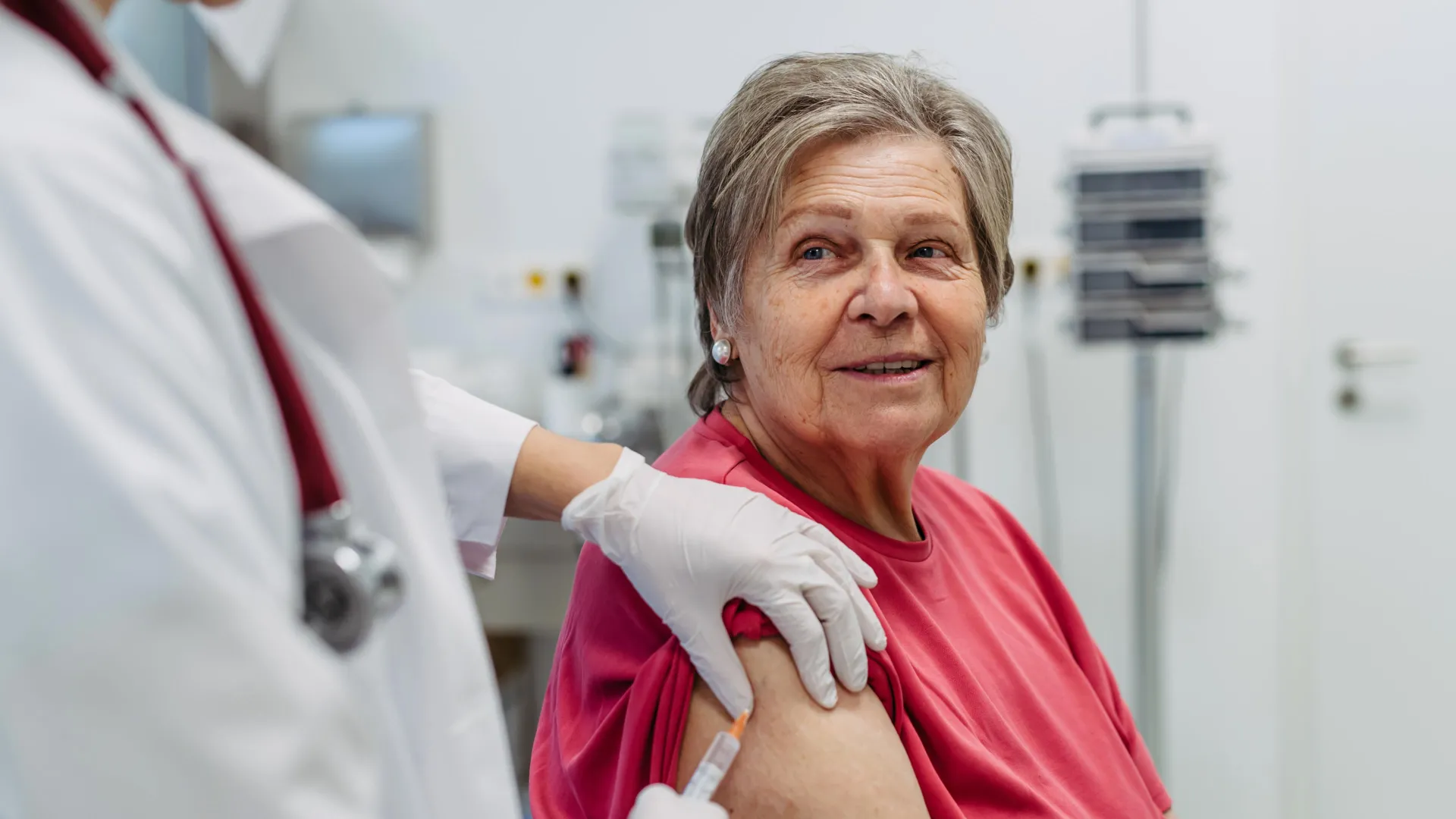
A groundbreaking study published in Aging Cell has revealed that spermidine, a naturally occurring polyamine, may play a crucial role in bolstering vaccine responses among certain older adults by attenuating biological markers associated with immune system aging. This discovery offers a glimmer of hope in addressing a persistent challenge in public health: the diminishing effectiveness of vaccines in an aging global population. The research suggests a novel pathway to enhance immune protection in vulnerable demographics, particularly relevant in an era where infectious disease threats remain ever-present.
The human immune system, a complex network of cells, tissues, and organs, undergoes a gradual yet profound transformation with advancing age. This decline, termed immunosenescence, renders the body less adept at fending off infections and mount a robust response to vaccination. The consequences are significant, ranging from increased susceptibility to common infections like influenza and pneumonia to reduced protection against novel pathogens, as starkly highlighted by the COVID-19 pandemic. For many older adults, this biological reality translates into weaker and shorter-lived immunity following vaccination, leaving them disproportionately vulnerable to severe illness, hospitalization, and mortality.
Addressing the Challenge of Immunosenescence
The research, a collaborative effort led by Dr. Katja Simon, Group Leader of the Cell Biology of Immunity lab at the Max Delbrück Center, and Dr. Ghada Alsaleh, Associate Professor at the Nuffield Department of Orthopaedics, Rheumatology & Musculoskeletal Sciences (NDORMS) of the University of Oxford, sought to investigate potential interventions. Their findings indicate that daily supplementation with spermidine could significantly improve several key metrics of immune response after COVID-19 vaccination in a specific subset of older individuals.
Spermidine is a ubiquitous molecule, naturally synthesized within human cells and readily available through various dietary sources, including nutrient-dense foods like wheat germ, mushrooms, aged cheeses such as parmesan and cheddar, and legumes. Previous scientific inquiry has illuminated spermidine’s involvement in cellular maintenance mechanisms, particularly autophagy—a vital intracellular recycling process that tends to become less active with age. This prior understanding formed a critical basis for the current investigation into its potential immunomodulatory effects.
Dr. Alsaleh underscored the clinical relevance of their work, stating, "While many older adults respond well to vaccines, a significant proportion does not develop strong protection, even after repeated vaccination. The biological aging of immune cells is a primary factor contributing to this phenomenon. Our findings present compelling evidence that spermidine could help restore crucial aspects of immune function in this particular group, potentially bridging a critical gap in vaccine efficacy." The interdisciplinary nature of the project also involved contributions from prominent researchers at the Oxford Vaccine Group, including Drs. Paul Klenerman, Teresa Lambe, and Lucy Jones, alongside Owen B. Spiller from Cardiff University, reflecting the multifaceted expertise required to tackle such complex biological questions.
The Pandemic’s Unveiling of Age-Related Immune Vulnerabilities
The unprecedented global health crisis ignited by the COVID-19 pandemic, which began in late 2019, unequivocally reinforced the indispensable role of vaccination in mitigating severe disease, preventing hospitalizations, and reducing mortality rates worldwide. However, the pandemic also brought into sharp focus the disparities in vaccine-induced immunity across different age groups. Numerous studies observed that older adults frequently generated fewer protective antibodies and T cells following COVID-19 vaccination compared to younger cohorts. This pattern is not unique to SARS-CoV-2; similar reduced immune responses have long been documented with seasonal influenza vaccines, necessitating annual booster campaigns specifically targeting the elderly.
Immunosenescence manifests through a cascade of physiological changes within the immune system. These include thymic involution, where the thymus gland—crucial for T-cell maturation—atrophies, leading to a diminished output of new, "naïve" T cells. Concurrently, there is an accumulation of "memory" T cells, some of which become functionally exhausted or senescent. B cell function also declines, resulting in less diverse and lower-affinity antibody production. Furthermore, chronic low-grade inflammation, often referred to as "inflammaging," becomes more prevalent, contributing to overall immune dysregulation. These combined factors impede the immune system’s ability to mount a rapid, potent, and long-lasting response to novel antigens presented by vaccines. For instance, data from the Centers for Disease Control and Prevention (CDC) consistently shows that while influenza vaccines reduce the risk of illness across all age groups, their effectiveness in preventing infection or severe outcomes can be notably lower in adults aged 65 and older compared to younger adults, sometimes by 10-20 percentage points or more depending on the season and circulating strains. This underscores the urgent need for strategies to enhance vaccine efficacy in this demographic.
Pilot Study Design and Initial Observations
To rigorously investigate whether spermidine could ameliorate these age-related immune deficits, Dr. Simon and her colleagues designed a carefully controlled pilot study. They recruited 40 healthy adults, all aged 65 years or older, who had recently received their third dose of a COVID-19 vaccine. This specific cohort was chosen because the third dose aimed to further boost immunity in a population already exhibiting signs of immunosenescence. Following vaccination, participants were randomly assigned to one of two groups: one received a daily six-milligram spermidine supplement, while the other received an inert placebo. The intervention period spanned 13 weeks, allowing sufficient time for potential immunomodulatory effects to manifest.
Initial screening revealed a critical subgroup within the study population: approximately one-quarter of the participants exhibited very weak antibody responses, even after three doses of the COVID-19 vaccine. This subgroup of "vaccine non-responders" also displayed distinct and pronounced signs of biological aging at the cellular level. These signs included elevated levels of DNA damage within their immune cells and the presence of specific molecular markers unequivocally linked to cellular senescence. Cellular senescence is a state where damaged or aging cells cease to divide and function normally but crucially remain metabolically active, accumulating in tissues over time. These senescent cells secrete pro-inflammatory molecules, contributing to the chronic low-grade inflammation characteristic of immunosenescence and further impairing the function of surrounding healthy cells. Identifying this non-responder group was pivotal, as it allowed the researchers to specifically assess spermidine’s impact on those most in need of immune enhancement.
Spermidine’s Impact: Stronger Antibody Responses and Cellular Rejuvenation
The results observed in the vaccine non-responders who received spermidine were notably encouraging. Several indicators of vaccine-related immunity demonstrated substantial improvement in this cohort. Specifically, these participants generally developed significantly higher levels of antibodies against SARS-CoV-2. More importantly, their immune systems showed stronger neutralizing activity against a range of prevalent viral variants, indicating a more robust and broadly protective immune response. Neutralizing antibodies are particularly critical as they can directly block the virus from infecting cells, offering a crucial line of defense. This finding suggests that spermidine might not only boost the quantity of antibodies but also their functional quality.
Beyond antibody production, the researchers delved into the underlying cellular mechanisms. They discovered that spermidine supplementation was associated with a reduction in markers linked to immunosenescence. This observation aligns with spermidine’s known roles in cellular health. Furthermore, a key finding was the increase in autophagy, a fundamental cellular process. Autophagy, often referred to as the cell’s "self-eating" or recycling mechanism, is essential for maintaining cellular homeostasis. It involves the orderly degradation and recycling of damaged cellular components, misfolded proteins, and dysfunctional organelles (like mitochondria). By clearing out cellular "junk," autophagy allows cells to remove damaged material, renew themselves, and maintain optimal function. A decline in autophagic activity is a hallmark of aging and contributes to the accumulation of senescent cells and cellular dysfunction. The observed increase in autophagy therefore provides a plausible mechanistic explanation for how spermidine might be contributing to the observed immune improvements. By rejuvenating cellular function, spermidine could be indirectly enhancing the capacity of immune cells to respond effectively to vaccines.
Crucially, the supplement appeared to be well tolerated by the participants. Throughout the 13-week study period, researchers meticulously monitored for any adverse effects associated with the treatment and reported no significant concerns. This safety profile is a vital consideration for any potential therapeutic or supplementary intervention, particularly when targeting an older and potentially frail population.
Broader Context: Spermidine in the Scientific Landscape
The current findings build upon a growing body of research highlighting spermidine’s diverse biological roles. First identified in human semen, spermidine belongs to a class of polyamines essential for cell growth, proliferation, and differentiation. Beyond its role in basic cellular processes, earlier research, often conducted in model organisms such as yeast, flies, and mice, has consistently indicated that spermidine supplementation can extend lifespan and support cellular maintenance mechanisms, particularly through its influence on autophagy. For example, studies have shown that exogenous spermidine can mimic caloric restriction, a known longevity-promoting intervention, by activating autophagic pathways. This has positioned spermidine as a molecule of significant interest in the burgeoning field of geroscience and anti-aging research, aiming to understand and counteract the fundamental processes of aging.
Dietary sources of spermidine are varied and accessible. Beyond wheat germ, which is particularly rich, other notable sources include soybeans, peas, corn, cauliflower, broccoli, and various nuts and seeds. The presence of spermidine in aged cheeses like Parmesan also points to its production by microbial fermentation, suggesting potential avenues for dietary enrichment or targeted nutritional strategies. The average daily intake of spermidine from a typical Western diet is estimated to be around 10-15 mg, though this can vary widely. The 6 mg dose used in this study represents a modest but potentially significant increase over baseline dietary intake, suggesting that even moderate supplementation could yield beneficial effects.
Expert Perspectives and Future Directions
The scientific community, while expressing cautious optimism, universally acknowledges the need for further rigorous investigation. Dr. Simon, reflecting on the study’s design and scope, emphasized, "This study was specifically designed as a pilot trial and involved a relatively small number of participants. Consequently, the results, while promising, should be interpreted as early evidence rather than definitive proof that spermidine can improve vaccination outcomes across the board." She further clarified the path forward: "Larger, multi-center studies with more diverse participant groups will be absolutely essential to determine whether spermidine can consistently improve vaccine responses. Furthermore, it will be critical to investigate whether similar beneficial effects are observed with other types of vaccines, such as those administered against seasonal influenza, shingles, or tetanus, which are vital for older adults’ health."
The implications of these findings are substantial for public health. If validated by larger trials, spermidine could emerge as a relatively simple, safe, and cost-effective adjunctive therapy to boost vaccine efficacy in older adults, thereby reducing the burden of infectious diseases on healthcare systems. Such a strategy could significantly enhance population-level immunity, especially during future pandemics or severe seasonal outbreaks. Moreover, the study contributes valuable insights into the complex interplay between nutrition, cellular aging, and immune function, opening new avenues for research into "immunonutrition" for healthy aging.
Broader Impact and Implications
The potential for spermidine to become a mainstream intervention carries several broader implications. From a public health standpoint, a readily available supplement that improves vaccine responses could lead to a reduction in hospitalizations and deaths among the elderly, thereby lowering healthcare costs and improving overall quality of life. For instance, the economic burden of influenza alone is immense, with annual costs in the billions for medical care and lost productivity. Any intervention that could significantly enhance vaccine protection in the most vulnerable age group would have profound societal benefits.
However, the scientific community remains vigilant against premature conclusions or overstatements. Regulatory bodies, such as the Food and Drug Administration (FDA) in the U.S. or the European Medicines Agency (EMA), would require robust clinical trial data demonstrating consistent efficacy and long-term safety before any health claims could be officially sanctioned for spermidine supplements. This would involve randomized controlled trials (RCTs) with thousands of participants, carefully selected endpoints, and detailed monitoring for both benefits and potential adverse effects over extended periods.
Furthermore, these findings could spur innovation in the supplement industry, though careful oversight would be necessary to ensure product quality and responsible marketing. The focus should remain on evidence-based recommendations, avoiding the proliferation of unproven claims. The research also highlights the exciting prospect of personalized medicine in immunology. As understanding of individual immune aging profiles advances, it might become possible to identify specific older adults who would benefit most from interventions like spermidine, moving towards more targeted and effective preventative health strategies.
In conclusion, the pilot study on spermidine and vaccine responses marks a significant step forward in understanding how to mitigate the effects of immunosenescence. While the journey from promising pilot data to widespread clinical application is often long and arduous, these initial results provide a compelling rationale for continued investment in research that explores the potential of naturally occurring compounds to foster healthier aging and stronger immune defenses for all. The hope is that future, larger-scale investigations will solidify spermidine’s role in enhancing vaccine protection, ultimately contributing to a more resilient and healthier older population worldwide.
