
 By Suherman Candra Maholtra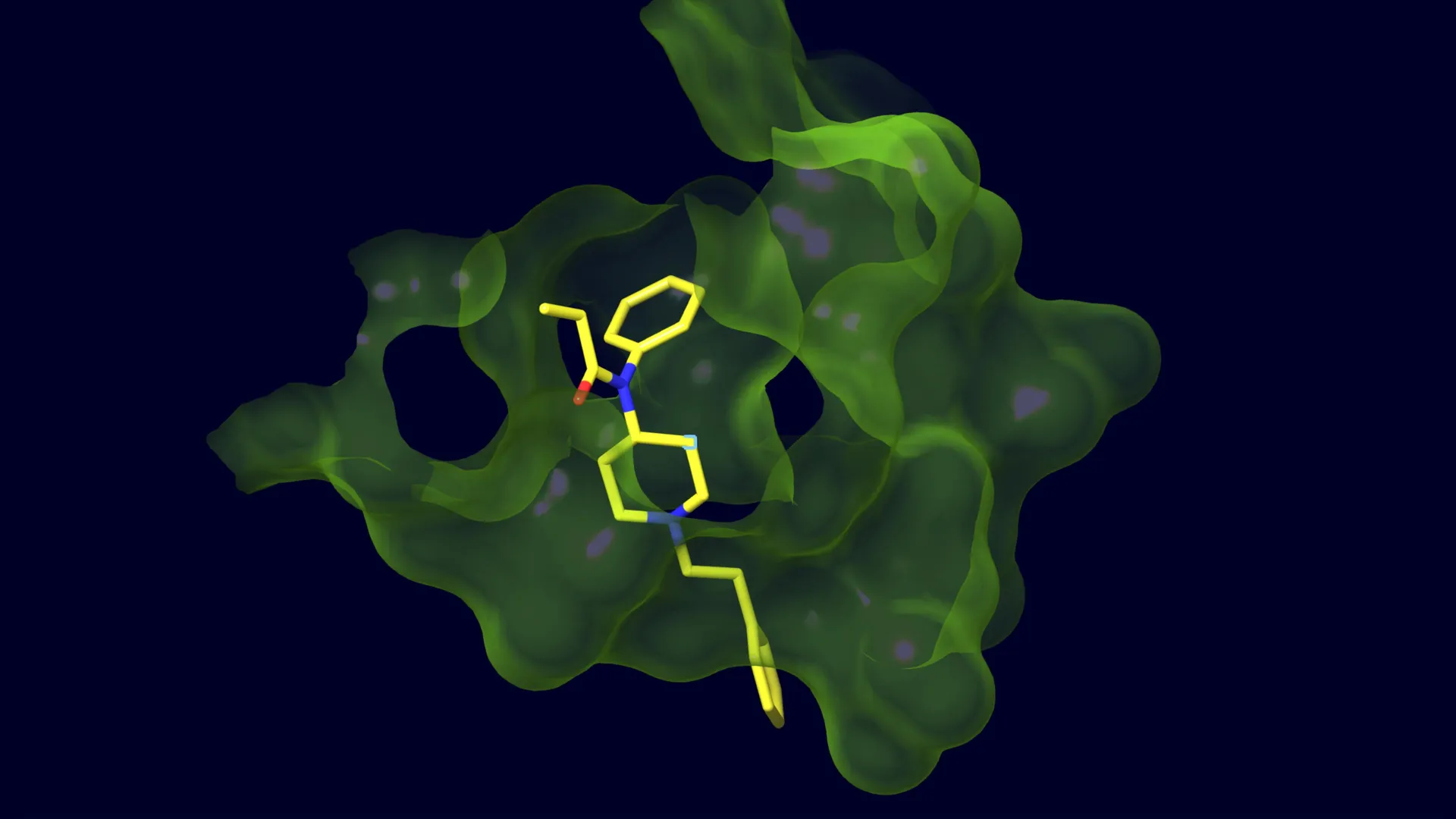
The United States is currently grappling with a public health catastrophe of unprecedented proportions, driven largely by the proliferation of synthetic opioids. Fentanyl, a synthetic opioid that is 50 to 100 times more potent than morphine, has fundamentally altered the landscape of substance abuse and accidental overdose. According to the Centers for Disease Control and Prevention (CDC), synthetic opioids are now the primary driver of drug overdose deaths, claiming more lives annually than motor vehicle accidents and firearm-related incidents combined. In the face of this escalating crisis, researchers at Scripps Research have announced a significant breakthrough: an experimental vaccine capable of neutralizing not just fentanyl, but an entire class of related synthetic "designer" drugs before they can reach the brain.
The study, published in the Journal of Medicinal Chemistry, represents a paradigm shift in immunopharmacotherapy. For decades, the scientific community has sought ways to utilize the body’s own immune system to combat addiction and overdose. However, the rapid evolution of illicit drug manufacturing has often left medical interventions one step behind. By developing a vaccine that recognizes the shared molecular architecture of the fentanyl family, the team at Scripps Research may have found a way to stay ahead of clandestine chemists who constantly tweak drug molecules to evade legal restrictions and detection.
The Gravity of the Synthetic Opioid Crisis
To understand the significance of this vaccine, one must first consider the sheer lethality of the modern drug market. Fentanyl and its analogs are so potent that an amount equivalent to a few grains of salt can be fatal to an average adult. These substances work by binding to the mu-opioid receptors in the brainstem, which regulate breathing. In high doses, the drug suppresses the signals that tell the body to inhale, leading to respiratory failure and death within minutes.
While naloxone (commonly known by the brand name Narcan) remains a vital tool for reversing overdoses, it is a reactive measure. Its effectiveness is entirely dependent on someone being present to administer it immediately after an overdose occurs. Furthermore, the emergence of ultra-potent analogs like carfentanil—which is 10,000 times more potent than morphine and originally intended as a sedative for large animals—often requires multiple doses of naloxone to achieve reversal, which is not always possible in field conditions.
The economic and social toll is equally staggering. The Joint Economic Committee of Congress recently estimated that the opioid crisis costs the U.S. economy more than $1 trillion annually in lost productivity, healthcare expenses, and criminal justice costs. Beyond the numbers, the crisis has devastated communities, overwhelmed foster care systems, and lowered the average life expectancy in the United States.
A Departure from Conventional Vaccine Design
The traditional approach to developing "anti-drug" vaccines involves creating a molecule that looks almost identical to the target drug and attaching it to a larger carrier protein. This "mimic" trains the immune system to produce antibodies that recognize the specific drug. However, this method has historically faced two major hurdles: regulatory hurdles and narrow specificity.
Because these vaccine candidates often use the illicit drug itself as a starting point, they are subject to strict government regulations that can slow down research. More importantly, these vaccines are often too specific. If a vaccine is designed to target fentanyl, it might not recognize "China White" (alpha-methylfentanyl) or other slight chemical variations. Illicit manufacturers take advantage of this by slightly altering the chemical structure of fentanyl to create "designer drugs" that maintain the high but fall outside the scope of specific laws or medical countermeasures.
Dr. Kim Janda, the Ely R. Callaway, Jr. Professor of Chemistry at Scripps Research and senior author of the study, sought to break this cycle. His team moved away from the "lock and key" model of using a near-identical molecule. Instead, they utilized a radically reconfigured molecular architecture. They developed a molecule that, while not looking exactly like fentanyl, shared a fundamental "molecular signature" common to the entire class of fentanyl-related compounds.
"What this research shows us is that we don’t have to keep playing catch-up with every new synthetic designer drug that emerges," says Janda. "By training the immune system to recognize the entire fentanyl class—not just individual structures—we can stay ahead of illicit drug traffickers."
Chronology of Development and Testing
The journey toward this broad-spectrum vaccine was built on years of foundational research within the Janda laboratory. The team had previously developed vaccine candidates for heroin and specific versions of fentanyl, but the shifting landscape of the drug trade necessitated a more versatile tool.
In the initial stages of this study, researchers experimented with a modified form of a fentanyl-like molecule that retained some analgesic properties but lacked the respiratory depression effects. They then hypothesized that a related, yet structurally distinct, molecule could serve as the basis for a vaccine.
Arran Stewart, a research associate in the Janda lab and the study’s first author, noted the experimental nature of the project. "When we started testing this molecule as a vaccine component, we honestly didn’t know if it would work," Stewart explains. "The conventional wisdom says that to get the immune system to recognize fentanyl, you have to use something that looks like fentanyl. We were doing the opposite."
The testing phase involved a series of controlled animal trials:
- Administration: Mice were given four doses of the experimental vaccine over an eight-week period. The vaccine consisted of the unique "hapten" (the small molecule) conjugated to a carrier protein to elicit an immune response.
- Antibody Evaluation: After the vaccination course, the researchers analyzed the antibodies produced. They found that the mice had developed a robust immune response capable of recognizing a wide array of fentanyl analogs.
- Challenge Phase: The vaccinated mice were then exposed to lethal and sub-lethal doses of fentanyl and its variants to measure the vaccine’s protective efficacy.
Experimental Results and Broad-Spectrum Efficacy
The results of the study were highly encouraging and validated the team’s unconventional approach. The vaccine-induced antibodies demonstrated a high affinity for several of the most dangerous synthetic opioids currently found on the black market, including:
- Fentanyl: The primary target.
- Carfentanil: An ultra-potent analog.
- China White (alpha-methylfentanyl): A common street variant.
- Acetylfentanyl and Furanylfentanyl: Frequently detected designer drugs.
Crucially, the vaccine showed no cross-reactivity with other opioids used in legitimate medical settings, such as morphine, oxycodone, remifentanil, and alfentanil. This is a vital distinction, as it ensures that if a vaccinated individual requires emergency surgery or pain management, standard medical opioids will still function as intended.
The physiological protection in animal models was stark. Vaccinated mice maintained near-normal respiratory rates even when administered doses of fentanyl that caused severe respiratory distress in the control group. Furthermore, imaging and chemical analysis showed that the concentration of fentanyl reaching the brain was reduced by approximately 70% in vaccinated mice. The antibodies essentially acted as a "molecular sponge," soaking up the drug in the bloodstream and preventing it from crossing the blood-brain barrier.
Implications for Public Health and Addiction Recovery
The potential applications for such a vaccine are diverse and could provide a new pillar in the multi-pronged strategy to combat the opioid epidemic. While the vaccine is not a "cure" for addiction—as it does not address the underlying psychological or behavioral aspects of substance use disorder—it offers a powerful safety net.
One of the primary applications would be for individuals currently enrolled in substance abuse recovery programs. For those in early recovery, the risk of relapse is high, and because their tolerance has often decreased, a single lapse involving fentanyl is frequently fatal. A vaccine could provide a months-long window of protection, ensuring that a momentary lapse does not result in a terminal overdose.
Furthermore, the vaccine could be a critical tool for first responders, law enforcement officers, and military personnel who may be accidentally exposed to high-potency synthetics during the course of their duties. Given that carfentanil has been researched as a potential chemical weapon, such a vaccine also carries implications for national security.
Future Outlook and the Path to Clinical Trials
Despite the promising results in animal models, the path to a publicly available vaccine remains long. The next steps involve moving into clinical trials to ensure the vaccine’s safety and efficacy in humans. Human immune systems are significantly more complex than those of mice, and researchers must determine the optimal dosage, the longevity of the antibody response, and whether periodic "booster" shots would be required.
The study was supported by the Shadek Family Foundation, highlighting the role of private philanthropy in advancing high-risk, high-reward medical research. As the Scripps Research team prepares for the next phase, the scientific community is watching closely.
The successful development of a broad-spectrum vaccine against an entire class of drugs could also pave the way for similar interventions against other synthetic drug classes, such as synthetic cathinones (bath salts) or synthetic cannabinoids (K2/Spice), which also pose significant challenges to public health.
In conclusion, the work of Dr. Janda and his team represents a sophisticated evolution in the fight against synthetic opioids. By leveraging a "radically reconfigured molecular architecture," they have demonstrated that it is possible to create a proactive defense against an ever-changing chemical threat. As fentanyl continues to claim lives at an alarming rate, this broad-spectrum vaccine offers a glimmer of hope for a future where the deadliest drugs can be neutralized before they ever reach the brain.
