
 By Suherman Candra Maholtra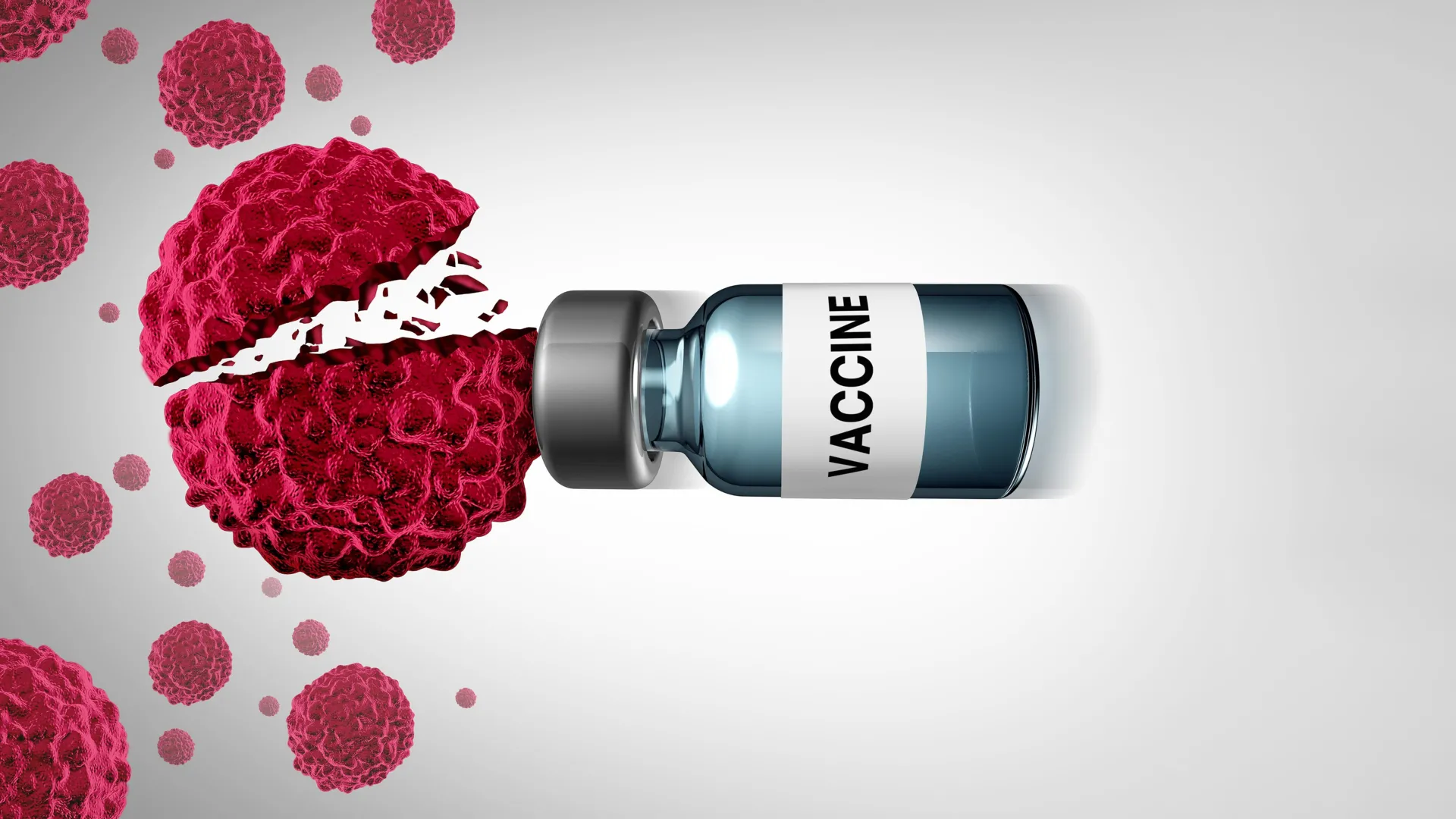
The landscape of modern vaccinology underwent a paradigm shift during the COVID-19 pandemic, as messenger RNA (mRNA) technology moved from experimental theory to global implementation. This Nobel Prize-winning breakthrough, which provided a rapid response to SARS-CoV-2, is now being aggressively pivoted toward oncology. While the primary goal remains the same—training the immune system to recognize a specific threat—the biological mechanics of how these vaccines interact with the human immune system are proving to be more complex and resilient than previously understood. A landmark study from the Washington University School of Medicine in St. Louis has recently identified a critical, unexpected redundancy in the immune response to mRNA cancer vaccines, revealing that a secondary class of immune cells can step in to launch a full-scale anti-tumor assault even when the primary drivers are absent.
The Evolution of mRNA Technology from Pathogens to Pathologies
The foundational science of mRNA vaccines rests on the ability to deliver genetic instructions directly to a patient’s cells. Unlike traditional vaccines, which often use weakened or inactivated viruses to stimulate an immune response, mRNA vaccines provide a blueprint for the body to produce its own "target" proteins. In the context of the COVID-19 pandemic, these instructions coded for the spike protein of the virus. In the context of cancer, these instructions code for neoantigens—mutated proteins found exclusively on the surface of tumor cells.
For years, the scientific consensus held that a specific subtype of immune cell, known as the cDC1 dendritic cell, was the indispensable "general" of this operation. Dendritic cells act as the messengers of the immune system; they ingest foreign proteins, break them down, and "present" them to T cells, which then seek out and destroy cells carrying those specific markers. Because cDC1 cells are exceptionally proficient at cross-presentation—the process of showing external antigens to the "killer" CD8+ T cells—they were considered the sole gateway for effective mRNA vaccine action.
However, the new research published in the journal Nature challenges this singular reliance. By utilizing advanced mouse models and genetic "knockout" techniques, researchers at Washington University demonstrated that the immune system possesses a sophisticated backup system. When cDC1 cells were removed from the equation, another group of cells, known as cDC2 dendritic cells, successfully took over the mission, ensuring the vaccine remained potent against aggressive tumors.
Redefining the Role of Dendritic Cells: The Discovery of cDC2 Versatility
The study, led by senior author Kenneth M. Murphy, MD, PhD, and co-corresponding author William E. Gillanders, MD, sought to dissect the precise coordination of the immune response following mRNA vaccination. To do this, the team developed specialized mouse models that lacked either the cDC1 or cDC2 cell populations.
In the group of mice lacking cDC1 cells—the cells long thought to be the only ones capable of triggering the necessary T cell response—the researchers expected the vaccine to fail. Instead, they observed a robust immune reaction. The vaccinated mice were not only able to generate a strong population of tumor-fighting T cells but were also capable of completely eliminating sarcomas, which are difficult-to-treat cancers of the connective tissues.
Upon further investigation, the team identified cDC2 cells as the unexpected heroes of this process. Traditionally, cDC2 cells were thought to be involved primarily in stimulating different types of immune responses, such as those against extracellular bacteria or fungi, rather than the "search and destroy" missions required to kill cancer cells. The study revealed that in the presence of mRNA vaccines, cDC2 cells can adapt their behavior to fill the void left by cDC1 cells.
The Mechanism of "Cross-Dressing" in Immune Activation
One of the most significant findings of the Washington University study is the identification of how cDC2 cells manage to activate T cells despite not being naturally optimized for it. The researchers discovered that cDC2 cells utilize a biological shortcut known as "cross-dressing."
In a typical scenario, a dendritic cell would take up the mRNA, produce the tumor protein itself, and then present it. However, the study found that cDC2 cells often act as intermediaries. Other cells in the body—such as the cells that first encounter the mRNA vaccine at the injection site—read the instructions and produce the tumor proteins. These cells then "dress" the cDC2 cells by transferring pre-formed protein-receptor complexes directly onto the surface of the cDC2 cells.
Equipped with these stolen "uniforms," the cDC2 cells can then present the tumor markers to T cells. This indirect pathway provides a secondary layer of protection, ensuring that even if the primary cDC1 pathway is compromised by the tumor’s own immunosuppressive environment, the vaccine can still achieve its therapeutic goal.
Clinical Context and the Timeline of mRNA Vaccine Development
The transition of mRNA from a niche laboratory concept to a front-line cancer treatment has been decades in the making. The timeline of this technology highlights the rapid acceleration of the field:
- 1987-1990: Initial experiments demonstrate that synthetic mRNA can be delivered into living cells to produce proteins.
- 2005: Katalin Karikó and Drew Weissman discover how to modify mRNA to prevent the immune system from attacking it prematurely—a discovery that earned them the 2023 Nobel Prize in Physiology or Medicine.
- 2010s: Biotechnology firms like Moderna and BioNTech begin early-stage trials for mRNA vaccines targeting various cancers and rare diseases.
- 2020-2021: The global COVID-19 pandemic leads to the emergency use authorization and subsequent full approval of mRNA vaccines, proving the safety and scalability of the platform.
- 2023-2024: Results from Phase II trials for mRNA melanoma vaccines (combined with immunotherapy) show a 44% reduction in the risk of recurrence or death, sparking a new wave of intensive research.
The Washington University study arrives at a critical juncture in this timeline. As pharmaceutical companies move into Phase III clinical trials, understanding the cellular "why" behind vaccine success is essential for refining dosages and identifying which patients are most likely to benefit.
Broader Implications for Oncology and Personalized Medicine
The discovery that both cDC1 and cDC2 cells contribute to vaccine efficacy has profound implications for the future of personalized oncology. Cancer is notoriously adept at evolving to evade the immune system. Some tumors create a "microenvironment" that specifically suppresses cDC1 cells, effectively rendering certain immunotherapies useless. By proving that mRNA vaccines can bypass this obstacle by engaging cDC2 cells, researchers have identified a more resilient pathway for treatment.
Dr. William E. Gillanders, a surgical oncologist at Siteman Cancer Center who has developed an investigational vaccine against triple-negative breast cancer, noted that these insights could lead to more sophisticated vaccine formulations. If researchers can design vaccines that specifically target both cDC1 and cDC2 cells, they may be able to create a "dual-engine" immune response that is much harder for a tumor to evade.
Furthermore, the study found that T cells activated by cDC1 and cDC2 cells have slightly different molecular "fingerprints." This suggests that the two cell types may be training T cells to perform complementary roles—perhaps with one group specializing in the initial assault and the other in long-term surveillance to prevent the cancer from returning.
Supporting Data: Ongoing Trials and Future Outlook
The momentum behind mRNA cancer vaccines is supported by a growing body of clinical data. Currently, there are dozens of active trials targeting a wide array of malignancies:
- Melanoma: mRNA-4157 (V940), developed by Moderna and Merck, is being tested in combination with Keytruda. Early data suggests significant improvements in relapse-free survival.
- Pancreatic Cancer: Researchers are testing personalized mRNA vaccines tailored to the specific mutations found in an individual patient’s tumor, a necessity given the high genetic variability of pancreatic ductal adenocarcinoma.
- Lung Cancer: BioNTech is currently conducting trials for BNT116, an investigational mRNA immunotherapy for non-small cell lung cancer (NSCLC).
- Triple-Negative Breast Cancer: This aggressive form of breast cancer, which lacks the receptors targeted by traditional hormone therapies, is a primary target for the vaccine strategies being developed at WashU.
The Washington University findings provide a mechanistic explanation for why some patients in these trials might respond well even if their immune profiles seemed unfavorable. By identifying the cDC2 pathway, scientists now have a new biomarker to monitor during clinical trials.
Conclusion: A New Target for Vaccine Optimization
The research conducted by Dr. Murphy, Dr. Gillanders, and their team at Washington University School of Medicine represents a vital step forward in the quest to turn the tide against cancer. By dismantling the long-held belief that only one type of dendritic cell can drive an anti-tumor response, they have revealed a more flexible and powerful immune system than previously imagined.
As the medical community moves toward a future of "precision vaccinology," these insights will allow for the development of more effective, more resilient, and more personalized treatments. The ability of the immune system to adapt and find alternative pathways to fight disease—facilitated by the "cross-dressing" of cDC2 cells—offers a new beacon of hope for patients facing some of the most challenging diagnoses in oncology. The next generation of mRNA vaccines will likely not just be about the instructions they carry, but about the sophisticated way they engage the entire spectrum of the human immune defense system.
