
 By Billy Candra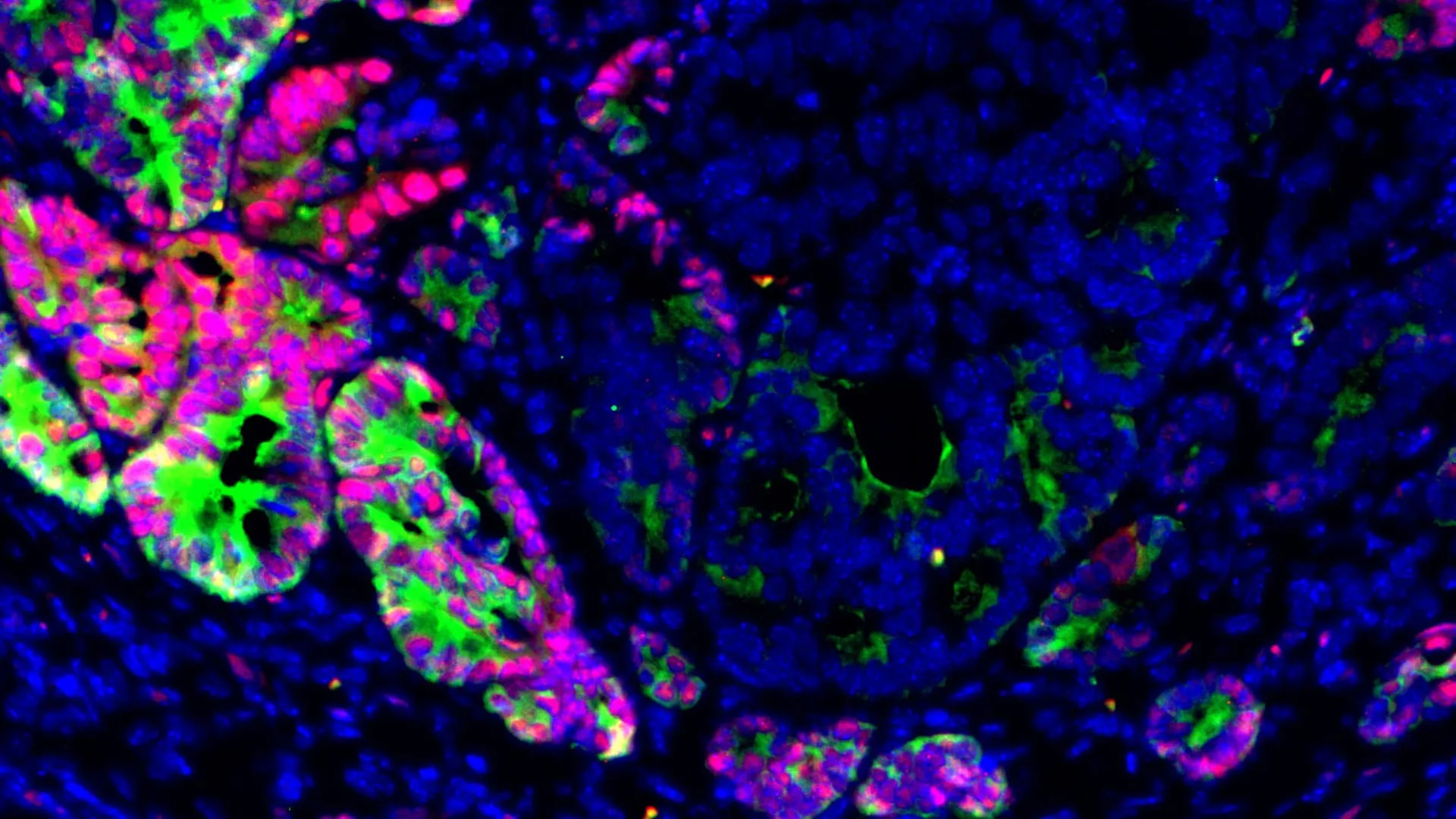
A groundbreaking collaborative study by researchers at Weill Cornell Medicine and the Massachusetts Institute of Technology has pinpointed a critical molecular factor, GATA6, whose loss appears to be a pivotal epigenetic switch that can propel colorectal cancer (CRC) cells into a highly adaptable, primitive state, thereby enabling their deadly spread to the liver. This profound discovery, detailed in a paper published on June 22 in Cell Stem Cell, offers a novel understanding of how one of the most lethal aspects of colorectal cancer—metastasis—occurs, opening new avenues for prevention, early detection, and targeted therapeutic interventions.
The Silent Scourge: Colorectal Cancer and the Peril of Metastasis
Colorectal cancer stands as the third most commonly diagnosed cancer and the second leading cause of cancer-related deaths globally, according to the World Health Organization. In the United States alone, the American Cancer Society estimates over 150,000 new cases and more than 53,000 deaths from CRC annually. While early-stage colorectal cancer is often treatable with surgery, chemotherapy, and radiation, the prognosis darkens considerably once the disease metastasizes, or spreads, to distant organs. The liver is the most common site for colorectal cancer metastasis, affecting approximately 50% of all CRC patients during their disease course. Once CRC spreads to the liver, the five-year survival rate plummets dramatically, often falling below 15% for patients with advanced metastatic disease, compared to over 90% for those with localized disease.
For decades, the scientific community has grappled with understanding the precise mechanisms that drive this devastating spread. The conventional wisdom often pointed towards specific genetic mutations within cancer cells that might confer metastatic capabilities. However, despite extensive research, a clear, universal "driver mutation" for liver metastasis has remained elusive, suggesting that other, perhaps more subtle, cellular transformations might be at play. This new study sheds light on precisely such a mechanism, shifting the focus from irreversible genetic alterations to reversible epigenetic changes.
Unraveling the Epigenetic Switch: The Role of GATA6
At the heart of this discovery is GATA6, a transcription factor. Transcription factors are specialized proteins that play a fundamental role in gene regulation, essentially acting as molecular conductors that control which genes are turned "on" or "off" within a cell. In healthy intestinal lining cells, GATA6 normally functions as a crucial "identity keeper," ensuring these cells maintain their specialized form and function. This specialized identity is vital for the intestine’s complex tasks of digestion and nutrient absorption.
However, the research team, led by Dr. Norihiro Goto, assistant professor of medicine in the Division of Gastroenterology & Hepatology at Weill Cornell, and Dr. Omer H. Yilmaz, associate professor of biology at the Massachusetts Institute of Technology, made a striking observation: GATA6 levels were markedly lower in liver metastases harvested from both murine models and human patients afflicted with colorectal cancer. Furthermore, their analysis revealed a direct correlation between reduced GATA6 expression and poorer patient outcomes, underscoring the clinical relevance of this finding.
"We discovered that GATA6 loss acts as a critical switch that can change cancer cells in the primary tumor from non-metastatic to pro-metastatic," explained Dr. Norihiro Goto, emphasizing the paradigm shift this represents. "Our findings suggest that epigenetic changes may be more important for promoting liver metastasis."
This distinction between genetic and epigenetic changes is profound. Genetic mutations involve alterations to the fundamental DNA sequence itself, which are typically permanent. Epigenetic changes, conversely, do not modify the DNA sequence but instead influence gene activity through chemical modifications to DNA or its associated proteins, like histones. These modifications dictate whether genes are accessible for transcription (turned on) or silenced (turned off), thereby impacting the proteins a cell produces and its overall behavior. The reversibility of epigenetic changes presents a potential therapeutic advantage, as they may be more amenable to intervention than fixed genetic mutations. Dr. Saori Goto, an instructor in medicine at Weill Cornell, served as the study’s first author, playing a critical role in unraveling these complex mechanisms.
Pioneering Research Methodology: Organoids and Live Models Illuminate Early Metastasis
A significant challenge in metastasis research has historically been the difficulty in observing the very initial stages of the metastatic cascade. Studying tissue samples from established liver metastases, while informative, provides only a snapshot of the endpoint, offering limited insights into the dynamic cellular transformations that precede colonization.
"When researchers analyze patient samples from liver metastases, we fail to capture the important signals occurring in the early stages of the metastatic process," Dr. Norihiro Goto noted.
To overcome this hurdle, the research team employed an innovative laboratory model utilizing organoids. Organoids are miniature, three-dimensional cellular structures grown in vitro that closely mimic the architecture, function, and cellular diversity of real organs or tumors. In this study, the scientists derived these "mini-tumors" from actual liver metastases. This cutting-edge approach allowed them to create a dynamic model that could recapitulate many characteristics of colorectal tumors in a controlled environment.
The chronology of their experimental design was crucial:
- Organoid Development: Liver metastases from both human patients and mouse models were used to establish organoid cultures.
- Implantation and Progression: These organoids were then carefully implanted into the colons of mice. Over time, these implanted organoids developed into increasingly aggressive primary tumors.
- Observing Metastasis: Crucially, these primary tumors subsequently spread to the liver in the mouse models, mirroring the natural progression of human CRC.
- Iterative Modeling: By repeating this process multiple times—deriving new organoids from the subsequent liver metastases and re-implanting them—the team was able to observe and analyze how cancer cells progressively acquired and refined their metastatic capabilities across generations. This iterative approach provided an unprecedented window into the sequential cellular changes that drive metastasis.
This sophisticated methodology allowed the researchers to move beyond static observations, offering a dynamic view of how cancer cells adapt and evolve to become metastatic, a process previously shrouded in mystery.
Lineage Plasticity: The Metastatic Transformation
Through their meticulously designed experiments, the research team uncovered that the loss of GATA6 profoundly promotes a phenomenon known as lineage plasticity. Lineage plasticity refers to the remarkable ability of cells to alter their fundamental identity, differentiate into different cell types, and adapt their behavior in response to environmental cues. In the context of cancer, this cellular malleability is highly dangerous.
When GATA6 was absent, colorectal cancer cells activated alternative genetic programs, effectively shedding their mature, specialized intestinal identity. Instead, they adopted a more flexible, primitive, "fetal-like state." This transformation conferred several critical advantages for metastasis: these reshaped cells became more robust, better equipped to survive the arduous journey through the bloodstream, evade immune surveillance, and ultimately establish new tumors in distant organs, particularly the liver.
Intriguingly, this type of cellular reshaping is not inherently pathological. The body normally harnesses lineage plasticity during vital physiological processes such as wound repair, tissue regeneration, and adaptation to various forms of stress. For instance, stem cells exhibit high plasticity to repair damaged tissues. However, in the context of cancer, this natural adaptive mechanism is hijacked and perverted, becoming a potent driver of disease progression and metastasis. The cancer cells essentially revert to a more basic, resilient form, allowing them to survive hostile environments and colonize new territories.
A key indicator of this dangerous plasticity was the emergence of cells lacking LGR5, a well-established marker typically found in highly proliferative intestinal stem cells. Earlier research had already hinted that LGR5-negative cells possess the capacity to initiate liver metastases. The new study conclusively demonstrated that the silencing or loss of GATA6 causes a critical phenotypic shift in cancer cells: they transition from an LGR5-positive state to an LGR5-negative, fetal-like state. These transformed LGR5-negative cells are precisely those that exhibit enhanced metastatic potential. Conversely, the researchers found that restoring GATA6 activity or activating related molecular pathways could effectively reverse this process, significantly reducing the metastatic potential of colorectal cancer cells.
Dr. Norihiro Goto, who is also a member of the Jill Roberts Institute for Research in Inflammatory Bowel Disease and the Sandra and Edward Meyer Cancer Center at Weill Cornell, underscored the direct impact: "When we genetically delete GATA6, the frequency and burden of liver metastases in mouse models significantly increase, while having little effect on primary tumor growth." This observation is particularly salient, as it suggests that metastasis may not simply be a consequence of rapid primary tumor growth but rather a distinct biological process driven by specific cellular state transitions. This implies that therapies focused solely on shrinking the primary tumor might miss the critical mechanisms driving spread.
The Clinical Horizon: Implications for Diagnosis and Treatment
This seminal research carries profound implications for the future management of colorectal cancer, offering both new diagnostic tools and novel therapeutic strategies.
Potential Biomarker for Metastatic Risk: The most immediate clinical application lies in the potential for GATA6 to serve as a prognostic biomarker. Assessing GATA6 levels in primary colorectal tumors could help clinicians identify patients at a higher risk of developing liver metastases. Tumors exhibiting low GATA6 expression might signal the presence of cancer cells already primed for, or actively undergoing, the metastatic transition. This early risk stratification could enable doctors to implement more intensive surveillance protocols or administer more aggressive, prophylactic treatments to prevent metastasis in high-risk individuals, potentially saving lives.
Novel Therapeutic Avenues: Beyond diagnosis, the study points towards an entirely new therapeutic paradigm. Current cancer treatments often focus on eradicating rapidly dividing cells or targeting specific genetic mutations. This research suggests that maintaining cellular identity and preventing cancer cells from adopting these highly flexible, pro-metastatic states could be a potent anti-metastatic strategy. Future therapies might aim to reactivate GATA6 expression, stabilize intestinal cell identity, or inhibit the epigenetic machinery that facilitates lineage plasticity.
However, Dr. Norihiro Goto cautioned that developing such therapies will require meticulous research to ensure they selectively target cancer cells without interfering with essential normal physiological processes, such as wound healing or tissue regeneration, which also rely on similar biological programs of cellular plasticity. The challenge will be to find vulnerabilities unique to GATA6-deficient cancer cells.
Future Research Directions: The collaborative team is already charting the course for subsequent investigations. Their immediate goals include:
- Identifying Unique Vulnerabilities: Pinpointing specific weaknesses or dependencies in GATA6-deficient cancer cells that could be exploited by new drug therapies.
- Investigating the Tumor Microenvironment: Exploring how the surrounding cellular landscape, including immune cells, stromal cells, and liver-specific signals, influences these critical cellular transitions and contributes to the establishment of liver metastases. This broader understanding of the ecosystem in which cancer cells operate will be crucial for developing comprehensive treatments.
Expert Perspectives and Broader Context
The findings from Weill Cornell Medicine and MIT researchers represent a significant advancement in the understanding of cancer metastasis, a field that has long sought to move beyond merely observing tumor spread to actively preventing it. The shift towards epigenetic mechanisms as drivers of metastasis aligns with a growing body of research that acknowledges the complex interplay between genetic predisposition, environmental factors, and dynamic cellular reprogramming in cancer progression.
The emphasis on targeting cellular state transitions rather than just tumor bulk or specific mutations signifies an evolving strategy in oncology. This approach offers hope that even if a primary tumor is not fully eradicated, preventing its cells from acquiring metastatic potential could dramatically improve patient outcomes.
"In addition to treating primary tumors, we need to find strategies to target the mechanism of liver metastasis," Dr. Norihiro Goto reiterated, encapsulating the overarching goal of their work. "Our study is a step toward developing therapies that block the spread of cancer at the earliest stages." This sentiment resonates strongly within the oncology community, where the prevention of metastasis is increasingly recognized as the ultimate frontier in improving cancer survival rates.
This groundbreaking research was made possible through the generous support of various institutions and foundations, including the Astellas Foundation, Research Abroad from Japan Society for the Promotion of Science, the National Institutes of Health (through multiple grants including R00AG076987, 01CA254314, 5U01CA25055, R01CA258523, R01CA25723, R01DK133919, R01DK140310, R01CA299955, and 3OT2CA297570), the Pew-Stewart Trust, AFAR and Glenn Foundation for Medical Research Breakthroughs in Gerontology, the Kenneth Rainin Foundation, the Crohn’s & Colitis Foundation, and the Mark Foundation for Cancer Research. This extensive collaborative funding underscores the recognized importance and transformative potential of this line of inquiry.
The identification of GATA6 as a critical epigenetic regulator of colorectal cancer liver metastasis marks a pivotal moment in cancer research. By illuminating a key mechanism underlying the deadly spread of the disease, this study not only enhances our fundamental understanding of cancer biology but also lays a robust foundation for the development of innovative diagnostic tools and desperately needed anti-metastatic therapies that could significantly alter the trajectory for millions of colorectal cancer patients worldwide.
