
 By Suherman Candra Maholtra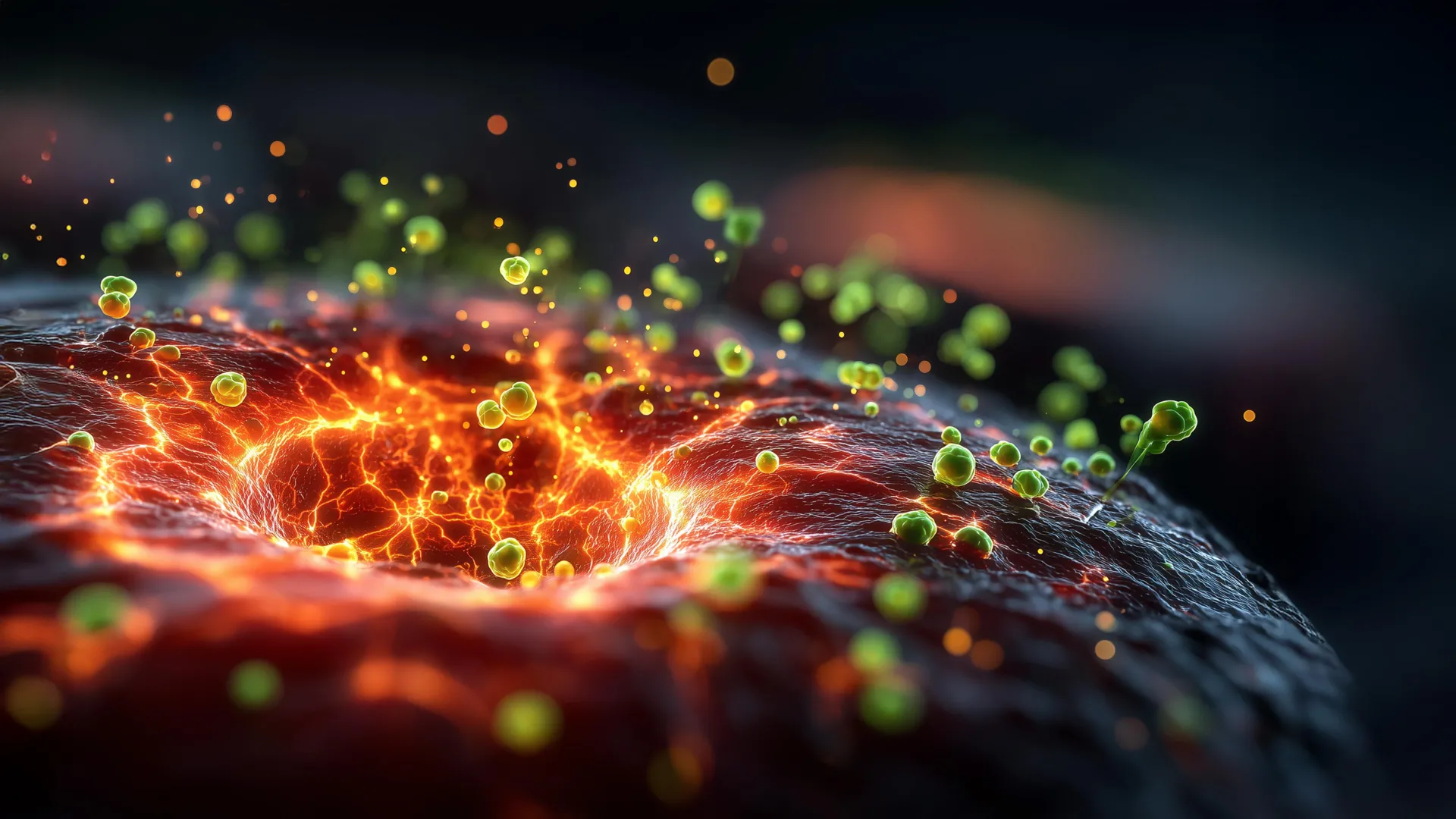
A team of researchers at the Japan Advanced Institute of Science and Technology (JAIST) has achieved a significant breakthrough in oncology by identifying a specific bacterium found in the intestines of Japanese tree frogs that exhibits potent anticancer properties. The study, recently published in the prestigious journal Gut Microbes, details how the bacterium Ewingella americana successfully eliminated colorectal tumors in mouse models with a 100% success rate. This discovery marks a shift in the field of bacteriotherapy, moving away from general microbiome modulation toward the use of specific, naturally occurring bacterial strains as targeted, living therapeutic agents.
The research, led by Associate Professor Eijiro Miyako and his colleagues, challenges the traditional boundaries of cancer treatment. While modern oncology has long relied on chemotherapy, radiation, and more recently, immunotherapy, the utilization of living organisms to hunt and destroy malignant cells offers a "biological" precision that synthetic drugs often struggle to achieve. By sourcing these microbes from the unique biodiversity of Japanese amphibians and reptiles, the JAIST team has opened a new frontier in the search for effective, low-toxicity cancer interventions.
The Evolution of Bacteriotherapy and the JAIST Study Context
The concept of using bacteria to treat cancer is not entirely new. In the late 19th century, Dr. William Coley, often regarded as the "Father of Immunotherapy," observed that some cancer patients experienced remission after suffering from severe bacterial infections. He developed "Coley’s Toxins," a mixture of killed bacteria, to stimulate the immune system against tumors. However, the rise of radiotherapy and chemotherapy in the 20th century sidelined these biological approaches due to concerns over predictability and safety.
In recent years, the scientific community has returned to this concept, aided by a deeper understanding of the gut microbiome and genetic engineering. Most contemporary research has focused on fecal microbiota transplants (FMT) or the use of probiotics to enhance the efficacy of existing drugs. The JAIST study differentiates itself by isolating a wild, non-engineered bacterium and demonstrating that, when delivered intravenously, it acts as a primary therapeutic agent rather than a mere supplement to other treatments.
The researchers turned their attention to amphibians like the Japanese tree frog (Dryophytes japonicus), the Japanese fire belly newt (Cynops pyrrhogaster), and the Japanese grass lizard (Takydromus tachydromoides). These creatures possess complex mucosal and intestinal environments that harbor a diverse array of microbes, many of which have evolved unique survival mechanisms that can be co-opted for medical science.
Chronology of the Discovery and Experimental Process
The research followed a rigorous multi-stage pipeline, beginning with the collection of biological samples and ending with long-term survival studies in mammalian models.
- Sample Collection and Strain Isolation: The team began by collecting 45 distinct bacterial strains from the digestive tracts of the selected amphibian and reptile species. These animals were chosen because their natural habitats and biological defenses suggest a robust and varied internal microbial ecosystem.
- Initial Screening: The 45 strains were subjected to a screening process to identify those capable of inhibiting cancer cell growth in a laboratory setting (in vitro). Nine strains demonstrated varying degrees of anticancer potential.
- Lead Candidate Identification: Among the promising strains, Ewingella americana—isolated from the Japanese tree frog—emerged as the most effective. It showed a remarkable ability to survive in the harsh conditions of the tumor microenvironment while effectively killing cancer cells.
- In Vivo Testing: The researchers moved to mouse models of colorectal cancer. They administered a single intravenous dose of E. americana to the subjects and monitored tumor volume, bacterial colonization, and overall health over several weeks.
- Comparative Analysis: To gauge the effectiveness of the bacterium, the team compared it against two gold-standard treatments: an immune checkpoint inhibitor (anti-PD-L1 antibody) and a common chemotherapy agent (liposomal doxorubicin).
Remarkable Efficacy: 100% Complete Response Rate
The most striking result of the study was the "Complete Response" (CR) observed in the mice treated with E. americana. In the field of preclinical oncology, a 100% CR rate—meaning the total disappearance of all signs of cancer in all treated subjects—is exceptionally rare.
According to the data, the single intravenous injection outperformed both the chemotherapy and the immunotherapy groups. While the anti-PD-L1 antibody and liposomal doxorubicin slowed tumor growth, they did not achieve the total eradication seen with the frog-derived bacteria. The researchers noted that the mice treated with E. americana remained cancer-free for the duration of the 60-day observation period, suggesting not only an acute effect but a sustained therapeutic outcome.
The Dual-Action Mechanism: Direct Attack and Immune Recruitment
The success of E. americana is attributed to a sophisticated "dual-attack" strategy that addresses the tumor from two different angles.
1. Direct Oncolysis in Hypoxic Zones
Tumors are notorious for having "hypoxic" regions—areas with very little oxygen caused by rapid, disorganized growth and poor blood vessel formation. These zones are often resistant to traditional chemotherapy and radiation because those treatments rely on oxygen or blood flow to be effective.
E. americana is a facultative anaerobic bacterium, meaning it can survive in both oxygen-rich and oxygen-poor environments. This allows it to penetrate deep into the core of a tumor. Once inside the hypoxic center, the bacteria find a "sanctuary" where they can multiply without interference. The study found that the bacterial population within the tumor increased by approximately 3,000-fold within just 24 hours of injection. This massive proliferation leads to direct damage to the cancer cells, a process known as oncolysis.
2. Orchestrating a Systemic Immune Response
Beyond direct killing, the presence of the bacteria acts as a powerful "beacon" for the host’s immune system. Tumors often employ "immune cold" strategies, effectively hiding from the body’s natural defenses. The invasion of E. americana turns the tumor "hot."
The research tracked a massive influx of immune cells into the tumor site following treatment, including:
- T cells and B cells: The primary "soldiers" of the adaptive immune system.
- Neutrophils: Rapid-response white blood cells that attack foreign invaders.
These immune cells began secreting pro-inflammatory signaling molecules, specifically Tumor Necrosis Factor-alpha (TNF-α) and Interferon-gamma (IFN-γ). These cytokines not only help kill the cancer cells directly but also help the immune system "remember" the cancer, potentially preventing future recurrence.
Tumor Specificity and Safety Profile
A primary concern with systemic bacterial therapy is the risk of sepsis or the colonization of healthy organs. However, the JAIST team reported a highly favorable safety profile for E. americana.
One of the most significant findings was the bacterium’s "tumor-homing" ability. The researchers found that the bacteria accumulated almost exclusively within the malignant tissue. This is likely due to the "Enhanced Permeability and Retention" (EPR) effect, where the leaky, malformed blood vessels of a tumor allow bacteria to enter, while the lack of effective lymphatic drainage keeps them trapped there. In contrast, healthy organs with robust immune defenses and normal vasculature cleared the bacteria rapidly.
The safety data revealed:
- Rapid Blood Clearance: The bacterium had a half-life of roughly 1.2 hours in the bloodstream.
- Zero Colonization in Healthy Tissue: Within 24 hours, no detectable bacteria remained in the liver, spleen, lungs, kidneys, or heart.
- Temporary Inflammation: While the treatment caused a spike in inflammatory markers, this was mild and returned to baseline levels within 72 hours.
- No Chronic Toxicity: Long-term monitoring over two months showed no adverse effects on the mice’s weight, behavior, or organ function.
Expert Analysis and Potential Implications
The oncology community has reacted to the JAIST findings with cautious optimism. Independent analysts suggest that if these results can be replicated in higher mammals, it could revolutionize the treatment of "hard-to-treat" solid tumors.
"The fact that a naturally occurring strain can achieve a 100% complete response where standard-of-care drugs failed is a powerful testament to the untapped potential of environmental microbiology," noted a summary of the study’s implications.
However, experts also point out the "translational gap" between mice and humans. Human tumors are more complex, genetically diverse, and exist within a more sophisticated immune system. The next logical step for the JAIST team involves testing the bacterium against other types of aggressive cancers, such as pancreatic cancer and melanoma, which are known for their dense, hypoxic microenvironments.
Future Research and Optimization
The JAIST researchers have already outlined an ambitious roadmap for future development. Plans include:
- Dose Fractionation: Investigating whether multiple smaller doses are more effective or safer than a single large dose.
- Direct Intratumoral Injection: Comparing systemic delivery with direct injection into accessible tumors to maximize local concentration.
- Combination Therapies: Exploring synergistic effects when E. americana is used alongside existing chemotherapies. It is possible that the bacteria could "prime" a tumor, making it more susceptible to traditional drugs.
- Expanding the Library: The team intends to continue exploring biodiversity, looking for other microbes that might target specific cancer types or possess even lower toxicity profiles.
Conclusion
The identification of Ewingella americana from the Japanese tree frog as a potent anticancer agent represents a milestone in biological medicine. By leveraging the natural properties of a facultative anaerobe, the scientists at JAIST have demonstrated a method to penetrate and destroy tumors from the inside out while simultaneously mobilizing the body’s own immune defenses.
While the journey from a mouse model to a clinical pharmacy is long and fraught with regulatory and biological hurdles, this study provides a robust proof of concept. It highlights a future where the cure for some of humanity’s most devastating diseases may not be found in a synthetic laboratory, but in the complex, hidden ecosystems of the natural world. The research serves as a poignant reminder of the importance of preserving global biodiversity, as the next major medical breakthrough could be residing in the gut of a common forest dweller.
