
 By admin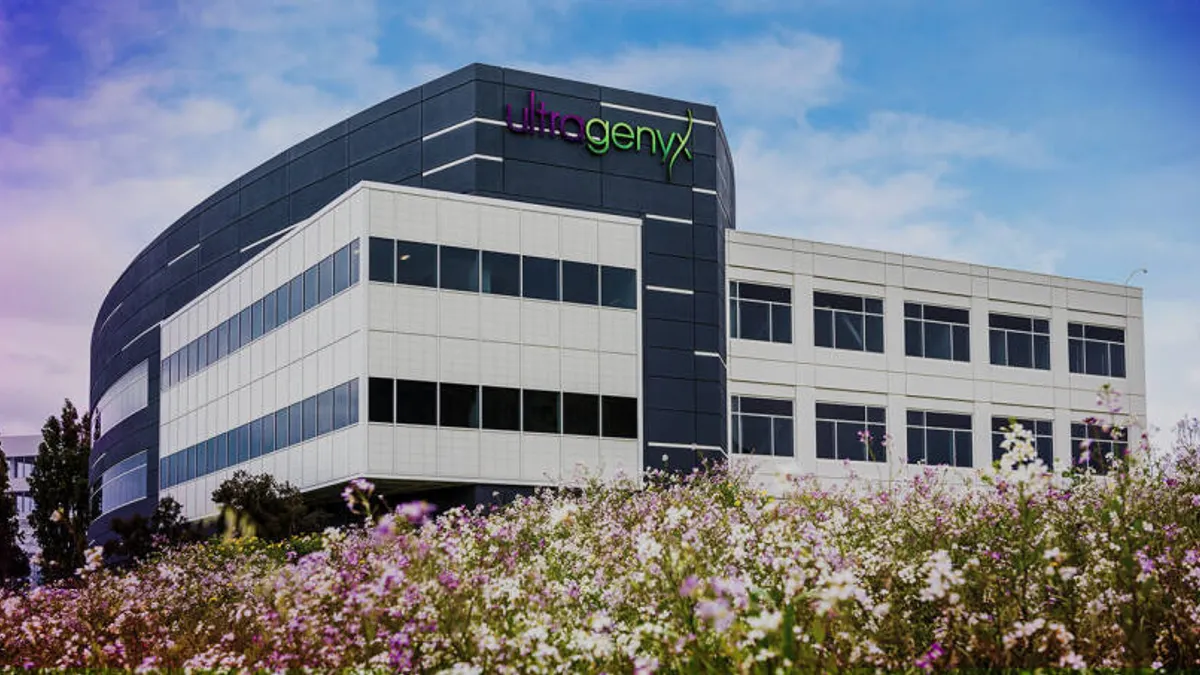
The biopharmaceutical landscape was rocked on Wednesday by the announcement that Ultragenyx Pharmaceutical Inc.’s investigational therapy, GTX-102, a promising treatment for Angelman syndrome, failed to meet its primary endpoints in a pivotal Phase 3 study. This profound clinical disappointment represents a significant blow to the company’s pipeline and casts a shadow over the broader rare disease sector, particularly for other developers pursuing similar therapeutic mechanisms for this devastating neurogenetic disorder. Ultragenyx, headquartered in Novato, California, has swiftly indicated that it will undertake a rigorous examination of its operational expenses and strategic priorities in light of the unexpected outcome.
The Promise and the Disappointment: A Chronology of GTX-102
The journey of GTX-102, an antisense oligonucleotide (ASO) designed to activate the silent paternal UBE3A allele in Angelman syndrome patients, had been closely watched by investors, patient advocacy groups, and the scientific community. Early research, including preliminary data from an earlier phase of the study, had ignited considerable optimism, suggesting a potential breakthrough in a disease notoriously resistant to therapeutic intervention. These initial positive signals had positioned GTX-102 as a potential blockbuster, with analysts projecting peak sales upwards of $1.8 billion, a figure that underscored the immense unmet medical need and the drug’s perceived market potential.
The Phase 3 study, a critical milestone in any drug’s development path, was designed to confirm the efficacy and safety profile observed in earlier stages across a larger, more diverse patient population. However, the comprehensive data analysis revealed that GTX-102 did not achieve its primary objectives. The language used by Ultragenyx in its public disclosure was stark and unambiguous, leaving little room for alternative interpretations or speculative optimism regarding a specific subgroup benefit. Joseph Schwartz, an analyst at Leerink Partners, succinctly captured the sentiment in a note to clients, stating that the company’s communication "leaves very little room for an optimistic interpretation." This definitive failure underscores the inherent complexities and high risks associated with drug development, especially for intricate neurological conditions.
Understanding Angelman Syndrome: A Devastating Unmet Need
Angelman syndrome is a severe neurodevelopmental disorder primarily caused by the loss of function of the UBE3A gene on chromosome 15. Affecting approximately 1 in 12,000 to 20,000 live births globally, it is characterized by profound developmental delays, intellectual disability, severe speech impairment (many patients never speak), ataxia (problems with balance and movement), and often epilepsy. Individuals with Angelman syndrome typically exhibit a happy, excitable demeanor with frequent smiling and laughter, but their cognitive and motor challenges necessitate lifelong care. The condition places an enormous physical, emotional, and financial burden on patients and their families, who often struggle to find adequate support and treatment options.
Despite decades of research, there are currently no approved therapies that directly address the underlying genetic cause or effectively mitigate the core symptoms of Angelman syndrome. The history of drug development for this disorder is replete with unsuccessful attempts, highlighting the formidable scientific and clinical hurdles involved. Previous experimental treatments, ranging from small molecules to gene-based approaches, have largely failed to demonstrate significant clinical benefits in controlled trials. This repeated pattern of setbacks makes the failure of GTX-102 particularly disheartening for a community that has placed immense hope in each new therapeutic candidate. The scientific community has long grappled with the intricacies of neurological conditions, where the blood-brain barrier, complex neural circuitry, and the timing of intervention often pose insurmountable challenges. The specific mechanism of Angelman syndrome, involving a paternal gene silencing and the need to reactivate it, adds another layer of complexity.
Financial Fallout and Ultragenyx’s Strategic Pivot

For Ultragenyx, the failure of GTX-102 represents more than just a clinical disappointment; it necessitates a fundamental re-evaluation of its financial outlook and corporate strategy. The anticipated blockbuster status of GTX-102 was a cornerstone of the company’s long-term growth projections and investor appeal. Its absence creates a significant revenue gap that will be challenging to fill with existing or other pipeline assets.
The company has openly stated its intention to closely examine its expenses, a move that follows a prior restructuring and round of layoffs announced in February. That earlier initiative was aimed at streamlining operations and accelerating the path to profitability, a goal that has remained elusive for Ultragenyx despite having five approved products on the market. While the company’s portfolio includes innovative treatments, such as its first gene therapy approved in August, none of its current marketed medications are considered blockbuster candidates with multi-billion-dollar annual sales potential. This implies that Ultragenyx has relied heavily on its pipeline, particularly high-potential assets like GTX-102, to drive future growth and ultimately achieve financial sustainability.
The analyst community has quickly recalibrated its view of Ultragenyx. Joseph Schwartz noted that "The investment case has changed shape," transforming Ultragenyx into "clearly now a commercial and expense story rather than a pipeline execution story." This shift in perception means investors will now scrutinize the company’s ability to optimize sales from its existing product portfolio and manage its operational costs effectively, rather than relying on the speculative upside of its developmental programs. The company’s immediate focus will likely turn to its other late-stage assets, such as UX111 for Sanfilippo syndrome, which may receive approval in the coming weeks. However, even with a successful launch, UX111’s projected peak sales of $120 million to $240 million are a fraction of what GTX-102 was expected to generate, underscoring the magnitude of the lost opportunity.
Broader Industry Ramifications: A Ripple Effect
The failure of GTX-102 has sent a palpable ripple effect across the rare disease biotechnology sector, particularly impacting companies developing therapies for Angelman syndrome that employ similar mechanistic approaches. Ionis Pharmaceuticals, a leader in antisense oligonucleotide technology and a key partner in the development of some ASO drugs, saw its shares fall by 4% in early trading following Ultragenyx’s announcement. Oak Hill Bio, another company with an Angelman therapy in its pipeline, which recently announced plans to go public by the end of the year, also faces increased scrutiny.
While analysts acknowledge that Ionis and Oak Hill Bio’s candidates might differentiate themselves through higher dosing strategies, superior potency, or distinct chemical modifications, the market’s reaction reflects a broader investor caution. The setback for GTX-102 raises concerns about the fundamental biological targets, the delivery challenges of ASOs to the central nervous system, and the overall difficulty in demonstrating meaningful clinical benefit in Angelman syndrome. This increased risk perception could make it more challenging for companies in this space to attract future investment or could lead to more conservative valuations.
Furthermore, the outcome might prompt other companies developing therapies for complex neurological disorders to re-evaluate their clinical trial designs, endpoint selections, and patient stratification strategies. The industry often learns valuable lessons from both successes and failures, and this particular setback will undoubtedly contribute to a deeper understanding of the challenges in developing effective treatments for rare neurodevelopmental conditions.
Analyst Perspectives and Investor Sentiment
The investment community’s response has been swift and largely negative, reflecting the deep disappointment associated with the loss of a potential flagship product. Beyond Joseph Schwartz’s pointed remarks, other analysts have echoed concerns about Ultragenyx’s valuation and future growth trajectory. Many had factored the potential success of GTX-102 heavily into their models, and its failure necessitates substantial downward revisions to price targets and earnings estimates.

Investor sentiment is expected to remain cautious for Ultragenyx. The company’s repeated efforts to achieve profitability, coupled with significant pipeline setbacks, could lead to a period of reduced investor confidence. While Ultragenyx possesses a portfolio of approved products and other pipeline assets, the market will now demand clear evidence of commercial execution and disciplined expense management before re-rating the stock. The company’s ability to effectively market its existing rare disease therapies and bring other promising candidates to fruition will be under intense scrutiny. This event also serves as a stark reminder to investors about the inherent volatility and risk associated with early-stage biopharmaceutical investments, especially in the rare disease space where clinical trial failures are regrettably common.
The Road Ahead for Ultragenyx
Ultragenyx now faces a critical juncture. Its immediate priorities will include a comprehensive review of its pipeline and operational structure, likely leading to further cost-cutting measures and a sharpened focus on its most promising assets. The successful commercialization of its five approved products, including the recently approved gene therapy, will be paramount. These products, while not blockbusters, represent stable revenue streams that can contribute to reducing the company’s burn rate and eventually achieving profitability.
The upcoming decision regarding UX111 for Sanfilippo syndrome will be a significant near-term event. A positive outcome would provide a much-needed boost, demonstrating the company’s continued ability to bring therapies to market, albeit with more modest commercial potential. However, the shadow of GTX-102’s failure will linger, demanding that Ultragenyx demonstrate consistent execution across its commercial and R&D functions. The company will need to clearly articulate a revised strategy that reassures investors of its path to sustainable growth and profitability in the highly competitive and challenging rare disease market.
The Future of Angelman Syndrome Research
Despite the latest setback, the urgent need for effective treatments for Angelman syndrome remains undiminished. The patient community, while undoubtedly disheartened, continues to advocate fiercely for research and development. The scientific understanding of Angelman syndrome is constantly evolving, and ongoing efforts are exploring a diverse range of therapeutic strategies beyond ASOs, including gene therapy, gene editing, and small molecules targeting downstream pathways.
The failure of one approach, while painful, does not negate the validity of the underlying scientific pursuit. It often provides invaluable data and insights that can inform future research, helping scientists refine their understanding of the disease and identify more effective therapeutic avenues. Organizations like the Angelman Syndrome Foundation and FAST (Foundation for Angelman Syndrome Therapeutics) continue to fund critical research and support families, embodying the resilience and determination of a community committed to finding a cure. The path to a breakthrough for Angelman syndrome is long and arduous, but the commitment from researchers, pharmaceutical companies, and patient advocates remains strong, fueled by the hope that one day, an effective treatment will transform the lives of those affected by this challenging disorder.
