
 By Hendra Lukman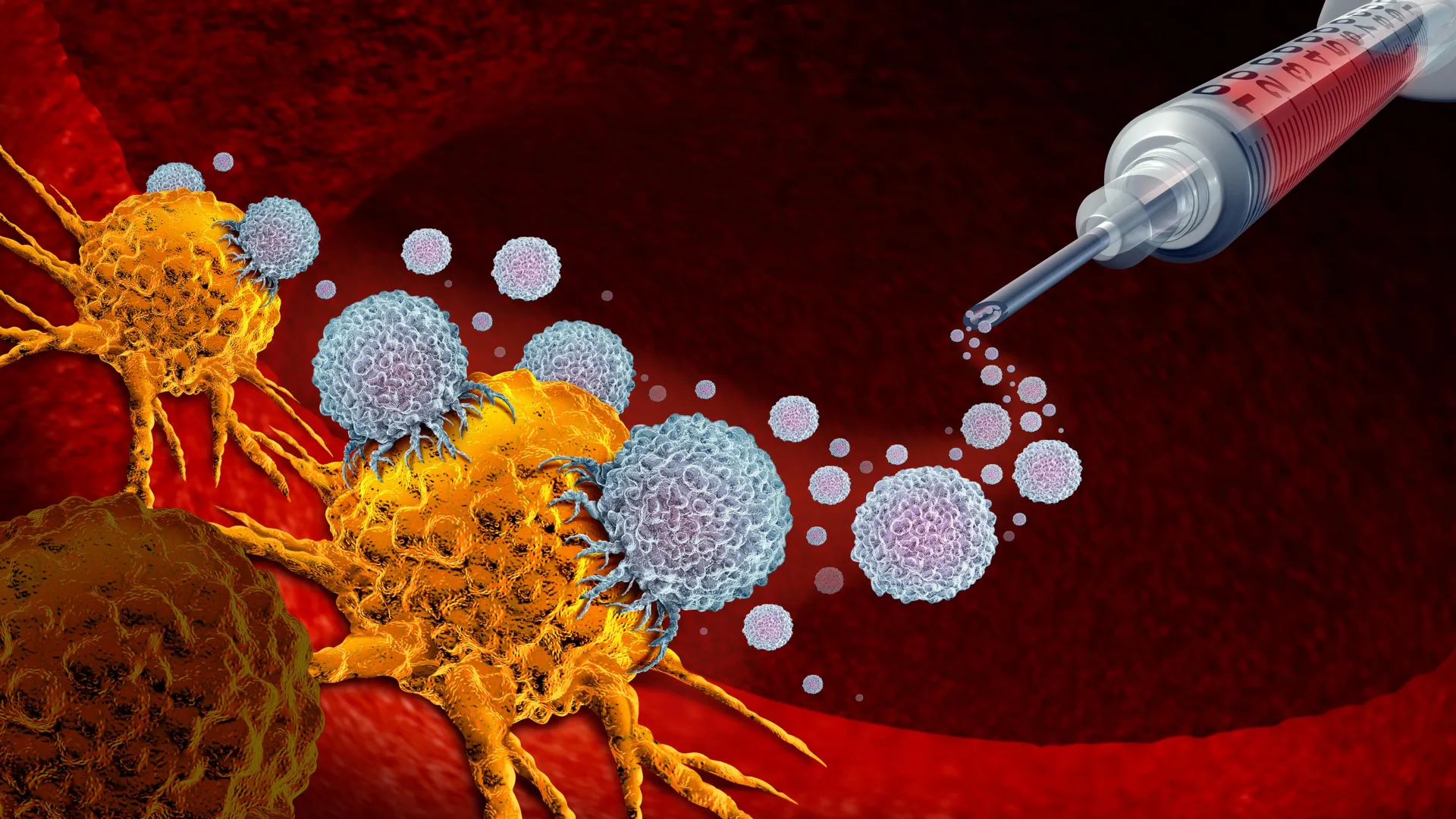
A groundbreaking study from the University of Florida (UF) has unveiled a novel approach to cancer immunotherapy, demonstrating that an experimental mRNA vaccine can significantly enhance the effectiveness of existing cancer treatments in preclinical models. Published recently in the prestigious journal Nature Biomedical Engineering, the research indicates that pairing this innovative vaccine with immune checkpoint inhibitors—a cornerstone of modern cancer therapy—elicits a robust antitumor response. This development marks a crucial advancement toward the long-sought goal of a universal vaccine capable of "waking up" the immune system to effectively combat a wide spectrum of cancers.
A Novel Strategy: Revving Up the Immune System
What distinguishes this research is its departure from traditional cancer vaccine strategies. Instead of targeting specific proteins unique to cancer cells or viruses, the UF team focused on a more generalized approach: stimulating the immune system to respond as if it were encountering a viral infection. This was achieved by upregulating the expression of a protein known as PD-L1 within tumors. PD-L1 plays a critical role in immune regulation, and its increased presence within tumors makes them more vulnerable to attack by immune cells, particularly T cells, when they are properly activated.
This "one-two punch" strategy, combining the experimental mRNA vaccine with immune checkpoint inhibitors, proved remarkably effective in mouse models. The research, bolstered by significant funding from multiple federal agencies and foundations, including the National Institutes of Health, offers a promising new therapeutic avenue that could potentially serve as an alternative or complement to conventional treatments like surgery, radiation, and chemotherapy.
Implications for Treatment-Resistant Tumors
Elias Sayour, M.D., Ph.D., senior author of the study and a pediatric oncologist at UF Health, emphasized the broad implications of these findings. "This paper describes a very unexpected and exciting observation: that even a vaccine not specific to any particular tumor or virus—so long as it is an mRNA vaccine—could lead to tumor-specific effects," stated Dr. Sayour, who also serves as the principal investigator at the RNA Engineering Laboratory within UF’s Preston A. Wells Jr. Center for Brain Tumor Therapy.
The potential for a broadly applicable cancer vaccine has long been a dream in oncology. Historically, cancer vaccine development has followed two primary paths: identifying specific target antigens present in a large proportion of cancer patients, or developing highly personalized vaccines tailored to the unique molecular profile of an individual’s tumor. This new research suggests a third, emerging paradigm.
A Third Paradigm: The Universal Cancer Vaccine
"This study suggests a third emerging paradigm," explained Duane Mitchell, M.D., Ph.D., a co-author of the paper and Director of the UF Clinical and Translational Science Institute. "What we found is by using a vaccine designed not to target cancer specifically but rather to stimulate a strong immunologic response, we could elicit a very strong anticancer reaction. And so this has significant potential to be broadly used across cancer patients—even possibly leading us to an off-the-shelf cancer vaccine."
The concept of an "off-the-shelf" cancer vaccine—one that could be readily administered to a wide range of patients without extensive personalization—would represent a monumental shift in cancer care, potentially democratizing access to advanced immunotherapies.
The Journey: From Personalized to Generalized mRNA Vaccines
Dr. Sayour’s pioneering work in high-tech anticancer vaccines, leveraging lipid nanoparticles and mRNA, has been ongoing for over eight years. Messenger RNA (mRNA), the molecule that carries genetic instructions from DNA to the cell’s protein-making machinery, has emerged as a powerful platform for therapeutic development, most notably demonstrated by the rapid success of COVID-19 vaccines.
This latest study builds upon a significant breakthrough achieved by Dr. Sayour’s lab just last year. In a landmark first-in-human clinical trial, an mRNA vaccine was used to reprogram the immune system to attack glioblastoma, an aggressive and often fatal brain tumor. The trial, involving four patients, demonstrated the remarkable speed and efficacy of this personalized approach, showcasing a vigorous immune response capable of rejecting the tumor. This prior success provided a strong foundation for exploring a more generalized application of mRNA vaccine technology.
Adapting the Technology for Broader Impact
For the current study, the research team adapted their mRNA technology to test a "generalized" vaccine. Unlike the personalized vaccine used in the glioblastoma trial, this formulation was not engineered to target specific viral components or mutated cancer cells. Instead, its primary design objective was to elicit a potent and broad immune system response. The mRNA formulation shares technological similarities with COVID-19 vaccines, utilizing similar delivery mechanisms and mRNA coding principles, but it was not directed at the SARS-CoV-2 spike protein.
Promising Results in Preclinical Models
In mouse models of melanoma, a type of skin cancer known for its resistance to treatment, the generalized mRNA vaccine, when administered in combination with a common immunotherapy drug called a PD-1 inhibitor, yielded highly promising results. PD-1 inhibitors are a class of monoclonal antibodies that work by blocking a protein on T cells that normally prevents them from attacking other cells. By blocking PD-1, these drugs effectively "release the brakes" on the immune system, enabling T cells to recognize and destroy cancer cells.
"The team saw promising results in normally treatment-resistant tumors when combining the mRNA formulation with a common immunotherapy drug called a PD-1 inhibitor," said Dr. Sayour, who is also a professor in UF’s Lillian S. Wells Department of Neurosurgery and the Department of Pediatrics in the UF College of Medicine.
Further expanding the scope of their investigation, the researchers tested a different mRNA formulation as a standalone treatment in mouse models of skin, bone, and brain cancers. Remarkably, in some of these models, the tumors were completely eliminated without the need for concurrent immunotherapy. This finding suggests that the generalized mRNA vaccine, by powerfully stimulating the immune system, can itself induce significant anticancer activity.
Understanding the Mechanism: Unforeseen Immune Activation
The researchers observed a key phenomenon: the mRNA vaccine’s ability to activate immune responses that were seemingly unrelated to cancer. This activation spurred previously dormant or ineffective T cells to multiply and develop the capacity to kill cancer cells, provided the vaccine-induced immune response was sufficiently strong. This suggests that the vaccine acts as a potent catalyst, broadly priming the immune system for a more aggressive and effective attack against cancerous cells.
"Taken together, the study’s implications are striking," commented Dr. Mitchell. "It could potentially be a universal way of waking up a patient’s own immune response to cancer. And that would be profound if generalizable to human studies."
The Path Forward: Towards Human Clinical Trials
The study’s findings represent a significant leap forward, potentially paving the way for a universal cancer vaccine that can prime the immune system to work synergically with checkpoint inhibitor drugs, or in some cases, even mount an independent assault on cancer. The implications for patients with difficult-to-treat or recurrent cancers are substantial.
The research team is now focused on refining their current formulations and accelerating the transition to human clinical trials. The ultimate goal is to translate these promising preclinical findings into tangible therapeutic benefits for patients. The successful development of a universal mRNA cancer vaccine would revolutionize cancer treatment, offering a more accessible, effective, and potentially less toxic option for a wide range of malignancies.
The research was supported by grants from the National Institutes of Health (NIH) through grants R01CA258474, R01DE031141, and P01CA272843, as well as funding from the National Cancer Institute (NCI) and the McKnight Brain Institute. This multi-faceted support underscores the national interest and potential impact of this innovative line of cancer research. The ongoing collaboration between various departments and centers at the University of Florida highlights a robust institutional commitment to advancing cutting-edge biomedical discoveries.
