
 By Budi Oetomo Narendra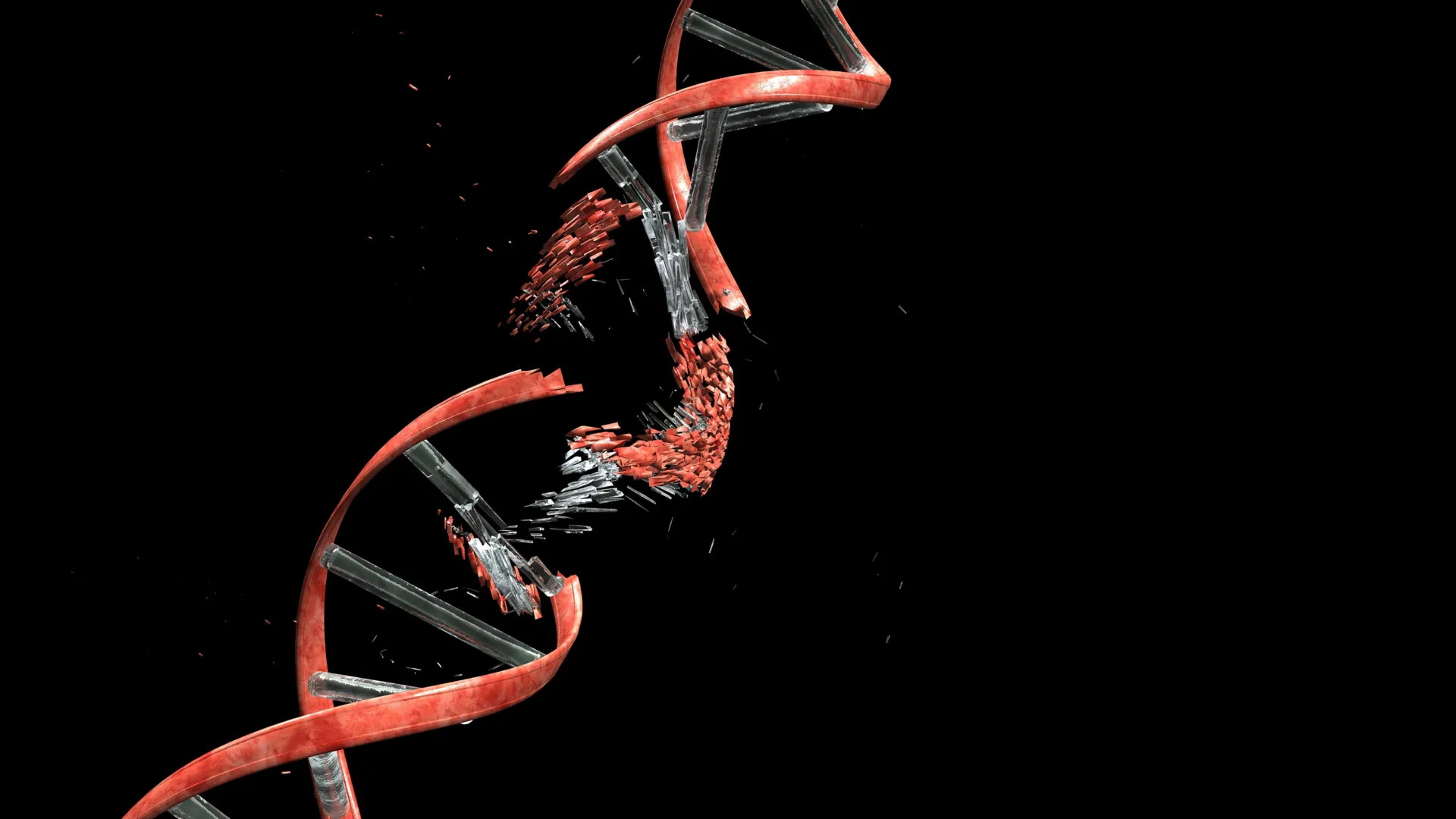
New research reveals a profound and previously underappreciated mechanism by which cancer cells, in their relentless pursuit of rapid proliferation, inadvertently inflict severe damage upon their own genetic material. This groundbreaking study, led by PhD student Osama Hidmi under the guidance of Prof. Rami Aqeilan of the Hebrew University of Jerusalem, suggests that powerful DNA control regions known as super-enhancers, which drive unusually intense activity in genes critical for tumor growth, place immense strain on the DNA, leading to recurrent and potentially catastrophic breaks. While cancer cells possess sophisticated repair mechanisms that allow them to survive these onslaughts, the repeated cycles of damage and repair are fertile ground for accumulating errors and mutations, thereby accelerating the very genetic instability that enables tumors to adapt, evolve, and become more aggressive. Published in Science Advances, these findings offer a novel perspective on the origins of genetic instability in cancer and could pave the way for innovative therapeutic strategies that exploit this inherent vulnerability.
Unmasking a Critical Driver of Genetic Instability
Genetic instability has long been recognized as a hallmark of cancer, a fundamental characteristic that allows malignant cells to accumulate the mutations necessary for uncontrolled growth, evasion of immune surveillance, metastasis, and resistance to therapy. For decades, researchers have sought to understand the myriad causes of this instability, from external factors like carcinogens and radiation to internal processes such as replication stress and errors in DNA repair. This latest investigation introduces a compelling new contributor: the sheer physical stress imposed by hyperactive gene expression within specific, highly critical regions of the cancer genome.
At the core of this discovery are super-enhancers, segments of DNA that function as powerful regulatory hubs, orchestrating the expression of nearby genes at exceptionally high levels. Unlike typical enhancers, which modulate gene activity, super-enhancers are distinguished by their expansive size, high density of transcription factors, and profound capacity to drive gene expression. In healthy cells, super-enhancers are crucial for defining cell identity and maintaining tissue-specific functions. However, in cancer, these regulatory elements are frequently hijacked, rerouted, or amplified to drive the overexpression of oncogenes—genes that promote cell division, survival, and other malignant behaviors. This sustained, extreme level of gene activity, the study demonstrates, comes at a significant cost to the structural integrity of the DNA itself.
The Mechanics of Self-Inflicted Damage
To sustain their rapid multiplication, cancer cells activate specific genes far more intensely than their healthy counterparts. These genes are often involved in cell cycle progression, metabolism, and resistance to apoptosis (programmed cell death), all essential for the tumor’s survival and expansion. The research team utilized a sensitive genome-mapping method to create detailed maps of where double-strand breaks (DSBs)—among the most severe forms of DNA damage, involving the severance of both strands of the DNA molecule—occurred across the cancer genome. What they found was striking: these breaks were not randomly distributed but clustered predominantly within genes controlled by super-enhancers.
This precise localization strongly suggests a direct causal link. The hypothesis put forth by the researchers is that the continuous, high-output transcription driven by super-enhancers creates immense topological and physical stress on the DNA molecule. As the DNA helix unwinds and rewinds to allow for gene expression, and as transcription machinery moves along the strand, it can create points of extreme tension. This mechanical strain, coupled with potential conflicts between transcription and DNA replication machinery that are more frequent in highly active regions, can culminate in the snapping of the DNA backbone, resulting in DSBs.
A Cycle of Damage, Repair, and Mutation
The study further investigated the cellular response to this damage. They tracked a natural cellular "alarm" signal, typically involving the phosphorylation of histone H2AX (γH2AX), which marks damaged DNA and recruits the elaborate machinery necessary for its repair. Their observations revealed a persistent cycle: cancer cells repeatedly damage and subsequently repair DNA within these intensely active, super-enhancer-driven regions.
While this repair process is essential for the tumor cells to survive the constant onslaught of self-inflicted damage, it is far from perfect. DNA repair mechanisms, particularly non-homologous end joining (NHEJ), which is often error-prone, can introduce small errors or ‘scars’ during the rejoining of broken DNA strands. Each repair event, therefore, presents an opportunity for mutation. Over time, these accumulated mistakes can render the affected regions even more susceptible to collecting additional mutations, thereby accelerating the rate of genetic change within the tumor. This vicious cycle—where the very machinery that enables rapid tumor growth also creates genomic instability—provides a powerful engine for cancer evolution.
"Cancer cells rely on super-enhancers to keep growth genes running at high speed," explained Prof. Rami Aqeilan. "What we found is that this same high-output activity can put real strain on the DNA, creating break hotspots that the cell has to repair again and again. That cycle may help tumors survive in the short term, but it also increases the risk of mutations that can fuel cancer’s evolution." This statement underscores the paradoxical nature of cancer’s growth strategy, turning its strength into an inherent weakness.
Broader Context and Historical Understanding
The understanding of genetic instability as a driver of cancer has evolved significantly over the past century. Early observations in the late 19th and early 20th centuries by scientists like Theodor Boveri hinted at chromosomal abnormalities in cancer cells. However, it wasn’t until the advent of molecular biology in the latter half of the 20th century that the precise mechanisms of DNA damage, repair, and mutation accumulation began to be deciphered. The concept of "mutator phenotype" in cancer, suggesting that tumors acquire mutations that increase their mutation rate, gained prominence. Later, the seminal work by Hanahan and Weinberg, outlining the "hallmarks of cancer," firmly established "genome instability and mutation" as one of the core capabilities acquired by cancer cells during their development.
The discovery of super-enhancers in the early 2010s revolutionized the understanding of gene regulation, particularly in development and disease. Their identification provided a molecular explanation for the exceptionally high expression of certain genes in specific cell types and, crucially, in various cancers. Researchers quickly realized that targeting super-enhancers could offer a novel therapeutic approach, distinct from directly inhibiting oncogene proteins. This current study from the Hebrew University of Jerusalem adds another critical layer to this understanding, connecting super-enhancer activity directly to physical DNA damage and the ensuing genetic instability, thereby providing a mechanistic link between hyper-transcription and cancer evolution.
Implications for Cancer Treatment and Diagnosis
The findings from Prof. Aqeilan’s team open exciting new avenues for cancer diagnosis and treatment. Recognizing that cancer cells are highly dependent on these high-stress DNA regions for their continued growth, Osama Hidmi, the lead PhD student, noted, "Because cancer cells depend on these high-stress DNA regions to keep growing, they may also be more vulnerable there. This opens the door to treatments that target the very processes tumors rely on to survive."
This vulnerability suggests several potential therapeutic strategies:
-
Targeting Super-Enhancer Activity: Therapies could be designed to specifically disrupt the intense gene activity driven by super-enhancers. For instance, small molecule inhibitors that target components of the super-enhancer machinery (e.g., bromodomain and extra-terminal domain (BET) inhibitors like JQ1, which target BRD4, a key super-enhancer component) are already under investigation in clinical trials for various cancers. This research provides a new rationale for their use, suggesting they might not only reduce oncogene expression but also mitigate the DNA damage associated with super-enhancer activity.
-
Interfering with DNA Repair Pathways: Since cancer cells rely heavily on repairing these self-inflicted breaks, inhibiting key DNA repair pathways could be a potent strategy. Drugs like PARP inhibitors, which are already approved for certain cancers (e.g., BRCA-mutated ovarian and breast cancers), work by blocking DNA repair, leading to an accumulation of damage that ultimately overwhelms and kills cancer cells. This study suggests that targeting repair in super-enhancer-driven hotspots could be broadly applicable to many cancers, potentially sensitizing tumors to existing DNA-damaging chemotherapies or radiation.
-
Combination Therapies: The most promising approach might involve combining treatments that reduce super-enhancer activity with those that inhibit DNA repair. Such a dual-pronged attack could create a synthetic lethality, where neither intervention alone is sufficient to kill the cancer cell, but together they induce overwhelming damage and lead to cell death.
Furthermore, the identification of these specific "break hotspots" could have diagnostic and prognostic implications. The presence and pattern of these DNA breaks might serve as novel biomarkers for predicting tumor aggression, likelihood of metastasis, or response to specific therapies. For instance, a higher density of breaks in super-enhancer regions might indicate a more rapidly evolving and potentially drug-resistant tumor.
Towards a New Paradigm in Cancer Research
This research represents a significant paradigm shift in how scientists understand the interplay between cancer growth and genetic instability. It moves beyond viewing DNA damage as a random event or solely a consequence of external stressors, instead positing it as an intrinsic, active consequence of cancer’s core growth strategy. The drive to keep growing places constant pressure on the tumor’s own DNA, creating damage that could reveal new opportunities for treatment.
The Hebrew University’s research team plans to further investigate these mechanisms, exploring how this super-enhancer-driven instability varies across different cancer types and patient populations. Future studies will likely focus on validating these findings in in vivo models and exploring the efficacy of novel therapeutic combinations. The long-term vision is to translate these mechanistic insights into tangible clinical benefits, offering new hope to patients by developing strategies that limit a tumor’s ability to adapt and evolve, ultimately turning one of cancer’s greatest strengths—its relentless growth—into its Achilles’ heel. This profound understanding of cancer’s self-destructive tendencies through its own growth mechanisms brings the scientific community a crucial step closer to developing more effective and durable cancer treatments.
