
 By admin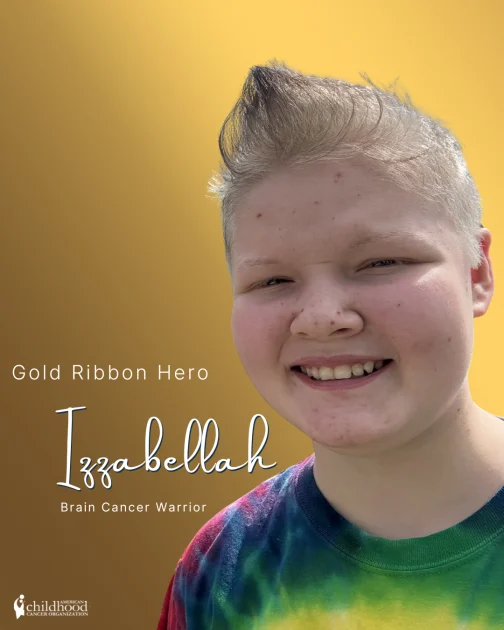
The medical journey of Izzabellah “Bellah,” a pediatric brain cancer survivor, serves as a poignant case study in the complexities of neuro-oncology and the systemic challenges faced by families navigating life-threatening childhood illnesses. Bellah’s experience, characterized by a sudden transition from chronic symptoms to emergency surgical intervention, mirrors a broader trend in pediatric oncology where early detection remains a critical yet elusive goal. For four consecutive months, Bellah experienced persistent and worsening headaches, a symptom that is frequently overlooked or attributed to less severe conditions such as tension, dehydration, or vision issues in school-aged children. However, the eventual diagnostic clarity provided by Magnetic Resonance Imaging (MRI) revealed a critical neurological situation that required immediate and intensive medical management.
According to Natalie, Bellah’s mother, the diagnostic process moved with alarming speed once clinical imaging was obtained. The initial MRI provided immediate visual evidence of an abnormality, prompting a call from medical professionals within an hour of the scan. This led to an urgent referral to a regional medical center, followed by a rapid transfer to Riley Children’s Hospital in Indianapolis, a facility recognized for its specialized pediatric neuro-oncology department. The speed of this transition underscores the high-stakes nature of pediatric brain tumors, which often require multidisciplinary teams involving neurosurgeons, oncologists, and radiologists to manage intracranial pressure and plan for tumor resection.
The Chronology of Treatment and Surgical Intervention
The clinical path for Bellah involved a multi-modal approach, beginning with the surgical resection of a primary tumor. In pediatric neuro-oncology, the primary objective of surgery is often maximum safe resection—removing as much of the tumor as possible without damaging critical brain tissue responsible for motor skills, speech, or cognitive function. While the initial surgery was successful in removing the first identified mass, subsequent monitoring and imaging revealed the presence of additional tumors, a development that complicates the prognosis and necessitates systemic therapy.
Following the identification of further growths, Bellah transitioned into a rigorous 13-month regimen of oral chemotherapy. Unlike traditional intravenous chemotherapy, oral chemotherapy allows for more flexibility in a home setting but requires strict adherence to dosing schedules and carries its own set of systemic side effects, including nausea, fatigue, and immunosuppression. Despite this intensive pharmacological intervention, Bellah’s condition required a second major brain surgery. The necessity of a second procedure highlights the resilient and often aggressive nature of pediatric brain cancers, which can persist despite aggressive chemical intervention.
The post-surgical phase was followed by eight weeks of localized radiation therapy. Radiation in pediatric patients is a delicate balance; while it is effective at destroying remaining malignant cells, it carries significant risks for developing brains, including potential cognitive delays and endocrine disruption. For Bellah, this was not the final step, as she eventually returned to a chemotherapy protocol to ensure long-term suppression of the disease. This cyclical nature of treatment—moving between surgery, chemotherapy, and radiation—is common in high-risk pediatric cases and places an immense physical and emotional burden on the patient.
The Sociopsychological Impact of Pediatric Cancer
Beyond the clinical and physiological challenges, the case of Izzabellah highlights the profound social and psychological toll that long-term cancer treatment takes on adolescents. During her 13 months of chemotherapy and subsequent radiation, Bellah faced significant side effects that necessitated frequent consultations with various medical specialists. These side effects often extend beyond the physical, affecting a child’s ability to participate in the standard social milestones of youth.
One of the most distressing aspects of Bellah’s journey, as noted in her personal accounts, was the social isolation that accompanied her diagnosis. The loss of friendships and the inability to participate in school-based social activities are common experiences for pediatric cancer patients. Long-term hospital stays and the physical changes associated with treatment, such as hair loss or weight fluctuations, can create a sense of "otherness" that alienates patients from their peers. In response to this isolation, Bellah turned to digital media, creating short videos and blogs to document her journey. This form of digital advocacy served a dual purpose: it allowed her to maintain a connection with the outside world and provided a platform to encourage other children facing similar health crises.
Statistical Context and the Landscape of Pediatric Brain Cancer
Bellah’s story is situated within a broader national context of pediatric health. Brain and central nervous system (CNS) tumors are the most common solid tumors in children, accounting for approximately 20% of all childhood cancers. According to data from the National Cancer Institute (NCI) and the American Cancer Society, brain tumors are the leading cause of cancer-related deaths among children and adolescents under the age of 19.
While survival rates for many childhood cancers have improved significantly over the last several decades, brain cancer remains a challenging field due to the blood-brain barrier, which limits the effectiveness of many chemotherapy drugs, and the high risk of long-term neurological morbidity. Each year, more than 4,000 children and adolescents in the United States are diagnosed with a primary brain or central nervous system tumor. The financial and emotional costs are staggering, with families often facing years of follow-up care, rehabilitation, and the potential for secondary cancers later in life.
Despite these figures, pediatric cancer research remains historically underfunded compared to adult cancers. Advocacy groups like the American Childhood Cancer Organization (ACCO) frequently point out that only about 4% of federal funding for cancer research is dedicated specifically to pediatric cases. This funding gap necessitates the involvement of private donors and non-profit organizations to drive innovation in treatment protocols and support services for families like Bellah’s.
Recovery and Vocational Reintegration
The current phase of Bellah’s life represents a significant milestone in the recovery process: reintegration into academic and professional environments. Currently, Bellah is balancing her continuing education with employment as an activity aide at a local nursing facility. This transition is significant from a rehabilitative standpoint. Working in a caregiving role within a nursing facility suggests a high level of resilience and the development of deep empathy, likely forged through her own experiences as a patient in the healthcare system.
Vocational involvement for cancer survivors is a key indicator of successful long-term outcomes. It demonstrates the restoration of cognitive and physical function and provides a sense of purpose and normalcy that is often stripped away during the years of intensive treatment. For Bellah, moving from a patient receiving care to a professional providing activity support for the elderly marks a full circle in her journey through the healthcare continuum.
Official Responses and Advocacy Implications
Organizations such as the American Childhood Cancer Organization emphasize that the battle against pediatric cancer is a collective effort. The ACCO’s slogan, "Kids can’t fight cancer alone," encapsulates the necessity of a robust support network involving medical professionals, family members, and the broader community. The organization advocates for increased research funding, better access to clinical trials, and comprehensive psychosocial support for families navigating the "new normal" that follows a cancer diagnosis.
Medical professionals at institutions like Riley Children’s Hospital continue to stress the importance of symptom awareness. While headaches are common, the persistence and worsening of Bellah’s symptoms over four months serve as a reminder to primary care physicians and parents to consider advanced imaging when standard treatments for common ailments fail to provide relief.
Broader Impact and Future Outlook
The implications of Bellah’s journey extend to the fields of pediatric oncology, patient advocacy, and social work. Her story underscores the need for "survivorship programs" that address the long-term health and social needs of children who have completed cancer treatment. These programs are essential for monitoring late effects of radiation and chemotherapy, such as cardiovascular issues, secondary malignancies, and cognitive changes.
Furthermore, Bellah’s use of blogging and video creation highlights the evolving role of the "e-patient" in pediatric healthcare. By sharing her story, she contributes to a growing body of patient-led literature that provides real-world insights into the lived experience of cancer. This transparency helps to demystify the treatment process for other families and can influence how medical providers approach patient communication and emotional support.
In conclusion, Izzabellah “Bellah” represents the thousands of children who navigate the arduous path of brain cancer treatment every year. Her journey from the initial onset of symptoms through multiple surgeries and years of chemotherapy to her current role as a student and healthcare worker is a testament to the advancements in pediatric neuro-oncology and the indomitable spirit of young patients. However, her story also serves as a call to action for continued investment in research and a more robust support system to ensure that every "warrior" has the resources necessary to not only survive but to thrive in the aftermath of a life-altering diagnosis. As the medical community moves toward more personalized medicine and targeted therapies, the hope is that future patients will face fewer side effects and shorter treatment durations, allowing them to return to the joys of childhood more quickly and with fewer long-term burdens.
