
 By Budi Oetomo Narendra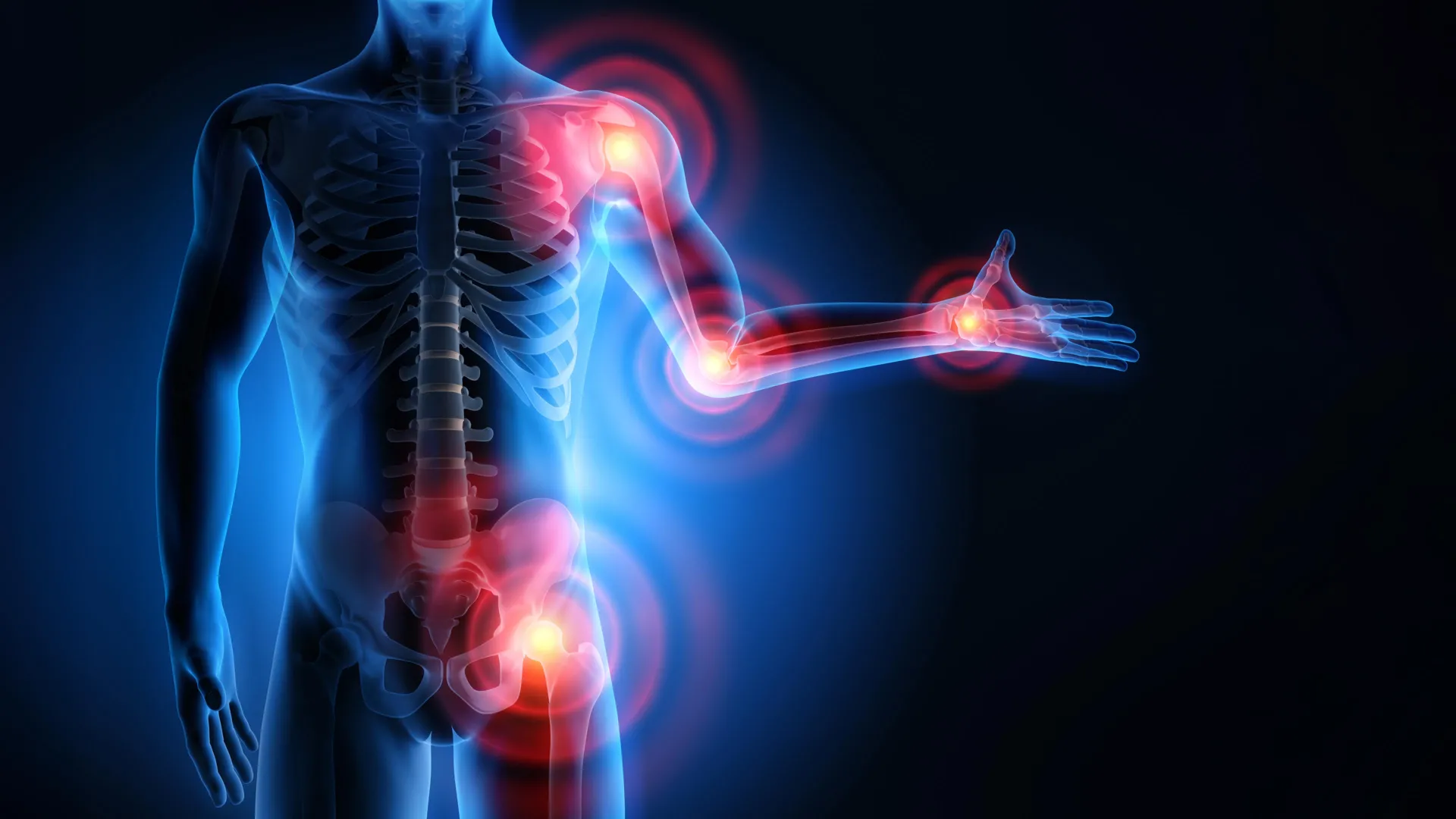
Millions of people globally rely on statins, a class of lipid-lowering medications, to significantly reduce their risk of heart attacks and strokes. These drugs, considered a cornerstone in cardiovascular disease prevention, have dramatically improved public health outcomes since their introduction. However, a persistent challenge has plagued their widespread use: for a notable subset of patients, statins can induce debilitating muscle pain, weakness, and difficulty with physical activity, often leading to reduced dosage or complete discontinuation of treatment. This adherence issue compromises the crucial cardiovascular benefits statins offer, leaving patients vulnerable to the very conditions the medication is designed to prevent.
In a significant scientific breakthrough, researchers at McMaster University have identified a novel biological pathway that offers a compelling explanation for the development of these challenging muscle symptoms. Their findings, published in the prestigious journal Science Advances, point to a previously unrecognized interaction between the body’s immune system and muscle cell metabolism. This discovery not only provides a clearer understanding of the underlying mechanisms of statin-induced muscle damage but also challenges long-held assumptions about the origins of these adverse effects, potentially opening new avenues for developing treatments that can mitigate side effects without compromising the drugs’ life-saving benefits.
The Statin Imperative: A Cornerstone of Cardiovascular Health
Statins represent one of the most successful pharmacological interventions of the late 20th century. Their journey began in the 1970s with the discovery of compactin by Akira Endo, followed by the isolation of lovastatin by Merck researchers in the early 1980s. These drugs work by inhibiting HMG-CoA reductase, a key enzyme in the liver responsible for cholesterol synthesis. By reducing the liver’s production of cholesterol, statins effectively lower levels of low-density lipoprotein (LDL) cholesterol – often referred to as "bad" cholesterol – in the bloodstream. Elevated LDL cholesterol is a primary risk factor for atherosclerosis, the hardening and narrowing of arteries that underlies most heart attacks and strokes.
The clinical efficacy of statins is undeniable. Large-scale clinical trials have consistently demonstrated their ability to reduce major adverse cardiovascular events by 25-40% across various patient populations, including those with established cardiovascular disease and those at high risk. Globally, hundreds of millions of prescriptions are written for statins annually. In the United States alone, an estimated 40 million adults take statins, with similar prevalence rates observed across Europe and other developed nations. Their widespread adoption has been a critical factor in the decline of cardiovascular mortality rates observed over the past few decades, underscoring their irreplaceable role in preventive medicine.
The Persistent Challenge: Statin-Associated Muscle Symptoms
Despite their profound benefits, statins are not without their drawbacks, with muscle-related symptoms being the most frequently reported adverse effect. Estimates suggest that between 7% and 29% of statin users experience these symptoms, which can range from mild myalgia (muscle aches and pains) and weakness to more severe, though rare, conditions like myopathy (muscle disease) and rhabdomyolysis (a severe breakdown of muscle tissue that can lead to kidney damage). While the vast majority of cases involve mild to moderate discomfort, even these milder symptoms can significantly impair a patient’s quality of life, making daily activities challenging and discouraging adherence to treatment.
The impact of non-adherence on cardiovascular outcomes is profound. Studies have shown that patients who discontinue statin therapy, or reduce their dosage due to side effects, face a significantly higher risk of experiencing heart attacks, strokes, and cardiovascular-related mortality compared to those who maintain consistent treatment. This creates a critical clinical dilemma: how to ensure patients receive the full benefits of statins while addressing the very real discomfort some experience. For years, the precise biological mechanisms behind these muscle symptoms have remained elusive, leading to a frustrating lack of targeted solutions for affected individuals. Previous theories often centered on mitochondrial dysfunction, suggesting that statins might impair the energy-producing organelles within muscle cells, but a definitive, actionable pathway remained undiscovered.
Unveiling the Mechanism: McMaster’s Groundbreaking Discovery
The research spearheaded by first authors Nazli Robin and Nicole Barra from Professor Jonathan Schertzer’s lab at McMaster University has now illuminated a crucial piece of this complex puzzle. Their meticulous investigations revealed that statins can directly interfere with how muscle cells generate energy. This disruption, rather than solely leading to direct cellular damage, appears to trigger a cascade of events that culminates in an immune response within the muscle cells themselves. This localized immune activation, in turn, contributes to the observed tissue damage and the associated symptoms of pain and weakness.
"Statins are among the most effective medications we have for reducing cardiovascular disease risk and preventing early death," stated Jonathan Schertzer, professor in McMaster’s Department of Biochemistry and Biomedical Sciences and senior author of the study. "Unfortunately, muscle side-effects lead some people to reduce their dose or stop taking the medication altogether. We wanted to understand why this happens and whether it might be possible to separate the side-effects from the benefits."
Through a series of carefully designed experiments involving both muscle cell cultures and mouse models, the research team demonstrated that by blocking this immune response, they could significantly prevent much of the muscle damage typically associated with statin use. This finding is particularly revolutionary because it suggests that the mechanism responsible for the muscle side effects operates independently of the mechanism by which statins lower cholesterol. "One of the most exciting findings of the research is that the mechanism causing muscle side-effects appears to be separate from the mechanism that lowers cholesterol," Schertzer explained. "That suggests it may one day be possible to target the side-effects without interfering with the cardiovascular benefits that make statins so valuable." This separation is a critical insight, offering hope for targeted interventions that could allow patients to continue benefiting from statins without enduring debilitating pain.
Immunity and Metabolism: A Surprising Interplay
Beyond its direct implications for statin tolerance, the McMaster study has uncovered a more fundamental scientific principle: a surprising and intricate relationship between cellular metabolism and the immune system. The research shows that alterations in how muscle cells process energy can directly cause these cells to activate their own internal immune responses. This discovery adds a significant layer to our understanding of cellular biology, demonstrating how metabolic distress can serve as a potent signal for immune activation even in the absence of external pathogens.
This unexpected connection between metabolism and immunity holds broader implications for various fields of medicine. It suggests new ways to think about how inflammation contributes to a wide array of conditions, not just medication side effects. For instance, metabolic dysfunction is a hallmark of diseases like type 2 diabetes and obesity, both of which are also characterized by chronic low-grade inflammation. The McMaster findings provide a potential framework for understanding how metabolic changes in these conditions might directly trigger inflammatory responses, opening new avenues for therapeutic strategies.
A Paradigm Shift in Understanding Side Effects
Historically, research into drug side effects has often focused on direct toxicity or off-target effects of a medication. While these remain important considerations, the McMaster study introduces a new paradigm: that a drug’s primary action (e.g., cholesterol reduction) might indirectly trigger a secondary, distinct biological process (e.g., metabolic disruption leading to immune activation) that manifests as a side effect. This challenges earlier ideas that might have sought a more direct, singular pathway for muscle damage.
The implication for pharmaceutical development is profound. By identifying that the cholesterol-lowering pathway and the muscle-damaging pathway are distinct, researchers can now design drugs or co-therapies that specifically target the immune response within muscle cells, leaving the cholesterol-lowering effects of statins intact. This refined understanding moves beyond simply managing symptoms to addressing the root cause of the side effect, promising more effective and patient-centric solutions.
Expert Perspectives on the Breakthrough
The scientific community has reacted with considerable interest to these findings. Dr. Alistair Jenkins, a leading cardiologist not involved in the study, commented on the clinical significance: "This breakthrough offers a beacon of hope for countless patients who struggle with statin intolerance. For too long, we’ve been forced to compromise between effective cardiovascular prevention and patient comfort. If we can develop therapies that selectively block this immune pathway, it would be a game-changer, allowing more patients to benefit from these life-saving drugs without adverse effects."
A pharmacologist, Dr. Evelyn Sharma, echoed this sentiment, emphasizing the drug development potential: "The identification of a specific, separable mechanism for statin muscle side effects is an exciting prospect for pharmaceutical innovation. This provides clear targets for new drug discovery efforts, whether through novel compounds or repurposing existing immunomodulators. The elegance of finding a way to disarm the side effect while preserving the primary benefit is truly significant."
Looking Ahead: Clinical and Research Implications
While the findings are still in the pre-clinical stage, the identification of this new pathway provides several promising targets for future medications designed to prevent statin intolerance. The immediate next steps involve further detailed investigations into the specific molecules and signaling cascades involved in this immune-metabolism crosstalk. Researchers will need to identify precise drug candidates that can safely and effectively modulate this pathway in humans without causing other unintended side effects.
The potential clinical implications are vast. If successful, new therapies could:
- Improve Patient Adherence: By eliminating or significantly reducing muscle pain, more patients would be able to continue their statin therapy as prescribed, leading to better cardiovascular outcomes.
- Expand Statin Utilization: Patients previously deemed intolerant to statins, or those hesitant to start due to fear of side effects, could potentially safely initiate or resume treatment.
- Enhance Quality of Life: Freedom from muscle pain and weakness would significantly improve the daily lives of millions of individuals on statin therapy.
- Inform Drug Development: The insights gained could accelerate the development of next-generation statins or adjunctive therapies designed with improved tolerability from the outset.
"These findings give us a clearer understanding of why some patients experience muscle symptoms and provide promising directions for making these important medications safer and more effective in the future," added Schertzer, underscoring the long-term vision for this research.
The Path Forward: From Bench to Bedside
The journey from a laboratory discovery to a widely available patient treatment is often long and arduous, typically involving several phases of preclinical testing, followed by rigorous clinical trials in humans. This research has laid a strong foundation, but substantial work remains. Researchers will need to:
- Identify specific drug molecules that can modulate the identified immune pathway.
- Conduct extensive preclinical safety and efficacy studies.
- Move to human clinical trials to evaluate the safety and effectiveness of these new interventions in diverse patient populations.
This structured approach is essential to ensure that any future treatments are not only effective in preventing muscle pain but also safe and do not interfere with the primary cholesterol-lowering action of statins or introduce other unwanted effects.
Global Collaboration Fuels Scientific Progress
The impactful nature of this research is also a testament to the power of international scientific collaboration. The project involved a diverse team of researchers from leading institutions around the globe, including the Centre International de Recherche en Infectiologie (CIRI) in Lyon, France; the Centre for Muscle Research at the University of Melbourne, Australia; the Murdoch Children’s Research Institute and The Royal Children’s Hospital in Australia; York University in Canada; and McMaster’s Department of Pathology and Molecular Medicine. This multidisciplinary, multi-institutional approach brought together expertise in biochemistry, immunology, muscle physiology, and pharmacology, which was crucial for unraveling such a complex biological problem.
Crucially, the research received vital funding from the Natural Sciences and Engineering Research Council of Canada (NSERC). Such governmental and philanthropic funding bodies play an indispensable role in supporting fundamental scientific inquiry that, while not immediately yielding a product, forms the bedrock for future medical innovations. This investment in basic science is where the seeds of transformative treatments are often sown, demonstrating the profound societal return on investment in research.
In conclusion, the McMaster University team’s discovery represents a pivotal moment in understanding and potentially overcoming statin intolerance. By revealing a distinct immune-mediated pathway for muscle pain, separate from cholesterol reduction, this research offers a clear and actionable path toward developing therapies that could significantly improve the safety and tolerability of one of medicine’s most vital drug classes. This breakthrough holds immense promise for enhancing patient adherence, expanding access to life-saving cardiovascular prevention, and ultimately, improving the health and quality of life for millions worldwide.
