
 By Nana O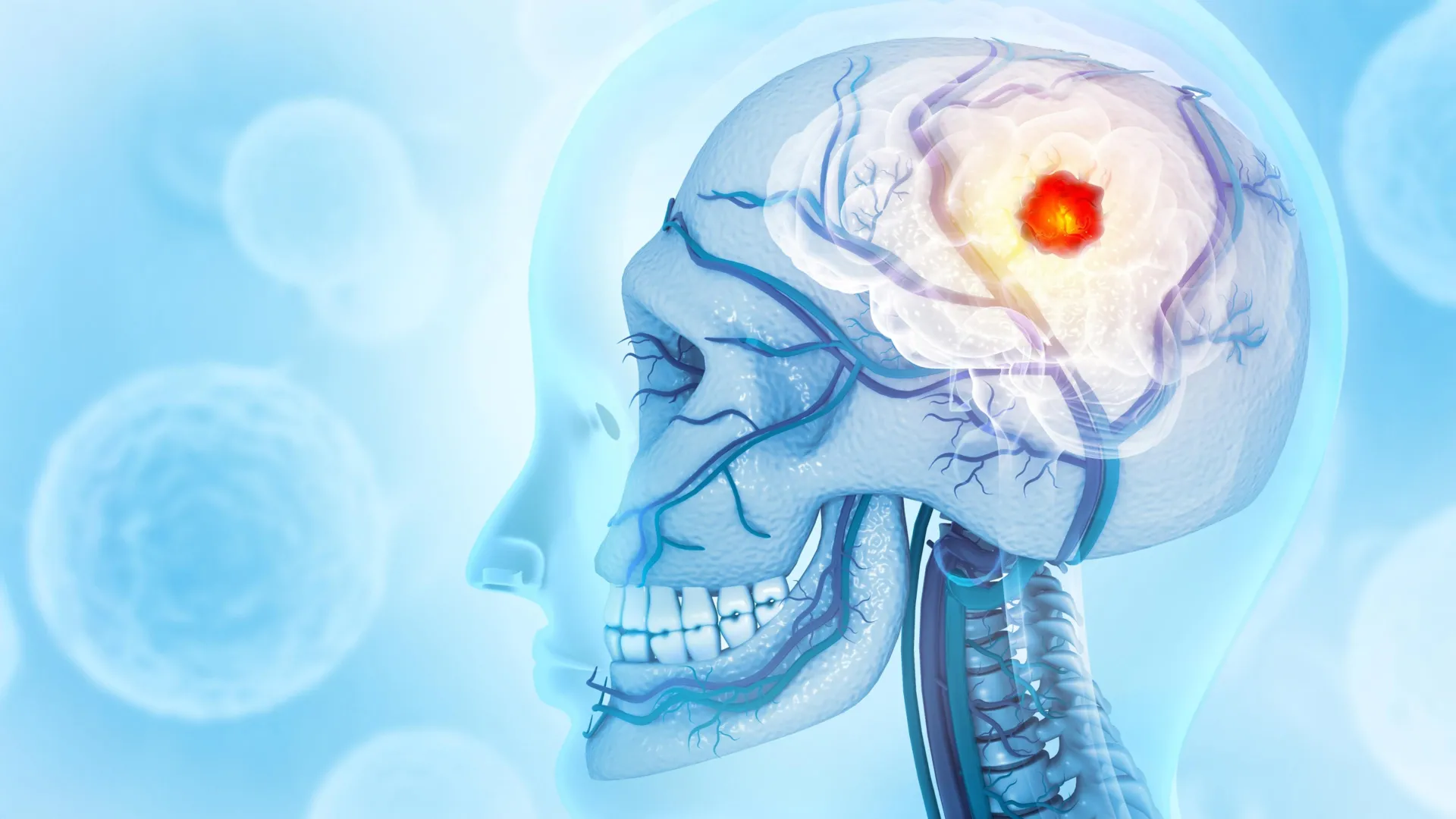
Researchers from the Montefiore Einstein Comprehensive Cancer Center (MECCC) and Albert Einstein College of Medicine have unveiled a groundbreaking discovery regarding glioblastoma, the most aggressive and lethal form of brain cancer. Far from being confined to brain tissue, glioblastoma actively engages with and damages the skull, profoundly altering the immune cell composition within the skull’s bone marrow. This intricate interaction, detailed in a pivotal study published on October 3 in the esteemed journal Nature Neuroscience, challenges the long-held perception of glioblastoma as a purely localized disease and suggests that conventional treatment approaches may be fundamentally misaligned with the cancer’s systemic impact. The findings also carry significant implications for therapeutic strategies, indicating that medications designed to mitigate bone loss could paradoxically exacerbate the aggressive nature of this devastating disease.
A Paradigm Shift in Understanding Glioblastoma’s Reach
The research team, led by Jinan Behnan, Ph.D., an assistant professor in the Leo M. Davidoff Department of Neurological Surgery and the department of Microbiology & Immunology at Einstein, and a member of the National Cancer Institute (NCI)-designated MECCC, posits that this newly identified interaction with the body’s immune system could be a key factor in the persistent failure of current glioblastoma therapies. "Our discovery that this notoriously hard-to-treat brain cancer interacts with the body’s immune system may help explain why current therapies — all of them dealing with glioblastoma as a local disease — have failed, and it will hopefully lead to better treatment strategies," stated Dr. Behnan, the paper’s corresponding author.
Glioblastoma is a formidable adversary. In the United States alone, the National Cancer Institute estimates that approximately 15,000 individuals are diagnosed with this cancer each year. Despite aggressive treatment regimens, which typically include a combination of surgery, chemotherapy, and radiation, the median survival time for patients remains a stark 15 months. This limited prognosis underscores the urgent need for a deeper understanding of glioblastoma’s biology and the development of more effective therapeutic interventions.
Unraveling the "Matter of Marrow"
The genesis of this research stemmed from a growing body of evidence suggesting intricate connections between the skull and the brain. Like other bones in the body, the skull houses bone marrow, a critical component responsible for the production of immune cells and various other blood cells. Recent scientific advancements had begun to illuminate the existence of extremely fine channels that traverse the skull, acting as conduits for the exchange of molecules and immune cells between the cranial bone and the brain. This anatomical insight served as a crucial starting point for Dr. Behnan’s team.
Employing sophisticated imaging technologies, the researchers meticulously studied mice engineered to develop two distinct types of glioblastoma. Their observations were revealing: the cancer actively induced erosion of the skull bones, with a particular predilection for the sutures—the points where the cranial bones fuse. Crucially, this specific form of bone loss was found to be a hallmark of glioblastoma and other aggressive brain tumors, distinguishing it from the bone remodeling seen in conditions such as strokes, other forms of brain injury, or cancers originating elsewhere in the body. To validate these findings in humans, the team analyzed CT scans of glioblastoma patients, which corroborated the observations made in mice, revealing comparable reductions in skull thickness in the same anatomical regions.
The erosion of skull bone, as demonstrated in the mouse models, led to a significant increase in both the number and the diameter of the channels connecting the skull to the brain. The scientists hypothesized that these expanded pathways could facilitate the transmission of molecular signals from the tumor into the skull marrow, thereby reshaping the local immune environment. This suggested a feedback loop where the cancer not only damages the skull but also manipulates the bone marrow’s immune landscape to its advantage.
A "Tilt Toward Inflammation" and Immune Dysregulation
The investigators then delved into the specific immunological changes occurring within the skull marrow. Utilizing advanced single-cell RNA sequencing techniques, they discovered that glioblastoma had profoundly skewed the immune cell equilibrium in favor of pro-inflammatory myeloid cells. This shift was characterized by a near doubling in the abundance of inflammatory neutrophils, while concurrently, several types of antibody-producing B cells and other B cell populations were drastically reduced.
This altered immune milieu within the skull marrow has direct consequences for tumor progression. "The skull-to-brain channels allow an influx of these numerous pro-inflammatory cells from the skull marrow to the tumor, rendering the glioblastoma increasingly aggressive and, all too often, untreatable," explained study co-author E. Richard Stanley, Ph.D., professor of Developmental and Molecular Biology at Einstein. "This indicates the need for treatments that restore the normal balance of immune cells in the skull marrow of people with glioblastoma. One strategy would be suppressing the production of pro-inflammatory neutrophils and monocytes while at the same time restoring the production of T and B cells."
Further highlighting the systemic nature of glioblastoma’s impact, the study revealed a striking divergence in how the bone marrow of the skull and the femur responded to the cancer. While the skull marrow exhibited activation of genes that promoted the production of inflammatory immune cells, the femur marrow, in contrast, showed suppression of genes essential for the generation of several types of immune cells. This differential response underscores that glioblastoma’s influence extends beyond its immediate vicinity, affecting distinct bone marrow compartments in unique ways.
The Perilous Promise of Osteoporosis Medications
Intrigued by the observed bone erosion, the researchers explored the potential impact of anti-osteoporosis drugs, which are designed to prevent bone loss. They administered two FDA-approved osteoporosis medications, zoledronic acid and denosumab, to mice bearing glioblastoma tumors. The results were complex and offered a critical cautionary note. Both drugs successfully halted skull erosion. However, one of the drugs, zoledronic acid, was found to promote tumor progression in one of the glioblastoma models. Furthermore, both medications demonstrated an adverse effect by inhibiting the efficacy of anti-PD-L1, a promising immunotherapy drug that works by boosting the levels of tumor-fighting T cells.
This finding is particularly significant. It suggests that treatments aimed at addressing bone health, while seemingly logical given the observed bone damage, could inadvertently create a more hospitable environment for glioblastoma growth or interfere with existing immunotherapies. This emphasizes the need for highly personalized and context-specific therapeutic strategies for glioblastoma patients, taking into account the complex interplay between the tumor, bone, and immune system.
Implications for Future Therapies and Research
The MECCC and Einstein research team’s findings represent a paradigm shift in how glioblastoma is understood and potentially treated. By revealing the tumor’s ability to remodel the skull and manipulate the bone marrow’s immune landscape, the study opens up new avenues for therapeutic intervention. Future research may focus on developing strategies that specifically target these bone-marrow-tumor interactions. This could involve therapies designed to restore a balanced immune environment within the skull marrow, perhaps by modulating neutrophil and monocyte populations or by boosting the presence of beneficial T and B cells.
Moreover, the discovery that common osteoporosis drugs can have detrimental effects on glioblastoma progression and immunotherapy efficacy necessitates a careful re-evaluation of treatment protocols for patients who may be undergoing therapy for both conditions. A more integrated approach to managing glioblastoma patients, considering their skeletal health and the potential impact of bone-modifying agents on cancer treatment, is likely to become increasingly important.
The study, titled "Brain Tumors Induce Widespread Disruption of Calvarial Bone and Alteration of Skull Marrow Immune Landscape," involved a collaborative effort with numerous researchers. Additional authors from MECCC and Einstein include Abhishek Dubey, Biljana Stangeland, Imane Abbas, David Fooksman, Ph.D., Wade R. Koba, B.S., Jinghang Zhang, M.D., Benjamin T. Himes, Ph.D., Derek Huffman, Ph.D., Zhiping Wu, Rachel Welch, David Reynolds, B.S., Kostantin Dobrenis, Ph.D., Qinge Ye, Kevin Fisher, and Emad Eskandar, M.D. The research also benefited from contributions by international collaborators: Erika Yamashita, Yutaka Uchida, and Masaru Ishii from Osaka University in Japan; Robert A. Harris from Karolinska Hospital in Sweden; Gregory M. Palmer from Duke University Medical Center in North Carolina; Olivia R. Lu and Winson S. Ho from the University of California, San Francisco; and Alexander F. Fiedler from the German Rheumatism Research Center (DRFZ) and Freie Universität Berlin in Germany.
Broader Impact and Future Directions
The implications of this research extend beyond the immediate clinical context of glioblastoma. It highlights the profound interconnectedness of seemingly disparate biological systems within the body and underscores the limitations of viewing complex diseases in isolation. The discovery that glioblastoma actively remodels its local skeletal microenvironment and hijacks immune cell production within the skull marrow suggests that other aggressive cancers may employ similar, yet undiscovered, systemic strategies.
This work necessitates a paradigm shift in how glioblastoma is approached clinically and scientifically. It calls for a more holistic view of the tumor, acknowledging its impact not only on neural tissue but also on the skeletal and immune systems. The development of novel therapeutic strategies that target these newly identified pathways, such as restoring immune homeostasis in the skull marrow or devising ways to mitigate the negative effects of bone-modifying agents, holds significant promise for improving outcomes for patients battling this devastating disease. The future of glioblastoma treatment may well lie in therapies that consider the entire body as a complex ecosystem, rather than focusing solely on the primary tumor site. The insights gained from this research pave the way for a new era of glioblastoma research and, hopefully, a future with more effective treatments and improved prognoses for those affected.
