
 By admin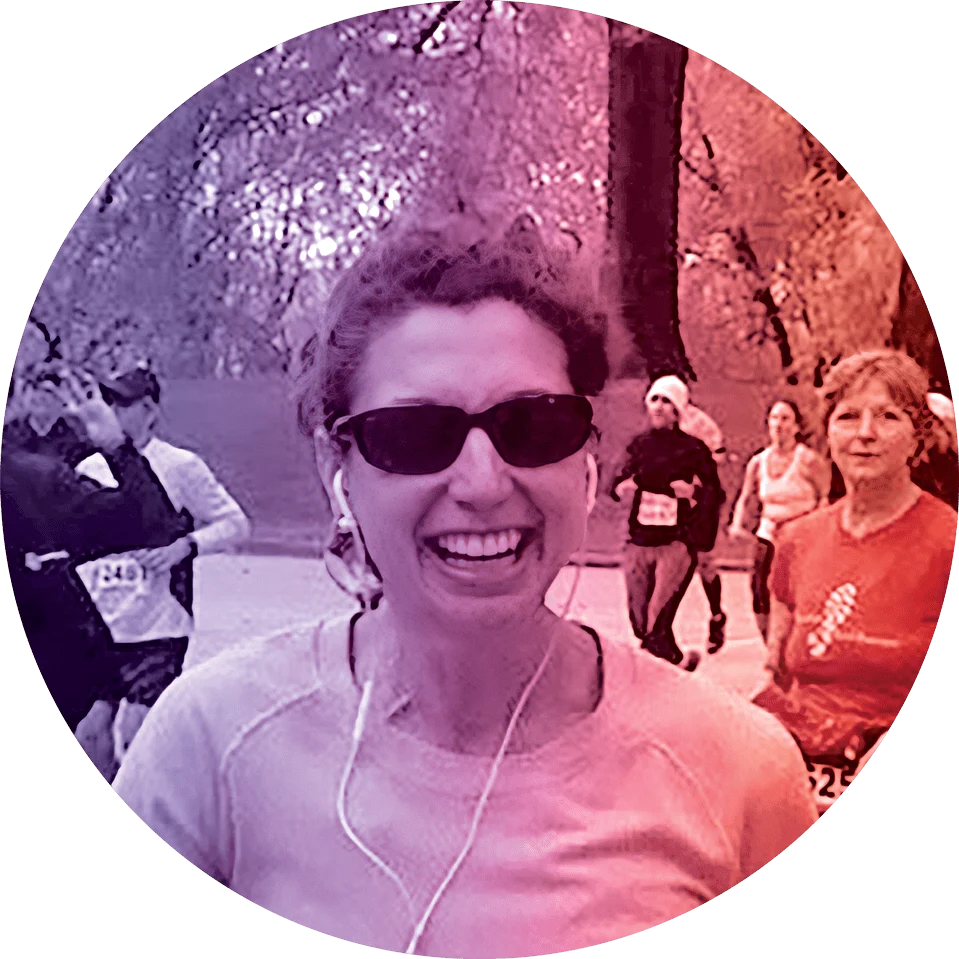
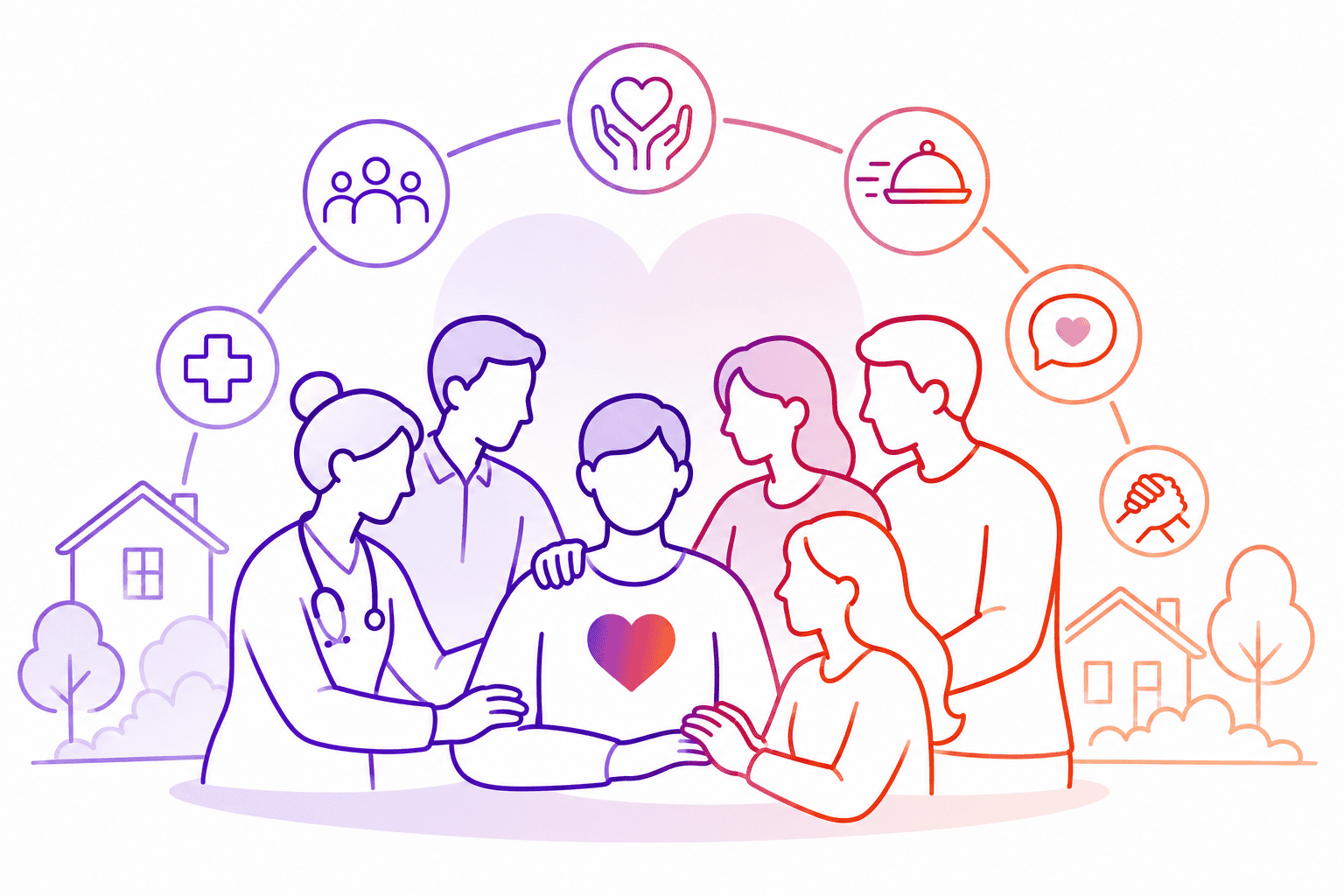
The profound reality of a cancer diagnosis extends far beyond the individual patient, touching an intricate web of family, friends, medical professionals, caregivers, and community members who collectively form an indispensable "village" of support. This network, often working tirelessly behind the scenes, plays a critical role in navigating the complex and often arduous journey through cancer treatment and recovery. As World Cancer Support Month shines a spotlight on this crucial aspect of care, it serves as a timely reminder that while the patient battles the disease, a multitude of individuals stand in solidarity, offering strength, hope, and practical assistance in ways both grand and subtle. The collective effort underscores a fundamental truth: no one faces cancer alone.
The Multifaceted Landscape of Cancer Support
The journey through cancer is rarely linear, often marked by uncertainty, physical challenges, and emotional strain. In this landscape, the nature of support evolves, adapting to the patient’s changing needs from diagnosis through treatment, remission, or long-term management. This support can manifest in myriad forms: a family member researching second opinions, a friend organizing meal trains, a nurse coordinator meticulously navigating insurance hurdles, or a doctor tirelessly seeking innovative treatments. Each act, no matter how small, contributes significantly to the patient’s well-being, easing burdens, and fostering a sense of community and belonging.
Beyond immediate family and friends, the "village" extends to include dedicated medical teams—oncologists, surgeons, nurses, radiologists, palliative care specialists—who provide expert clinical care and emotional guidance. Furthermore, community groups, spiritual organizations, and even strangers often step forward, offering a ride to an appointment, a listening ear, or essential supplies. The psychological impact of such widespread support cannot be overstated; studies consistently show that strong social support networks are associated with better mental health outcomes, improved quality of life, and even adherence to treatment regimens among cancer patients.
World Cancer Support Month: A Global Call to Acknowledge and Act
While specific dates for "World Cancer Support Month" can vary across different advocacy groups and regions, the overarching goal remains consistent: to elevate the discourse around the critical role of support in cancer care. These designated periods typically aim to:
- Raise Awareness: Highlight the diverse needs of cancer patients beyond medical treatment.
- Recognize Caregivers: Acknowledge the immense contributions and often overlooked sacrifices of family and professional caregivers.
- Encourage Community Involvement: Inspire individuals and groups to offer support to those affected by cancer.
- Advocate for Resources: Promote policies and funding for supportive care services, including psychosocial support, palliative care, and caregiver assistance programs.
The focus on support reflects an evolving understanding within oncology that holistic patient care encompasses not only the eradication or management of the disease but also the patient’s overall quality of life, emotional resilience, and social integration. This paradigm shift emphasizes that successful outcomes are often a synergy of advanced medical science and robust human connection.
Voices from the Village: Survivor Stories Illustrating the Power of Support
To truly grasp the impact of these support networks, it is essential to hear from those who have walked the path of cancer and experienced the unwavering dedication of their "villages." The following accounts from survivors underscore the transformative power of human connection, expert medical guidance, and innovative scientific advancements, particularly in the realm of immunotherapy.
Dana Deighton: A Journey of Relentless Advocacy and Unseen Partnerships in Stage 4 Esophageal Cancer
Dana Deighton’s battle with stage 4 esophageal cancer began with a grim prognosis, but her resolve to seek every possible option was met with an extraordinary alliance of supporters. Initially, the labyrinthine process of insurance approvals presented a daunting hurdle. It was here that a dedicated nurse coordinator emerged as a pivotal figure, navigating bureaucratic complexities with tenacious advocacy. Dana recalls, "She stayed with me for the rest of my treatment, and to this day, I still send her a Christmas card because she really moved mountains and made things happen." This anecdote powerfully illustrates how professional caregivers can transcend their job descriptions, becoming personal champions in a patient’s fight.
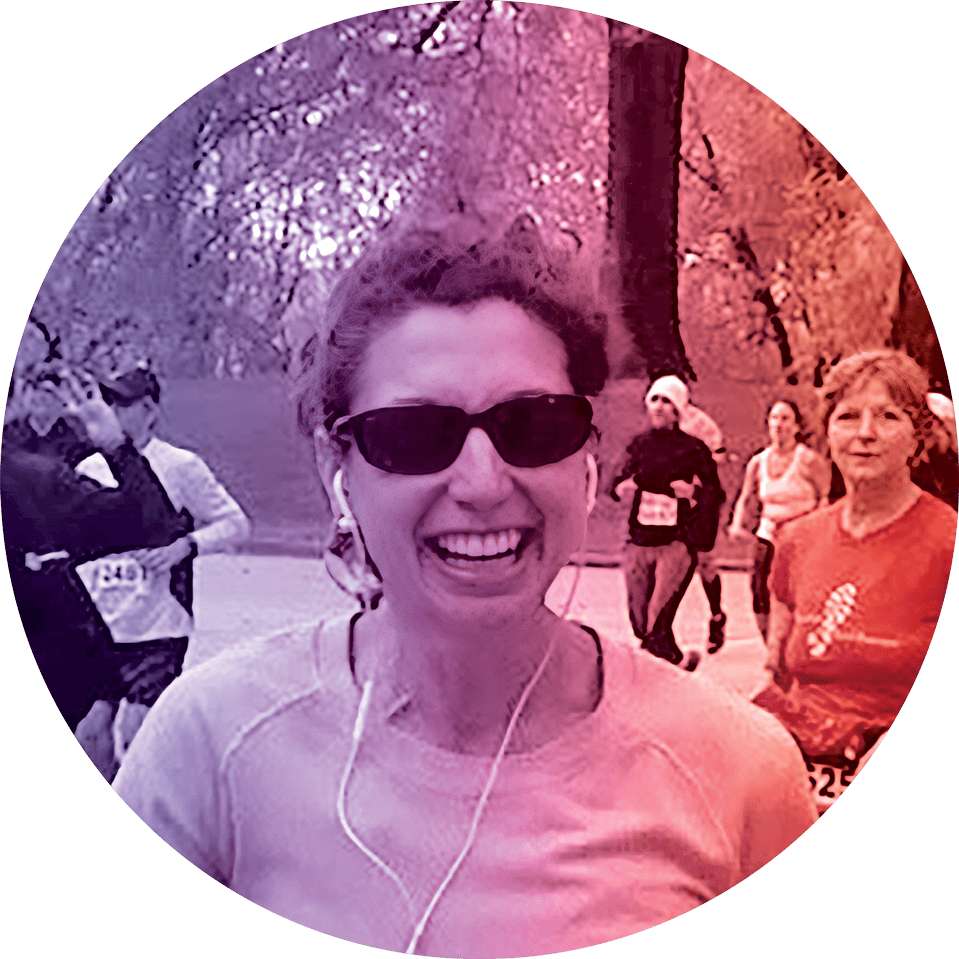
Her village expanded further when a friend connected her with a specialist who instilled a much-needed sense of hope. This connection proved critical, leading Dana to an aggressive treatment regimen culminating in a challenging 15-hour surgery that initially rendered her disease-free. When her cancer recurred a year later, her medical team promptly presented another promising avenue: immunotherapy. Esophageal cancer, particularly in its advanced stages, has historically presented significant treatment challenges, often with poor prognoses. However, advancements in immunotherapy, which harnesses the body’s immune system to fight cancer, have revolutionized outcomes for a subset of patients. Dana’s tumor proved responsive to this innovative therapy, and through a compassionate use program, her remaining cancer vanished. Today, Dana remains disease-free and has come full circle, now mentoring other cancer patients, embodying the very support that sustained her. Her story is a testament to the power of persistence, expert medical care, and the profound impact of a well-connected, supportive network.
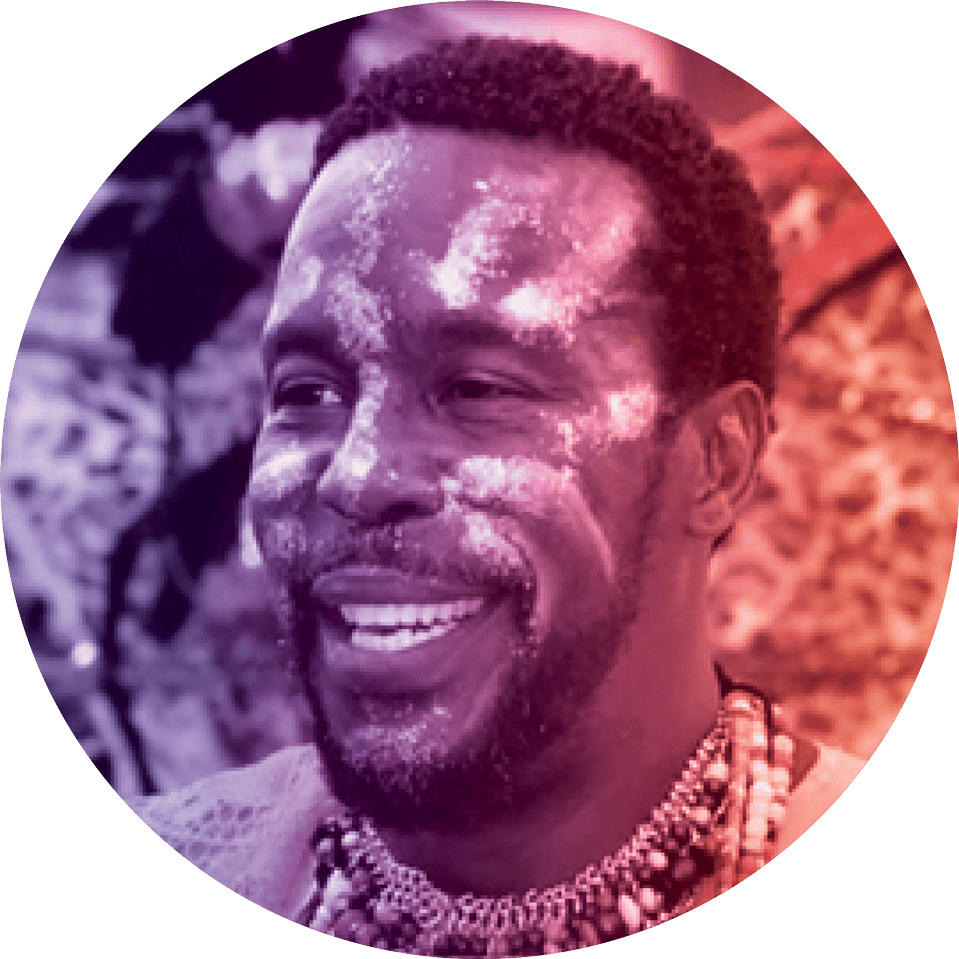
Oswald Peterson: Rebuilding Family and Finding Resilience Amidst Stage 4 Lung Cancer
Oswald Peterson’s diagnosis of stage 4 lung cancer arrived during an exceptionally challenging period, shortly after the profound losses of both his mother and long-term partner. This confluence of events left him feeling profoundly isolated. Yet, his cancer journey unexpectedly unveiled an expansive and dedicated network of friends who became his chosen family. His oncologist, Catherine Shu, MD, introduced him to immunotherapy, a treatment that proved life-saving, ultimately allowing him to return to cherished passions like dancing in Trinidad’s Carnival. This return to life highlights not just survival, but the reclaiming of joy and identity, which is a significant outcome of successful treatment.
Oswald, an only child, had cultivated deep friendships over decades, some spanning more than 45 years. These friends mobilized during his hospitalization, organizing shifts to ensure he was never alone, offering encouragement and a constant presence. Their care extended into his recovery at home, encompassing practical support such as cleaning, preparing his living space, arranging healthy meals, and assisting with daily tasks. "It was really, really special to know that there are people in your life who appreciate you that way, that they step up when you truly need them," Oswald reflects. His experience powerfully demonstrates that even in the face of immense personal grief and a daunting diagnosis, the bonds of friendship can transform isolation into a powerful affirmation of love and community. For many cancer patients, practical support like meal preparation and transportation significantly reduces daily stressors, allowing them to focus their energy on healing.
Jeff Atkinson: Conquering Stage 4 Mucosal Melanoma with Immunotherapy and Unwavering Family Support
In October 2016, Jeff Atkinson received a devastating diagnosis: stage 4 mucosal melanoma, a rare and aggressive form of melanoma originating in the mucous membranes, often carrying a poor prognosis due to its internal nature and late detection. The initial news, "no cure," was a crushing blow to Jeff and his family. However, his oncologist, Justin Favero, MD, PhD, immediately offered a beacon of hope, discussing promising treatments, including immunotherapy.
Jeff, initially unfamiliar with immunotherapy, embarked on a treatment regimen involving the checkpoint inhibitors nivolumab and ipilimumab. These agents work by blocking proteins that prevent the immune system from attacking cancer cells, effectively unleashing the body’s natural defenses. The treatment journey was not without its difficulties; Jeff experienced a significant rash, necessitating a temporary pause in therapy. This highlights a common challenge with immunotherapy, where managing immune-related adverse events is crucial for successful treatment continuation. His care team’s expertise in managing these side effects allowed him to resume treatment. A year later, in November 2017, the hoped-for news arrived: he was cancer-free. Jeff unequivocally states, "Without a shadow of a doubt, immunotherapy saved my life." As he approaches his 10-year diagnosis anniversary this October, Jeff has become an ardent advocate, sharing his experience to illuminate the potential of cancer immunotherapy for others, thereby joining the growing community of survivors who pay it forward.
Jenney Bitner: A Mother’s Battle Against Stage 4 Metastatic Melanoma and the Unyielding Power of Community Kindness
Jenney Bitner’s cancer journey began under uniquely challenging circumstances: at 22 weeks pregnant, severe headaches and other alarming symptoms were initially attributed to pregnancy. A subsequent scan, however, revealed a large brain tumor, leading to two urgent brain surgeries, the premature birth of her son, and a diagnosis of stage 4 metastatic melanoma that had aggressively spread throughout her body. The confluence of a severe cancer diagnosis, major surgery, and a premature infant presented an overwhelming crisis for Jenney and her husband.
She began immunotherapy with ipilimumab and nivolumab, and remarkably, after just four infusions, scans showed no evidence of disease. She was declared in remission in January 2021 and remains so today, a testament to the remarkable efficacy of modern immunotherapy for certain melanoma types. Throughout this harrowing period, Jenney’s "village" provided an extraordinary safety net. Her husband was a constant presence, accompanying her to appointments and meticulously recalling crucial information when the effects of brain surgery impacted her memory. Nurses not only tended to Jenney but also provided reassurance and education to her anxious family. The broader community—neighbors, church members, friends, and even strangers—rallied with profound generosity, providing meals for nearly a year, assisting with childcare, and gathering essential supplies for her newborn son. Jenney’s powerful advice, "If someone needs help, just do something. Don’t even ask what they need, because they need everything. Just find something and do it. You’ll make a world of difference," encapsulates the essence of proactive, compassionate support. Her story highlights that practical, unsolicited help can be the most impactful form of support during a crisis.
Gordon Levine: From Recurrence to Advocacy in Stage 4 Colorectal Cancer Survivorship
Gordon Levine’s journey began in 2014 with a diagnosis of stage 3 colon cancer. Despite initial surgery and chemotherapy, his cancer repeatedly returned, eventually progressing to stage 4 and metastasizing to his abdomen, liver, lungs, and bones. After an initial immunotherapy clinical trial ended due to severe side effects and continued disease progression, Gordon faced dwindling options. It was a crucial second opinion with Aaron Miller, MD, at UC San Diego that dramatically altered his trajectory. Dr. Miller, critically, viewed Gordon’s adverse reaction to the previous immunotherapy not as a failure, but as evidence of an immune response, suggesting that immunotherapy might still be a viable path. This perspective underscores the importance of expert interpretation and persistence in complex cancer cases.
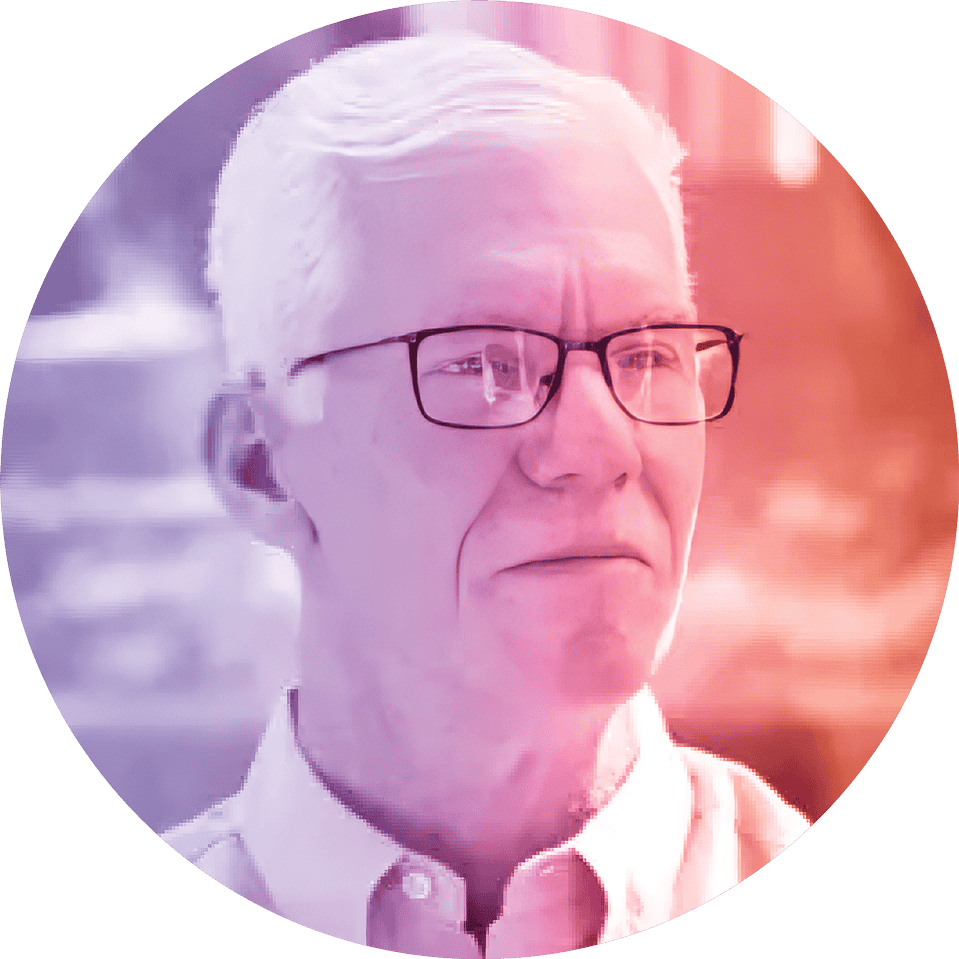
Gordon then began a new course of treatment with ipilimumab and nivolumab. The results were swift and dramatic: by his fourth treatment, his tumor markers had plummeted, and subsequent scans revealed his tumors were "melting away." In 2021, surgery removed the last trace of the disease, and in 2026, Gordon celebrated five years of being cancer-free. As his focus shifted from mere survival to living as a long-term survivor, community engagement and advocacy became central to his renewed purpose. Through a Cancer Research Institute (CRI) patient conference, he connected with other patients, survivors, families, and physicians, initiating the sharing of his powerful story. "I sat on the patient panel, and it was an amazing day just to meet the other survivors and patients and their families and the doctors, and to start to tell my story," he recounts. Gordon now views giving back as an integral part of survivorship, a means to find purpose, amplify patient voices, and support others navigating similar challenges. He also passionately advocates for increased attention to the unique needs of caregivers and the growing community of long-term survivors, whose ongoing challenges often receive less focus than initial treatment.
The Broader Impact and Implications of Comprehensive Support
These narratives collectively paint a vivid picture of the profound and multifaceted impact of support in cancer care. Beyond the emotional comfort, a robust support system demonstrably contributes to better clinical outcomes. Patients with strong social networks often exhibit better adherence to treatment plans, experience less psychological distress, and report a higher quality of life. Conversely, social isolation can exacerbate stress, depression, and anxiety, potentially hindering recovery.
The evolving landscape of cancer treatment, particularly with the advent of immunotherapies, has transformed prognoses for many previously incurable cancers, creating a growing population of long-term survivors. This success, however, brings new challenges related to late-term side effects, psychosocial adjustment, and the need for ongoing survivorship care. The "village" concept remains critical in this phase, supporting survivors in their reintegration into daily life, managing chronic issues, and finding new purpose through advocacy.
Furthermore, the role of caregivers, often family members, warrants greater recognition and support. Caregivers frequently experience significant emotional, physical, and financial strain, often juggling their own responsibilities with the demanding tasks of patient care. Providing resources for caregiver support, respite care, and mental health services is not just an act of compassion but a vital component of a sustainable cancer care ecosystem.
Looking Forward: Cultivating a Culture of Empathy and Action
As we conclude World Cancer Support Month, the message is clear: cancer, while deeply personal, is not a journey to be undertaken in isolation. The stories of Dana, Oswald, Jeff, Jenney, and Gordon underscore that the path to recovery and long-term survivorship is frequently paved by the collective efforts of many. From the relentless medical professionals pushing the boundaries of science to the everyday heroes providing practical and emotional solace, every individual plays a part.
The implications for public health and community engagement are profound. Fostering a culture where individuals are empowered and encouraged to offer support – whether through organized programs or spontaneous acts of kindness – can significantly alleviate the burden on patients and their families. This means not only celebrating the "villages" that already exist but actively working to build and strengthen them. It involves advocating for continued investment in cancer research, ensuring access to cutting-edge treatments like immunotherapy, and developing comprehensive supportive care services that address the holistic needs of patients and their caregivers.
Ultimately, when we choose to show up for someone facing cancer, we don’t just offer aid; we become an integral part of their story, contributing to their resilience, their hope, and their ultimate triumph. This collective responsibility defines the true spirit of World Cancer Support Month, inspiring us all to be a compassionate and active part of the solution.
