
 By Suherman Candra Maholtra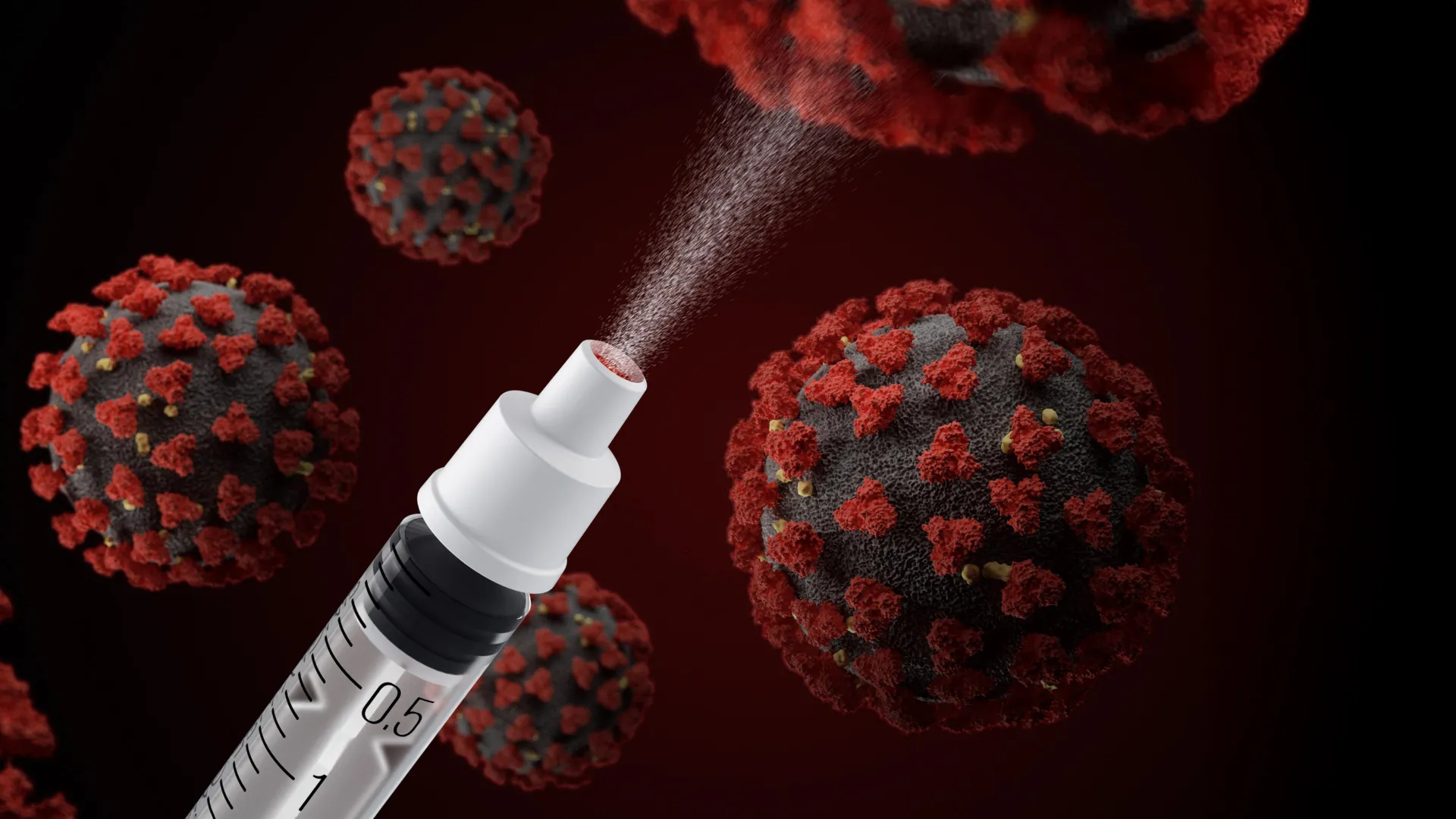
In a paradigm-shifting advancement for immunology, researchers at Stanford Medicine and a consortium of collaborating institutions have announced the development of an experimental universal vaccine designed to provide broad-spectrum protection against a diverse array of respiratory threats. The study, published on February 19 in the journal Science, details a nasal-delivery vaccine that successfully shielded laboratory mice from various strains of coronaviruses, antibiotic-resistant bacteria, and even common environmental allergens. This breakthrough moves the scientific community closer to a long-held "holy grail" in medicine: a single prophylactic treatment capable of defending the human respiratory system against nearly any infectious or inflammatory challenge.
For over two centuries, the foundational principle of vaccinology has remained largely unchanged, relying on the concept of antigen specificity. However, the rapid mutation of modern pathogens—most notably demonstrated by the evolving variants of SARS-CoV-2 and the seasonal influenza virus—has exposed the limitations of this traditional approach. The new Stanford-led research suggests a shift away from targeting specific viral proteins toward a strategy that activates a sustained, coordinated defense across the body’s entire immune architecture.
The Evolution of Vaccinology and the Challenge of Mutation
The history of immunization dates back to 1796, when Edward Jenner utilized cowpox material to create immunity against smallpox. This established the "antigen-specific" model: by introducing a harmless piece of a pathogen (an antigen) to the immune system, the body learns to recognize and attack that specific threat. While this method has eradicated or controlled numerous diseases, its effectiveness is predicated on the pathogen remaining relatively stable.
In the modern era, pathogens have proven to be highly adaptable. As Bali Pulendran, PhD, the Violetta L. Horton Professor II and professor of microbiology and immunology at Stanford, noted, many viruses act like a "leopard that changes its spots." When a virus mutates the structures on its surface, the antibodies generated by previous vaccinations or infections may no longer recognize it, leading to breakthrough infections and the need for frequent boosters.
Until now, efforts to create "universal" vaccines have typically focused on "broadly neutralizing" targets within a single family of viruses, such as a vaccine that works against all flu strains. The idea of a single vaccine that could simultaneously protect against unrelated threats—such as a virus, a bacterium, and a dust mite—was previously regarded as a scientific impossibility. The Stanford study challenges this skepticism by focusing on the mechanics of "integrated immunity."
A New Strategy: Bridging Innate and Adaptive Immunity
The experimental vaccine, currently designated as GLA-3M-052-LS+OVA, operates by mimicking the complex communication signals that immune cells exchange during a natural infection. To understand its novelty, one must distinguish between the two primary branches of the immune system: the innate and the adaptive.
The innate immune system is the body’s first line of defense. It responds within minutes to any perceived threat, deploying generalized "soldier" cells like neutrophils, macrophages, and dendritic cells. However, this response is typically short-lived, fading within a few days. The adaptive immune system, conversely, takes longer to activate but creates highly specific antibodies and T cells that "remember" a pathogen for years.
The Stanford team’s breakthrough stems from their 2023 discovery regarding the Bacillus Calmette-Guerin (BCG) tuberculosis vaccine. They observed that the BCG vaccine occasionally provided "off-target" protection against other infections. Their investigation revealed that certain T cells could be recruited to the lungs to send persistent signals—specifically cytokines—that kept the innate immune system in a state of high alert for months rather than days.
The new nasal vaccine is a synthetic realization of this observation. It combines toll-like receptor (TLR) stimuli with a harmless protein (ovalbumin) to draw T cells into the respiratory tract. These T cells then act as permanent sentinels, providing the necessary signals to keep the innate immune cells "switched on" and ready for immediate action.
Experimental Results and Supporting Data
In the study led by postdoctoral scholar Haibo Zhang, PhD, the researchers administered the vaccine intranasally to mice in three doses spaced one week apart. The results demonstrated an unprecedented level of cross-protection across three distinct categories of respiratory threats.
Viral Efficacy
When exposed to SARS-CoV-2 and other highly pathogenic coronaviruses, the vaccinated mice showed remarkable resilience. While unvaccinated control groups suffered severe weight loss and high mortality rates, 100% of the vaccinated mice survived. Analysis of the lung tissue revealed a 700-fold reduction in viral load compared to the control group. Furthermore, the researchers observed that the "primed" immune system could launch a full adaptive response—producing specific antibodies—in just three days, compared to the usual 14 days required in unvaccinated subjects.
Bacterial Resistance
The vaccine’s utility extended to common hospital-acquired bacterial infections, which are often resistant to traditional antibiotics. The researchers tested the vaccine against Staphylococcus aureus and Acinetobacter baumannii. The latter is a particularly formidable pathogen often referred to as "Iraqibacter" due to its prevalence in combat zones and its multi-drug resistance. Vaccinated mice maintained clear lungs and survived exposures that were lethal to the control groups, with protection lasting at least three months.
Allergen Suppression
In perhaps the most surprising turn of the study, the vaccine was tested against house dust mites, a primary trigger for allergic asthma. Allergic reactions are typically driven by a "Th2" immune response, which leads to mucus overproduction and airway inflammation. The nasal vaccine effectively reprogrammed the immune environment in the lungs, weakening the Th2 response and preventing the accumulation of mucus, thereby maintaining clear airways in the presence of allergens.
Chronology of Development and Future Timeline
The path to this discovery followed a rigorous scientific timeline:
- Pre-2021: The team focused on understanding why certain vaccines provided broader protection than intended.
- 2023: The Pulendran lab published findings on the BCG vaccine’s mechanism, identifying the T cell-to-innate cell signaling pathway.
- 2023-2024: The team developed the GLA-3M-052-LS+OVA formulation, specifically designed to trigger this pathway synthetically.
- February 2025: Publication of the mouse study results in Science.
- Next Steps: The researchers are preparing for Phase I clinical trials to evaluate safety in humans.
Professor Pulendran estimates that if clinical trials proceed successfully and funding remains stable—currently supported by the National Institutes of Health and Open Philanthropy—a universal respiratory vaccine could be commercially available within five to seven years.
Broader Implications for Public Health and Medicine
The potential implications of a universal nasal vaccine are vast, touching upon pandemic preparedness, healthcare economics, and daily medical practice.
Pandemic Preparedness (Disease X)
One of the greatest challenges in public health is the emergence of "Disease X"—a previously unknown pathogen with pandemic potential. Traditional vaccine development requires identifying the pathogen first, which creates a dangerous lag time. A universal vaccine that boosts the innate "alertness" of the lungs could provide immediate, frontline protection against a new virus while specific vaccines are being engineered.
Simplifying Seasonal Health
Current public health strategies rely on a "poly-pharmacy" approach to winter illnesses, requiring separate shots for COVID-19, influenza, and RSV. A single nasal spray administered in the autumn could theoretically replace these multiple injections, increasing public compliance and reducing the burden on healthcare infrastructure.
Combating Antibiotic Resistance
With the rise of "superbugs" that evade standard antibiotics, the vaccine’s ability to prevent bacterial pneumonia through immune activation rather than chemical pharmacology offers a critical alternative in the fight against antimicrobial resistance.
Economic Impact
Respiratory infections and asthma-related complications account for billions of dollars in lost productivity and healthcare costs annually. By providing a three-month window of heightened protection, a seasonal nasal spray could significantly reduce hospitalizations for pneumonia and emergency room visits for asthma attacks.
Collaborative Effort and Funding
The success of this research was the result of a multi-institutional collaboration. In addition to Stanford Medicine, the team included experts from the Emory University School of Medicine, the University of North Carolina at Chapel Hill, Utah State University, and the University of Arizona.
Funding for the study was provided by the National Institutes of Health (grant AI167966), the Violetta L. Horton Professor endowment, the Soffer Fund endowment, and Open Philanthropy. This diverse funding base highlights the high level of interest from both government and private sectors in developing more resilient vaccine technologies.
As the scientific community moves toward human trials, the focus will remain on the durability of the response in humans and the safety profile of the TLR stimuli. If the results seen in mice can be replicated, the "mythical" goal of a universal vaccine may soon become a cornerstone of modern preventive medicine, transforming how the world defends itself against the invisible threats in the air we breathe.
