
 By Budi Oetomo Narendra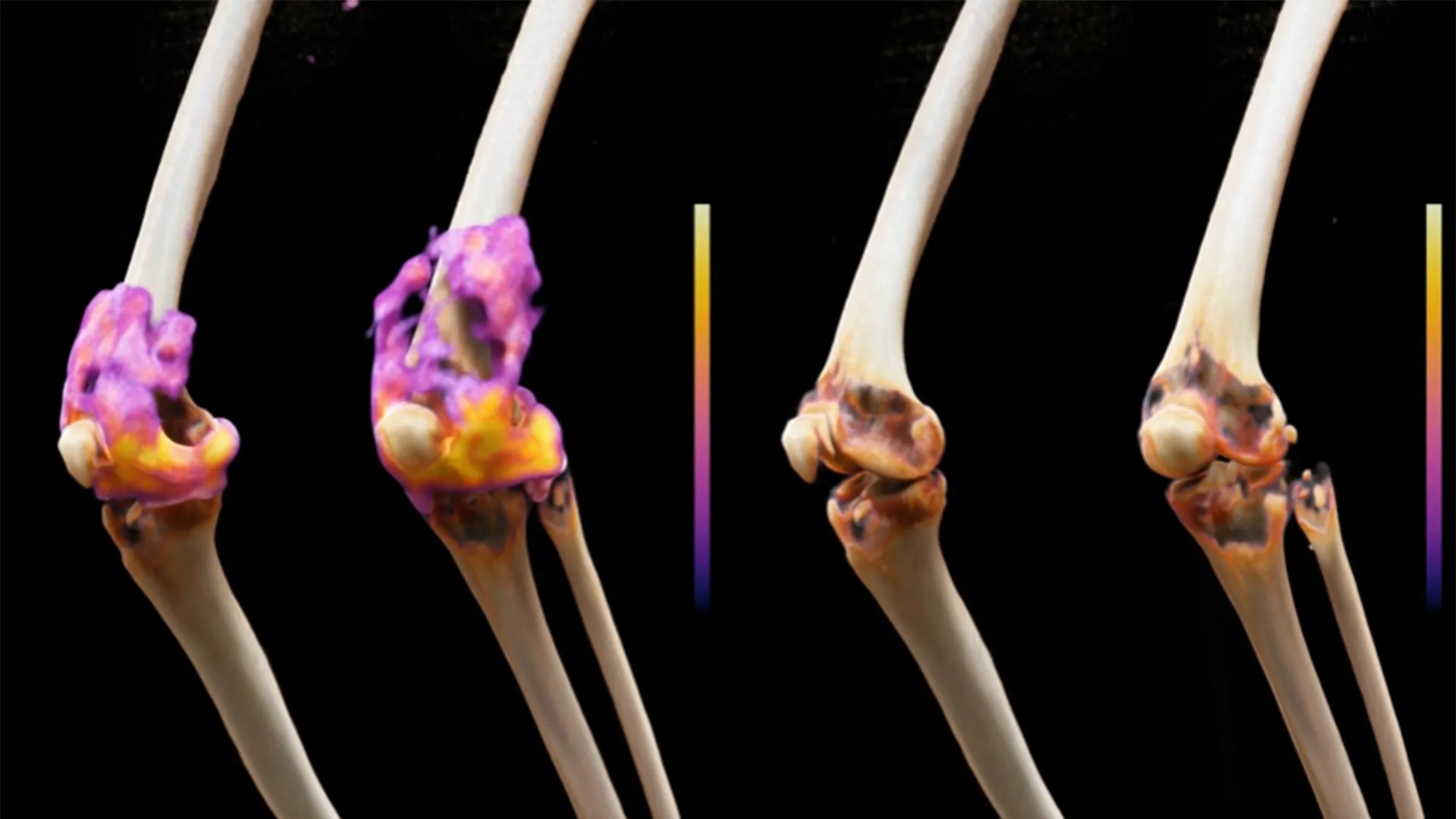
Immunotherapies, notably CAR T-cell therapy, were initially developed as groundbreaking treatments predominantly for various cancers. However, the scientific community is now intently exploring the potential of these highly personalized interventions, crafted from a patient’s own immune cells, to address, and perhaps even offer a curative path for, autoimmune diseases. This burgeoning field of research has recently yielded compelling early data from a clinical trial in Germany, marking a significant step forward in the quest to combat chronic autoimmune conditions.
Researchers at Charité – Universitätsmedizin Berlin have conducted a pioneering clinical trial, the first of its kind globally, investigating the application of CAR T-cell therapy in six individuals suffering from particularly severe, treatment-refractory rheumatoid arthritis (RA). The findings, published in the prestigious journal Nature Medicine, offer encouraging initial results. Across all participants, disease activity registered a substantial decline. Remarkably, by the conclusion of the observation period, three of the six patients no longer required medication for their rheumatoid arthritis, entering a state of sustained, drug-free remission.
Understanding Rheumatoid Arthritis: A Persistent Challenge
Rheumatoid arthritis stands as a chronic, systemic autoimmune disease that affects approximately 1% of the global population, impacting millions worldwide. It is characterized by the immune system erroneously attacking the body’s own tissues, primarily targeting the synovial membranes lining the joints. This misguided assault leads to chronic inflammation, which manifests as pain, swelling, stiffness, and ultimately, progressive joint damage and deformity if left unchecked. The disease can affect any joint but commonly impacts the small joints of the hands and feet. Beyond the joints, RA can also exert systemic effects, affecting organs such as the lungs, heart, eyes, and blood vessels, contributing to increased morbidity and reduced life expectancy.
The current therapeutic landscape for RA, while significantly advanced over previous decades, primarily focuses on managing symptoms and slowing disease progression. Existing medications include non-steroidal anti-inflammatory drugs (NSAIDs) for symptom relief, and various disease-modifying antirheumatic drugs (DMARDs). These DMARDs are categorized into conventional synthetic DMARDs (csDMARDs like methotrexate, sulfasalazine, hydroxychloroquine), targeted synthetic DMARDs (tsDMARDs, e.g., JAK inhibitors), and biologic DMARDs (bDMARDs, such as TNF inhibitors, B-cell depleting agents like rituximab, IL-6 inhibitors, and T-cell co-stimulation modulators). While often effective in controlling inflammation and preventing further joint damage, these treatments typically do not offer a cure. Consequently, many patients face a lifelong regimen of medication, which can lead to various side effects, including increased susceptibility to infections, gastrointestinal issues, and other systemic complications.
For a subset of patients, even the most advanced therapies prove insufficient. These cases are clinically described as treatment-refractory rheumatoid arthritis. Despite exhaustive efforts involving multiple lines of therapy, these individuals continue to experience debilitating pain, severely limited mobility, and a profound reduction in their overall quality of life. The persistent nature of the disease in these patients underscores an urgent unmet medical need for novel, more effective treatment strategies.
The Role of B Cells in Autoimmunity and the CAR T-Cell Hypothesis
A key reason for the persistence of RA, particularly in treatment-refractory cases, lies in the intricate pathology involving specific immune cells. Professor David Simon, who, alongside Professor Gerhard Krönke, designed the Charité trial, elucidates: "One reason could be disease-driving B cells – memory cells of the adaptive immune system that may survive in the lymph nodes, bone marrow or joint tissue after an infection, where they produce harmful antibodies directed against the body’s own tissues and repeatedly reignite the inflammation." These pathogenic B cells are central to the autoimmune process, not only by producing autoantibodies but also by acting as antigen-presenting cells and secreting pro-inflammatory cytokines, thereby perpetuating the inflammatory cascade.
The hypothesis underpinning the Charité research is that CAR T cells possess the capability to seek out and eliminate these deeply entrenched, disease-driving B cells, even when they are sequestered within various body tissues, which are often inaccessible to conventional therapies. The overarching objective is to eradicate as much of this abnormal B-cell memory as possible, effectively providing the B-cell system with a profound "new start" or "reset."
Leveraging Cancer Immunotherapy to Reset the Immune System
CAR T cells represent a sophisticated form of immunotherapy that originated in the oncology field, where they have revolutionized the treatment of certain blood cancers like leukemia and lymphoma. The core principle involves engineering a patient’s own T cells – a type of immune cell crucial for recognizing and destroying infected or abnormal cells – to specifically target and destroy cancer cells. For autoimmune diseases, scientists are adapting this technology to redirect these engineered cells toward the specific immune cells that are instrumental in sustaining the disease process.
The identifying marker common to many B cells, including the abnormal B cells found in blood cancers and the disease-driving B cells in rheumatoid arthritis, is the surface molecule CD19. As Professor Simon explains, "You could think of it as a kind of ‘name tag’." To empower CAR T cells to detect and eliminate these disease-causing cells, the patient’s own T cells are equipped with a chimeric antigen receptor (CAR). This artificial receptor functions as a highly specific "search sensor" for CD19.
The production of this CD19 CAR T-cell therapy involves a multi-step process:
- T-cell Collection (Apheresis): Doctors first collect T cells from the patient’s blood through a process similar to dialysis.
- Genetic Modification: In a specialized laboratory setting, these collected T cells are genetically modified. This involves introducing a gene that codes for the CAR, enabling the T cells to specifically recognize and bind to the CD19 protein found on B cells.
- Expansion: The modified CAR T cells are then expanded in vitro to produce millions of copies.
- Lymphodepleting Chemotherapy: Prior to receiving the engineered cells, patients undergo a brief course of preparatory chemotherapy. This crucial step temporarily reduces the number of existing immune cells, creating immunological "space" within the patient’s body. This space allows the infused CAR T cells to multiply effectively and function optimally, reducing competition from native immune cells and promoting CAR T-cell persistence.
- Infusion: The engineered CAR T cells are then returned to the patient via a single intravenous infusion. Once inside the body, these re-programmed cells actively seek out and bind to any cell expressing CD19, subsequently initiating a targeted attack to eliminate them. This process temporarily depletes all CD19-positive B cells, critically including the long-lived, disease-driving B cells that reside in deeper tissues such as the joints, bone marrow, and lymph nodes – areas that are often difficult to access with conventional treatments. By clearing out these pathogenic cells, the treatment aims to facilitate a fundamental "reset" of the immune system.
The COMPARE Trial: Unprecedented Findings in Severe RA
The Charité team initiated the COMPARE trial as the world’s inaugural clinical study to evaluate both the safety and effectiveness of CD19 CAR T-cell therapy specifically in rheumatoid arthritis. The initial phase focused on six patients grappling with particularly severe and treatment-refractory forms of the disease. This cohort comprised three women and three men, aged between 31 and 69 years. Notably, these individuals had, over the preceding decade, undergone as many as eight different targeted or biologic therapies, none of which had adequately controlled their debilitating disease. The primary objectives of this phase were to ascertain whether CAR T cells could effectively reach the disease-driving B cells within the joints and to assess the safety profile of this novel therapeutic approach.
The results from this initial phase have been deemed "highly encouraging" by the research team. Professor Gerhard Krönke, who co-leads the joint Clinical Rheumatology research group at Charité and the German Rheumatology Research Center (DRFZ), a Leibniz Institute, reported, "Disease activity decreased markedly in all six patients. During follow-up of up to one year, three patients were in sustained remission without any medication for rheumatoid arthritis." This outcome is particularly remarkable given the extensive history of treatment failures experienced by these patients, none of whom had previously found adequate relief from established treatments.
Evidence of Immune Reset and Preserved Protective Immunity
Beyond merely reducing inflammation, the treatment demonstrated a profound impact on the underlying pathology. Researchers observed that the modified immune cells successfully infiltrated and eliminated disease-promoting B cells in deeply sequestered locations, including the bone marrow, lymph nodes, and the inflamed joint tissue itself. This ability to reach and clear hidden disease reservoirs is a critical advantage over many conventional therapies.
Over the 12-month follow-up period, consistent monitoring revealed a sharp decline in the levels of autoantibodies – the self-attacking antibodies – specifically associated with rheumatoid arthritis. Further supporting the "immune reset" hypothesis, Professor David Simon noted, "When the B-cell system later recovered, predominantly naïve B cells that had not yet been shaped by the disease returned. In contrast, the B cells directed against the body’s own tissues that had been present before treatment were no longer detectable in almost all patients, an indication that the treatment may indeed be able to reset the pathological immune memory."
Crucially, the study also provided reassuring data regarding the integrity of protective immunity. Antibodies generated from earlier vaccinations, such as those against chickenpox and tetanus, remained detectable in patients. This suggests that while the therapy induced a profound, temporary depletion of B cells, the essential protective antibody memory, vital for defending against common pathogens, was largely preserved. However, researchers emphasize the ongoing need to determine any longer-term effects of the therapy on the overall immune system.
Safety Profile and Broader Implications
The safety findings from this inaugural trial are also considered encouraging. Dr. Marie Luise Hütter-Krönke, Medical Director of the Hematology Early Clinical Trial Unit at Charité, reported: "After the participants received the CD19 CAR T cells, we observed only a temporary, mild-to-moderate cytokine release syndrome (CRS) in all participants, which was readily manageable. There were no severe neurological complications or other serious adverse events, and infections were rare." Cytokine release syndrome (CRS) and neurotoxicity are well-known potential side effects of CAR T-cell therapy in oncology, which can sometimes be severe. The relatively mild profile observed in this RA trial is a positive indicator for its potential application in autoimmune contexts.
The trial suggests that a single administration of CAR T-cell therapy can induce a sustained period of symptom-free remission, potentially even without the need for ongoing rheumatoid arthritis medication, in some carefully selected patients. For individuals whose lives are significantly impacted by treatment-refractory RA, the prospect of directly resetting pathological immune memory and halting chronic inflammation, rather than continuously suppressing it with drugs, represents a profound shift in therapeutic philosophy.
Challenges and Future Directions
Despite these promising results, CAR T-cell therapy for autoimmune diseases, including rheumatoid arthritis, remains experimental. Long-term experience with the treatment is still limited, and the responses observed among the six participants were not uniform. While three achieved sustained medication-free remission, others did not achieve a complete response, and one patient experienced a recurrence of their disease after an initial period of remission. These variations highlight the complexity of autoimmune diseases and the need for further research to understand patient selection and optimize outcomes.
The journey from initial clinical success to widespread clinical availability is often long and arduous. CAR T-cell therapy is logistically complex and currently extremely expensive, costing hundreds of thousands of dollars per patient for cancer indications. Scaling up manufacturing, ensuring accessibility, and integrating such a specialized therapy into existing healthcare infrastructures present significant challenges.
The Charité team is now embarking on the second phase of the COMPARE trial, which will enroll ten additional patients. This phase is designed to compare CAR T-cell therapy against an already approved rheumatoid arthritis drug that also targets B cells. This comparison is crucial for determining whether CAR T cells produce superior or longer-lasting effects, and more definitively, whether they truly reset immune memory in a durable manner.
If these initial findings are confirmed in this comparative phase and subsequently validated in larger, multi-center studies with diverse patient populations, CAR T-cell therapy could eventually emerge as a transformative option for individuals with severe rheumatoid arthritis whose lives are severely affected by the disease and for whom current treatments offer insufficient relief. Beyond RA, the success in this trial also fuels optimism for applying CD19-targeting CAR T-cells to other severe autoimmune conditions where B cells play a central pathogenic role, such as Systemic Lupus Erythematosus (SLE), Systemic Sclerosis, and Myasthenia Gravis, representing a potential paradigm shift in the treatment of a broad spectrum of autoimmune disorders.
About the Study
The initial phase of the COMPARE study was meticulously designed to assess both the safety and effectiveness of CD19 CAR T-cell therapy in patients with treatment-refractory rheumatoid arthritis. Key contributors to this groundbreaking research included scientists from Charité’s Department of Rheumatology and Clinical Immunology, the Department of Hematology, Oncology and Cancer Immunology at Campus Benjamin Franklin, as well as experts from the Cluster of Excellence ImmunoPreCept, the German Rheumatology Research Center (DRFZ), a Leibniz Institute, and the Fraunhofer Institute for Translational Medicine and Pharmacology ITMP. The study was conceived, initiated, and designed at Charité and received support from Kyverna Therapeutics. It is important to note that the immunotherapy company had no involvement in the design of the study, the collection or analysis of data, or the presentation of the results, underscoring the independent nature of the scientific findings.
