
 By Suherman Candra Maholtra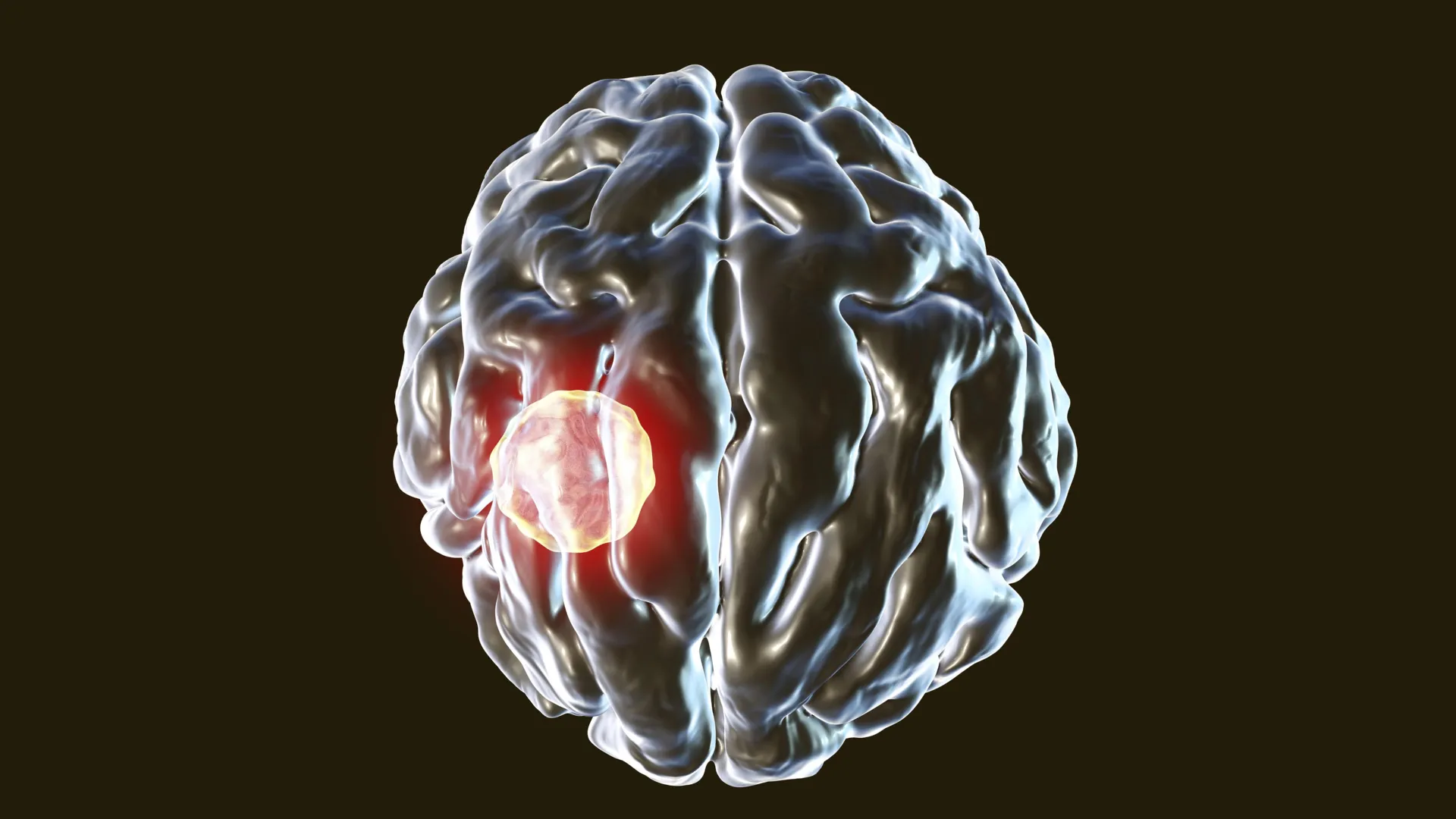
The human immune system is a sophisticated network of cells and signals designed to identify and neutralize foreign invaders. However, some pathogens have evolved specialized strategies to bypass these defenses, occasionally turning the body’s own protective mechanisms against itself. Among the most successful of these organisms is Toxoplasma gondii, a protozoan parasite estimated to infect nearly one-third of the global population. While often dormant, this parasite poses a significant threat to the central nervous system, particularly in individuals with compromised immunity. New research from the University of Virginia School of Medicine has shed light on a critical biological "fail-safe" that prevents Toxoplasma from using the body’s elite killer cells as a vehicle for infection.
Led by Tajie Harris, PhD, the Director of the Center for Brain Immunology and Glia (BIG Center), the study reveals that CD8+ T cells—the very cells tasked with hunting down and destroying infected tissue—possess a self-destruct mechanism that prevents them from becoming "Trojan horses" for the parasite. This discovery, published in the journal Science Advances, provides a vital new understanding of how the brain is protected from chronic infection and why certain individuals may be more susceptible to severe neurological complications.
The Biological Profile of Toxoplasma gondii
Toxoplasma gondii is an obligate intracellular parasite, meaning it must live within the cells of a host to survive and reproduce. While its definitive hosts are felids (members of the cat family), it can infect almost any warm-blooded animal, including humans. Transmission typically occurs through the ingestion of oocysts found in contaminated soil or water, contact with cat feces, or the consumption of undercooked meat containing tissue cysts.
Upon entering the human host, Toxoplasma undergoes a rapid proliferative stage known as the tachyzoite phase. During this period, the parasite spreads through the bloodstream to various organs. Its ultimate destination is often the brain or muscle tissue, where it transitions into a slower-growing form called a bradyzoite. These bradyzoites form semi-permanent cysts that can remain in the host’s brain for the duration of their life.
For most healthy individuals, the immune system successfully sequesters the parasite, leading to an asymptomatic chronic infection. However, in patients with weakened immune systems—such as those living with HIV/AIDS, cancer patients undergoing chemotherapy, or organ transplant recipients—the parasite can reactivate. This leads to toxoplasmosis, a condition characterized by brain inflammation (encephalitis), seizures, and potentially fatal neurological damage.
The Paradox of CD8+ T Cell Infection
The immune response to Toxoplasma relies heavily on CD8+ T cells, often referred to as "killer T cells." These cells are programmed to recognize specific antigens on the surface of infected cells. Once a target is identified, the CD8+ T cell releases cytotoxic granules that induce death in the infected cell, thereby halting the replication of the pathogen.
The UVA research team identified a troubling paradox: Toxoplasma has the ability to infect the CD8+ T cells themselves. This presents a tactical nightmare for the host. If the primary cells responsible for eliminating the parasite are themselves compromised, the parasite could theoretically use these mobile immune cells to travel undetected throughout the body and gain easy access to the brain, bypassing the blood-brain barrier.
"We know that T cells are really important for combatting Toxoplasma gondii, and we thought we knew all the reasons why," explained Dr. Harris. "T cells can destroy infected cells or cue other cells to destroy the parasite. We found that these very T cells can get infected, and, if they do, they can opt to die. Toxoplasma parasites need to live inside cells, so the host cell dying is game over for the parasite."
The Role of Caspase-8: The Cellular Fail-Safe
The mechanism behind this "game over" strategy involves an enzyme known as caspase-8. In the field of molecular biology, caspases are a family of protease enzymes that play essential roles in programmed cell death, or apoptosis. Caspase-8, in particular, acts as a molecular switch that can trigger a cell to dismantle itself in an orderly fashion when it detects internal damage or infection.
To investigate the importance of this enzyme, the UVA team conducted a series of laboratory experiments using mouse models. They compared a control group of mice with normal T cell function to a group specifically engineered to lack caspase-8 in their T cells.
The results were definitive. In the absence of caspase-8, the CD8+ T cells remained alive even after being invaded by Toxoplasma. This allowed the parasite to survive and replicate within the very cells meant to kill it. Consequently, the mice lacking the enzyme saw a massive surge in the parasitic load within their brain tissue. The difference in clinical outcomes was stark: while the control mice remained healthy and managed the infection, the mice without caspase-8 in their T cells became severely ill and eventually died.
Chronology of the UVA Study and Methodology
The study was a multi-year effort that combined advanced genetic engineering with high-resolution imaging of brain tissue. The research timeline followed a rigorous scientific progression:
- Initial Observation: The team first identified that CD8+ T cells were being targeted by Toxoplasma tachyzoites in vivo, a phenomenon that had been rarely documented in previous literature.
- Hypothesis Formation: Researchers hypothesized that the host must have a specific regulatory mechanism to prevent these infected T cells from becoming reservoirs for the parasite.
- Genetic Modification: Utilizing Cre-Lox recombination technology, the researchers developed mice that lacked the gene for caspase-8 specifically within the T cell lineage, ensuring other cells in the body still functioned normally.
- Infection and Monitoring: Both the modified and control groups were exposed to T. gondii. The team monitored the progression of the disease, tracking weight loss, neurological symptoms, and survival rates.
- Tissue Analysis: Using immunohistochemistry and flow cytometry, the team quantified the number of parasites in the brain and analyzed the state of the T cells. They found that without caspase-8, the T cells were not only infected but were also failing to produce the necessary inflammatory signals to recruit other immune cells.
- Validation: The study concluded by confirming that the "suicide" of infected T cells is a primary defense mechanism that limits the spread of the parasite to the central nervous system.
Supporting Data and Statistical Significance
The data provided by the BIG Center highlighted a significant disparity between the two groups. In the brain tissue of mice lacking caspase-8, the concentration of T. gondii was several orders of magnitude higher than in the control group. Furthermore, the researchers noted that the survival rate for the caspase-8 deficient mice dropped to zero percent within a specific window of the acute infection phase, whereas 100% of the control mice survived the initial transition to chronic infection.
The study also scoured existing scientific literature to determine if other pathogens utilized T cells in this manner. The scarcity of such examples suggested that the caspase-8 defense is an incredibly effective evolutionary barrier. Only a few pathogens, such as HIV, have successfully evolved ways to circumvent or exploit T cell life cycles, and those that do often become among the most difficult diseases to treat.
Broader Implications and Future Medical Applications
The discovery of the caspase-8 fail-safe has broad implications for both neuro-immunology and infectious disease treatment. By understanding how the body prevents the hijacking of its immune system, scientists can develop better strategies for treating toxoplasmosis in vulnerable populations.
For patients with compromised immune systems, this research suggests that the failure of T cell regulatory pathways may be as significant as the reduction in T cell count. If the caspase-8 pathway is inhibited—either by the pathogen itself or by secondary medical conditions—the patient loses a critical layer of protection for the brain.
"Understanding how the immune system fights Toxoplasma is important for several reasons," Dr. Harris stated. "People with compromised immune systems are vulnerable to this infection, and now we have a better understanding of why and how we can help patients fight this infection."
Furthermore, this research opens the door to investigating whether similar mechanisms are at play in other intracellular infections, such as tuberculosis or certain fungal infections of the brain. If caspase-8 or similar enzymes can be modulated through pharmacological intervention, it may be possible to "boost" the cellular self-destruct response, effectively trapping pathogens in dying cells before they can spread.
Research Funding and Collaborative Efforts
The study was a collaborative effort involving a diverse team of scientists from UVA’s Department of Neuroscience and the BIG Center. The team included Lydia A. Sibley, Maureen N. Cowan, Abigail G. Kelly, NaaDedee A. Amadi, Isaac W. Babcock, Sydney A. Labuzan, Michael A. Kovacs, Samantha J. Batista, and John R. Lukens.
The research was supported by extensive funding from the National Institutes of Health (NIH), with multiple grants contributing to the various phases of the study (R01NS112516, R01NS134747, R21NS12855, and others). Additional support was provided by the University of Virginia Pinn Scholars Award, the UVA Shannon Fellowship, and the UVA Strategic Investment Fund. The authors reported no financial conflicts of interest, ensuring the objectivity of the findings.
Conclusion: A New Frontier in Brain Immunology
The work coming out of UVA Health underscores the complexity of the "arms race" between hosts and parasites. While Toxoplasma gondii has developed the ability to infect the very cells designed to kill it, the human body has evolved a ruthless and effective counter-strategy: cellular sacrifice.
By choosing to die, the CD8+ T cell protects the brain, demonstrating that in the world of immunology, sometimes the best defense is a strategic retreat into programmed cell death. As researchers continue to explore the functions of caspase-8 and other regulatory enzymes, the medical community moves one step closer to eradicating the threat of toxoplasmosis and understanding the intricate guardrails that keep the human brain safe from the microscopic world.
