
 By Suherman Candra Maholtra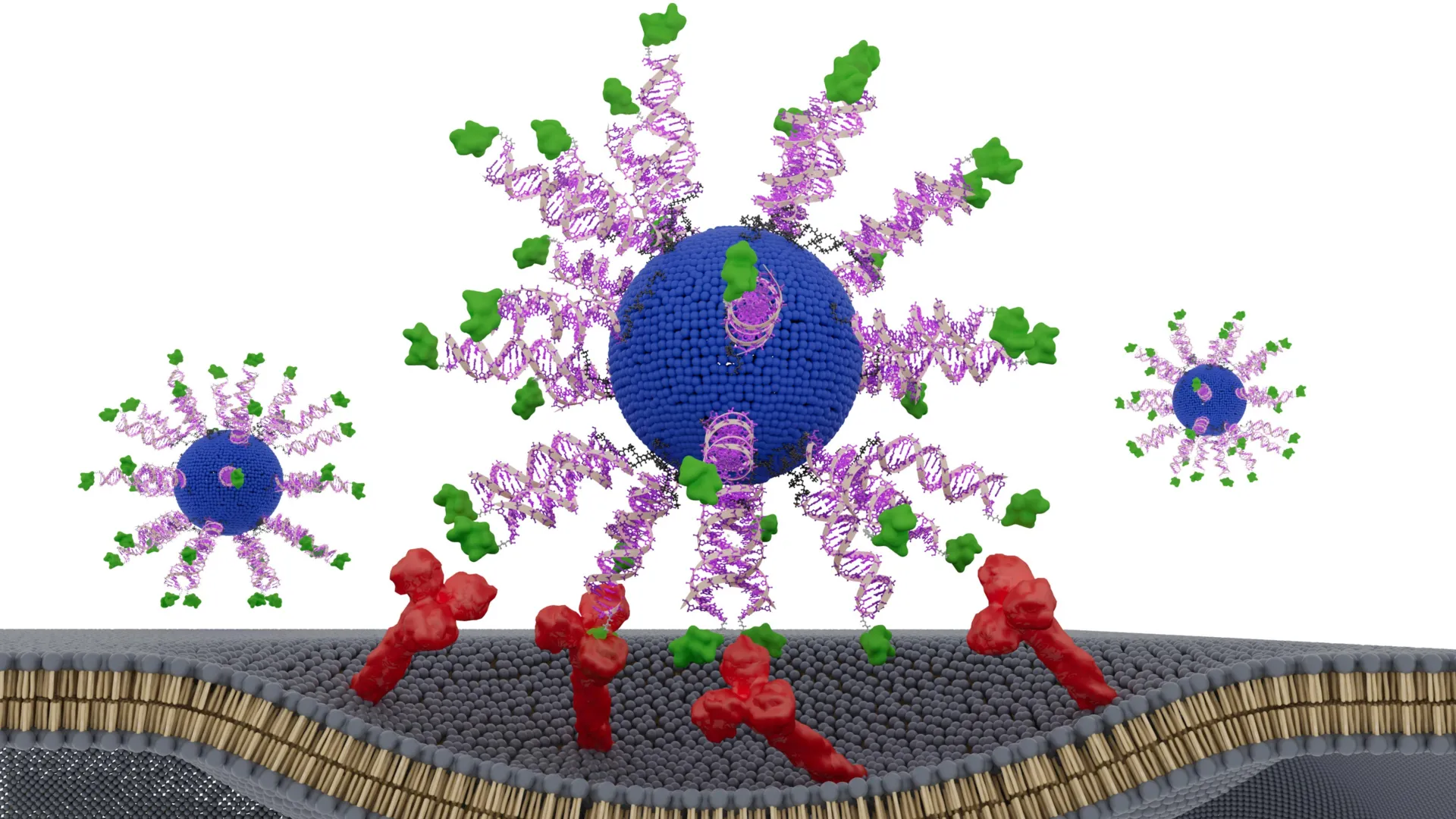
For more than a decade, a specialized team of researchers at Northwestern University has been investigating a fundamental but often overlooked variable in the development of life-saving medicines: the physical arrangement of a drug’s components. In a landmark study published on February 11 in the journal Science Advances, these scientists have demonstrated that the efficacy of a therapeutic cancer vaccine is determined not only by its chemical ingredients but by the precise nanoscale architecture in which those ingredients are housed. By applying the principles of "structural nanomedicine," the team has successfully engineered a vaccine that significantly boosts the immune system’s ability to identify and destroy tumors associated with the human papillomavirus (HPV).
The research, led by nanotechnology pioneer Chad A. Mirkin and medical oncology expert Dr. Jochen Lorch, marks a pivotal shift away from what Mirkin describes as the "blender approach" to vaccine development. In traditional vaccinology, antigens (the targets) and adjuvants (the stimulants) are often mixed into a formulation without strict control over their spatial relationship. However, the Northwestern team has proven that by utilizing Spherical Nucleic Acids (SNAs)—globular DNA structures that can be precisely engineered—the orientation of a single peptide can mean the difference between a negligible immune response and a potent, tumor-shrinking reaction.
The Evolution of Structural Nanomedicine
The foundation of this breakthrough lies in the field of structural nanomedicine, a term coined by Mirkin to describe the rational design of medicines from the bottom up. Mirkin, the George B. Rathmann Professor of Chemistry and Director of the International Institute for Nanotechnology at Northwestern, invented SNAs decades ago. Unlike linear DNA, SNAs are densely packed, highly oriented sequences of nucleic acids arranged around a central nanoparticle core. This unique geometry allows them to enter cells more efficiently than their linear counterparts and interact with the immune system in ways that were previously impossible.
Historically, vaccine development has focused on the "what"—identifying the right protein or genetic sequence to trigger an immune response. Structural nanomedicine focuses on the "how." The Northwestern team’s work suggests that the pharmaceutical industry may have prematurely discarded thousands of potentially effective drug candidates simply because they were delivered in suboptimal physical configurations. By re-engineering these components into structured SNAs, researchers may be able to "rescue" failed therapies and enhance the potency of existing ones.
Decoding the HPV Vaccine Breakthrough
In their latest study, the researchers focused on therapeutic vaccines for HPV-driven cancers. While preventive vaccines like Gardasil have been highly effective at reducing new infections, they offer no benefit to patients who have already developed HPV-related malignancies. HPV is currently the primary driver of cervical cancer and is responsible for a rapidly increasing number of head and neck cancers, particularly oropharyngeal squamous cell carcinoma.
The Northwestern team designed an SNA vaccine targeting these specific tumors. Each nanoparticle consisted of a lipid core surrounded by immune-activating DNA and a specific peptide (a fragment of an HPV protein). To test the impact of structure, they created three distinct versions of the vaccine using identical ingredients. The only difference was the placement of the HPV peptide:
- Encapsulated: The peptide was hidden inside the lipid core of the nanoparticle.
- Surface-Linked (C-terminus): The peptide was attached to the surface of the SNA via its C-terminus.
- Surface-Linked (N-terminus): The peptide was attached to the surface via its N-terminus.
The results were stark. The version that presented the peptide on the surface via the N-terminus outperformed the others by a massive margin. It generated up to eight times more interferon-gamma—a critical signaling protein that coordinates the immune system’s attack on cancer—and produced a significantly higher volume of CD8+ "killer" T cells. These T cells are the "infantry" of the immune system, capable of infiltrating tumors and destroying malignant cells with precision.
Data from Humanized Models and Patient Samples
To ensure the clinical relevance of their findings, the researchers did not rely solely on standard laboratory models. They utilized "humanized" animal models, which possess immune systems engineered to mimic human responses. Furthermore, the team tested the vaccine designs on actual tumor samples harvested from patients with head and neck cancer at Northwestern Medicine.
In the animal models, the N-terminus surface-linked vaccine slowed tumor growth and extended survival rates far beyond the results seen with the "blender" style mixtures or the other SNA configurations. In the human patient samples, the optimized vaccine increased the cancer-killing activity of the patients’ own T cells by twofold to threefold.
Dr. Jochen Lorch, the medical oncology director of the Head and Neck Cancer Program at Northwestern Medicine and co-lead of the study, emphasized that these gains were achieved without increasing the dosage or adding new chemicals. "The immune system is sensitive to the geometry of molecules," Lorch noted. "By optimizing how we attach the antigen to the SNA, the immune cells processed it more efficiently." This suggests that structural optimization could lead to lower required doses of medication, potentially reducing the side effects and toxicity often associated with aggressive immunotherapies.
Moving Beyond the "Blender Approach"
The critique of the "blender approach" is a central theme in Mirkin’s vision for the future of medicine. He points to the COVID-19 mRNA vaccines as a modern marvel that nonetheless lacks structural uniformity. In those vaccines, the lipid nanoparticles (LNPs) vary in size and the distribution of mRNA within them is somewhat random. While highly effective for a global pandemic, Mirkin argues that the complexity of cancer requires a higher level of precision.
"If you look at how drugs have evolved over the last few decades, we have gone from well-defined small molecules to more complex but less structured medicines," Mirkin explained. "The promise of structural nanomedicine is being able to identify from the myriad possibilities the configurations that lead to the greatest efficacy and least toxicity."
The study provides a roadmap for this precision. By showing that a subtle change in the orientation of a peptide can dictate the success of a vaccine, the researchers have established a framework that can be applied to virtually any cancer type.
A Growing Pipeline of SNA-Based Therapies
The HPV study is the latest in a series of successes for the Mirkin lab. Using the structural nanomedicine strategy, the team has already developed SNA vaccine candidates for a variety of difficult-to-treat cancers, including:
- Melanoma: Early studies showed that structured SNAs could induce a 10-fold increase in T-cell memory compared to standard formulations.
- Triple-Negative Breast Cancer: One of the most aggressive forms of breast cancer, which currently has few targeted treatment options.
- Prostate and Colon Cancer: Research is ongoing into how different antigen arrangements can overcome the immunosuppressive environments of these tumors.
- Merkel Cell Carcinoma: A rare but lethal skin cancer.
The transition from the laboratory to the clinic is already underway. Currently, seven SNA-based drugs are in human clinical trials for various conditions. Additionally, the SNA technology has been licensed for use in over 1,000 commercial products, ranging from diagnostic tools to dermatological treatments.
The Role of Artificial Intelligence in Future Design
Looking ahead, Mirkin believes the next frontier of structural nanomedicine will be driven by artificial intelligence (AI). Because there are thousands of variables involved in the construction of an SNA—including nanoparticle size, DNA density, peptide orientation, and adjuvant placement—testing every possible combination manually is an impossible task.
"Machine learning systems could rapidly analyze vast numbers of structural combinations to identify the most effective arrangements," Mirkin stated. By feeding the data from studies like the HPV research into AI models, scientists can begin to predict the "optimal architecture" for a vaccine before a single particle is synthesized in the lab. This "rational design" approach could drastically reduce the time and cost of drug development, moving the industry away from trial-and-error and toward a more engineering-focused discipline.
Broad Implications for Global Health
The implications of this research extend far beyond HPV. If the potency of a vaccine can be increased eightfold simply by changing its structure, this principle could be applied to infectious diseases, autoimmune disorders, and even neurological conditions. The ability to "restructure and transform" existing, less-effective vaccine components into potent medicines offers a second chance for many failed clinical trials.
The study, titled "E711-19 placement and orientation dictate CD8+ T cell response in structurally defined spherical nucleic acid vaccines," was a collaborative effort involving the Weinberg College of Arts and Sciences, the McCormick School of Engineering, and the Northwestern University Feinberg School of Medicine. It received support from the National Cancer Institute, the Lefkofsky Family Foundation, and the Robert H. Lurie Comprehensive Cancer Center.
As the field of structural nanomedicine continues to gain momentum, the work at Northwestern University stands as a testament to the power of precision. In the words of Chad Mirkin, "The whole concept of structural nanomedicines is a major train roaring down the tracks. We have shown that structure matters—consistently and without exception." By building medicines from the bottom up, the scientific community may finally have the tools necessary to turn the tide against some of the world’s most resilient diseases.
