
 By Nana O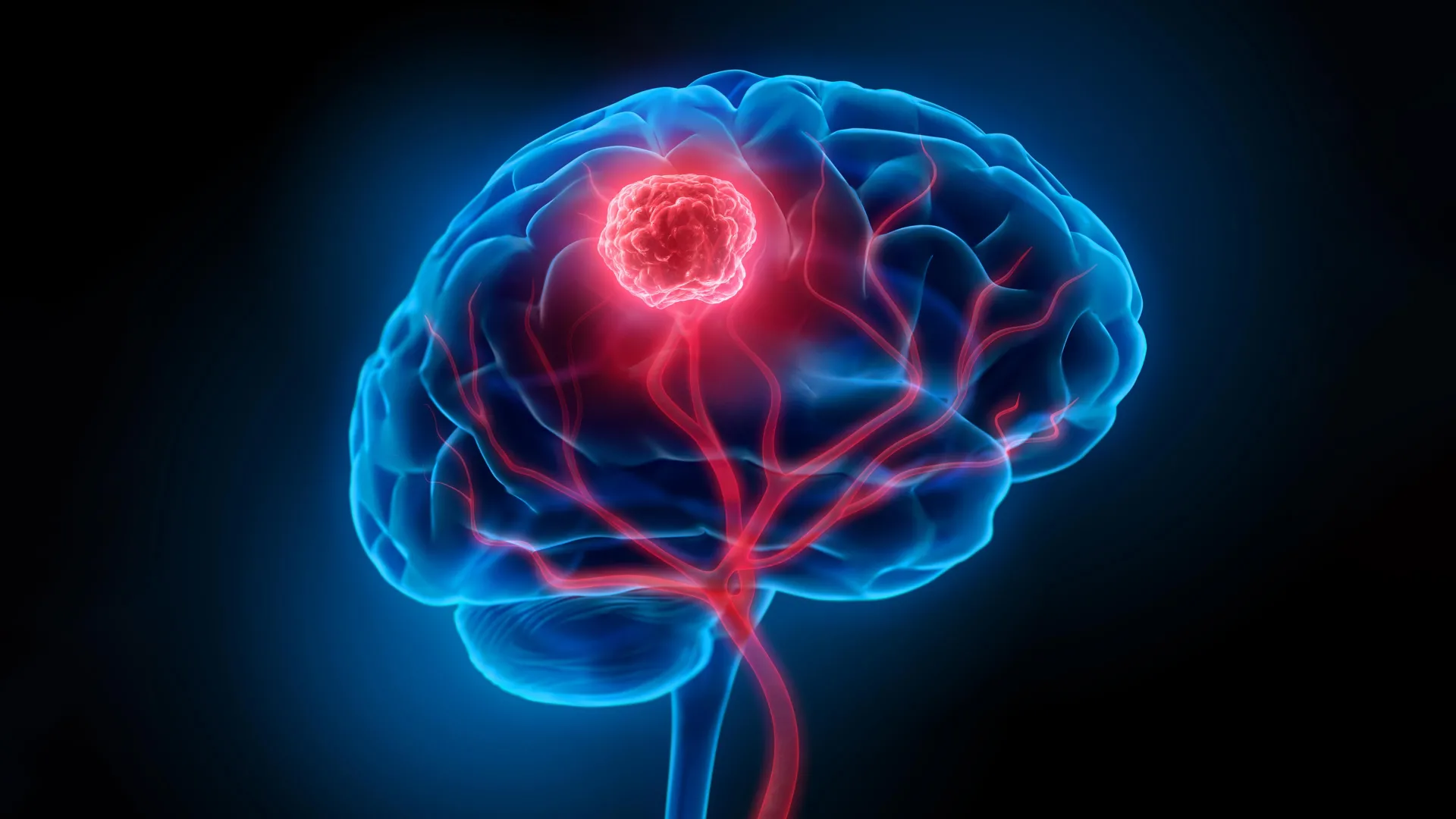
A groundbreaking study spearheaded by Canadian researchers has unveiled a novel approach to potentially slow the relentless growth of glioblastoma, the most aggressive and currently incurable form of brain cancer. The research, a collaborative effort between McMaster University and The Hospital for Sick Children (SickKids), not only identifies a critical communication pathway that fuels glioblastoma but also points to an existing medication, currently used to treat HIV, as a potential therapeutic weapon against this devastating disease. This discovery offers a glimmer of hope in a field where treatment options have remained severely limited, and patient prognoses are often measured in mere months.
The core of the revelation lies in understanding the intricate cellular ecosystem that supports glioblastoma. Previously, certain brain cells, known as oligodendrocytes, were thought to play a singular role in supporting normal nerve function by myelinating nerve fibers. However, this new research demonstrates that these same cells can be co-opted by glioblastoma, transforming from passive supporters of neural health into active accomplices in tumor proliferation and spread. The study’s findings, published in the esteemed journal Neuron, reveal that these altered oligodendrocytes actively communicate with glioblastoma cells, sending signals that bolster the cancer’s resilience and capacity for expansion. Crucially, when scientists successfully disrupted this cellular dialogue in laboratory models, they observed a significant reduction in tumor growth, underscoring the vital role of this inter-cellular communication in glioblastoma’s aggressive trajectory.
This paradigm shift in understanding glioblastoma’s microenvironment has direct implications for treatment. The identification of this specific signaling pathway has illuminated a potential therapeutic target. Researchers discovered that Maraviroc, a well-established drug employed in the treatment of Human Immunodeficiency Virus (HIV), could potentially interfere with the communication mechanism between oligodendrocytes and glioblastoma cells. The prospect of repurposing an already approved and widely available drug is particularly significant, as it bypasses the lengthy and expensive process typically associated with developing new cancer therapies. This could accelerate the timeline for bringing a new treatment option to patients who currently face a bleak prognosis.
Unraveling the Glioblastoma Ecosystem: A Shift in Perspective
Glioblastoma, a Grade IV astrocytoma, represents the most common and deadliest primary malignant brain tumor in adults. Its inherent aggressiveness stems from its rapid growth, diffuse infiltration into surrounding brain tissue, and remarkable resistance to conventional therapies such as surgery, radiation, and chemotherapy. The median survival rate for patients diagnosed with glioblastoma remains dismally low, typically ranging from 15 to 18 months, despite aggressive treatment regimens. This stark reality underscores the urgent need for novel therapeutic strategies that can effectively target the underlying mechanisms of tumor progression.
For decades, glioblastoma research has recognized the importance of the tumor microenvironment – the complex milieu of cells, blood vessels, and extracellular matrix surrounding the tumor. It was understood that glioblastoma cells do not exist in isolation but rather exist within a dynamic "ecosystem" that supports their survival and growth. However, the precise roles of specific non-cancerous brain cells within this ecosystem have remained a subject of intense investigation. This latest study by the Canadian research teams provides critical clarity by pinpointing oligodendrocytes as key players in this complex interplay.
The Role of Oligodendrocytes: From Support to Sabotage
Oligodendrocytes are glial cells in the central nervous system responsible for forming the myelin sheath around nerve axons. This sheath acts as an insulator, enabling faster and more efficient transmission of nerve impulses. Their primary function is to maintain healthy neuronal function and connectivity. However, the research published in Neuron reveals a more sinister capacity.
The study meticulously details how glioblastoma cells can influence and reprogram oligodendrocytes. Instead of maintaining their protective function, these specialized brain cells are induced to produce and release specific signaling molecules. These molecules, in turn, act as potent stimulants for glioblastoma cells, promoting their proliferation, enhancing their invasiveness, and bolstering their ability to evade immune surveillance and therapeutic interventions. The researchers identified a specific signaling system that facilitates this detrimental communication. By blocking this communication pathway in laboratory models, including cell cultures and animal models, the scientists observed a dramatic deceleration of tumor growth. This disruption effectively starves the tumor of the signals it needs to thrive, offering a tangible demonstration of the vulnerability exposed by this research.
A Timeline of Discovery: Building on Prior Insights
This pivotal study is not an isolated event but rather a culmination of years of dedicated research into the intricate biology of glioblastoma. The co-senior authors, Sheila Singh of McMaster University and Jason Moffat of The Hospital for Sick Children, have a well-established track record of investigating the cellular and molecular mechanisms that drive glioblastoma.
Their previous work, notably a study published in Nature Medicine in 2024, had already shed light on how glioblastoma cells can hijack developmental pathways normally utilized during brain development to facilitate their spread. This earlier research highlighted the capacity of cancer cells to adapt and exploit existing biological machinery for their nefarious purposes. The current study, by focusing on the communication between cancer cells and supportive non-cancerous cells, represents a natural and logical progression, deepening the understanding of glioblastoma’s complex "ecosystem" and identifying new avenues for therapeutic intervention.
The genesis of this latest research can be traced back to hypotheses formed during their earlier investigations into how glioblastoma cells interact with their surrounding environment. The teams systematically explored various cellular components of the brain, seeking to identify which cells might be contributing to the tumor’s aggressive nature. Through rigorous experimentation and advanced genetic analysis, they zeroed in on oligodendrocytes and the specific signaling mechanisms involved. The process involved extensive laboratory work, including genetic screening, cell culture experiments, and preclinical animal model studies, spanning several years to validate their findings and confirm the therapeutic potential of targeting this pathway.
Maraviroc: A Repurposed Weapon Against Glioblastoma
The identification of CCR5 as a key receptor in the signaling pathway between oligodendrocytes and glioblastoma cells proved to be a critical turning point. CCR5 is a well-characterized chemokine receptor that plays a significant role in the life cycle of the HIV virus, particularly in its entry into host cells. Maraviroc, an antiretroviral medication, functions by blocking the CCR5 receptor, thereby preventing HIV from infecting cells.
The direct link between the CCR5 pathway, essential for glioblastoma’s growth in this context, and Maraviroc’s known mechanism of action presented an immediate and compelling therapeutic opportunity. The fact that Maraviroc is already an FDA-approved drug with a well-established safety profile for HIV patients means that its potential repurposing for glioblastoma could bypass many of the initial hurdles faced by entirely new drug candidates. Regulatory agencies are often more amenable to the repurposing of existing drugs, as their safety and pharmacokinetic profiles are already understood. This could significantly expedite the process of clinical trials and, ultimately, the availability of a new treatment to patients.
Jason Moffat, co-senior author, elaborated on this potential: "The cellular ecosystem within glioblastoma is far more dynamic than previously understood. In uncovering an important piece of the cancer’s biology, we also identified a potential therapeutic target that could be addressed with an existing drug. This finding opens a promising path to explore whether blocking this pathway can speed progress toward new treatment options for patients." This statement underscores the strategic advantage of leveraging existing pharmacological tools in the fight against challenging diseases like glioblastoma.
Study Details and Research Teams: A Collaborative Powerhouse
The research team comprises leading scientists from two of Canada’s foremost academic and research institutions: McMaster University and The Hospital for Sick Children (SickKids). The study was published in Neuron, a prestigious peer-reviewed journal known for its high impact in the field of neuroscience.
The co-first authors of the study are Kui Zhai, a research associate within the Singh Lab at McMaster University, and Nick Mikolajewicz, who was a postdoctoral fellow in the Moffat Lab at SickKids during the study’s progression. Their dedicated work in identifying and validating the critical cellular interactions was instrumental to the study’s success.
Sheila Singh, co-senior author and a Professor of Surgery at McMaster University, also serves as the Director of the Centre for Discovery in Cancer Research at McMaster. Her expertise in human cancer stem cell biology has been foundational to understanding the complex mechanisms that drive aggressive cancers. She aptly described the glioblastoma landscape as an "ecosystem," emphasizing the need to understand its intricate workings to find vulnerabilities.
Jason Moffat, the other co-senior author, is a Senior Scientist and Head of the Genetics & Genome Biology program at The Hospital for Sick Children. His contributions, particularly in leveraging genetic and genomic approaches to understand disease, have been crucial.
The research received vital financial support from the 2020 William Donald Nash Brain Tumour Research Fellowship and the Canadian Institutes of Health Research, underscoring the national commitment to advancing brain tumor research. Sheila Singh holds the prestigious Tier 1 Canada Research Chair in Human Cancer Stem Cell Biology, and Jason Moffat holds the GlaxoSmithKline Chair in Genetics & Genome Biology at SickKids, positions that reflect their significant contributions and leadership in their respective fields.
Broader Implications and Future Directions
The implications of this discovery extend beyond the immediate potential for a new glioblastoma treatment. It signifies a broader paradigm shift in cancer research, emphasizing the importance of understanding and targeting the complex cellular communication networks that tumors exploit. By viewing cancer not as an isolated entity but as an ecosystem, researchers can identify novel vulnerabilities that might have been previously overlooked.
The successful identification of an existing drug for repurposing is a significant development that could pave the way for similar strategies in other hard-to-treat cancers. The accelerated timeline for clinical translation is a critical factor in providing hope to patients with limited treatment options.
Future research will undoubtedly focus on rigorously testing Maraviroc in clinical trials for glioblastoma patients. This will involve carefully assessing its efficacy, optimal dosage, potential side effects in this new context, and identifying patient populations most likely to benefit from this therapy. Furthermore, this research opens the door for developing even more targeted therapies that specifically disrupt this oligodendrocyte-glioblastoma communication, potentially leading to even greater efficacy and fewer side effects.
The findings also highlight the potential for developing diagnostic tools that could identify the specific signaling patterns within a patient’s tumor, allowing for personalized treatment approaches. By understanding the precise nature of the cellular ecosystem, clinicians might be able to tailor therapies to the individual characteristics of each glioblastoma.
In conclusion, the Canadian research teams at McMaster University and SickKids have made a monumental stride in the fight against glioblastoma. By uncovering the crucial role of oligodendrocytes in fueling tumor growth and identifying Maraviroc as a potential therapeutic agent, they have provided a tangible pathway towards new treatments. This discovery not only offers renewed hope to patients and their families but also reinforces the power of collaborative, interdisciplinary research in tackling the most challenging diseases facing humanity. The journey from laboratory discovery to clinical application is often long and arduous, but this breakthrough represents a significant leap forward, promising to redefine the therapeutic landscape for glioblastoma.
