
 By admin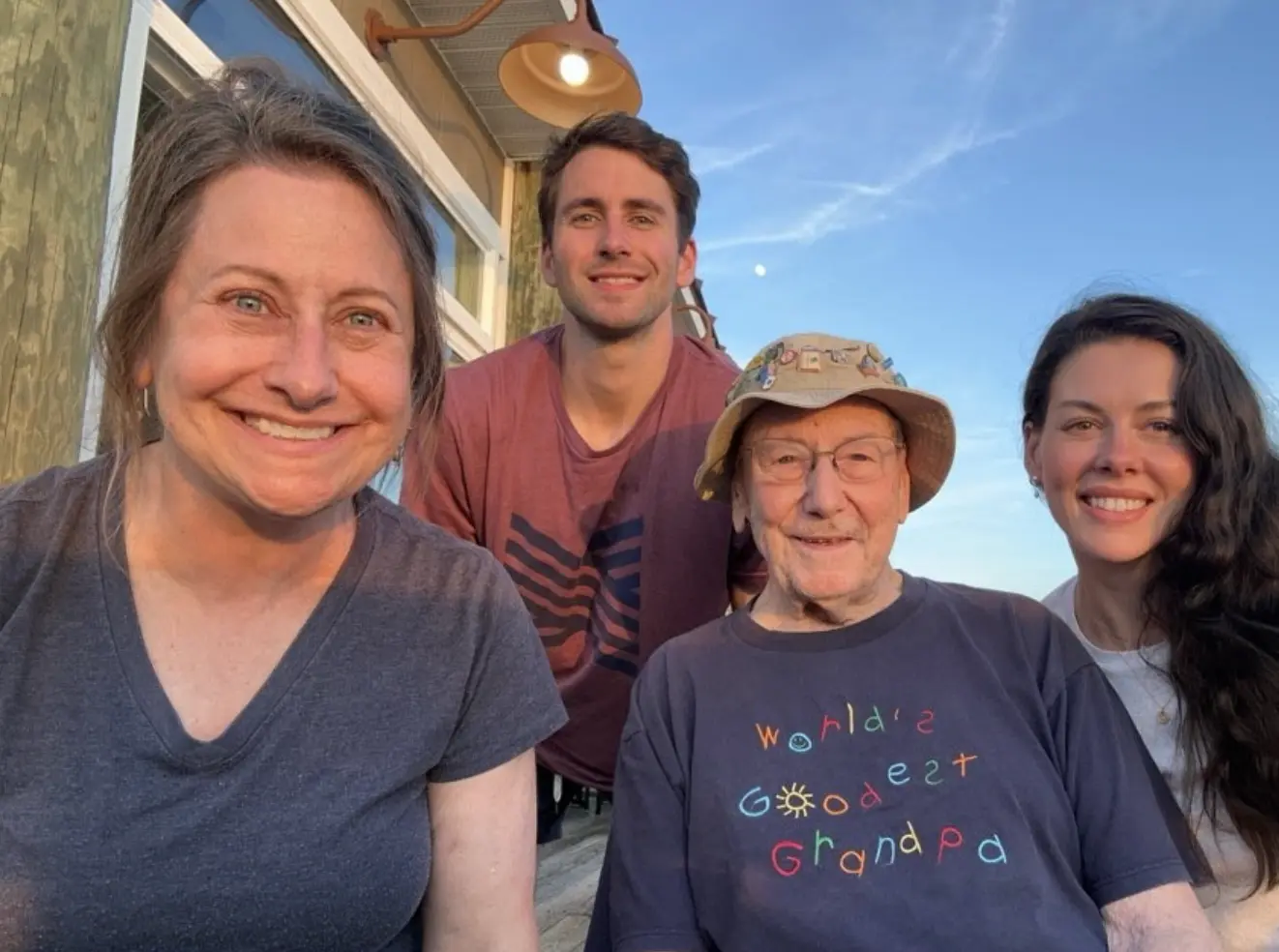
The landscape of medical philanthropy is undergoing a significant transformation as a new generation of entrepreneurs applies the principles of technological innovation and venture capital efficiency to the fight against life-threatening diseases. At the forefront of this shift is Alex Monahan, a northern Virginia native and Stanford-educated technologist who has recently pivoted from a successful career in the startup sector to become a primary benefactor of the Children’s Cancer Research Fund (CCRF). Monahan’s transition from building OddsJam, a prominent sports data and technology company, to supporting high-stakes pediatric oncology research marks a pivotal moment in how private wealth is being leveraged to accelerate clinical breakthroughs. His commitment is rooted in a deeply personal history with the disease, combined with a modern conviction that artificial intelligence and advanced data tools are the keys to unlocking the next generation of cancer treatments.
The Intersection of Personal Loss and Professional Success
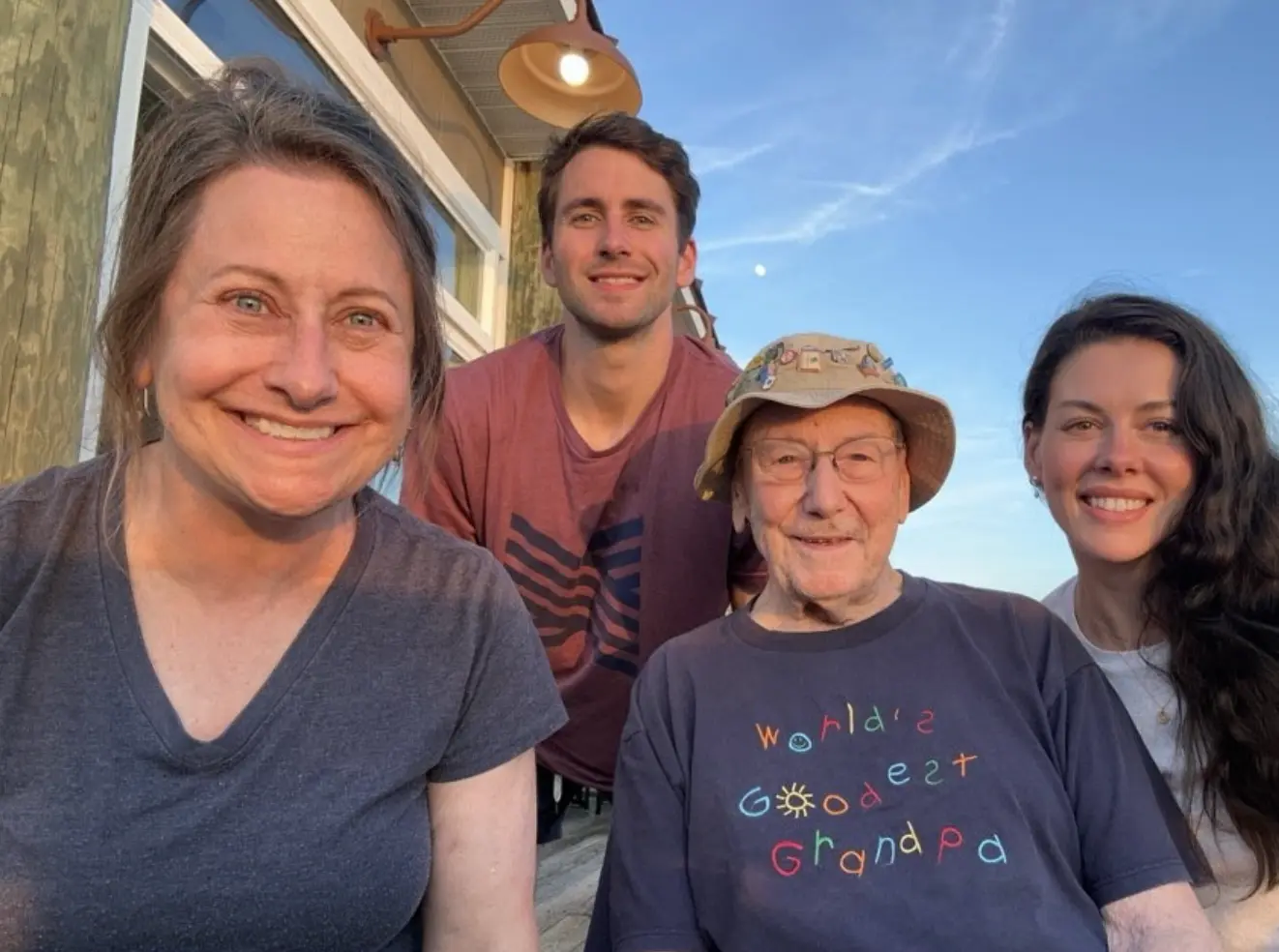
Alex Monahan’s journey toward philanthropy was not a sudden pivot but rather the culmination of a lifelong awareness of the devastation caused by cancer. Growing up in northern Virginia, Monahan witnessed the systemic impact of the disease on his own family. During his high school years, he faced the loss of his grandmother, an experience that provided his first glimpse into the emotional and physical toll of oncology care. Years later, his father also faced a cancer diagnosis, further cementing the disease’s presence as a recurring theme in his life. These experiences created a foundational empathy that would later guide his charitable endeavors.
Despite an early interest in medicine, Monahan’s aptitude for mathematics and computer science led him to Stanford University, where he immersed himself in the world of technology and entrepreneurship. It was here that he developed the skill set necessary to build OddsJam, a platform that revolutionized the way sports data is analyzed and utilized. Following the successful growth and subsequent sale of his startup, Monahan found himself at a crossroads. With the financial resources and the strategic mindset of a successful founder, he began to evaluate his long-term legacy, seeking a cause where his contributions could move the needle in a measurable way.
A Strategic Approach to Pediatric Oncology
For Monahan, the decision to focus on childhood cancer was driven by a realization of the unique challenges faced by the pediatric medical community. Unlike adult cancers, which often receive the lion’s share of federal funding and pharmaceutical investment, pediatric oncology is frequently underfunded. National statistics indicate that only about 4% of federal funding for cancer research is specifically directed toward childhood cancers. This disparity creates a "funding gap" that private donors and organizations like the Children’s Cancer Research Fund must fill.
Monahan’s entry into the world of CCRF began with a rigorous search for organizations that demonstrated both transparency and a clear path from research to clinical application. He describes himself as becoming an "instant supporter" upon discovering the organization’s mission. His philosophy is one of temporal urgency; he views current investments as the blueprints for future care. "We’re the people 20 years ago," Monahan noted during a recent discussion on his philanthropic goals. "What we invest in today will define what cancer care looks like for the next generation." This perspective aligns with the long-term nature of medical research, where a discovery in a lab today may take a decade or more to become a standard-of-care treatment.
The Role of Artificial Intelligence and Data in Research
As a technologist, Monahan is particularly attuned to the role of emerging tools in the laboratory. One of the primary pillars of his support is the integration of Artificial Intelligence (AI) and machine learning into the research process. In the modern era of oncology, researchers are no longer limited to manual observation; they are inundated with massive datasets involving genomic sequencing, protein folding, and drug-to-cell interactions.
Monahan believes that AI can serve as a force multiplier in several key areas:
- Speed of Discovery: AI algorithms can analyze thousands of chemical compounds in a fraction of the time it would take human researchers, identifying potential drug candidates for rare pediatric tumors.
- Precision Medicine: By utilizing data-driven tools, doctors can tailor treatments to the specific genetic makeup of a child’s tumor, increasing efficacy while reducing unnecessary interventions.
- Mitigating Side Effects: A major focus of Monahan’s interest is "survivorship." Many children who survive cancer face lifelong health challenges due to the toxicity of traditional chemotherapy and radiation. Advanced technology allows for the development of "smarter" drugs that target cancer cells specifically, sparing healthy tissue and improving the long-term quality of life for survivors.
Supporting Localized Innovation: The Brain Tumor Clinical Trial
One of the specific initiatives that Monahan has championed is the brain tumor clinical trial currently underway at Children’s Minnesota. Brain tumors remain one of the deadliest forms of childhood cancer, and the complexity of the blood-brain barrier makes drug delivery exceptionally difficult. CCRF’s support of these trials is critical, as they provide families with access to cutting-edge therapies that are not yet available through standard hospital protocols.
By funding these trials, Monahan is helping to facilitate a direct pipeline between high-level research and bedside care. This "bench-to-bedside" approach is essential for rare pediatric diseases where the patient population is small, making large-scale pharmaceutical trials less commercially attractive. For Monahan, the ability to understand the "why" and the "how" behind the science is what makes the investment worthwhile. While he admits he is not a scientist, his background in data allows him to appreciate the rigor and potential of the protocols being developed.
The Human Element: Resilience and Community Engagement
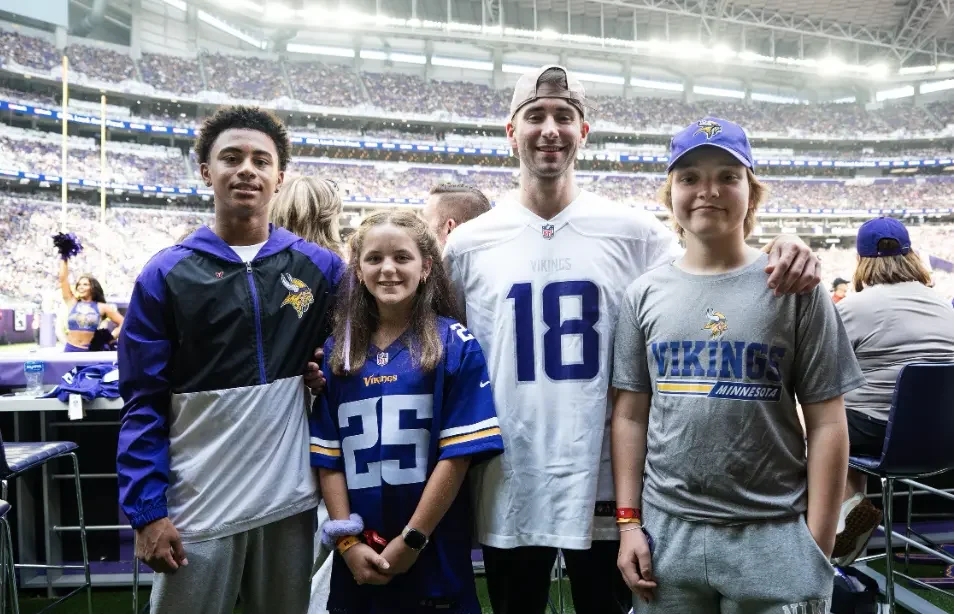
While much of Monahan’s focus is on the technical and financial aspects of research, he remains deeply connected to the human stories that define the cause. This was recently highlighted during an event at a Minnesota Vikings pre-season game, where Monahan spent time with families currently navigating the challenges of cancer treatment in the CCRF suite.
For Monahan, sports have always served as a vital escape during personal hardships. Seeing children who are undergoing grueling treatments find joy and excitement at a football game reinforced his commitment to the cause. He noted that the resilience of these families is a powerful reminder of the importance of stepping outside of one’s professional "bubble" to provide tangible help. This engagement serves as a bridge between the abstract world of venture philanthropy and the lived reality of the patients his donations support.
Strategic Philanthropy: Advice for the Next Generation
As a newcomer to the world of major charitable giving, Monahan has developed a pragmatic framework for philanthropy that he encourages other young professionals to adopt. He views money not as an end, but as a tool—one that requires careful management and strategic deployment to be effective.
His advice to prospective donors is centered on three core principles:
- Realistic Assessment: Donors should be honest about their resources and the specific impact they wish to have. Small, consistent contributions can be just as vital as large endowments if they are directed toward specific, high-need areas.
- Scientific Literacy: Monahan encourages donors not to be intimidated by the complexity of medical research. By taking the time to understand the science, donors can ensure their funds are supporting the most promising avenues of discovery.
- Early Engagement: He emphasizes the importance of starting now rather than waiting until the end of a career. The "compounding interest" of medical research means that a dollar invested today in a laboratory can yield exponential benefits for patients 10 or 20 years down the line.
Broader Impact and the Future of Pediatric Oncology
The involvement of figures like Alex Monahan signals a broader trend in the non-profit sector: the rise of "entrepreneurial philanthropy." This approach treats charitable giving with the same level of scrutiny and expectation of ROI (Return on Investment) as a business venture, though the "return" is measured in lives saved and years of life extended.
The implications for the Children’s Cancer Research Fund are significant. With the support of donors who value technological integration, the organization can continue to fund high-risk, high-reward research that traditional government grants might overlook. This includes the development of immunotherapies, the use of CRISPR for gene editing in oncology, and the expansion of national databases that allow researchers to share findings across institutional lines.
As Monahan continues his partnership with CCRF, his focus remains on the horizon. He is part of a movement that refuses to accept the status quo of pediatric survival rates, pushing instead for a future where a cancer diagnosis is no longer a life-defining tragedy for a child. Through a combination of personal passion, technological insight, and strategic giving, Monahan is helping to move the needle toward a new era of medicine—one where the tools of the digital age are finally brought to bear on the oldest and most complex of biological challenges.
In the final analysis, Alex Monahan’s story is a testament to the power of redirected purpose. By taking the lessons learned in the competitive world of Silicon Valley and applying them to the halls of pediatric research hospitals, he is providing a roadmap for how modern wealth can be used to solve the most pressing problems of the human condition. His work ensures that for the next generation of children, the fight against cancer will be fought with better tools, more resources, and a clearer path toward a cure.
