
 By George Ongkojoyo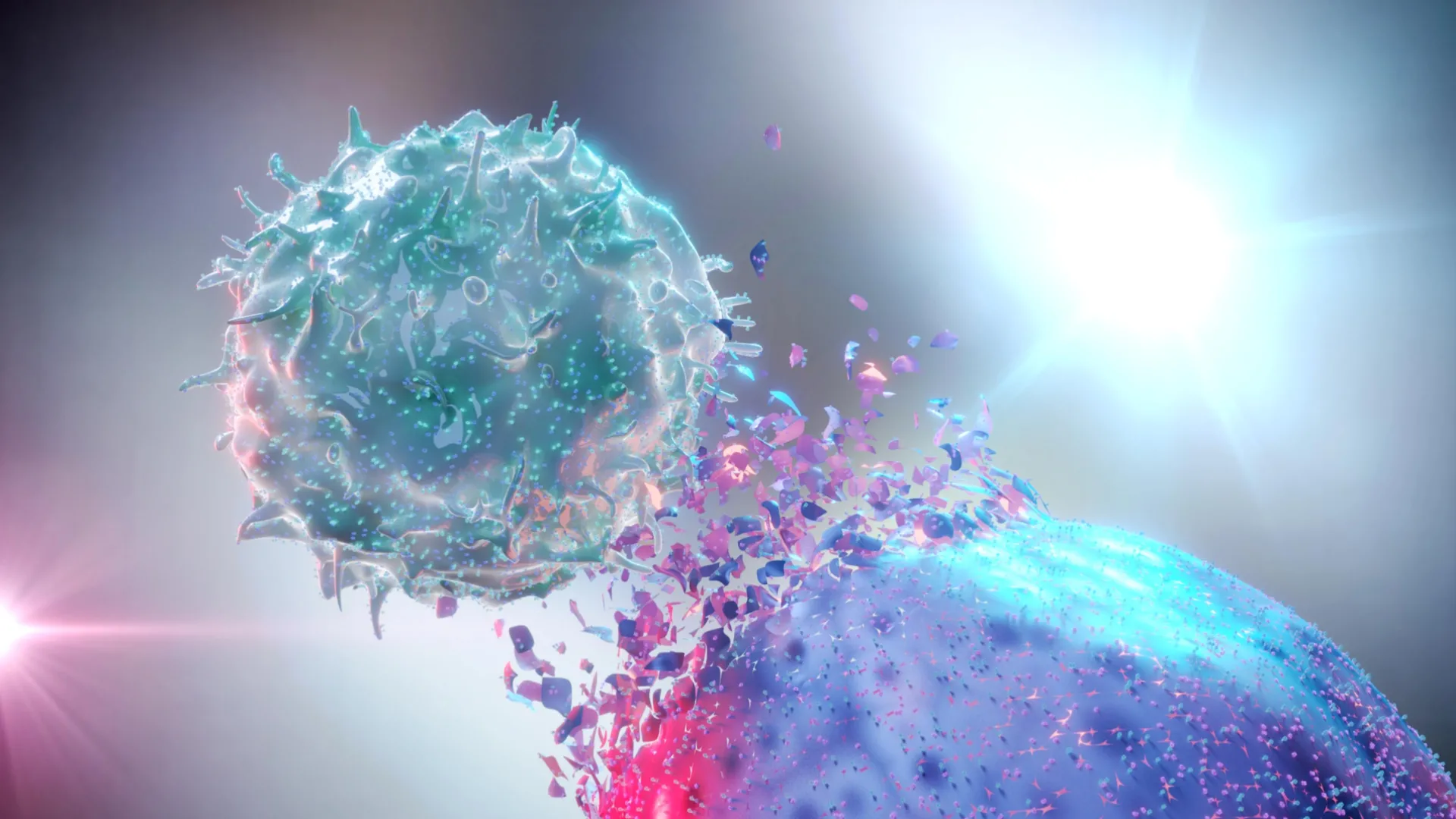
In a landmark study that bridges the gap between clinical observation and molecular biology, researchers at the Johns Hopkins Kimmel Cancer Center, the Bloomberg~Kimmel Institute for Cancer Immunotherapy, and the Netherlands Cancer Institute have identified a mechanism to overcome immunotherapy resistance in non-small cell lung cancer (NSCLC). By utilizing radiation therapy to "prime" the immune system, the investigators demonstrated that tumors previously indifferent to immune-based treatments can be rendered susceptible, leading to significantly improved clinical outcomes. The findings, published on July 22 in the journal Nature Cancer, provide a comprehensive molecular roadmap of how radiation therapy induces a systemic anti-tumor response, a phenomenon long sought after in the field of oncology.
The Challenge of Immunotherapy Resistance in Lung Cancer
Non-small cell lung cancer remains the leading cause of cancer-related mortality worldwide. While the advent of immune checkpoint inhibitors—specifically those targeting the PD-1/PD-L1 pathway—has revolutionized treatment, a significant majority of patients do not achieve a durable response. Many tumors are classified as immunologically "cold," meaning they lack the necessary immune cell infiltration or molecular signatures required for immunotherapy to be effective.
Common indicators of this resistance include a low tumor mutational burden (TMB), an absence of PD-L1 protein expression, or specific genetic alterations, such as mutations in the Wnt signaling pathway. For patients harboring these "cold" tumors, the standard of care often yields disappointing results, leading researchers to investigate "sensitizing" agents that can transform the tumor microenvironment from a state of immune evasion to one of active engagement.
The Abscopal Effect: A Biological Catalyst
The central hypothesis of the study rested on a rare but well-documented phenomenon known as the abscopal effect. Derived from the Latin "ab" (away from) and "scopus" (target), the term describes a situation where localized radiation therapy results in the shrinkage of tumors located far from the primary radiation site.
Mechanistically, radiation does more than simply destroy cancer cells through DNA damage. As tumor cells die, they rupture and release a variety of contents—including neoantigens (proteins unique to the tumor)—into the local microenvironment. This release acts as a biological "flare," alerting the immune system to the presence of the cancer. Once the immune system "learns" the molecular footprint of these neoantigens, it can mobilize T cells to seek out and destroy similar cancer cells throughout the body, even in distant, non-irradiated metastases.
Despite the promise of the abscopal effect, its occurrence in clinical practice has historically been unpredictable. The research led by Valsamo "Elsa" Anagnostou, M.D., Ph.D., and her team sought to decode the molecular triggers of this effect to determine if radiation could be used strategically to dismantle primary and acquired resistance to immunotherapy.
Study Design and Multiomic Methodology
To unravel the complexities of the immune response, the research team conducted a deep dive into the molecular biology of 72 patients with NSCLC. This effort was a result of an international collaboration with Willemijn Theelen and Paul Baas at the Netherlands Cancer Institute, who were conducting a phase II clinical trial focused on the efficacy of radiation therapy followed by the PD-1 inhibitor pembrolizumab.
The investigators analyzed a total of 293 blood and tumor samples. These samples were collected at baseline (before treatment) and again after three to six weeks of therapy. The study utilized a control group receiving immunotherapy alone and an experimental group receiving a combination of radiation followed by immunotherapy.
To capture a holistic view of the cellular changes, the team employed "multiomic" analyses. This approach integrates various high-dimensional data sets, including:
- Genomics: Identifying the specific mutations within the tumor DNA.
- Transcriptomics: Analyzing gene expression patterns to see which pathways were being activated or suppressed.
- Cell Assays: Directly observing the behavior and expansion of T cells.
By comparing samples from irradiated sites with those from distant, non-irradiated tumors, the researchers could pinpoint exactly how the systemic immune system was being reshaped.
Transitioning from "Cold" to "Warm" Tumors
The most striking finding of the study was the dramatic transformation of the tumor microenvironment in patients who received the combination therapy. In tumors that were initially immunologically "cold"—those with low mutation burdens or Wnt pathway mutations—the introduction of radiation acted as a catalyst.
Dr. Anagnostou described this process as the tumors "warming up." The multiomic data revealed that radiation therapy induced a prominent reshaping of the microenvironment in distant tumor sites. These previously dormant areas became inflamed and populated with a diverse array of immune cells. Specifically, the researchers observed a significant expansion of both new and pre-existing T cells.
Justin Huang, the study’s lead author and recipient of the 2025 Paul Ehrlich Research Award, emphasized that this bolstered systemic response is critical for patients who are unlikely to respond to immunotherapy alone. The data showed that the T cells in these "warmed-up" tumors were not merely present; they were functional. Through cell culture tests led by Kellie Smith, Ph.D., the team confirmed that the expanding T cell populations were specifically recognizing and attacking mutation-associated neoantigens derived from the patients’ own tumors.
Clinical Correlation and Survival Outcomes
The molecular findings were directly reflected in the clinical outcomes of the trial participants. By tracking the patients over time, the investigators found that those whose "cold" tumors underwent this radiation-induced "warming" experienced significantly better outcomes.
The combination of radiation and pembrolizumab led to improved clinical responses and extended survival compared to the group receiving immunotherapy alone. This was particularly evident in patients whose tumors possessed molecular features typically associated with immunotherapy resistance.
"It was truly making everything come full circle," noted Dr. Anagnostou. "We not only captured the abscopal effect, but we linked the immune response with clinical outcomes in tumors where one would not expect to see immunotherapy responses."
Chronology of Research and Future Directions
The study represents a multi-year effort that has already begun to spawn further investigations. Following the publication of the Nature Cancer paper, the team has continued to build on their findings.
- April 2024: The team presented related research at the annual meeting of the American Association for Cancer Research (AACR) in Chicago. This work focused on using circulating tumor DNA (ctDNA) in the blood to monitor how the body responds to immunotherapy in real-time.
- July 2024: The comprehensive multiomic study was published, providing the scientific community with a detailed look at the radiation-immunotherapy synergy.
- Looking Ahead to 2025: Lead author Justin Huang will be formally recognized with the Paul Ehrlich Research Award for these discoveries.
The team’s current work involves refining the use of ctDNA as a non-invasive "liquid biopsy" to predict which patients will benefit from the combination therapy. By detecting shifts in tumor DNA in the bloodstream, clinicians may eventually be able to adjust treatment protocols mid-course to optimize patient survival.
Implications for the Future of Oncology
The implications of this research extend beyond non-small cell lung cancer. The ability to use radiation as a tool to overcome primary resistance suggests a potential paradigm shift in how "cold" tumors are treated across various cancer types. If radiation can consistently prime the immune system to recognize neoantigens, it could become a standard preparatory step for immunotherapy in patients with low tumor mutational burdens.
Furthermore, the study suggests that radiation might also play a role in addressing "acquired resistance"—a common challenge where a patient initially responds to immunotherapy but eventually relapses. By re-priming the immune system with localized radiation, clinicians might be able to re-sensitize the body to subsequent rounds of immune-based drugs.
The success of this study also underscores the necessity of international and interdisciplinary collaboration. By combining the clinical trial expertise of the Netherlands Cancer Institute with the advanced molecular analytics of Johns Hopkins, the researchers were able to produce a level of detail that would have been impossible in isolation.
Conclusion
The research conducted by the Johns Hopkins and Netherlands teams provides a compelling scientific basis for the strategic use of radiation therapy in tandem with immunotherapy. By demonstrating that radiation can fundamentally alter the molecular landscape of distant tumors, the study offers new hope for patients with resistant forms of lung cancer. As the medical community moves toward a more personalized, "precision oncology" approach, these findings provide the necessary evidence to begin integrating radiation not just as a local treatment, but as a systemic immune-modulating force.
The work was supported by the National Institutes of Health and the Bloomberg~Kimmel Institute for Cancer Immunotherapy, marking a significant step forward in the global effort to turn "cold" tumors "hot" and improve the long-term survival of cancer patients worldwide.
