
 By admin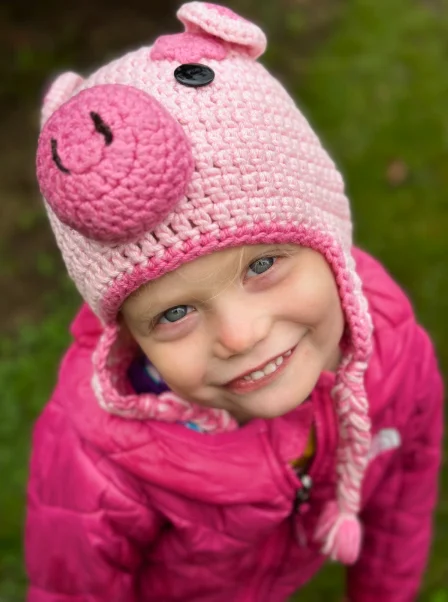
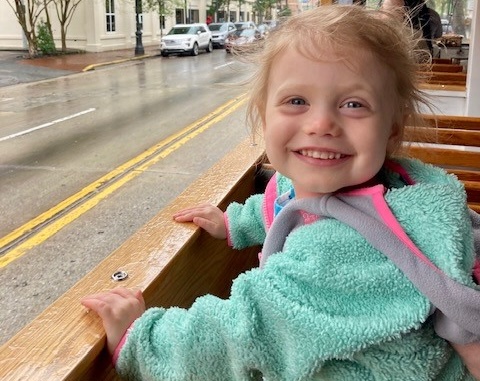
The sight of seven-year-old Ella skipping toward her mother’s car after dance class, her face lit with the exertion of practice and the joy of shared jokes with friends, is a scene of ordinary childhood that, for the Siders family, represents a hard-won victory against impossible odds. Ella is a survivor of M7-AML, a rare and exceptionally aggressive subtype of acute myeloid leukemia that historically carries a prognosis so grim that many clinicians once considered it nearly untreatable in its relapsed form. For Christina, Ella’s mother, the simple act of picking her daughter up from an afternoon activity is a daily reminder of a medical miracle facilitated not just by biological resilience, but by a decades-long effort to bridge the gap between laboratory discovery and clinical application.
The reality of pediatric cancer research is often a race against time, hampered by systemic financial barriers and the inherent rarities of specific genetic mutations. Ella’s journey from a life-threatening diagnosis to the soccer field and the classroom serves as a landmark case study in how targeted, donor-funded research can circumvent traditional pharmaceutical pipelines to deliver life-saving therapies to the children who need them most. As Ella continues to hit developmental milestones—starting kindergarten, learning to read, and mastering the coordination of youth sports—her story has become the catalyst for a broader movement: the establishment of the Pediatric AML Collaborative.
Understanding the Stakes The Challenge of M7-AML
Acute myeloid leukemia (AML) represents approximately 20 percent of all childhood leukemia cases, yet it remains significantly more difficult to treat than the more common acute lymphoblastic leukemia (ALL). Within the spectrum of AML, the M7 subtype—formally known as acute megakaryoblastic leukemia—is particularly formidable. It involves the malignant transformation of megakaryoblasts, the precursor cells to platelets, and is often associated with specific chromosomal translocations that render standard chemotherapy less effective.
For children like Ella, the standard of care has long relied on high-dose, non-specific chemotherapy and bone marrow transplants. While these treatments can induce remission, they often come with a heavy toll of short-term toxicity and long-term "late effects," including cardiac issues, secondary cancers, and cognitive impairments. Furthermore, for those whose cancer returns, the survival statistics drop precipitously. When Ella was diagnosed, the statistical likelihood of her reaching her third birthday was marginal. Her survival was not merely a matter of following established protocols; it required the existence of a "Plan B" that was still being written in a laboratory thousands of miles away.
A Decades-Long Mission The Work of Dr. Soheil Meshinchi
The bridge between Ella’s diagnosis and her current health was built by Dr. Soheil Meshinchi at the Fred Hutchinson Cancer Center in Seattle. Long before Ella was born, Dr. Meshinchi had identified a critical flaw in the way pediatric AML was being treated. Because the disease is relatively rare compared to adult cancers, the pharmaceutical industry often lacks the financial incentive to develop drugs specifically for pediatric subtypes. Consequently, many children were being treated with "hand-me-down" therapies designed for adults, which failed to account for the unique genetic drivers of childhood leukemia.
Dr. Meshinchi’s research focused on identifying specific targets on the surface of AML cells that were unique to the pediatric population. His goal was to develop a "one-and-done" treatment—a revolutionary form of immunotherapy designed to prime the child’s own immune system to recognize and destroy cancer cells with surgical precision. Unlike traditional chemotherapy, which attacks all rapidly dividing cells in the body, this targeted approach aimed to minimize damage to healthy tissue, offering a more effective and significantly less toxic alternative.
However, the transition from a successful laboratory concept to a regulated clinical trial is often referred to in the medical community as the "Valley of Death." This phase requires millions of dollars in funding for manufacturing, regulatory compliance, and staffing—costs that are rarely covered by government grants alone and are often ignored by private industry due to the small patient population.
The Financial Hurdle and the Role of Philanthropy
The economic reality of rare disease research is a primary obstacle to medical progress. As Dr. Meshinchi noted, the number of patients diagnosed with specific subtypes like M7-AML each year is small enough that drug companies often see no path to profitability. "The biggest hurdle to this work is financial," Dr. Meshinchi stated. "Since the number of patients seen in a year is so small, there’s no interest from drug companies to support this."
This is where the intervention of the Children’s Cancer Research Fund (CCRF) and the Siders family became pivotal. Recognizing that their daughter’s life might depend on Dr. Meshinchi’s research moving forward, Ella’s parents spearheaded a massive fundraising effort. In partnership with CCRF, they raised over $1.3 million to provide the "seed money" necessary to launch a clinical trial.
The role of CCRF extended beyond simple check-cutting. The organization provided the institutional infrastructure necessary to sustain a long-term research project. They coordinated a network of committed donors, managed fundraising across multiple foundations, and acted as a liaison between the scientific community and the public. This support allowed the research to bypass the traditional delays associated with grant cycles and corporate bureaucracy. By April 2025, the trial reached a historic milestone: the enrollment of its first pediatric patient.
The Pediatric AML Collaborative A New Model for Research
The success of Dr. Meshinchi’s work and the survival of children like Ella highlighted a broader systemic need. While individual success stories are inspiring, the process of funding and executing pediatric cancer research remained too fragmented and too dependent on the heroic efforts of individual families. In response, CCRF has launched the Pediatric AML Collaborative.

This national collaboration is designed to fundamentally change the landscape of childhood leukemia research by uniting families, clinicians, researchers, and foundations under a single strategic umbrella. The Collaborative aims to address several key pain points in the current system:
1. Data Integration and Sharing
Historically, data on rare AML subtypes has been scattered across various pediatric hospitals and research institutions. The Collaborative seeks to centralize this data, allowing researchers to identify patterns and genetic markers more quickly. By pooling resources and information, the scientific community can move toward "precision medicine" at an accelerated pace.
2. Sustainable and Strategic Funding
Rather than relying on sporadic donation drives, the Collaborative aims to create a consistent pipeline of funding. This ensures that promising research does not "peter out" due to a temporary lack of capital. It allows scientists like Dr. Meshinchi to focus on the science rather than the constant pressure of grant writing and fundraising.
3. Streamlining Clinical Trials
By creating a network of participating hospitals, the Collaborative can ensure that clinical trials are accessible to children regardless of their geographic location. This increases the speed of enrollment, which in turn accelerates the process of FDA approval for new therapies.
4. Reducing the Burden on Families
The current model often forces parents to act as part-time fundraisers and advocates while simultaneously caring for a critically ill child. The Collaborative aims to shoulder the logistical and financial burden, allowing parents to focus on their child’s recovery while knowing that the best scientific minds are being adequately supported.
Broader Implications and the Future of Pediatric Oncology
The implications of the Pediatric AML Collaborative extend beyond the treatment of leukemia. It represents a shift in the philosophy of medical research—from a competitive, siloed model to a collaborative, mission-driven one. Dr. Meshinchi has described the current progress as being "as close to a Holy Grail of cancer therapy as I think we’ve ever come."

This "Holy Grail" is the move toward immunotherapy and targeted genetic treatments that offer the hope of a cure without the devastating side effects of 20th-century medicine. For the broader medical community, the success of this model suggests that philanthropy and targeted collaboration can effectively fill the gaps left by the commercial pharmaceutical market. It provides a blueprint for how other rare diseases—both within and outside the realm of oncology—might be tackled in the future.
For Ella, the success of this research means she can continue to be a seven-year-old. She is no longer a statistic or a patient defined by a "rare and aggressive subtype." She is a student, a dancer, and a soccer player. Her life is a testament to the fact that when scientific talent is met with consistent, dedicated funding and a collaborative infrastructure, the "impossible" becomes achievable.
As the Pediatric AML Collaborative continues to expand, its founders and supporters remain focused on the ultimate goal: a world where no parent has to hear that their child’s cancer is too rare to be cured. The work being done today in labs like Dr. Meshinchi’s, supported by the vision of organizations like CCRF, is ensuring that for the next generation of children diagnosed with AML, the odds will no longer be stacked against them. They will, like Ella, have the opportunity to grow up, skip to the car, and dream of a future that was once nearly stolen from them.
