
 By admin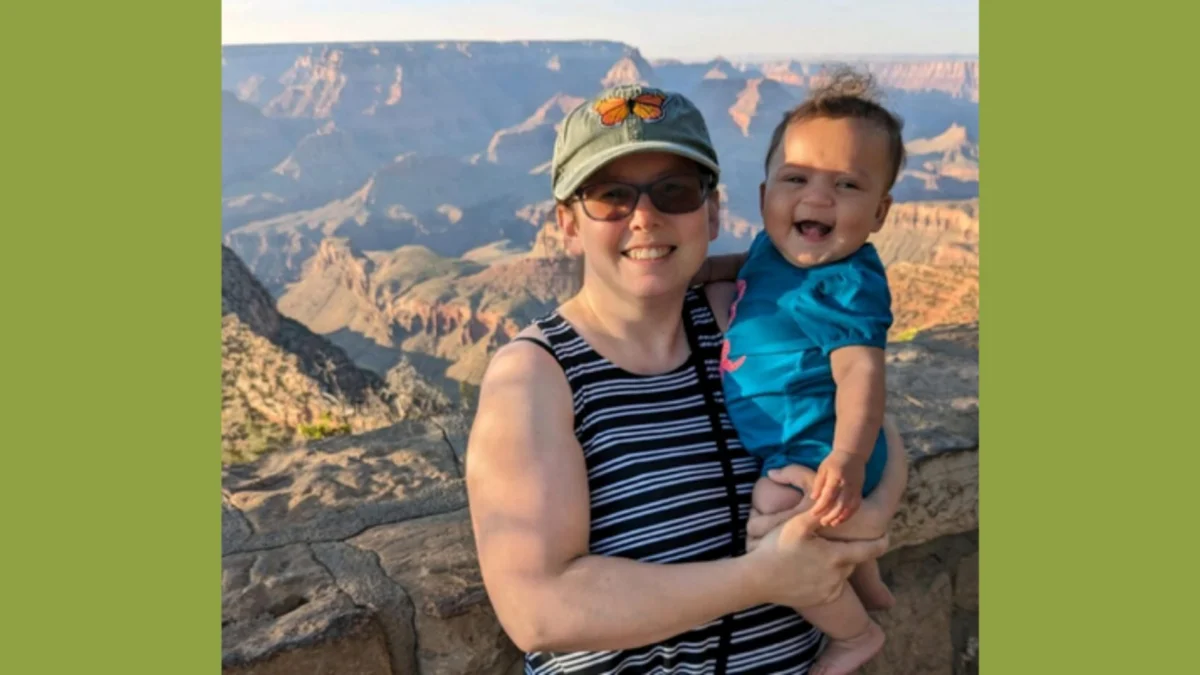
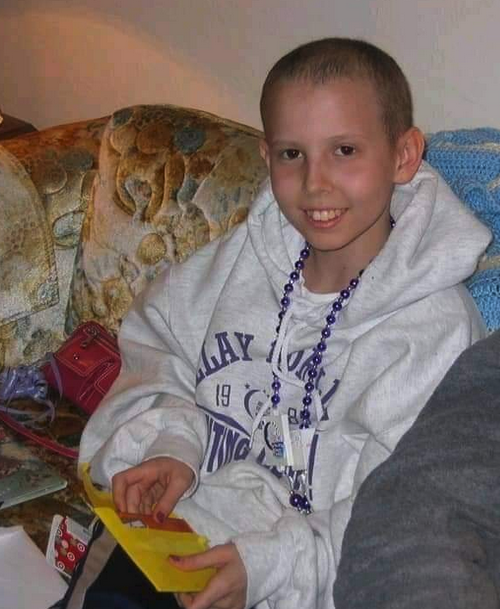
In the autumn of her eighth-grade year, 13-year-old Liz believed the persistent ache in her right leg was a routine consequence of a demanding volleyball season. Like many young athletes, she utilized standard recovery protocols: icing the limb, elevating it after games, and attempting to maintain her performance through the final matches of the year. However, when the discomfort failed to subside following the conclusion of the season, her parents, Greg and his wife, sought further medical consultation. What initially appeared to be a sports-related strain soon escalated into a medical crisis when a pediatrician ordered an Magnetic Resonance Imaging (MRI) scan.
The imaging results revealed a significant mass situated just below the growth plate of Liz’s right knee. On the day following Thanksgiving—a period typically reserved for family celebration—Liz underwent a diagnostic biopsy. The subsequent confirmation of osteosarcoma, a malignant bone cancer, transformed the family’s reality instantaneously. For Liz, the memory of waking up from the procedure is defined by the visceral emotional reaction of those around her, describing the atmosphere as "everyone’s worst nightmare." Her father, Greg, recalls the period as a blur of terror, noting that the word "cancer" was introduced into their vocabulary even before the specific pathology was fully understood. This diagnosis marked the beginning of a two-decade journey through the complexities of the American pediatric oncology system.
Clinical Background: Understanding Osteosarcoma in Adolescents
Osteosarcoma is the most common type of bone cancer in children and adolescents, though it remains a rare disease in the broader context of oncology. According to data from the American Cancer Society, approximately 800 to 900 new cases of osteosarcoma are diagnosed in the United States each year, with about half of these occurring in children and teens. The disease typically emerges during the "growth spurts" associated with puberty, frequently manifesting in the long bones of the arms and legs, particularly near the knee.
Medical experts note that the symptoms of osteosarcoma—swelling and localized bone pain—often mimic common orthopedic injuries or "growing pains," which can lead to delays in diagnosis. In Liz’s case, the transition from an athletic injury to a life-threatening diagnosis follows a common clinical pattern where the underlying malignancy is only identified when standard recovery measures fail.
The treatment for osteosarcoma has historically been aggressive. By December of her diagnosis year, Liz began a rigorous regimen that included multiple rounds of high-dose chemotherapy designed to shrink the primary tumor and eliminate any micrometastases. This was followed by a grueling eight-hour reconstructive surgery on her knee to remove the cancerous bone and salvage the limb. Following a brief recovery period, Liz returned to a protocol of maintenance chemotherapy that lasted nearly a year, concluding on October 30, the day before Halloween.
The Immediate Challenges of Post-Treatment Recovery
The conclusion of active chemotherapy is often viewed as the end of the battle, but for pediatric survivors, it is frequently the beginning of a new phase of physical and psychological adjustment. Liz’s experience illustrates the fragility of the body following systemic toxicity. Months after finishing her treatment, the long-term impact of chemotherapy on her bone density became catastrophically apparent. A simple fall resulted in Liz breaking both of her legs, necessitating further surgical intervention and an extended period of immobilization.
The transition back to a "normal" social and educational life presented its own set of hurdles. Returning to school in a wheelchair, Liz navigated the social dynamics of eighth grade with a sense of humor that would become a hallmark of her resilience. She recalls her classmates vying for the opportunity to push her wheelchair—not solely out of altruism, but because it provided a sanctioned excuse to leave class early. While these moments provided levity, they underscored the stark difference between Liz’s adolescent experience and that of her peers.
The Stagnation of Pediatric Oncology Research and Funding
One of the most poignant aspects of Liz’s story is the critique of the research landscape offered by her father, Greg. He points out a sobering reality in the field of pediatric oncology: the treatment Liz received twenty years ago was already three decades old at the time of her administration. This lack of innovation is a systemic issue within the pharmaceutical and research sectors.
Clinical data suggests that while pediatric cancer survival rates have improved significantly since the 1970s, much of that progress has plateaued for high-risk and rare cancers like osteosarcoma. According to the National Cancer Institute (NCI), only about 4% of federal funding for cancer research is specifically dedicated to childhood cancers. Because pediatric cancers are considered "orphan diseases" due to their relatively low incidence compared to adult cancers, private pharmaceutical companies often lack the financial incentive to invest the hundreds of millions of dollars required to develop and test new pediatric-specific drugs.
"For rare cancers like hers, research is often underfunded," Greg stated, emphasizing that the reliance on decades-old protocols often leaves survivors with significant "late effects"—chronic health problems that emerge years after treatment has ended. The advocacy for increased funding is not merely about survival, but about developing "safer" treatments that minimize the collateral damage to a child’s developing body.
Navigating the Long-Term Effects of Survivorship
Nearly 20 years after her final round of chemotherapy, Liz continues to manage the physiological legacy of her cancer treatment. Modern oncology recognizes these as "late effects," which can include cardiovascular issues, secondary malignancies, and organ dysfunction. For Liz, the primary late effects include significant hearing loss—a common side effect of cisplatin, a standard chemotherapy drug for osteosarcoma—and limited mobility in her right knee.
Medical professionals anticipate that Liz will eventually require a full knee replacement, as the reconstructive work performed during her adolescence reaches the end of its functional lifespan. These ongoing medical requirements highlight the fact that for many pediatric cancer patients, "remission" does not mean a return to their pre-cancerous state of health. It is a lifelong management of a modified body.
From Patient to Practitioner: A Career Inspired by Trauma
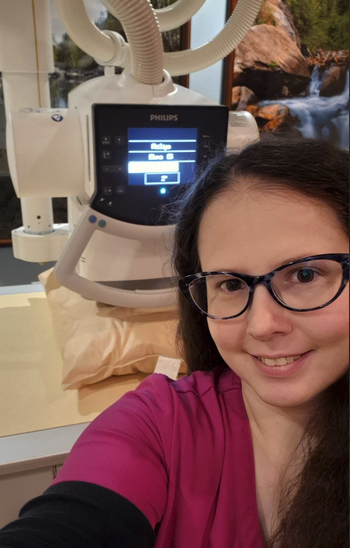
In a move that reflects a common phenomenon among childhood cancer survivors, Liz chose to enter the healthcare field. Today, she works as a radiologic technologist, the very profession responsible for the imaging scans that first identified her tumor and monitored her progress for years.
This career path represents a "full-circle" moment, allowing Liz to utilize her personal history to provide empathetic care to patients undergoing their own diagnostic journeys. Her intimate familiarity with the cold rooms, the hum of the MRI machines, and the anxiety of waiting for results allows her to bridge the gap between clinical technician and compassionate provider. Her professional life serves as a testament to the possibility of reclaiming a narrative of illness and turning it into a vocation of service.
The Milestone of Motherhood
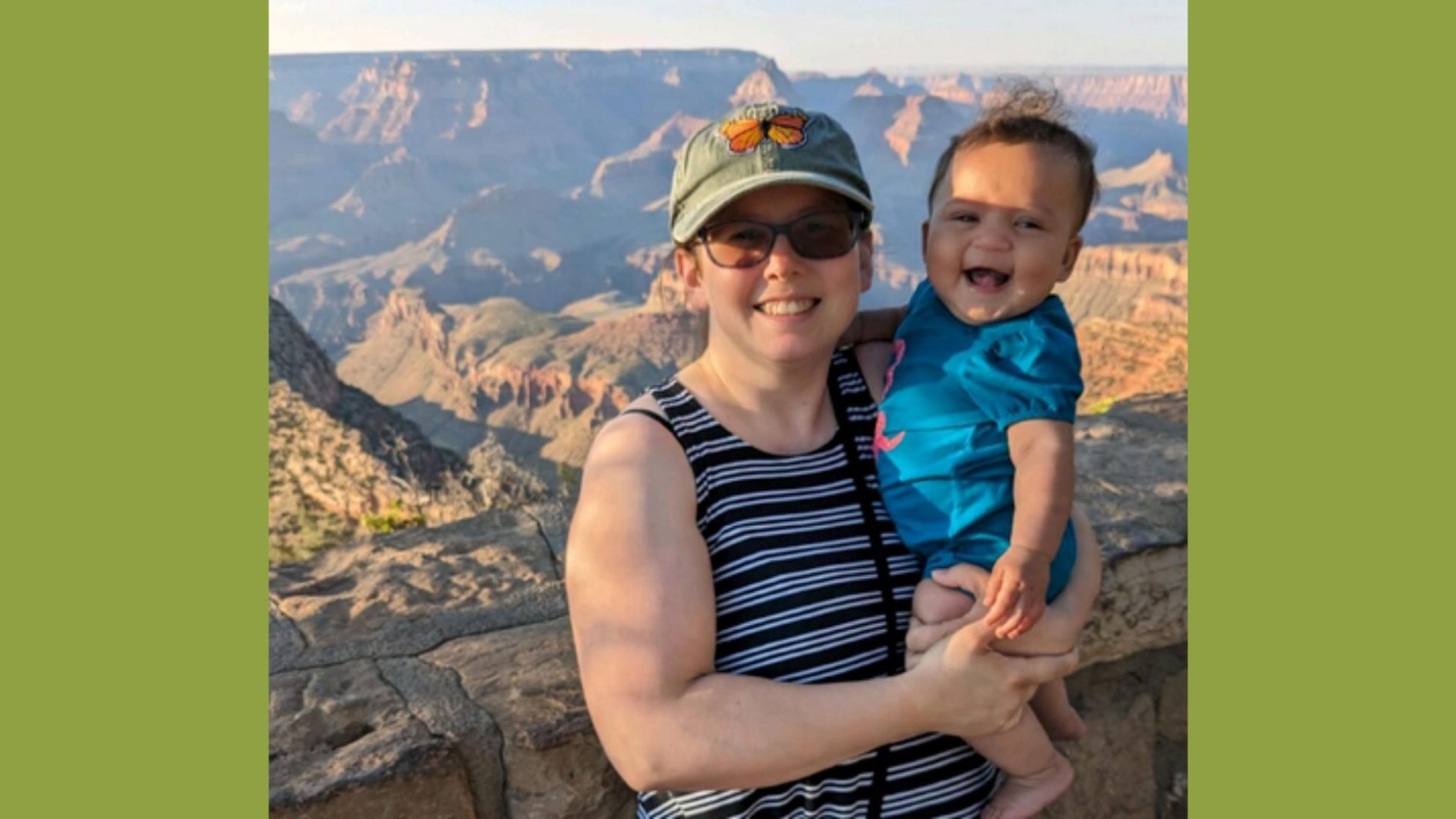
Perhaps the most significant milestone in Liz’s adult life was one that was never guaranteed: becoming a mother. Many chemotherapy regimens used to treat bone cancer carry the risk of infertility. For Liz and her family, the birth of her daughter, Isabelle, now three years old, was a triumph over the statistical odds.
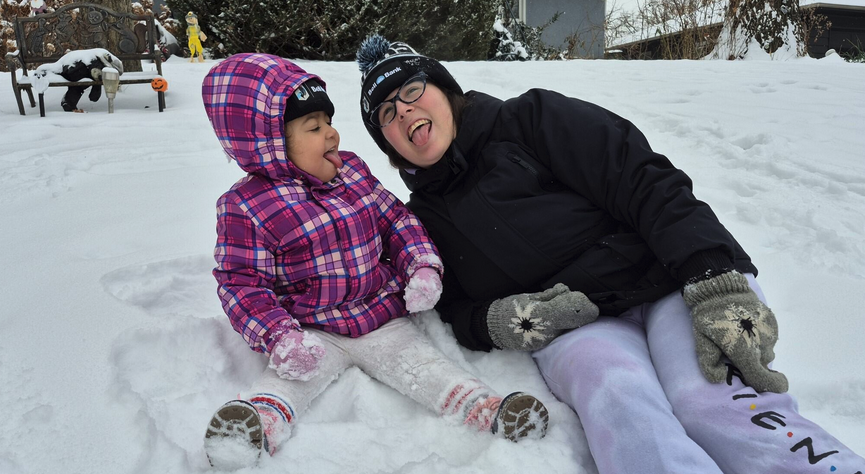
However, motherhood has also brought the physical limitations of her survivorship into sharper focus. While Isabelle is an active, "sassy," and energetic toddler who enjoys the park, music, and dancing, Liz must navigate the physical reality of her restricted mobility. "I tell her sometimes, ‘Mommy can’t do that,’" Liz explained. The inability to run after a sprinting toddler or to crawl comfortably on the floor to play are daily reminders of the bone she lost at age 13.
To manage these challenges, Liz relies on a robust support system, living with her mother and stepfather, who assist in ensuring Isabelle receives the high-energy playtime she requires. For Greg, watching his daughter raise a child of her own is a profound experience. "For so many years we didn’t know if that would be possible," he remarked, reflecting on the uncertainty that clouded their lives during the treatment years.
Conclusion: A Call for Hope and Continued Investment
The story of Liz Kaiser is a microcosm of the broader challenges facing the pediatric cancer community. It is a narrative defined by the tension between the success of surviving a once-fatal diagnosis and the enduring burden of the treatment required to achieve that survival.
As Liz and Greg look toward the future, their message remains one of dual focus: the necessity of hope and the urgency of progress. Liz’s advice to others facing similar battles is to remain undeterred by the difficulty of the path. "Don’t avoid trying something because you think it might be difficult," she urges. Meanwhile, Greg’s advocacy centers on the belief that every dollar raised for research is a step toward a future where the next generation of children diagnosed with osteosarcoma will have access to treatments that are not only effective but also less damaging.
The implications of Liz’s journey suggest that while the medical community has become adept at saving lives, the next frontier in pediatric oncology must be the preservation of the quality of those lives. Through continued research, increased federal and private funding, and a focus on long-term survivorship care, the hope is that more children will not only survive their diagnosis but thrive into a healthy, unimpeded adulthood. For now, Liz continues to serve as an inspiration, balancing her roles as a medical professional, a daughter, and a mother, proving that there is indeed life—vibrant and full—after the "worst nightmare" of a cancer diagnosis.
