
 By admin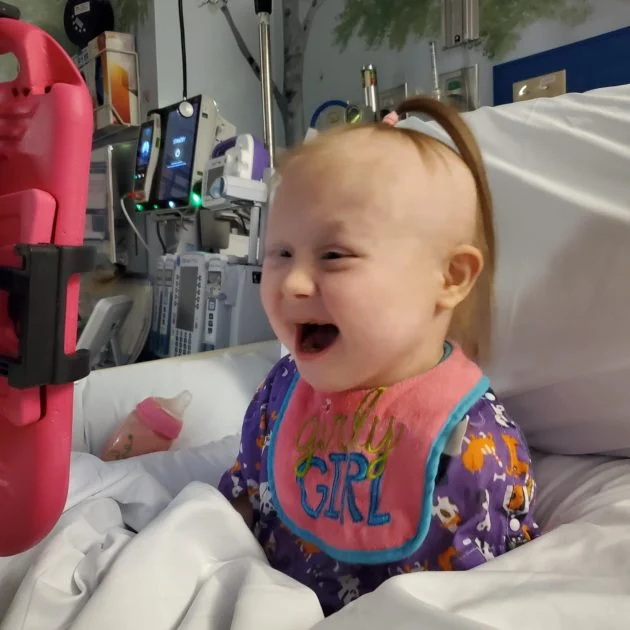
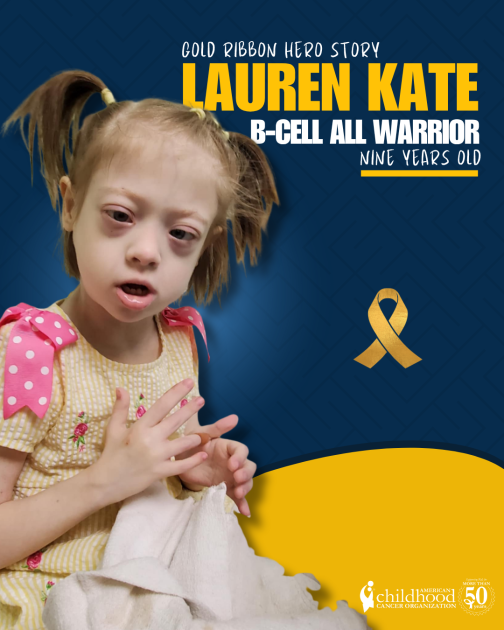
The medical community and the Knoxville region are rallying behind Lauren Kate, a nine-year-old girl who was recently diagnosed with B-Cell Acute Lymphoblastic Leukemia (ALL). Lauren, who was born with Down syndrome, has entered a rigorous treatment phase following a series of clinical observations that culminated in a definitive diagnosis on September 23, 2025. Her case highlights the intersection of congenital genetic conditions and pediatric oncology, as well as the critical role of specialized pediatric healthcare facilities in managing complex hematological malignancies.
The Diagnostic Timeline: From Initial Symptoms to Clinical Confirmation
The path to Lauren’s diagnosis began when her family observed subtle but persistent changes in her physical health and behavior. Known for her inherent strength and vibrant personality, Lauren began exhibiting signs of lethargy and a noticeable decrease in her usual activity levels. These symptoms were accompanied by the appearance of significant lymphadenopathy—large, palpable bumps under her neck. Recognizing that these signs were atypical, her mother sought an urgent consultation with their primary care physician.
During the initial examination, clinicians noted the severity of the swelling and the patient’s systemic fatigue. Immediate blood work was ordered, which revealed highly irregular white blood cell counts, a hallmark indicator of potential hematologic distress. Given the critical nature of the laboratory findings, Lauren was referred immediately to East Tennessee Children’s Hospital for emergency evaluation and specialized testing.
The transition from a routine primary care visit to an emergency hospital admission was rapid, occurring within a single day. At East Tennessee Children’s Hospital, a multidisciplinary team of pediatric oncologists and hematologists performed a series of diagnostic tests, including peripheral blood smears and imaging. The suspense ended on September 23, 2025, when the medical team confirmed a diagnosis of B-Cell Acute Lymphoblastic Leukemia. The news was met with a mixture of shock and disbelief by the family, yet it simultaneously initiated a structured and aggressive clinical response designed to stabilize and treat the young patient.
Clinical Profile: Understanding B-Cell Acute Lymphoblastic Leukemia
B-Cell Acute Lymphoblastic Leukemia (ALL) is a type of cancer of the blood and bone marrow. It is characterized by the overproduction of immature white blood cells, specifically lymphoblasts, which develop from B-lymphocytes. These cells are essential components of the immune system, responsible for producing antibodies to fight infections. In a patient with ALL, these abnormal cells multiply rapidly and crowd out healthy red blood cells, white blood cells, and platelets.
According to the American Cancer Society, ALL is the most common type of cancer in children, accounting for approximately half of all leukemia cases in the pediatric demographic. The "acute" designation indicates that the disease progresses rapidly and requires immediate intervention. Without treatment, the proliferation of leukemic cells can lead to severe anemia, increased susceptibility to life-threatening infections, and easy bruising or bleeding.
The B-cell subtype is the most frequent form of ALL. Advances in pediatric oncology over the last four decades have significantly improved the prognosis for children diagnosed with this condition. Current five-year survival rates for pediatric ALL patients now exceed 90% in many specialized centers, though the treatment journey remains one of the most intensive in modern medicine.
The Genetic Link: Trisomy 21 and Increased Leukemia Predisposition
Lauren’s medical history is further complicated by Down syndrome, a genetic disorder caused by the presence of all or part of a third copy of chromosome 21. Research has long established a statistically significant link between Trisomy 21 and an increased risk of developing pediatric leukemia. Children with Down syndrome are estimated to have a 10-fold to 20-fold increased risk of developing Acute Lymphoblastic Leukemia compared to their neurotypical peers.
The biological basis for this increased risk is rooted in the genetic instability associated with an extra chromosome. Specific genes located on chromosome 21, such as DYRK1A and CHAF1B, are thought to play a role in the dysregulation of blood cell production. Furthermore, children with Down syndrome often exhibit different responses to chemotherapy than other patients. While they are sometimes more sensitive to the toxic effects of certain drugs—requiring careful dose monitoring—they often show excellent clinical responses to treatment regimens for B-Cell ALL.
Lauren’s diagnosis brings these scientific realities to the forefront, necessitating a personalized treatment plan that accounts for her unique physiological profile. The medical team at East Tennessee Children’s Hospital is tasked with balancing the aggressive eradication of leukemic cells with the supportive care required to manage the potential side effects of therapy.
Therapeutic Interventions: Chemotherapy, Port Placement, and Lumbar Punctures
Following the diagnosis, Lauren’s clinical team moved swiftly into the "Induction" phase of treatment. This initial stage is designed to achieve complete remission by eliminating the bulk of the leukemia cells from the blood and bone marrow. To facilitate the frequent administration of intravenous medications and the drawing of blood samples, Lauren underwent a surgical procedure for a port insertion. A port-a-cath is a small device implanted under the skin, usually on the chest, which allows direct access to a large vein, minimizing the need for repeated needle sticks in the arms.
Lauren’s treatment protocol has also included several lumbar punctures, often referred to as spinal taps. These procedures are vital in pediatric ALL management for two reasons: to check for the presence of leukemia cells in the cerebrospinal fluid (CSF) and to administer "intrathecal" chemotherapy directly into the spinal canal. Because the blood-brain barrier often prevents systemic chemotherapy from reaching the central nervous system, intrathecal treatments are necessary to prevent the cancer from sequestering in the brain or spinal cord.
In addition to these procedures, Lauren has undergone bone marrow aspirations and biopsies. These involve the removal of a small amount of bone marrow fluid and tissue, typically from the hip bone, to monitor how the disease is responding to the chemotherapy. Each of these procedures requires significant courage and physical endurance, particularly for a child of nine.
The Role of Regional Pediatric Centers: East Tennessee Children’s Hospital
The care Lauren is receiving highlights the importance of regional pediatric specialty centers. East Tennessee Children’s Hospital (ETCH) serves as a critical resource for families in the Knoxville area and beyond. As a dedicated pediatric facility, it provides an environment tailored to the emotional and developmental needs of children, which is distinct from adult oncology wards.
Specialized pediatric oncology units integrate various disciplines, including pediatric nursing, child life specialists, social workers, and nutritionists. For a patient like Lauren, the presence of child life specialists is particularly important. These professionals use play and age-appropriate communication to help children understand their procedures, thereby reducing the trauma associated with long-term hospitalization and invasive medical interventions.
The hospital’s role extends beyond the clinical. It serves as a hub for the family, providing a structured environment where Lauren can receive the highest standard of care while remaining close to her support network. The transition from home to hospital is often jarring, but the specialized infrastructure of ETCH aims to mitigate the disruption to the child’s life as much as possible.
Psychosocial Dynamics and Patient Quality of Life
Despite the rigors of chemotherapy and the physical toll of frequent hospital stays, Lauren’s family and medical team emphasize the importance of maintaining her spirit and quality of life. Outside of her identity as a "warrior" against cancer, Lauren is a child with specific interests and a deep bond with her family.
Her affinity for the television program Bubble Guppies provides a vital source of entertainment and normalcy during long hours in the hospital. Furthermore, her relationship with her sister, Emma, remains a cornerstone of her emotional well-being. The involvement of siblings is a critical component of pediatric oncology; the "normalcy" of sibling interaction helps the patient maintain a sense of self that is not defined solely by their illness.
The psychological impact of a cancer diagnosis on a family is profound. Parents often experience high levels of stress, anxiety, and "caregiver burnout." The resilience shown by Lauren’s family in rallying around her is a testament to the strength required to navigate the complexities of the healthcare system while managing the emotional weight of a life-threatening diagnosis.
Broader Implications and the Path Forward
Lauren Kate’s journey is emblematic of thousands of children who face a cancer diagnosis every year. While the medical advancements in treating B-Cell ALL are a success story of modern medicine, the journey is far from easy. The treatment for ALL is one of the longest in pediatric oncology, typically lasting between two and three years. This includes an intensive initial phase followed by a long "maintenance" phase to ensure that no residual leukemic cells remain.
The economic and social implications for families are also significant. The cost of cancer care, combined with the potential loss of income as parents take time off to manage treatments, creates a substantial burden. Organizations like the American Childhood Cancer Organization (ACCO) play a vital role in providing resources, advocacy, and support for families in these positions.
As Lauren continues her fight, her story serves as a reminder of the need for continued research into pediatric cancers, particularly for those with co-occurring conditions like Down syndrome. Each case provides clinical data that can help refine treatment protocols, reduce toxicity, and improve long-term outcomes for future patients.
The collective hope of the Knoxville community and the medical professionals at East Tennessee Children’s Hospital is that Lauren Kate will successfully complete her treatment and return to a life defined not by medical procedures, but by the joys of childhood, her favorite shows, and the company of her sister. Her journey is a testament to the fact that while a diagnosis of leukemia is a life-altering event, the combination of advanced medical science, dedicated regional healthcare, and unwavering family support provides a powerful path toward recovery.
