
 By Budi Oetomo Narendra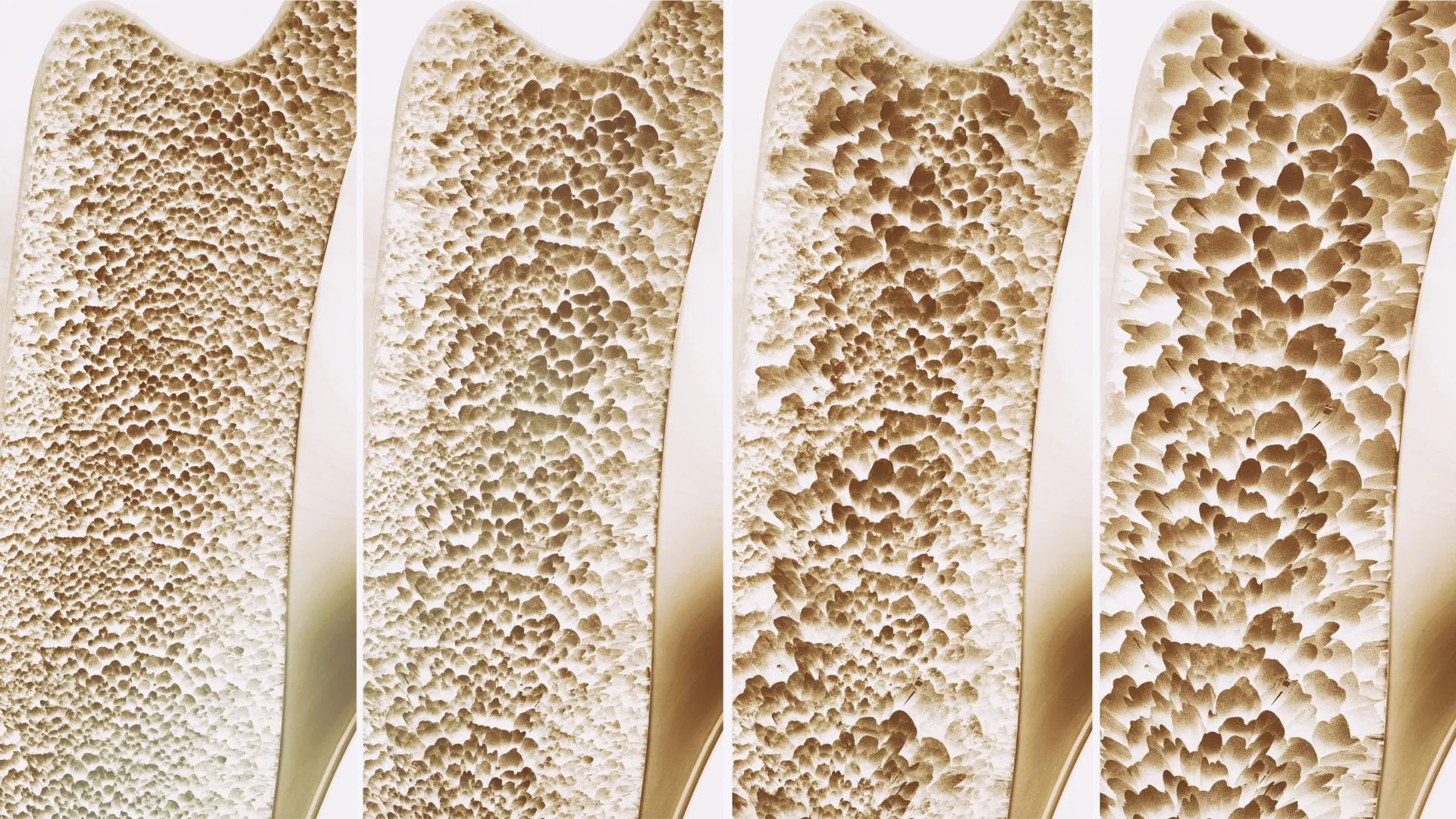
Osteoporosis, a debilitating condition characterized by weakened bones and an elevated risk of fractures, represents a pervasive global health crisis, afflicting hundreds of millions worldwide. In Germany alone, an estimated six million individuals, predominantly women, grapple with this silent disease, which exacts a heavy toll on quality of life, healthcare systems, and economic productivity. Despite existing therapeutic options, the medical community continues to face significant challenges in identifying safe, effective, and sustainable treatments capable of long-term use. The limitations and potential side effects of current pharmacological interventions underscore an urgent and persistent unmet medical need, driving relentless research efforts to uncover novel biological targets that could pave the way for more potent strategies to preserve or rebuild bone density. In a significant breakthrough, scientists at Leipzig University have identified such a target: GPR133, a previously underappreciated receptor now revealed to play a crucial role in maintaining bone strength, offering a promising new avenue for therapeutic development with potential implications for both skeletal and muscular health.
The Silent Epidemic: Understanding the Global Burden of Osteoporosis
Osteoporosis is far more than just "brittle bones"; it is a systemic skeletal disorder characterized by compromised bone strength predisposing a person to an increased risk of fracture. These fractures, often occurring in the hip, spine, or wrist, can lead to chronic pain, disability, loss of independence, and even increased mortality, particularly following a hip fracture. Globally, the disease affects approximately 200 million people, with projections indicating a substantial rise in prevalence as the world’s population ages. In the United States, for instance, about 10 million people over the age of 50 have osteoporosis, and another 44 million have low bone density (osteopenia), placing them at increased risk. The economic burden is staggering, with healthcare costs associated with osteoporotic fractures running into tens of billions of dollars annually in major developed economies. This financial strain is compounded by indirect costs stemming from lost productivity, long-term care, and rehabilitation. The insidious nature of osteoporosis means it often progresses without symptoms until a fracture occurs, making early diagnosis and effective preventative or therapeutic strategies paramount.
The disproportionate impact on women, particularly post-menopause, is a critical aspect of the disease. The decline in estrogen levels following menopause significantly accelerates bone loss, making women approximately four times more likely to develop osteoporosis than men. However, men are not immune, with about one in five men over 50 experiencing an osteoporotic fracture in their lifetime. These demographic realities underscore the critical need for advancements in treatment that are safe, well-tolerated, and effective across diverse patient populations and over extended periods.
Navigating the Limitations of Current Therapies
For decades, the primary therapeutic approaches for osteoporosis have centered on either slowing down bone resorption (anti-resorptive agents) or, more recently, stimulating bone formation (anabolic agents). While these treatments have significantly reduced fracture rates, they are not without their limitations and challenges.
Anti-resorptive drugs, primarily bisphosphonates (e.g., alendronate, risedronate, zoledronic acid), work by inhibiting the activity of osteoclasts, the cells responsible for breaking down bone. They are widely used, generally effective, and relatively inexpensive. However, they can cause gastrointestinal side effects, and rare but serious complications like osteonecrosis of the jaw (ONJ) and atypical femoral fractures (AFF) have been reported, particularly with long-term use. This has led to recommendations for "drug holidays" for some patients, leaving periods where bone protection is reduced. Denosumab, another anti-resorptive agent, is a monoclonal antibody that targets RANKL, a protein essential for osteoclast formation and function. While effective, it requires subcutaneous injections every six months and carries a risk of severe rebound bone loss and vertebral fractures if discontinued abruptly without alternative therapy.
Anabolic agents, which stimulate new bone formation, represent a more direct approach to rebuilding bone. Teriparatide, a parathyroid hormone analog, was one of the first anabolic treatments, but its use is typically limited to two years due to potential safety concerns and cost. Romosozumab, a newer anabolic agent, works by inhibiting sclerostin, a protein that suppresses bone formation. While highly effective, its use is also limited to 12 months, and it carries a boxed warning regarding potential cardiovascular risks. These limitations highlight a critical gap: the absence of a truly long-term, safe, and highly effective anabolic therapy that can both prevent further bone loss and robustly rebuild bone without significant side effects. This context makes the discovery of novel targets like GPR133 particularly exciting.
Leipzig University’s Breakthrough: Unveiling GPR133
For over a decade, Leipzig University has distinguished itself as a global leader in the study of adhesion G protein-coupled receptors (aGPCRs), a fascinating and still largely enigmatic family of cell surface receptors. This dedication is epitomized by its Collaborative Research Center 1423, titled "Structural Dynamics of GPCR Activation and Signaling," which has been at the forefront of unraveling how these receptors change shape, become activated, and transmit vital signals inside cells. It is within this rich scientific ecosystem that the groundbreaking discovery concerning GPR133 emerged.
GPR133 belongs to the broader superfamily of G protein-coupled receptors (GPCRs), which are integral membrane proteins involved in a vast array of physiological processes. aGPCRs, a distinct subgroup, are characterized by their large extracellular domains that enable them to interact with the extracellular matrix and sense mechanical forces, thus playing crucial roles in cell adhesion, migration, and tissue development. While their exact functions have remained less understood compared to other GPCR subfamilies, the Leipzig team’s research has now cast a spotlight on GPR133’s critical involvement in bone health.
The journey to this discovery involved meticulous research, starting with observations of genetic impairments. "If this receptor is impaired by genetic changes, mice show signs of loss of bone density at an early age – similar to osteoporosis in humans," explains Professor Ines Liebscher, lead investigator of the study from the Rudolf Schönheimer Institute of Biochemistry at the Faculty of Medicine. This crucial observation provided the initial clue, suggesting a direct link between GPR133 function and skeletal integrity. The next critical step was to identify a compound that could modulate GPR133 activity. Leveraging advanced computational methods, the researchers conducted a sophisticated computer-assisted screen, a modern drug discovery technique that allows for rapid virtual screening of vast libraries of chemical compounds to predict their binding affinity and activity against a specific target. This led to the identification of AP503, a substance that demonstrated potent stimulatory effects on GPR133.
The real validation came from rigorous in vivo studies. Administering AP503 to mice, the researchers observed remarkable results. "Using the substance AP503, which was only recently identified via a computer-assisted screen as a stimulator of GPR133, we were able to significantly increase bone strength in both healthy and osteoporotic mice," Professor Liebscher confirmed. This finding is profoundly significant because it demonstrates not only that GPR133 is involved in normal bone maintenance but also that its pharmacological activation can reverse bone loss in an osteoporotic state. The ability of AP503 to bolster bone strength in already compromised bone tissue positions GPR133 as a potentially invaluable target for future osteoporosis treatments, moving beyond mere prevention to active restoration.
The Intricate Mechanism: How GPR133 Orchestrates Bone Health
To fully appreciate the significance of GPR133, it is essential to understand the dynamic process of bone remodeling. Bone tissue is not static; it is constantly being broken down and rebuilt in a finely tuned balance that maintains skeletal integrity and adapts to mechanical stresses. This continuous renewal process is orchestrated by two primary cell types: osteoblasts and osteoclasts.
Osteoblasts are the bone-forming cells. They synthesize and secrete the organic matrix of bone, primarily collagen, and then facilitate its mineralization, leading to the formation of new bone tissue. Conversely, osteoclasts are the bone-resorbing cells. These large, multi-nucleated cells attach to the bone surface and secrete acids and enzymes that dissolve the mineralized matrix, removing old or damaged bone. In healthy individuals, the activity of osteoblasts and osteoclasts is perfectly balanced, ensuring that the amount of bone removed is equal to the amount of bone formed, thereby maintaining bone mass and strength.
In conditions like osteoporosis, this delicate balance is disrupted. Often, osteoclast activity outpaces osteoblast activity, leading to a net loss of bone mass, deterioration of bone microarchitecture, and increased fragility. The Leipzig team’s research reveals that GPR133 plays a pivotal role in tipping this balance back towards bone formation. Inside bone tissue, GPR133 acts as a sensor, responding to both physical forces—such as those generated during movement and weight-bearing—and intricate molecular interactions between nearby bone cells. When the receptor is activated, it initiates a complex cascade of intracellular signaling events. This signaling effectively shifts the equilibrium by encouraging the proliferation and activity of osteoblasts while simultaneously reducing the activity of osteoclasts. The net result is a favorable shift towards increased bone formation and decreased bone resorption, culminating in stronger and more durable bone.
Crucially, AP503 appears to mimic this natural process of GPR133 activation. This ability to pharmacologically modulate a key regulator of bone remodeling opens up exciting possibilities. The compound could potentially be developed into a therapeutic agent capable of not only increasing bone strength in healthy individuals (e.g., for preventative measures in high-risk groups) but also, more importantly, helping to restore bone that has already been weakened by osteoporosis. One particularly promising application lies in addressing post-menopausal osteoporosis, where the sharp decline in estrogen levels accelerates osteoclast activity and bone loss in women. By activating GPR133, AP503 could offer a novel mechanism to counteract this estrogen-deficiency-induced bone degradation.
Beyond Bone: The Dual Promise for Muscle Strength
The implications of the Leipzig University findings extend beyond the skeletal system, hinting at an even broader therapeutic potential for AP503. In a prior study, researchers from the same institution had already uncovered that activation with AP503 also leads to a strengthening of skeletal muscle. This parallel discovery is profoundly significant, especially when considering the health challenges faced by aging populations.
Sarcopenia, the age-related progressive loss of muscle mass, strength, and function, is another prevalent and debilitating condition that often co-occurs with osteoporosis. Like osteoporosis, sarcopenia contributes to reduced mobility, increased risk of falls, loss of independence, and poorer overall quality of life in older adults. The co-existence of both conditions, termed osteosarcopenia, creates a particularly vicious cycle where weakened bones and muscles exacerbate each other’s negative effects, leading to a dramatically elevated risk of falls and severe fractures.
A single treatment capable of improving both bone and muscle strength would represent a paradigm shift in the management of age-related musculoskeletal decline. "The newly demonstrated parallel strengthening of bone once again highlights the great potential this receptor holds for medical applications in an aging population," emphasizes Dr. Juliane Lehmann, lead author of the current study and a researcher at the Rudolf Schönheimer Institute of Biochemistry. Such a therapy could offer a synergistic benefit: stronger muscles provide better support and stability, reducing the likelihood of falls, while stronger bones simultaneously reduce vulnerability to fractures should a fall occur. This integrated approach could dramatically improve the mobility, independence, and overall well-being of older adults, significantly reducing the morbidity and mortality associated with age-related musculoskeletal frailty.
The Road Ahead: Clinical Translation and Future Research
While the findings from Leipzig University are undeniably exciting and represent a major step forward, it is important to recognize that the path from preclinical discovery to approved therapeutic agent is long, complex, and fraught with challenges. The Leipzig team is now embarking on several crucial follow-up projects aimed at comprehensively understanding GPR133’s physiological roles and its precise mechanisms of action. This includes delving deeper into the receptor’s signaling pathways, identifying its natural ligands, and elucidating its wider functions throughout the body beyond bone and muscle.
For AP503 to become a viable drug, extensive preclinical development is required. This involves rigorous toxicology studies to assess its safety profile in various animal models, detailed pharmacokinetic studies to understand how the compound is absorbed, distributed, metabolized, and excreted in the body, and further efficacy studies to optimize dosing and administration routes. If these preclinical investigations yield positive results, AP503 would then enter human clinical trials, a multi-phase process that typically spans many years. Phase I trials would assess safety and dosage in a small group of healthy volunteers. Phase II trials would evaluate efficacy and further safety in a larger group of patients with osteoporosis. Finally, Phase III trials would involve large-scale studies to confirm efficacy, monitor side effects, compare it to existing treatments, and collect information that allows the drug to be used safely.
The potential for AP503 to have applications in other diseases is also being actively investigated. Given the ubiquitous nature of GPCRs and their involvement in a myriad of physiological processes, it is conceivable that modulating GPR133 could have beneficial effects in other conditions where tissue repair, cellular regeneration, or mechanosensing plays a role. The scientific community will be keenly watching the progress of Leipzig University’s research. Should AP503 successfully navigate the demanding drug development pipeline, it could usher in a new era of osteoporosis treatment, offering a novel, dual-action approach to improving musculoskeletal health and significantly enhancing the quality of life for millions suffering from age-related bone and muscle debility.
Leipzig University: A Beacon of GPCR Research
The groundbreaking discovery from Leipzig University is not an isolated event but rather the culmination of more than a decade of focused and collaborative research into adhesion G protein-coupled receptors. The institution’s Collaborative Research Center 1423, "Structural Dynamics of GPCR Activation and Signaling," serves as a testament to its sustained commitment to this complex and critical area of molecular biology. This interdisciplinary program brings together experts from biochemistry, biophysics, pharmacology, and medicine to unravel the intricate mechanisms by which these receptors function. By focusing on how GPCRs change shape upon activation and transmit signals inside cells, the center aims to unlock new therapeutic avenues for a wide range of diseases. Leipzig University’s sustained investment and expertise in this specialized field have solidified its international reputation as a leading center for GPCR research, creating an environment ripe for such transformative discoveries. The identification of GPR133 as a potent regulator of bone and muscle health is a direct result of this long-standing dedication and innovative scientific inquiry, reinforcing Leipzig’s pivotal role in advancing our understanding of fundamental biological processes with profound implications for human health.
The discovery of GPR133 as a novel, dual-action therapeutic target for osteoporosis and sarcopenia offers a beacon of hope for millions grappling with these debilitating conditions. It represents a significant stride forward in the quest for safer, more effective, and long-lasting treatments that can address the multifaceted challenges of age-related musculoskeletal decline. As research progresses from the laboratory bench to potential clinical applications, the promise of GPR133 and compounds like AP503 holds the potential to redefine patient care and foster a new era of enhanced health and mobility for an aging global population.
