
 By Budi Oetomo Narendra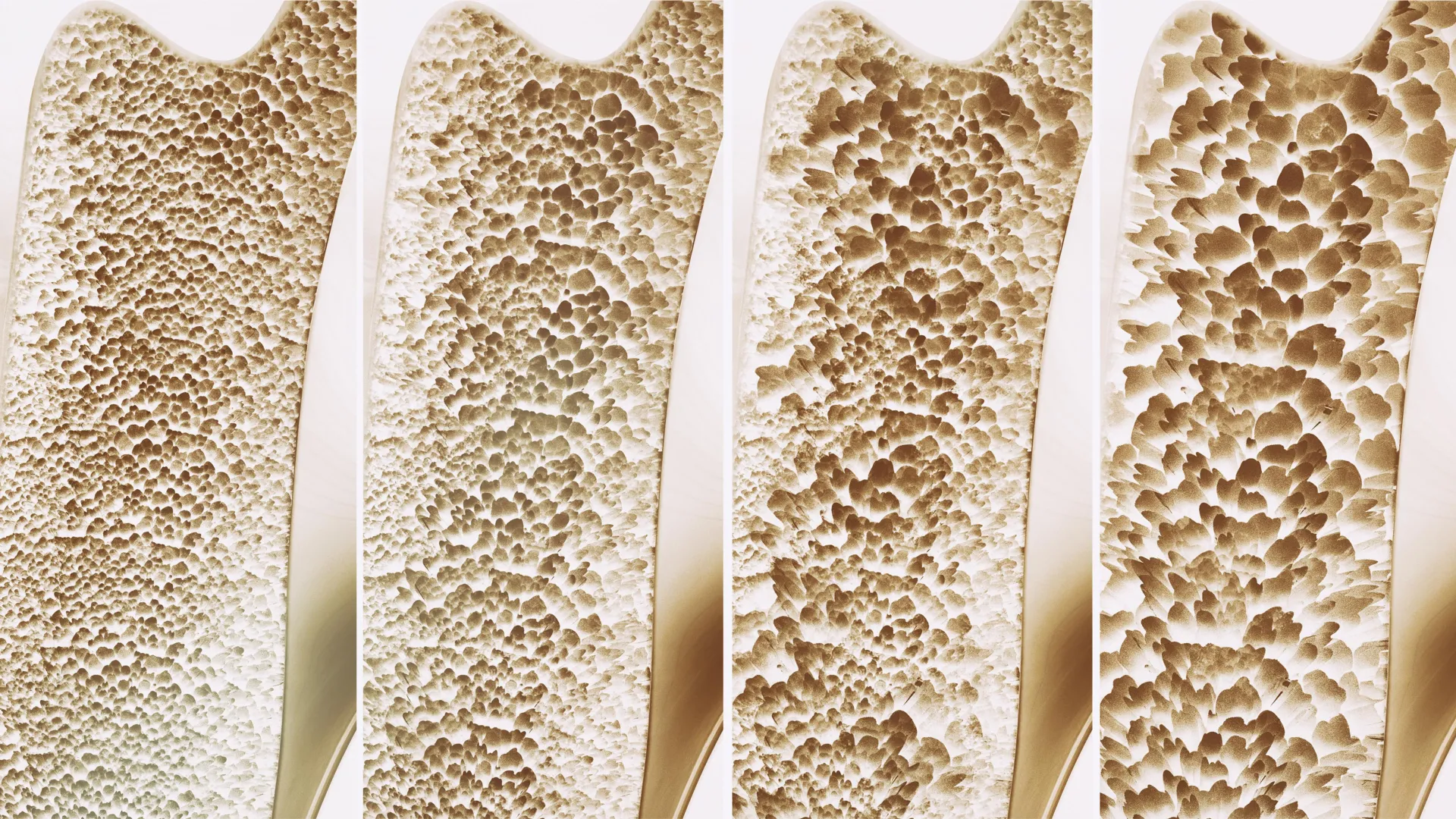
Osteoporosis, a debilitating condition characterized by weakened bones and an elevated risk of fractures, represents a significant global health challenge, affecting hundreds of millions worldwide. Its pervasive impact extends beyond physical fragility, contributing to substantial healthcare burdens and diminished quality of life. In Germany alone, approximately six million individuals grapple with this silent disease, with women, particularly in their post-menopausal years, disproportionately affected. The search for effective, long-term treatments has been a persistent pursuit for medical science, often hindered by the limitations and side effects associated with existing therapies. This urgent need for innovative solutions has propelled researchers to explore new biological pathways that could unlock more potent strategies for bone preservation and regeneration. In a significant breakthrough, scientists at Leipzig University have identified GPR133, a previously underappreciated receptor, as a pivotal player in maintaining bone strength, offering a promising new avenue for therapeutic intervention.
The Global Burden of Osteoporosis and Current Therapeutic Challenges
Osteoporosis is often termed a "silent disease" because bone loss occurs without symptoms until a fracture occurs. These fragility fractures, most commonly affecting the hip, spine, and wrist, can lead to chronic pain, disability, loss of independence, and even increased mortality. Globally, it is estimated that one in three women and one in five men over the age of 50 will experience an osteoporotic fracture. The economic toll is staggering, with healthcare costs for osteoporosis and related fractures running into billions of dollars annually in developed nations. For instance, in the European Union, the annual cost associated with osteoporotic fractures is estimated to exceed €30 billion, a figure projected to rise significantly with an aging global population.
Current pharmacological treatments for osteoporosis broadly fall into two categories: anti-resorptive agents, which slow down bone breakdown, and anabolic agents, which promote bone formation. Anti-resorptive drugs, such as bisphosphonates and denosumab, are widely prescribed but can be associated with side effects like osteonecrosis of the jaw or atypical femoral fractures, particularly with long-term use. Anabolic agents, such as teriparatide and romosozumab, are highly effective at building new bone but are typically administered via injection, are costly, and have limited treatment durations due to potential side effects or safety concerns. The challenge for clinicians and patients remains finding safe, effective, and tolerable treatments that can be administered over extended periods to manage a chronic, progressive condition like osteoporosis. This context underscores the critical importance of identifying novel biological targets that can offer improved safety profiles and sustained efficacy.
GPR133: A Little-Known Receptor with a Major Role in Bone Health
The discovery from Leipzig University centers on GPR133, a member of the adhesion G protein-coupled receptor (aGPCR) family. G protein-coupled receptors (GPCRs) constitute the largest family of cell surface receptors, playing crucial roles in nearly every physiological process and serving as targets for a vast proportion of currently marketed drugs. Adhesion GPCRs, a distinct subfamily, are characterized by their large extracellular domains that facilitate cell-cell and cell-matrix interactions, enabling cells to sense their environment and respond to mechanical and biochemical cues. Despite their widespread presence and diverse functions, adhesion GPCRs, including GPR133, have historically been less understood compared to their classical GPCR counterparts.
The new findings from Leipzig University shed critical light on GPR133’s previously unappreciated role in bone metabolism. Situated on the surface of bone cells, GPR133 acts as a cellular sensor, responding to external signals and mediating intracellular pathways vital for bone maintenance. "If this receptor is impaired by genetic changes, mice show signs of loss of bone density at an early age – similar to osteoporosis in humans," explains Professor Ines Liebscher, the lead investigator of the study from the Rudolf Schönheimer Institute of Biochemistry at the Faculty of Medicine. This observation provided the initial compelling evidence linking GPR133 function to bone integrity and disease pathogenesis.
The Breakthrough Compound: AP503 and its Mechanism of Action
The Leipzig team’s research not only identified GPR133 as a critical bone regulator but also pinpointed a specific compound capable of modulating its activity. Using a sophisticated computer-assisted screening approach, researchers identified AP503 as a potent stimulator of GPR133. This compound represents a significant step forward, moving beyond mere identification of a target to finding a practical means of engaging it therapeutically.
The effectiveness of AP503 was rigorously tested in preclinical models. "Using the substance AP503, which was only recently identified via a computer-assisted screen as a stimulator of GPR133, we were able to significantly increase bone strength in both healthy and osteoporotic mice," Professor Liebscher elaborated. This dual efficacy—improving bone strength in healthy individuals and reversing bone loss in osteoporotic models—is particularly noteworthy, suggesting a broad therapeutic window for AP503.
To understand how AP503 exerts its bone-strengthening effects, it’s crucial to delve into the dynamic processes of bone remodeling. Bone tissue is in a constant state of flux, meticulously balanced by two primary cell types: osteoblasts and osteoclasts. Osteoblasts are the bone-forming cells, responsible for synthesizing and depositing new bone matrix. Conversely, osteoclasts are bone-resorbing cells that break down old or damaged bone tissue. A healthy skeleton depends on a delicate equilibrium between these two processes, ensuring bone integrity and adapting to mechanical stresses. In osteoporosis, this balance is disrupted, typically shifting towards excessive bone resorption or insufficient bone formation, leading to net bone loss.
The research revealed that GPR133 plays a critical role in orchestrating this balance. When GPR133 is activated—either by natural physiological cues or by the therapeutic intervention of AP503—it initiates a cascade of intracellular signaling events. Crucially, this activation encourages the proliferation and activity of osteoblasts, thereby enhancing the production of new bone tissue. Simultaneously, GPR133 activation appears to suppress the activity of osteoclasts, curbing excessive bone breakdown. This synergistic effect, promoting bone formation while inhibiting resorption, effectively shifts the bone remodeling balance towards stronger and more durable bone. AP503, by mimicking the natural activation process of GPR133, holds the potential to therapeutically restore this critical balance, making it an attractive candidate for future osteoporosis treatments.
Timeline of Discovery and Leipzig’s Longstanding Expertise
The recent findings are the culmination of years of dedicated research at Leipzig University into the intricate world of G protein-coupled receptors, particularly the adhesion GPCR family. For over a decade, Leipzig University has been at the forefront of this specialized field, anchoring its efforts through Collaborative Research Center 1423, titled "Structural Dynamics of GPCR Activation and Signaling." This highly specialized program focuses on dissecting the molecular mechanisms by which these receptors sense signals, undergo conformational changes, become activated, and ultimately transmit signals within cells. This foundational understanding has been instrumental in enabling the current breakthrough.
The identification of GPR133 as a bone-regulating receptor emerged from this extensive research pipeline. The subsequent discovery of AP503 as a GPR133 stimulator through computational screening represents a key step in translating basic scientific insight into potential therapeutic strategies. This current study on bone strengthening builds upon earlier research from the same Leipzig team. In an earlier study, published prior to this bone-focused research, they had already demonstrated that activation of GPR133 with AP503 also strengthens skeletal muscle. This chronological development highlights a systematic and integrated approach to understanding the multifaceted roles of GPR133.
Broader Implications: Dual Benefits for Bone and Muscle in an Aging Population
Perhaps one of the most compelling aspects of this discovery lies in its potential for dual therapeutic benefits. The earlier finding that AP503 can strengthen skeletal muscle, coupled with the new evidence of its bone-strengthening capabilities, points towards a highly synergistic therapeutic profile. "The newly demonstrated parallel strengthening of bone once again highlights the great potential this receptor holds for medical applications in an aging population," remarks Dr. Juliane Lehmann, lead author of the study and a researcher at the Rudolf Schönheimer Institute of Biochemistry.
This dual action is particularly relevant for older adults, who frequently experience a concomitant decline in both bone and muscle mass and strength—conditions known as osteoporosis and sarcopenia, respectively. These two conditions are often interconnected, forming what is sometimes referred to as "osteosarcopenia," significantly increasing the risk of falls, fractures, and loss of functional independence. A single treatment capable of addressing both bone fragility and muscle weakness could revolutionize geriatric care. Stronger muscles not only improve mobility and stability, thereby reducing the risk of falls, but also provide better support and protection for bones. Conversely, stronger bones are less susceptible to fracture during a fall. This holistic approach to musculoskeletal health could lead to more comprehensive and effective strategies for maintaining independence and quality of life in the elderly.
Potential Applications and Future Research Directions
The immediate and most obvious application of these findings is in the development of novel therapies for osteoporosis, especially for populations where current treatments are less effective or poorly tolerated. One significant area of focus could be post-menopausal osteoporosis, where the rapid decline in estrogen levels accelerates bone loss in women. A GPR133-targeted therapy could offer a new mechanism of action distinct from hormone replacement therapy or anti-resorptive drugs, potentially providing a safer and more sustainable option.
Beyond primary osteoporosis, the compound could also have applications in other conditions involving bone loss, such as glucocorticoid-induced osteoporosis or disuse osteoporosis. Furthermore, the muscle-strengthening effect could be beneficial for sarcopenia, cachexia, or even in rehabilitation settings following injury or prolonged immobility.
The Leipzig team is not resting on its laurels. They are actively pursuing several follow-up projects aimed at deepening their understanding of GPR133. These include further investigations into the precise signaling pathways activated by GPR133, identifying its natural ligands, and exploring the receptor’s wider physiological functions throughout the body. Researchers are also meticulously examining the pharmacological properties of AP503, including its safety profile, pharmacokinetics, and potential for off-target effects, all crucial steps in advancing it towards clinical trials. The possibility that AP503 could have applications in other diseases, given the ubiquitous nature of GPCRs and the pleiotropic effects of adhesion GPCRs, also remains an exciting avenue for future exploration.
A New Horizon in Musculoskeletal Health
The discovery of GPR133’s pivotal role in bone metabolism and the identification of AP503 as its stimulator represents a significant leap forward in the fight against osteoporosis. This breakthrough, originating from the world-renowned research environment at Leipzig University, offers not only a novel therapeutic target but also a promising compound with the potential to address the dual challenges of bone fragility and muscle weakness. As the global population continues to age, the demand for effective interventions that promote healthy aging and prevent debilitating conditions like osteoporosis and sarcopenia will only grow. The Leipzig team’s work opens a new horizon, offering renewed hope for millions affected by these conditions and underscoring the profound impact of fundamental scientific research on human health.
