
 By Budi Oetomo Narendra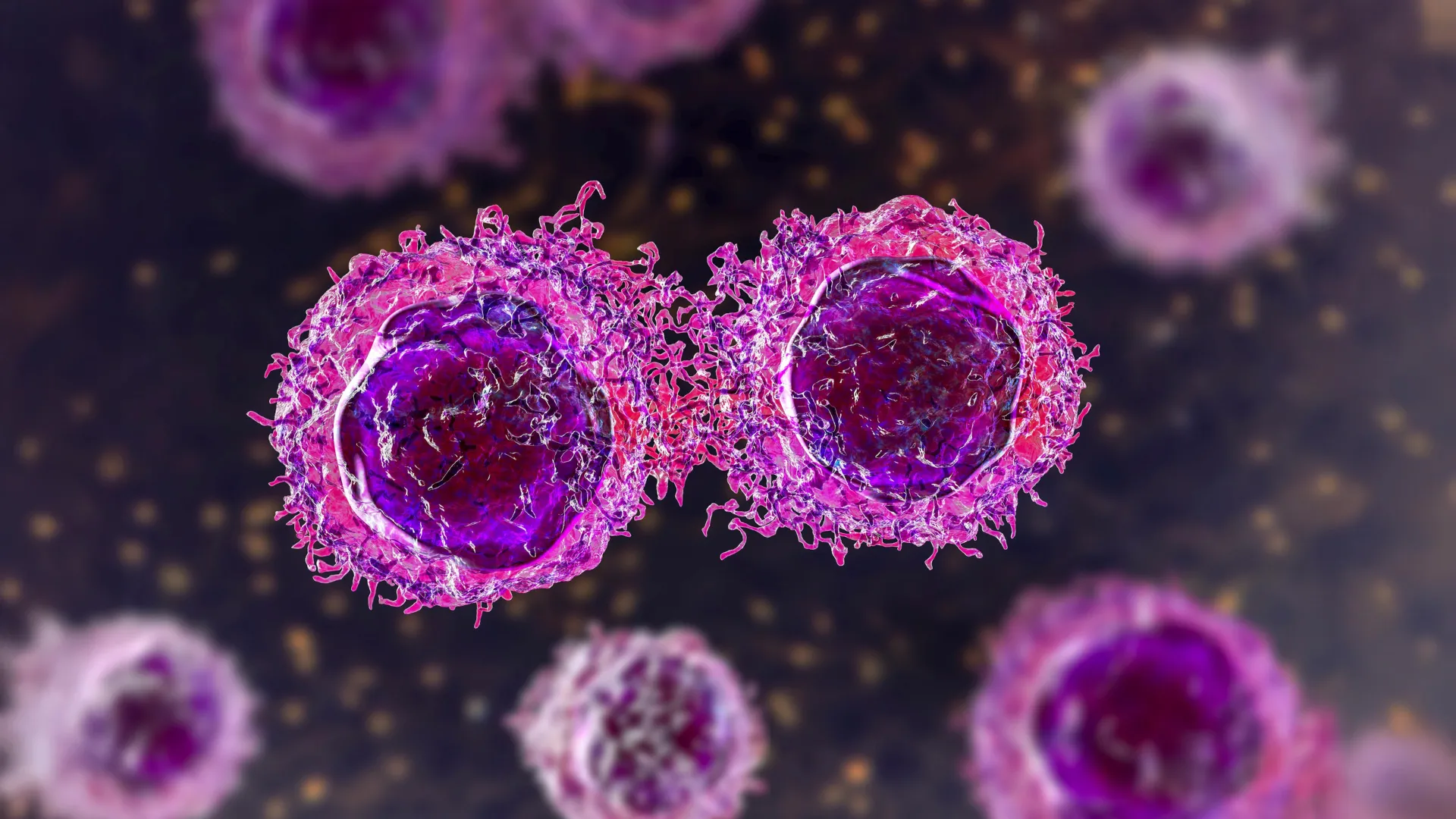
Cancer cells possess a remarkable ability to adapt and survive within the human body, often employing sophisticated strategies to evade the immune system’s relentless pursuit. One such mechanism involves surrounding themselves with a dense, protective layer of sugar-derived molecules, known as the glycocalyx. This carbohydrate-rich coating acts as a form of molecular camouflage, effectively shielding cancer cells from detection and destruction by immune cells. A recent study, published August 7, 2026, in the esteemed journal Science Advances, sheds critical light on the environmental conditions that facilitate the construction of this formidable shield, offering new avenues for therapeutic intervention.
Researchers at Sanford Burnham Prebys Medical Discovery Institute, in collaboration with institutions across North America, have identified specific factors within the tumor microenvironment that influence the effectiveness of this protective glycocalyx. Their findings suggest that the interplay between the physical stiffness of the tumor and the availability of nutrients, particularly glucose, can significantly alter how cancer cells arm themselves against immune surveillance. Crucially, the study also pinpointed a potential molecular switch, the heat shock factor 1 (HSF1) protein, which, when targeted, could diminish this sugar-rich coating, thereby rendering cancer cells more vulnerable to the body’s natural defenses and existing immunotherapies.
Unveiling Cancer’s Sugar Shield: The Glycocalyx and Immune Evasion
The glycocalyx, a complex meshwork of glycoproteins and glycolipids extending from the cell surface, is a fundamental component of cellular identity and function. In healthy cells, it plays vital roles in cell-cell recognition, adhesion, signaling, and protection from mechanical stress. However, in the context of cancer, this intricate layer can be hijacked and remodeled to serve malignant purposes. Oncogenic transformation often leads to alterations in glycocalyx composition and thickness, a phenomenon long observed but whose precise regulatory mechanisms and direct implications for immune evasion have remained subjects of intense investigation.
The heightened thickness and altered composition of the glycocalyx in cancer cells create a physical and biochemical barrier. This barrier can sterically hinder the binding of immune receptors to tumor antigens, effectively masking the "eat me" signals that would normally trigger an immune response. Furthermore, specific glycans within the glycocalyx can engage inhibitory receptors on immune cells, actively suppressing their activity. Understanding how cancer cells manipulate their glycocalyx is therefore paramount to developing more effective cancer treatments, particularly immunotherapies, which rely on the immune system’s ability to recognize and attack malignant cells.
The Microenvironment’s Influence: Stiffness and Nutrient Availability
Dr. Kevin Tharp, an assistant professor in the Cancer Metabolism and Microenvironment Program at the Sanford Burnham Prebys NCI-Designated Cancer Center and the lead and corresponding author of the study, initiated this research from a unique perspective. His previous work had explored how physical pressure exerted on cells could induce unexpected changes in mitochondrial function, the powerhouses of the cell. Recognizing that primary tumors are inherently stiffer than surrounding healthy tissues, Tharp hypothesized that these biophysical properties of the tumor microenvironment (TME) might profoundly influence the altered metabolic programs characteristic of cancer cells.
The TME is a complex ecosystem comprising cancer cells, immune cells, fibroblasts, blood vessels, extracellular matrix (ECM) proteins, and a dynamic mixture of proteins, carbohydrates, and metabolites. This intricate environment is not merely a passive backdrop but an active participant in tumor progression, metastasis, and drug resistance. The increased stiffness often observed in tumors is largely due to the excessive deposition and cross-linking of ECM components like collagen and fibronectin, which create a physically restrictive and signaling-rich environment. This mechanical stress can profoundly impact cellular behavior, gene expression, and metabolism.
Cancer cells are also known for their altered metabolism, famously characterized by a preference for aerobic glycolysis (the "Warburg effect") even in the presence of oxygen, leading to reduced oxidative metabolism of glucose. While this metabolic shift has been a hallmark of cancer for decades, its dependency on environmental factors rather than being an immutable intrinsic property of cancer cells has become increasingly evident. The availability of specific nutrients in the TME, for instance, can dictate how effectively cancer cells utilize glucose and other energy sources. This observation fueled Tharp’s investigative approach, prompting his team to explore how environmental cues interact with cellular metabolism to sculpt the cancer cell’s protective glycocalyx.
Hyperglycemia’s Role: A Potent Thickener for Cancer’s Camouflage
To dissect the interplay between physical environment and nutrient availability, Tharp and his colleagues devised a series of elegant experiments. They exposed cells to abundant glucose under several distinct conditions designed to mimic aspects of the TME. Some cells were cultured in stiff environments, replicating the mechanical properties of primary tumors, while others were grown in softer conditions akin to normal tissue.
Crucially, the researchers also varied the cell culture medium. One was a standard laboratory medium, often criticized for not accurately reflecting physiological conditions, while the other was meticulously formulated to more closely match the nutrient composition found within the human body. Both media types were tested under normal and elevated glucose concentrations, allowing the team to simulate hyperglycemia – a condition increasingly prevalent globally due to metabolic syndrome and type 2 diabetes.
The results of these meticulously controlled experiments revealed striking differences. The environmental variations profoundly influenced the proteins produced by the cells, the concentrations of intracellular metabolites, and, most notably, the thickness of the glycocalyx. A pivotal discovery was that excess glucose led to a significant increase in glycocalyx thickness only when cells were grown in the physiological medium that more accurately represented conditions inside the human body. This underscored the importance of replicating in vivo conditions for accurate mechanistic insights.
"We observed that changing the physiological media composition and changing the available metabolites for those tumor cells reveals distinct biology for normal and tumor cell metabolism," Dr. Tharp explained, emphasizing the critical nuance that often gets missed when relying solely on simplified laboratory models. This finding highlights a fundamental principle: cancer cell behavior is not solely dictated by genetic mutations but is profoundly shaped by its immediate surroundings and nutrient landscape.
Deciphering the Glycoconjugate Code: How Metabolism Shapes the Shield
Following the observation that environmental factors influenced glycocalyx thickness, the research team delved deeper into the precise metabolic changes that underpinned this phenomenon. The glycocalyx is constructed from glycoconjugates – carbohydrates attached to proteins or lipids. Given that glucose serves as a primary raw material for the synthesis of many glycoconjugates, the team hypothesized that alterations in glucose metabolism or the state of hyperglycemia might directly influence the assembly and composition of this protective layer.
Their investigations confirmed this suspicion. "We found stark separation between the glycoconjugates of cells cultured in conventional medium versus those cultured in a medium that better reflects the nutrient composition of the human body," Dr. Tharp noted. Furthermore, hyperglycemia was found to alter not just the quantity but also the quality of the glycoconjugates produced by the cells, indicating a specific remodeling of the sugar shield under high glucose conditions. This remodeling could potentially lead to the exposure or concealment of different antigenic structures, thereby dictating immune recognition.
HSF1: The Master Regulator of Immune Escape
To unravel the molecular machinery linking excess glucose to a thickened glycocalyx, the researchers identified proteins that became more abundant under hyperglycemic conditions. Their experiments consistently highlighted Heat Shock Factor 1 (HSF1). HSF1 is a transcription factor primarily known for its role in the cellular stress response, where it orchestrates the production of heat shock proteins (HSPs) to help cells survive adverse conditions like high temperatures, oxidative stress, or nutrient deprivation.
However, beyond its conventional role, HSF1 has garnered increasing attention in cancer biology. Previous research has implicated HSF1 in various aspects of cancer progression, including uncontrolled proliferation, resistance to apoptosis, angiogenesis, and crucially, metastasis. In breast cancer, for instance, elevated HSF1 expression is often correlated with aggressive disease and poorer patient outcomes. The Sanford Burnham Prebys study now adds a critical piece to this puzzle, demonstrating HSF1’s direct involvement in the immune evasion strategy of cancer cells.
The team meticulously showed that the presence or absence of HSF1 significantly altered the composition of glycoconjugates produced by the cells. This suggested that HSF1 acts as a key regulator in the metabolic pathways leading to glycocalyx formation. The most compelling evidence came when researchers examined the intricate relationship among hyperglycemia, HSF1, the tumor microenvironment, and the immune system’s capacity to attack cancer cells. They discovered that hyperglycemia enhanced cancer cells’ ability to escape immune detection only when HSF1 was present and the cells were grown under conditions mimicking the tumor microenvironment. This finding definitively positions HSF1 as a critical nexus where environmental cues converge to bolster cancer’s immune camouflage.
Stripping Away the Cloak: Therapeutic Avenues and Drug Discovery
The identification of HSF1 as a central player in this immune evasion mechanism opens up a promising new frontier for cancer therapy. "Our findings indicate that changes in mitochondrial function lead to the synthesis of cell surface sugar-derived molecules that make it difficult for the immune system to recognize and kill cancer cells," Dr. Tharp summarized. "Now that we know this, this creates an enormous drug discovery opportunity to take away the surface coating that protects them from immune surveillance."
Targeting HSF1 represents a strategic approach to disarm cancer cells. Inhibitors of HSF1 could potentially reduce the thickness and alter the composition of the glycocalyx, thereby stripping away a significant layer of protection that allows cancer cells to avoid immune detection. This strategy could be particularly impactful for improving the efficacy of existing immunotherapies, such as checkpoint inhibitors, which have revolutionized cancer treatment but face limitations due to various resistance mechanisms, including immune evasion at the tumor cell surface.
"And we think this will be a really effective strategy to attack metastatic disease and improve immunotherapy responses," Tharp added, highlighting the potential for broad clinical impact, especially given that metastatic cancer remains the primary cause of cancer-related deaths. The ability to make cancer cells "visible" again to the immune system could transform treatment paradigms for aggressive and recurrent cancers.
Connecting the Dots: Metabolic Syndrome, Diabetes, and Cancer Outcomes
This research holds profound relevance in the current global health landscape. Metabolic syndrome and type 2 diabetes are rapidly increasing in prevalence, with the World Health Organization estimating that over 422 million people globally suffer from diabetes. Both conditions are characterized by chronic hyperglycemia, or elevated blood glucose levels. Dr. Tharp notes that hyperglycemia is becoming an increasingly recognized and important risk factor for individuals with cancer.
A substantial body of previous epidemiological and clinical research has consistently linked high blood sugar with both an increased risk of developing various cancers and worse outcomes following cancer treatment. However, the precise biological mechanisms explaining this correlation have largely remained elusive, hindering the development of targeted interventions. This new study provides a compelling, mechanistic explanation by demonstrating how elevated glucose levels directly contribute to tumor immune evasion.
"What we found is a plausible mechanism by which hyperglycemia directly contributes to immune evasion," Dr. Tharp affirmed. "And potentially a way to take away a pro-tumor advantage from hyperglycemia caused by metabolic syndrome and modern diets." This insight moves beyond mere correlation, offering a tangible biological pathway through which lifestyle factors and metabolic health can directly influence cancer progression and treatment resistance. It underscores the critical importance of metabolic health management, not only for preventing diabetes but also as an integral part of comprehensive cancer care.
A New Frontier in Cancer Treatment: Expert Perspectives and Future Directions
Oncology experts are likely to view these findings as a significant advancement in understanding the complex interplay between metabolism, the tumor microenvironment, and immune evasion. The identification of HSF1 as a druggable target provides a clear path forward for drug discovery and development. Pharmaceutical companies will undoubtedly explore the development of specific HSF1 inhibitors or repurpose existing compounds that modulate HSF1 activity, with an eye toward combination therapies that enhance the effectiveness of current immunotherapeutic agents.
The next steps for this research will involve validating these findings in more complex in vivo models, including patient-derived xenografts and genetically engineered mouse models of cancer, to confirm the therapeutic potential of HSF1 inhibition in a living system. Further investigations will also aim to precisely characterize the changes in glycocalyx composition induced by HSF1 inhibition and how these changes directly impact immune cell recognition and killing. Ultimately, these preclinical studies will pave the way for human clinical trials to assess the safety and efficacy of HSF1-targeting drugs in cancer patients, particularly those with hyperglycemia or those who have shown resistance to current immunotherapies.
The implications extend beyond drug development, fostering a deeper appreciation for personalized medicine approaches that consider a patient’s metabolic profile. This research highlights the potential for diagnostic biomarkers that could identify patients whose tumors are particularly reliant on HSF1-mediated glycocalyx thickening for immune evasion, thereby tailoring treatment strategies for optimal outcomes. The convergence of cancer biology, immunology, and metabolic research exemplified by this study represents a dynamic and promising frontier in the ongoing battle against cancer.
Additional Authors and Study Support
While specific names beyond Dr. Tharp were not provided in the original text, the study involved collaborating institutions across North America, indicating a multi-institutional effort. The research was supported by significant funding from key organizations dedicated to advancing medical science, including the National Institutes of Health, the National Cancer Institute, the National Foundation for Cancer Research, the Canada Excellence Research Chair in Glycomics, and the Ovarian Cancer Research Alliance. These contributions underscore the collaborative nature and high scientific rigor of the groundbreaking work.
