
 By admin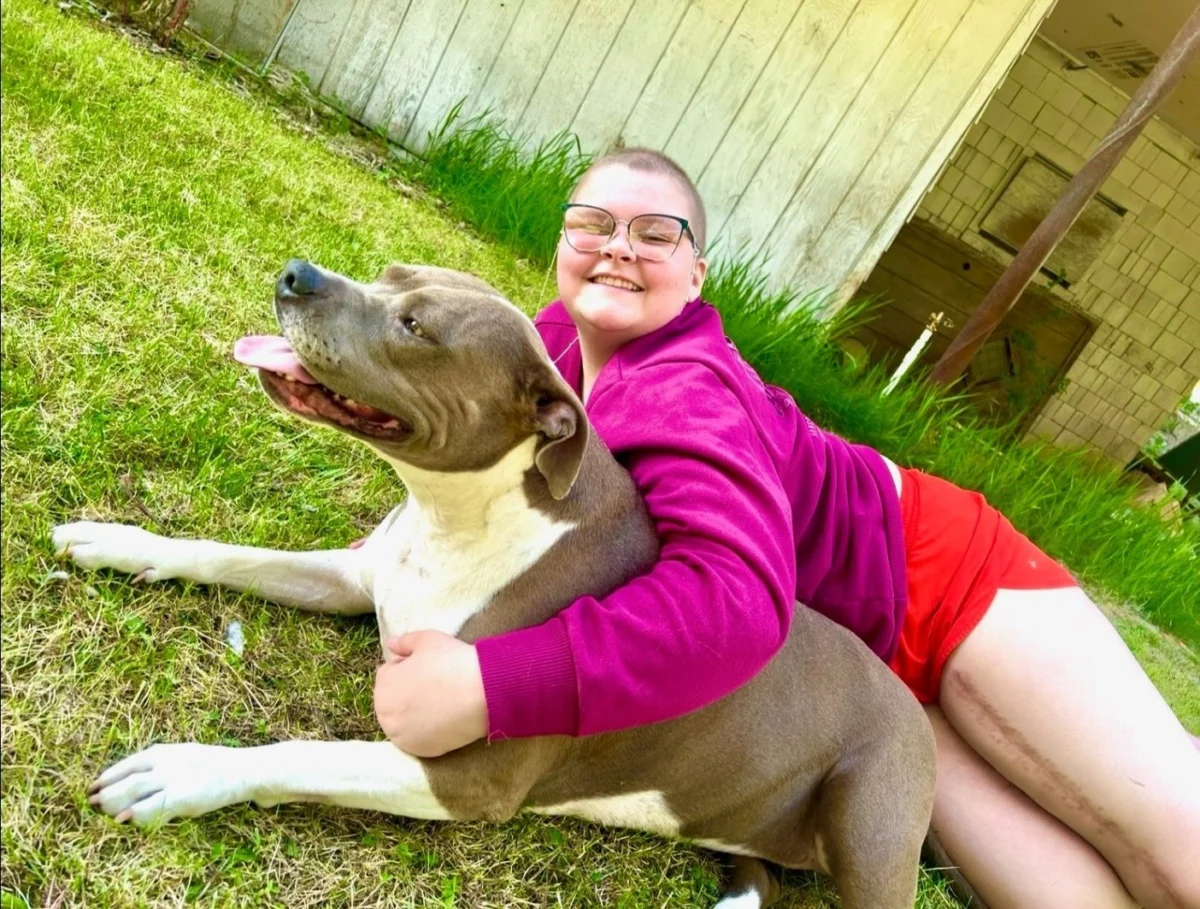
The conclusion of a pediatric cancer treatment protocol is frequently depicted as a moment of absolute triumph, symbolized by the ringing of a hospital bell and the immediate return to a normal life. However, for 15-year-old Madelyn and her family, the transition from patient to survivor has revealed a much more intricate and challenging reality. While the final drop of chemotherapy in early 2025 marked the end of a grueling medical regimen, it also initiated a complex period of physical rehabilitation and psychological adjustment. Madelyn’s journey through osteosarcoma—a rare and aggressive bone cancer—highlights the significant long-term hurdles faced by pediatric survivors, ranging from the mechanical failures of advanced medical prosthetics to the enduring mental health impacts of medical trauma.
The Path to Diagnosis: From Athletic Injury to Oncology
In the summer of 2024, Madelyn was an active 14-year-old engaged in competitive softball. When she began experiencing persistent leg pain following practice sessions focused on sliding techniques, both she and her mother, Toni, initially attributed the discomfort to a routine muscular strain. This assumption is common in pediatric oncology; because osteosarcoma frequently occurs in adolescents during growth spurts or periods of high physical activity, early symptoms are often mistaken for "growing pains" or sports-related injuries.
The clinical reality became clear a month later when the pain escalated to a level that left Madelyn incapacitated. A subsequent X-ray revealed a significant tumor that had breached the cortex of her femur, the largest and strongest bone in the human body. The diagnosis was confirmed as osteosarcoma, a primary bone malignancy that accounts for approximately 3% of all childhood cancers. According to data from the American Cancer Society, about 800 to 1,000 new cases of osteosarcoma are diagnosed in the United States annually, with about half of those occurring in children and teens.
Clinical Intervention and Surgical Complications
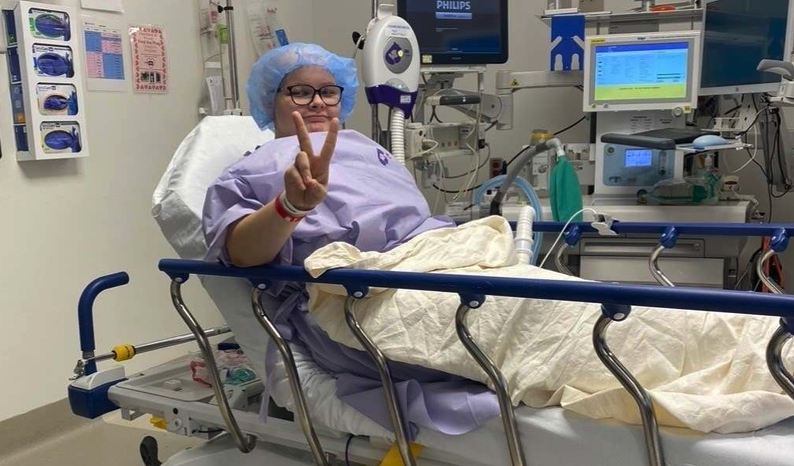
Madelyn’s treatment plan was intensive, involving 30 rounds of systemic chemotherapy designed to shrink the primary tumor and eliminate any micrometastatic disease. The physiological toll of this regimen was profound, characterized by chronic nausea and total alopecia. However, the surgical component of her treatment presented even greater challenges.
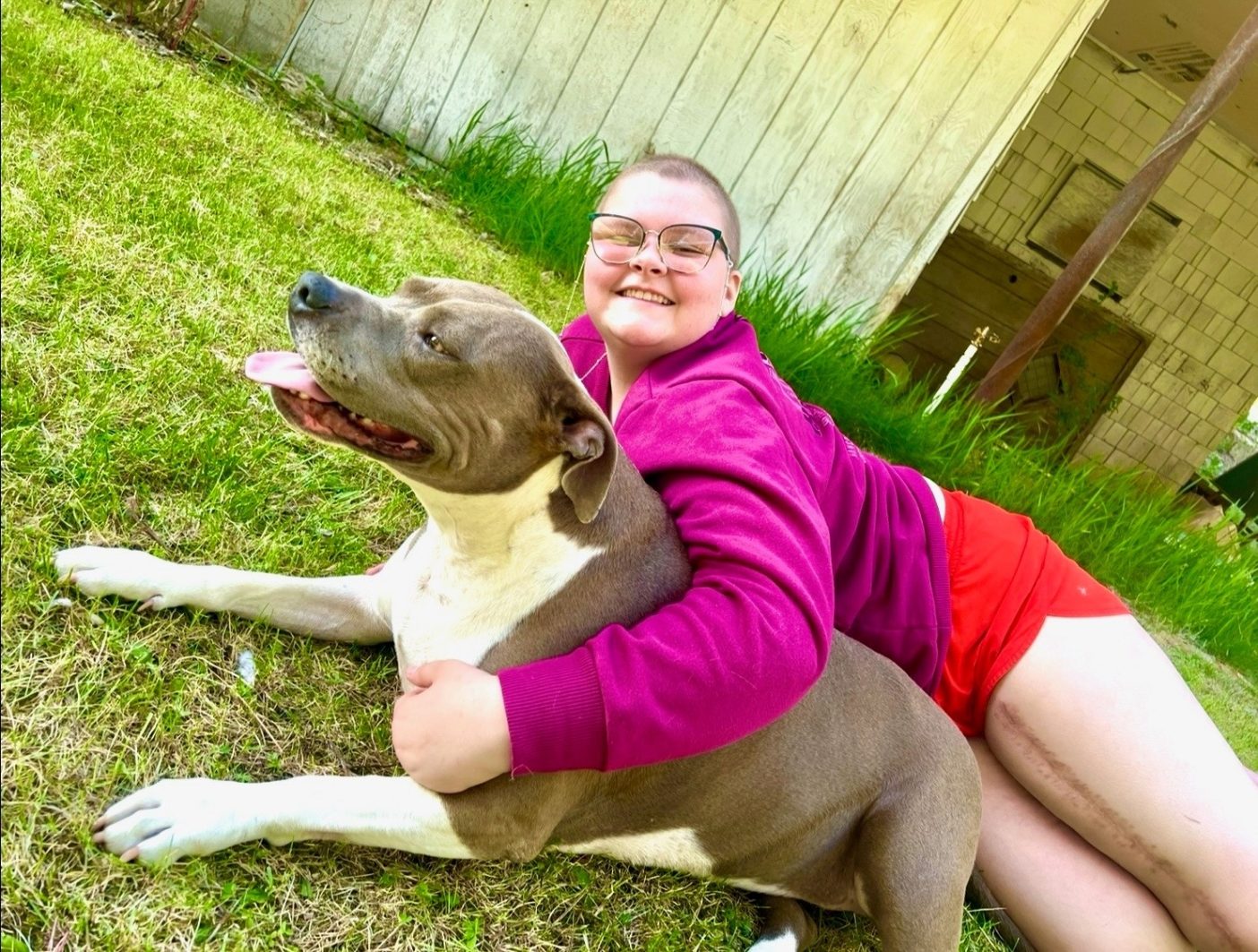
To avoid amputation, surgeons opted for limb-salvage surgery, a procedure that involves removing the cancerous bone and replacing it with an internal prosthetic. In Madelyn’s case, this required a custom-built titanium femur and knee replacement. The process of securing these components is often fraught with logistical and engineering difficulties. "You have to order these pieces and wait forever for them to be made, tested, and delivered," Toni explained. The complexity of Madelyn’s case led to multiple mechanical failures. Three different prototypes failed during the production and pressure-testing phases, leaving Madelyn unable to walk for a period of 10 months.
Ultimately, after four major surgeries and the failure of several initial components, Madelyn received a successful titanium assembly consisting of a femur, a knee, and a hip attachment. While the surgery saved her leg, the 10-month period of immobility necessitated an extensive and ongoing course of physical therapy to regain basic motor functions.
The Psychological Aftermath of Medical Trauma
As of March 2026, Madelyn has reached the milestone of being one year cancer-free. Despite this clinical success, the psychological transition from "patient" to "student" has proven to be the most difficult aspect of her recovery. This phenomenon is well-documented in pediatric survivorship literature. Survivors often report a sense of "temporal dissonance," where they feel significantly older or more mature than their peers due to the gravity of their experiences.
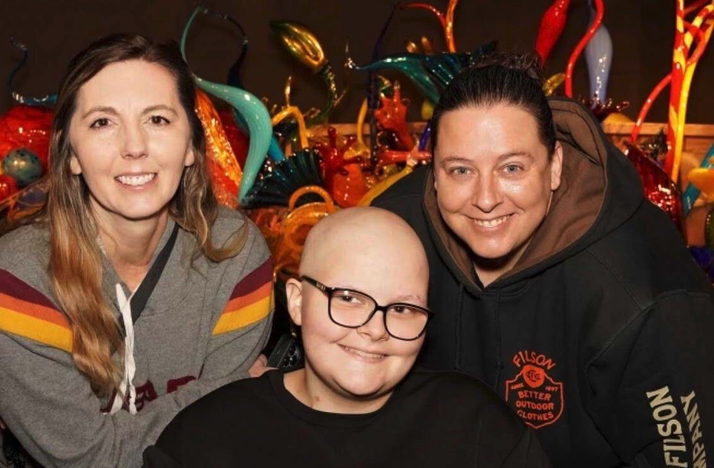
"None of her friends at school get it," Toni noted. "She was a mature kid before, but now she’s just way more mature than her friends and classmates, and that’s been hard for her." Madelyn has described the experience as feeling like an "alien" in her own life, returning from a two-year ordeal that her peers cannot conceptualize.
This isolation is compounded by heightened anxiety and symptoms consistent with Post-Traumatic Stress Disorder (PTSD). Madelyn has become increasingly homebound, viewing her residence as the only environment where safety is guaranteed. This manifests in a fear for her mother’s safety as well, driven by a logic that if both remain home, they are protected from further catastrophic events. This type of "hyper-vigilance" is a common late effect of pediatric cancer treatment, where the suddenness of the original diagnosis creates a permanent sense of impending crisis.
Data and Analysis: The Burden of Survivorship
Madelyn’s experience is representative of a broader demographic of childhood cancer survivors. Advances in oncology have pushed the five-year survival rate for all childhood cancers to over 85%. However, this increase in survival has brought the issue of "late effects" to the forefront of pediatric medicine.
According to the Children’s Oncology Group, approximately two-thirds of childhood cancer survivors will experience at least one late effect of treatment, and one-third will experience a late effect that is serious or life-threatening. These effects include:
- Physical Limitations: Chronic pain, reduced mobility, and the need for future revision surgeries on prosthetics.
- Secondary Malignancies: An increased risk of developing other types of cancer later in life due to exposure to chemotherapy and radiation.
- Psychosocial Challenges: Higher rates of depression, anxiety, and social withdrawal compared to the general population.
The distinction between being "cancer-free" and being "cured" is a critical medical nuance. In the context of osteosarcoma, patients are generally not considered cured until they have maintained five years of remission. During this window, survivors must undergo regular surveillance scans, which often triggers "scanxiety"—a period of intense emotional distress leading up to and following medical imaging.
Institutional Support and Research Initiatives
The challenges faced by families like Madelyn’s have spurred a shift in research priorities within organizations such as the Children’s Cancer Research Fund (CCRF). While finding a cure remains the primary objective, there is an increasing focus on "survivorship research." This field aims to improve the quality of life for survivors by developing interventions for the long-term physical and mental health consequences of treatment.
Current survivorship research initiatives include:
- Resilience Training: Programs designed to help teenagers navigate the social and emotional re-entry into school and peer groups.
- Prosthetic Innovation: Engineering more durable and adaptable internal prosthetics that can better accommodate the growth and activity levels of young patients.
- Caregiver Support: Addressing the mental health of parents who, like Toni, must transition from a state of constant "fight mode" to a new, often unstable, normalcy.
Toni highlighted the lack of public understanding regarding this phase. "When it’s over, that’s the hardest part, because it’s like, now what?" she said. The assumption by the public that the end of treatment equates to the end of the struggle can lead to a withdrawal of support systems just when the family is beginning to process the trauma they have endured.
Current Status and Future Outlook
Today, at age 15, Madelyn is actively working to reclaim her adolescence within the parameters of her new physical reality. Her reintegration into her school’s marching band serves as a notable example of her resilience. Unable to march due to her prosthetic, she assumed the role of drum major, leading her bandmates from her wheelchair. As her physical therapy progressed, she transitioned to participating in school theater productions, navigating the stage with the assistance of a crutch.
Beyond her academic and extracurricular commitments, Madelyn has sought out new avenues for self-expression. She has documented her experiences through a food vlog and has used her hair—which once fell out due to treatment—as a canvas for bright dyes and various styles. These actions represent a reassertion of agency over her body and her identity.
While the path to the five-year "cured" mark remains long, Madelyn’s case serves as a poignant case study in the necessity of comprehensive post-treatment care. The medical community continues to observe her progress, not only as a clinical success in the fight against osteosarcoma but as an individual navigating the "new normal" of life after a life-threatening illness. Her story underscores a critical journalistic and medical truth: the ringing of the bell is not the end of the story, but rather the beginning of a different, more quiet, and often more difficult chapter of survival.
