
 By admin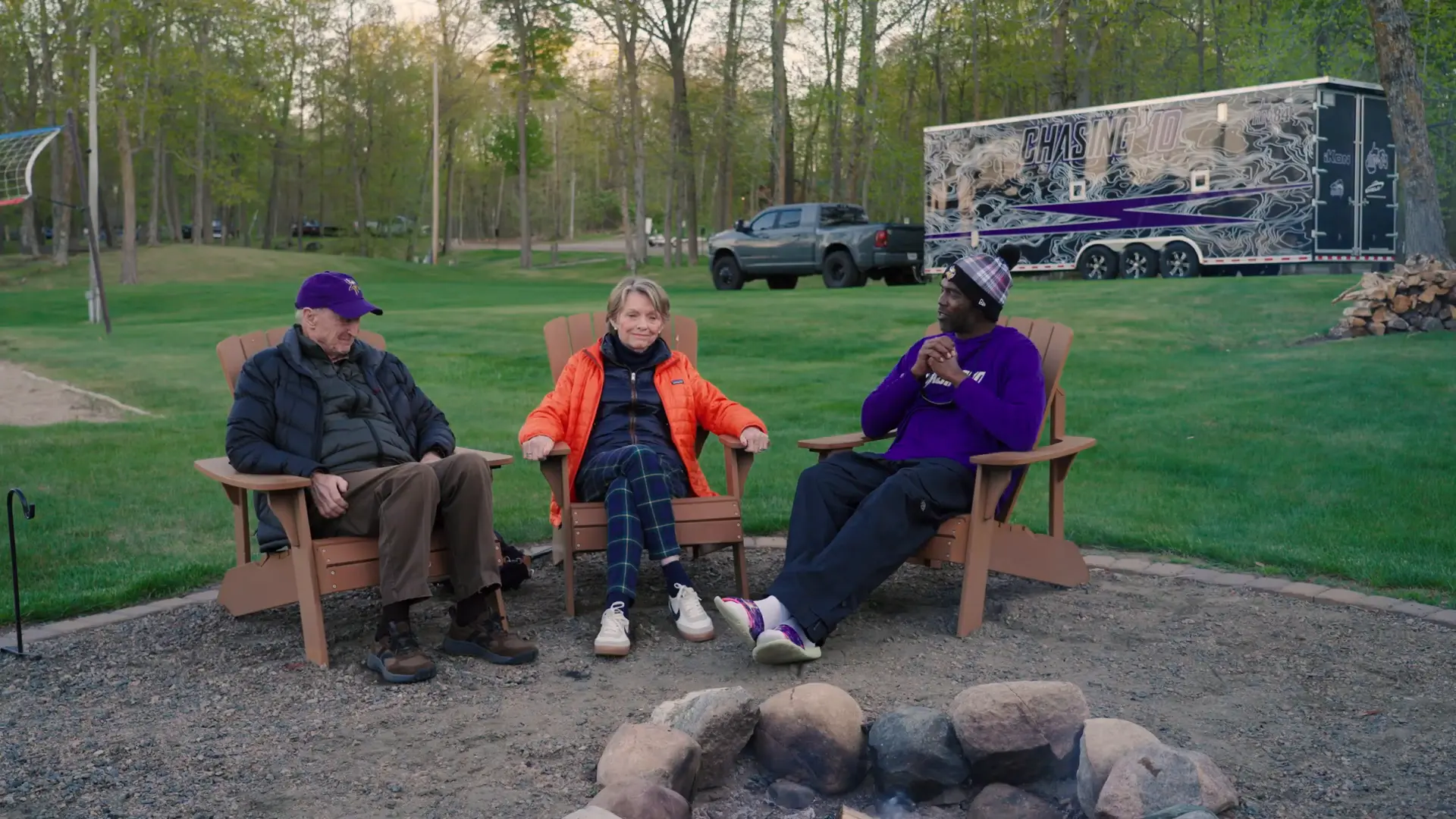
The history of medical philanthropy is often characterized by large-scale corporate donations and multi-million dollar endowments, yet one of the most influential organizations in the field of pediatric oncology began with a single act of childhood selflessness involving $141 and a dream of a red 10-speed bicycle. The Children’s Cancer Research Fund (CCRF), now a national leader in the fight against pediatric malignancies, traces its origins back to 1979 and a 13-year-old girl named Katie Hageboeck. Recently, the organization’s history was brought back into the national spotlight through "Chasing10," a digital series featuring Pro Football Hall of Fame wide receiver Randy Moss. Moss’s involvement underscores the continued relevance of Katie’s story and the ongoing mission to bridge the gap between initial diagnosis and a definitive cure.
The Genesis of a Movement: Katie Hageboeck’s Final Wish
In 1979, the landscape of pediatric oncology was significantly more precarious than it is today. When 13-year-old Katie Hageboeck was diagnosed with leukemia, the medical community at the University of Minnesota faced a daunting challenge. According to her mother, Diana Hageboeck, Katie presented with the highest white blood cell count ever recorded at the university at that time. In the late 1970s, a diagnosis of acute leukemia in children, while no longer an immediate death sentence due to emerging chemotherapy protocols, still carried a prognosis that left families in a state of constant uncertainty.
During her treatment, Katie demonstrated an awareness of the systemic needs of the hospital and her fellow patients that far exceeded her years. She had been saving her money for a specific goal: a red 10-speed bicycle, a prized possession for any teenager in the late 1970s. However, as her illness progressed and the gravity of her situation became clear, Katie made a decision that would alter the course of pediatric cancer research in the United States. She requested that the $141 she had meticulously saved be donated to a fund specifically designated for children’s cancer research.
This initial gift was not merely a donation; it was the seed for what would become the Children’s Cancer Research Fund. At the time of her passing, the fund was a nascent idea, but her family and the medical community at the University of Minnesota recognized the symbolic and practical power of her gesture. The $141, which adjusted for inflation would be approximately $600 today, served as the foundational capital for an organization that has since raised hundreds of millions of dollars.
Chronology of Growth and Scientific Advancement
The evolution of CCRF from a memorial fund to a national powerhouse follows a timeline of strategic growth and scientific partnership. Following Katie’s death in 1979, the Hageboeck family, alongside researchers at the University of Minnesota, formalized the fund to ensure that other children would have access to more effective treatments and, eventually, a cure.
By the 1980s, the fund began to attract significant attention within the Twin Cities community, leading to the establishment of major fundraising events. This era coincided with a revolution in pediatric oncology, specifically in the realm of bone marrow transplantation. The University of Minnesota became a global epicenter for these procedures, fueled in part by the flexible, early-stage funding provided by CCRF. Unlike federal grants, which often require years of preliminary data, CCRF funding allowed researchers to pursue "high-risk, high-reward" ideas that led to breakthroughs in transplant protocols and reduced rejection rates.
In the 1990s and 2000s, CCRF expanded its reach beyond Minnesota, funding research at various institutions across the country. The organization shifted its focus toward targeted therapies and the long-term effects of cancer treatment, recognizing that survival was only the first step. Today, the organization supports a wide array of initiatives, from clinical trials for rare pediatric tumors to psychosocial support programs for families navigating the "new normal" of life after a diagnosis.
The Randy Moss Connection and "Chasing10"
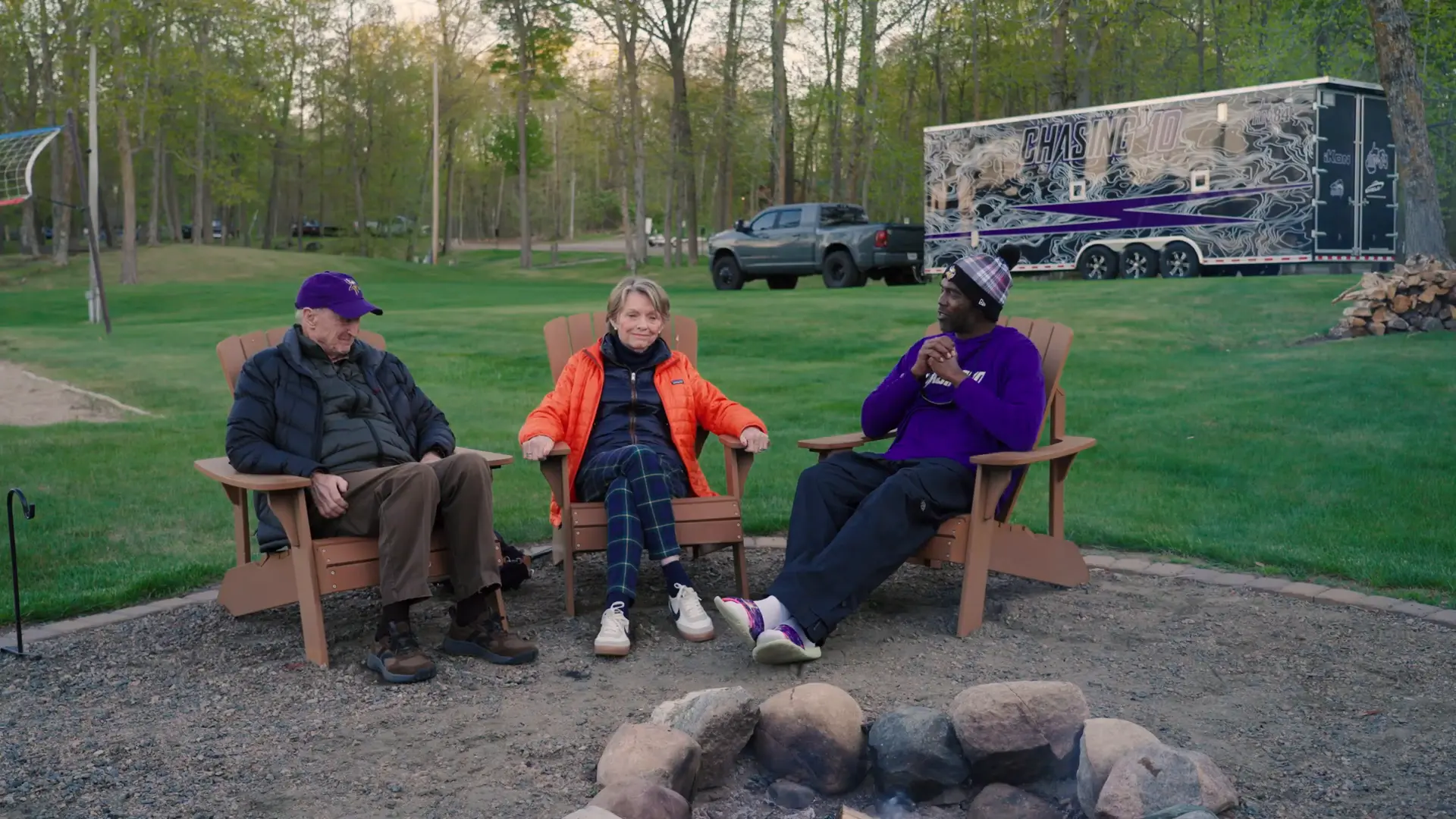
The recent participation of Randy Moss in the "Chasing10" series represents a convergence of sports legacy and philanthropic advocacy. Moss, known for his legendary career with the Minnesota Vikings and other NFL franchises, sat down with Diana Hageboeck to discuss the origins of the fund. The "Chasing10" initiative is designed to highlight the stories behind the research and the individuals who make the mission possible.
During the interview, Moss expressed a profound emotional connection to Katie’s story. "We’re not just chasing 10. We are chasing a cure. I’m part of this team now," Moss stated, signaling his commitment to using his platform to amplify the organization’s message. His reaction highlights the "ripple effect" of Katie’s original gift. A gesture made by a 13-year-old girl decades ago continues to recruit new advocates, including high-profile athletes who can reach demographics that traditional medical fundraising might miss.
For Diana Hageboeck, seeing a figure like Moss moved by her daughter’s story validates the enduring nature of Katie’s legacy. She noted that Katie would have been moved to know how many people have "bonded" over the simple act of giving up her bike money. This connection illustrates the psychological impact of Katie’s story: it transforms a complex, often clinical medical struggle into a relatable narrative of human compassion.
Supporting Data: The Impact of Private Research Funding
The importance of organizations like CCRF is underscored by the current state of federal research funding. According to the National Cancer Institute (NCI), only about 4% of the federal budget for cancer research is specifically allocated to pediatric cancers. This "4% gap" leaves a significant void that private philanthropy must fill.
Since its inception, CCRF has contributed more than $500 million to cancer research and advocacy. This funding has contributed to several key milestones in the field:
- Survival Rates: Since 1979, the overall five-year survival rate for childhood cancer has increased from approximately 50% to over 85%. For certain types of leukemia, the survival rate now exceeds 90%.
- Bone Marrow Innovation: Funding from CCRF helped pioneer the use of umbilical cord blood for transplants, a procedure that has saved thousands of lives of patients who could not find a matching adult donor.
- Survivorship Clinics: CCRF was instrumental in the creation of specialized clinics that monitor the long-term health of childhood cancer survivors, who often face late-stage side effects from radiation and chemotherapy.
The efficiency of this funding is a point of analysis for many in the nonprofit sector. Because CCRF focuses on "seed grants," their relatively small initial investments often allow researchers to gather the data necessary to secure much larger multi-million dollar grants from the National Institutes of Health (NIH). In this way, every dollar donated by individuals like Katie acts as a multiplier for future federal investment.
Official Responses and Strategic Vision
The leadership of Children’s Cancer Research Fund views Katie’s story not just as a piece of history, but as a strategic compass. The organization’s current mission focuses on three pillars: funding innovative research, providing family support, and advocating for policy changes that benefit pediatric patients.
In statements regarding the "Chasing10" series, CCRF representatives emphasized that the goal is to humanize the statistics. While the data shows incredible progress, the organization maintains that "one child lost is still too many." This sentiment echoes the Hageboeck family’s original motivation. The involvement of figures like Randy Moss is part of a broader strategy to engage a younger generation of donors and advocates who may not be familiar with the 1979 origin story but are moved by the concept of "paying it forward."
Medical professionals at the University of Minnesota Masonic Children’s Hospital have also noted that the consistency of CCRF funding provides a level of stability that is rare in the research world. This stability allows for the retention of top-tier talent in pediatric oncology, ensuring that the best minds in the field remain focused on the most difficult-to-treat cancers.
Broader Impact and the Future of Pediatric Oncology
The implications of Katie Hageboeck’s legacy extend far beyond the walls of a research lab. Her story serves as a case study in the power of grassroots philanthropy. It challenges the notion that significant change requires massive initial capital, demonstrating instead that the intent and the narrative behind a gift can be more influential than the dollar amount itself.
Looking forward, the challenges in pediatric oncology are shifting. While survival rates have improved, the focus is now on "precision medicine"—tailoring treatments to the genetic profile of an individual child’s tumor to minimize toxicity. This research is expensive and requires the kind of flexible funding that CCRF provides. Furthermore, the organization is increasingly focused on health equity, ensuring that children from all socioeconomic backgrounds have access to the breakthroughs their funding helps create.
The legacy of the red 10-speed bicycle remains a potent symbol within the CCRF community. It represents the childhood that cancer threatens to steal and the hope that research seeks to restore. As Randy Moss joined the "team," he became the latest in a long line of individuals—researchers, donors, and families—who are linked by a 13-year-old’s decision to put others before herself.
More than four decades after $141 was handed over to a fledgling research fund, the spirit of Katie Hageboeck continues to drive scientific discovery. The transition from a small local fund to a national movement is a testament to the fact that while cancer is a formidable opponent, it is met with an even more formidable force: the collective will of a community inspired by a single, extraordinary act of kindness. The work continues, the "chase" for a cure persists, and the legacy of a girl who gave up her bicycle money remains the heartbeat of the mission.
